
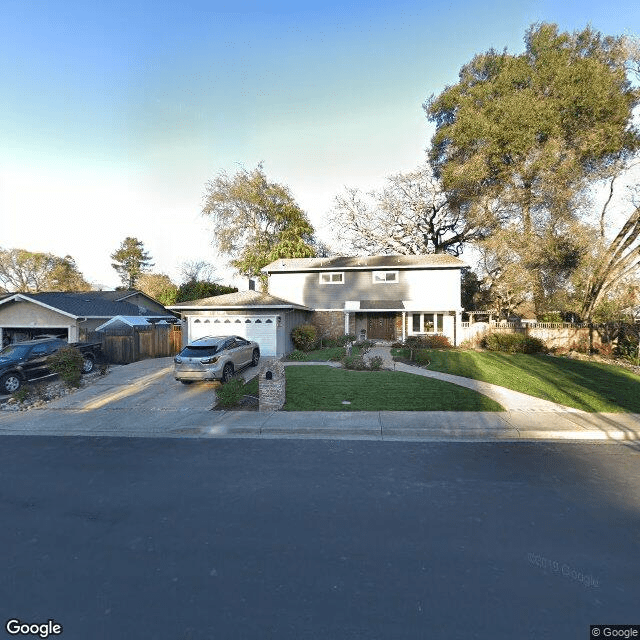
1364 Mustang Dr, Danville, CA 94526
To contact a resident: (925) 838-4444
For more information about senior living options: (866) 208-4318
Overall Review of Tender Heart Home Care
Pros
 They did a good job.
- The second one was working out fine.
Cons
 The first girl didn't work out so well.
- Insurance was not working and they couldn't afford it without them.
Review
Tender Heart Home Care in Danville is best suited for families seeking hands-on, in-home support where the ultimate value rests on a solid caregiver match. When a compatible aide is on board, the service can deliver dependable, attentive assistance that keeps daily routines intact and allows seniors to remain comfortably at home. This option tends to work best for households able to secure private pay or who have stable insurance coverage, since ongoing affordability hinges on the ability to cover costs once a caregiver is assigned and the care plan is in motion.
Those who cannot tolerate caregiver turnover or who depend on insurance to fund care should consider alternatives. A larger, more resourced home-care provider with a broader pool of aides and clearer funding paths can offer greater predictability. Alternatively, community-based assisted living or other in-home options with stronger back-end support for insurance processing and caregiver rotation may reduce the financial and logistical friction that appears here when a first caregiver pairing fails and insurance coverage falters.
The most obvious strength shows up after the initial hurdle of matching a caregiver is cleared: when the right person is in place, care quality can be solid and consistent. The second caregiver described in the reviews demonstrates what reliable, attentive support looks like, and that outcome reinforces the core value proposition, effective assistance that respects routines and independence. However, the flip side is real: an initial caregiver who does not fit well can disrupt comfort and trust, underscoring a present risk of uneven experiences. In addition, the repeated insurance snag and the ensuing affordability problem are not minor frictions; they directly affect whether the care plan can be sustained over time.
Those up against opaque insurance coverage or tight budgets will find the financial downsides hard to overlook, even if care quality is strong once a suitable caregiver is found. The main offset is clear when a well-matched aide remains consistent and the family can absorb or offsets costs through private pay or reliable insurance reimbursements. Yet the inconsistency in early caregiver fit paired with insurance issues can erode the perceived value, turning what should be a straightforward home-care solution into a balancing act between quality and cost. Families should weigh the certainty of a high-quality caregiver against the likelihood of ongoing financial uncertainty and staffing variability.
Practical decision steps are essential. Start by probing the agency’s caregiver-matching process and asking for a formal plan that outlines how ongoing fit will be achieved and maintained. Seek clarity on backup coverage: what happens if the assigned caregiver is unavailable, and how quickly a substitute can be mobilized without sacrificing continuity? Obtain a transparent financial estimate, including what portions insurance will cover and what the out-of-pocket burden would be under different scenarios. Request concrete assurances such as a trial period with defined goals, caregiver rotation policies, and a point of contact for supervision and quality checks. References from current clients and a review of scheduling patterns will illuminate how the agency handles real-world demands.
In the end, Tender Heart Home Care can be a credible option for families willing to invest in a careful caregiver-matching process and who possess stable funding channels. For households where insurance coverage is uncertain or affordability is a decisive constraint, this agency warrants serious comparison with alternatives that offer stronger continuity guarantees or clearer financial pathways. The prudent course is to enter discussions with a structured plan: insist on a documented caregiver-matching protocol, a transparent and defendable cost structure, and a trial framework that ensures a reliable backup when needed. This approach converts potential risk into a manageable, outcomes-driven decision.
 Metropolitan Oakland International (14 miles away)





 Exploring the World of Home Health Nurses: Qualifications, Roles, and Hiring Tips
 Navigating Medicare Coverage for In-Home Care Services
 In-Home Care Costs in 2025: A Detailed State-by-State Exploration