
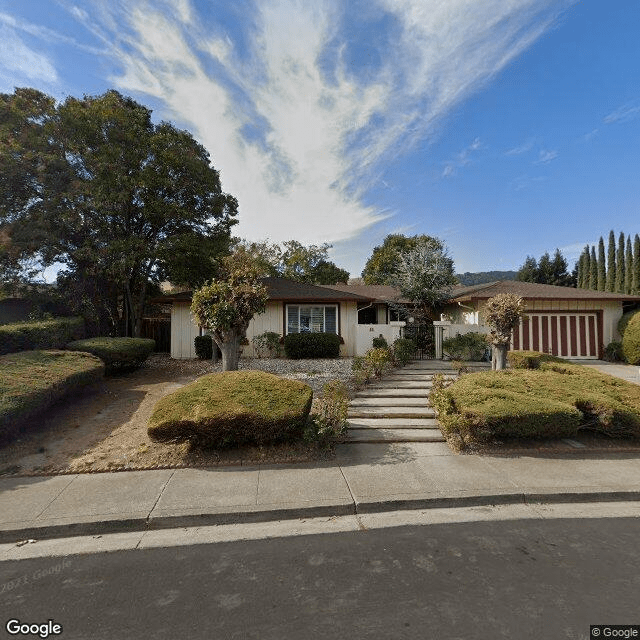
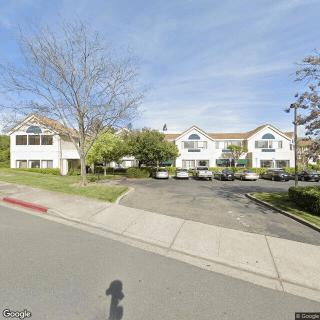
44 Dubost Court, Danville, CA 94526
For more information about senior living options: (866) 208-4318
Danville Home For Seniors Costs & Pricing
Danville Home For Seniors offers a range of accommodation options that reflect a higher cost compared to both Contra Costa County and the broader state of California. For a semi-private room, residents can expect to pay $6,500 per month, significantly above the county's average of $3,471 and the state's average of $3,333. Private rooms at Danville Home For Seniors come with a monthly fee of $7,000, which also exceeds local and state norms - $4,088 in Contra Costa County and $3,939 across California. While these costs are on the higher end of the spectrum, they likely correspond with the quality of care and amenities provided at Danville Home For Seniors.
| Floor plans | Danville Home For Seniors | Contra Costa County | California |
|---|---|---|---|
| Semi-Private | $6,500 | $3,471 | $3,333 |
| Private | $7,000 | $4,088 | $3,939 |
Assisted Living communities with a similar price nearby
-
About the same

Khivi Care
$6,500 / month13.6 miles away -
from -$1100 / mo
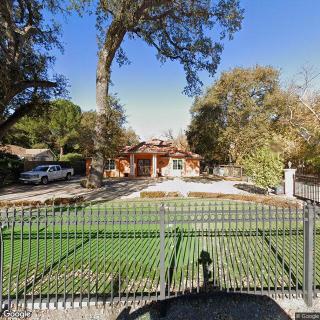
Bethel Care Home On Cottage
$5,400 / month8.7 miles away -
About the same

A Home of Our Own
$6,500 to $7,500 / month14.7 miles away -
from -$1000 / mo
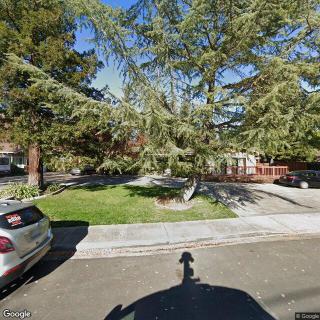
Carnelian III
$5,500 / month9.0 miles away -
from -$800 / mo
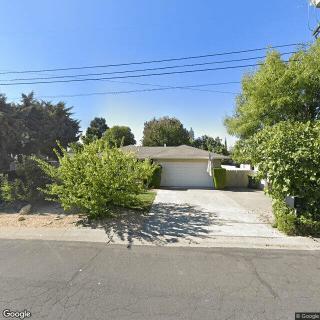
Agape Assisted Living
$5,700 / month13.5 miles away
Overall Review of Danville Home For Seniors
Pros
 The environment is wonderful and family-like.
- It is always welcoming, and visitors can drop in anytime.
- It is highly recommended for a loved one.
- The location is close to home, with attentive staff and a home-like environment that doesn’t smell like a care home.
- The hospice care is wonderful, and the staff are some of the most caring people.
- The staff pay attention to residents and provide hands-on care.
- The facility is clean and well maintained, with meals that satisfy even a picky eater.
- The community is trusted because of prior relationships with caregivers.
- It feels safe inside and is a place where residents can live well.
Cons
 Danville was an old home, and it looked like they didn't put much money into it.
- It was freezing cold in there.
- They had two beds to a room, which was not something the reviewer cared for.
- It was expensive.
Review
Danville Home For Seniors in Danville, CA is best suited for families that want a warm, family-type environment where visits feel welcome and staff are regularly accessible. It works well for residents who require hands-on, attentive care and for families who value proximity to home and a home-like atmosphere over clinical polish. The community shines for those who prize hospice support and deeply caring, empathetic staff who make the daily experience feel personal and comforting, especially in delicate end-of-life moments. Those who expect contemporary, hospital-like amenities or private, spa-like rooms may find this option less aligned with their priorities. In short, if closeness, ongoing caregiver attention, and a genuinely comforting atmosphere drive the decision, this community earns serious consideration.
The strongest selling points center on a family-centric vibe and dependable caregiving. Families repeatedly describe a welcoming, low-stress atmosphere where drop-ins are easy and relationships with caregivers feel enduring. Hospice care, in particular, stands out as a standout strength, marked by patience, tenderness, and thoughtful communication during difficult transitions. The staff’s hands-on approach translates into residents feeling attended to and safe, with caregivers often going the extra mile to accommodate individual preferences. Cleanliness and daily upkeep are emphasized, and the kitchen environment, evident in the aroma of lunch, signals that meals are prepared with care. For families prioritizing personal connection and visible caregiver investment, these elements create a compelling, reassuring picture.
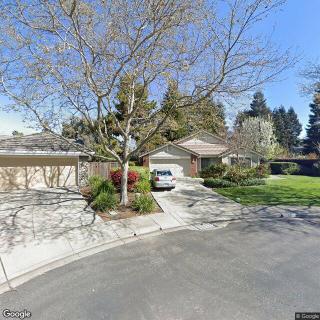
Yet the facility is not without its drawbacks, and several judgments hinge on expectations around environment and privacy. The campus reflects an older home, with some visitors noting a dated feel and a need for renewed investment. Heating and room configuration emerge as tangible concerns, two beds per room and a smaller private space can feel restrictive for some residents and families seeking more privacy or a quieter retreat. Cost is another point of contention; when compared to modern facilities with more expansive spaces, the price can be a barrier. Taken together, these drawbacks chill the appeal for families who equate comfort with contemporary aesthetics and larger, private accommodations.
Despite these drawbacks, the practical benefits often offset the physical constraints, especially for those who place a premium on relational care. The closest bonds develop through consistent, hands-on attention and an environment that treats residents as part of a family rather than as anonymous occupants. Proximity to home reduces logistical burdens and daily stress, allowing for more meaningful visitation and closer oversight. Food quality and the visible care in daily routines mitigate concerns about the older infrastructure, turning potential drawbacks into manageable realities. In essence, the care experience and safety net surrounding residents can make the older setting feel less like a compromise and more like a deliberate choice for peace of mind.
For families weighing alternatives, a clear distinction emerges: if private rooms, modern amenities, and room-to-room quiet are non-negotiables, it is prudent to explore other communities that offer newer build-outs and broader activity programs. If, however, the priority is a tangible, hands-on care culture, easy family access, and hospice-quality support wrapped in a comforting, home-like ambiance, this Danville home deserves serious attention. Potential residents should specifically probe room options, heating reliability, and staffing ratios, and they should observe mealtime and daily interactions to gauge how consistently the hands-on approach translates into real resident experience. The right fit hinges on aligning personal comfort with the facility’s core strengths.
In the final analysis, Danville Home For Seniors presents a practical, well-intentioned option for families prioritizing care quality, personal attention, and closeness to home. Its strongest value lies in the caregiving culture and the way staff engage residents with warmth and diligence, particularly in hospice contexts. The principal caveats, an older building, smaller or shared rooms, and higher cost relative to some newer competitors, define the limits of appeal for a subset of buyers. For families who can live with the architectural footprint in exchange for steady, compassionate care and a supportive, community-oriented environment, this is a solid choice. For others, a careful search for facilities with private accommodations and modern amenities is warranted.
 6 resident community capacity
 Assisted Living
 Board and Care Home
 Respite Care
 Activities on-site
 Cable or satellite TV
 Dining room
 Fully furnished
 Garden
 Housekeeping services
 Indoor common areas
 Move-in coordination
 Outdoor common areas
 Private
 Telephone
 Wheelchair accessible showers
 Wi-Fi/high-speed internet available
 Metropolitan Oakland International (14 miles away)
 24-hour supervision
 Assistance with bathing
 Assistance with dressing
 Assistance with transfers
 Diabetes diet
 Incontinence care
 Meal preparation and service
 Medication management
 Special dietary restrictions
 Transportation arrangement (medical)
 Transportation to doctors appointments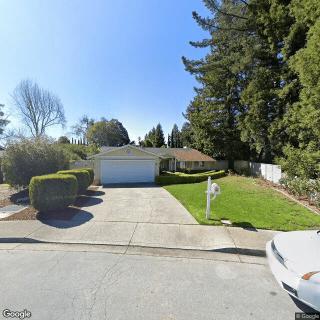


 Vibrant Senior Living: A Comprehensive Guide for Active Older Adults
 When to Transition from Assisted Living to Memory Care: Key Indicators, Steps, and Finding the Right Community
 Assisted Living and Memory Care: Understanding Their Core Differences