
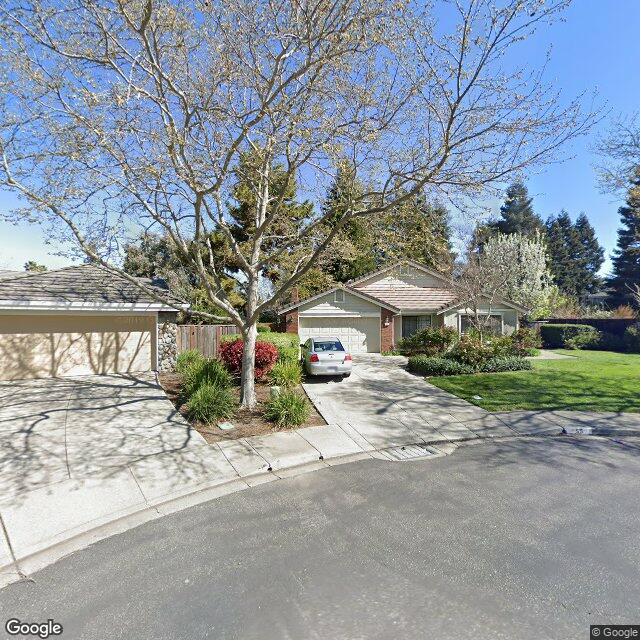
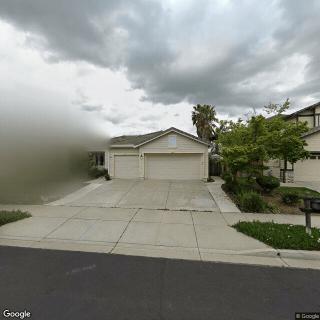
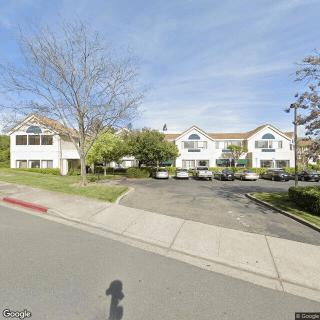
55 San Vincente Court, Danville, CA 94526
To contact a resident: (925) 867-2881
For more information about senior living options: (866) 208-4318
Trinity Care Home #4 Costs & Pricing
Trinity Care Home #4 offers competitive pricing for its residential care services, particularly when compared to the costs in Contra Costa County and the broader state of California. For semi-private rooms, Trinity Care Home #4 charges $2,800 per month, significantly below the county average of $3,471 and the state average of $3,333. Similarly, for private rooms, their rate of $3,500 is more economical than both the county's average of $4,088 and California's statewide average of $3,939. This pricing structure not only highlights Trinity Care Home #4's commitment to affordability but also positions it as a viable option for families seeking quality care without incurring excessive costs.
| Floor plans | Trinity Care Home #4 | Contra Costa County | California |
|---|---|---|---|
| Semi-Private | $2,800 | $3,471 | $3,333 |
| Private | $3,500 | $4,088 | $3,939 |
Senior living communities with a similar price nearby
-
from +$200 / mo
Golden Harmony Elderly Care
$3,000 / month12.2 miles away -
from -$100 / mo

Home Instead Senior Care
$2,700 to $3,400 / month24.6 miles away -
from +$100 / mo
Parkside Manor
$2,900 to $3,600 / month8.3 miles away -
from +$200 / mo
Laylor Care Home For The Elderly
$3,000 to $4,000 / month14.9 miles away -
from -$300 / mo
Brentwood Care Home
$2,500 to $4,000 / month18.1 miles away
Overall Review of Trinity Care Home #4
Pros
 The director's professionalism and honesty are evident, with resources available through her staff and the staff at her sisters' homes.
- She can provide the care he needs now and in the future.
- The home is bright, spacious, and newly updated.
- There is a dedicated person for doctor visits and blood draws, supporting coordinated care with her doctor.
Review
Trinity Care Home #4 in Danville is best suited for families seeking a small, professionally run senior home where care is anchored by thoughtful leadership, strong medical oversight, and a warm, home-like setting. The reviews highlight a director who combines professional polish with candor, and a team that taps resources across her sister properties to address evolving needs. The home itself is described as bright, spacious, and recently updated, offering a comfortable atmosphere that can ease transitions for residents and families alike. This combination, clear governance, honest communication, and access to a broader care network, positions Trinity Care #4 as a practical choice for seniors who require assistance now and may need more support down the line.
By contrast, those seeking a larger community with expansive programming, robust memory care tracks, or 24/7 skilled nursing coverage may want to compare alternatives. Trinity Care #4 is anchored by a strong local leadership team and a smaller footprint, which means more individualized attention but potentially fewer on-site services than bigger campuses. Families should consider whether the resident’s needs are likely to stay within assisted living parameters or if future complexity will demand a broader care ecosystem. If such scalability becomes essential, exploring other providers or additional facilities in the Danville area would be prudent.
The strongest positives center on governance and medical coordination. The director’s professionalism and honesty foster trust, ensuring families understand what care is available today and what may be needed tomorrow. The close link to a dedicated doctor for visits and blood draws reduces the churn of arranging external appointments and builds a predictable cadence of medical oversight. Resources pooled from staff and the sister homes expand options beyond what a single house could offer, giving families confidence that care can adapt as needs evolve. The bright, updated environment supports resident comfort and mood, which complements the medical focus and creates a steadier quality-of-life foundation.
These advantages offset typical concerns tied to smaller facilities. A well-structured leadership team and a plan for medical touchpoints diminish the risk of fragmented care. The downside to this model is the potential over-reliance on one director and a visiting physician schedule; if turnover or scheduling gaps occur, continuity could feel uneven. However, the described system, clear lines of communication, direct access to medical personnel, and the leverage from sister homes, reduces that risk when properly staffed. Families should verify that a reliable on-site contingency exists for emergencies and that the care plan remains flexible enough to accommodate shifts in health status without constant relocation.
For decision-makers, practical due diligence matters. Confirm the exact physician availability, whether there is round-the-clock nursing coverage, and how care plans are documented and updated. Ask to see examples of care plans that cover daily living assistance, medications, mobility support, and any dementia-related needs. Probe the process for transitions between the sister homes if new services become necessary. If possible, arrange a trial period or a careful observation period to gauge responsiveness and the resonance of staff with the resident’s routines. With these checks, Trinity Care #4 can be validated as a reliable home that honors both independence and safety.
Overall, Trinity Care Home #4 is a compelling option for families prioritizing professional leadership, medical integration, and a bright, intimate environment. It aligns well with seniors who require assistance now and anticipate evolving care needs, supported by a director who can marshal resources across related homes. Those whose priorities include expansive programming, specialized memory care, or a larger care community may find alternatives that better match that scale. The decision should hinge on a concrete assessment of medical support reliability, the care planning process, and the resident’s comfort with the home’s intimate, neighborly atmosphere.
 Board and Care Home
 Activities off-site
 Beautician on-site
 Devotional services off-site
 Indoor common areas
 Outdoor common areas
 Private
 Private bathrooms
 Wheelchair accessible showers
 Metropolitan Oakland International (14 miles away)
 Diabetic care
 High acuity care
 Incontinence care
 Kosher


 Comprehensive Guide to Qualifying for Home Health Care Services
 Powerful Realities of Elder Abuse and the Most Effective Ways to Report It
 Ten Vital Duties of a Senior Caregiver: A Comprehensive Guide