
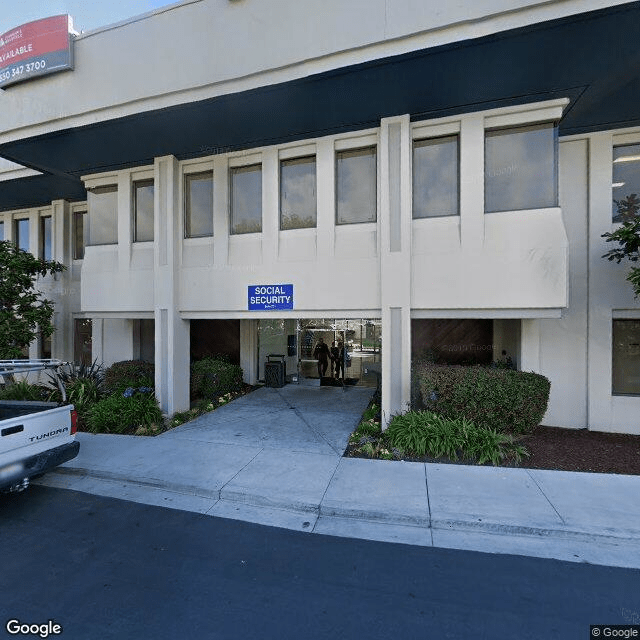
355 Gellert Blvd Ste 230, Daly City, CA 94015
To contact a resident: (650) 270-8660
For more information about senior living options: (866) 208-4318
Overall Review of Personal Home Care
Pros
 P.T. Michael's professional guidance and care aided the patient's speedy recovery.
- Frank quickly arranged top therapists and nurses who provided exceptional care.
- The team was phenomenal in supporting her recovery and helping her regain independence.
- The staff provided regular updates, giving the family peace of mind.
- Home Assist's staff were incredibly responsive, respectful, compassionate, and kind.
- Home Assist is among the best in the industry, with a team committed to doing things the right way.
- They genuinely care for patients, never cut corners, and demonstrate integrity.
- Home Assist is a trustworthy and compassionate home health provider.
- Wayland the PT was amazing, and the team was on time and kept their word.
- The dedication of the HomeAssist team made the grandfather's recovery smooth and quicker.
Cons
 One reviewer described the experience as horrible.
- The doctor's office fumbled the paperwork for days while the patient was bedridden.
Review
Personal Home Care in Daly City, CA is best suited for families seeking top-tier in-home nursing and therapy to support post-operative recovery, chronic condition management, or aging in place, with a clear emphasis on rapid initiation, professional care planning, and steady family communication. The model centers on skilled nursing, physical and occupational therapy, and aide services delivered at home, enabling loved ones to recover while remaining in familiar surroundings. For households that prize independence restoration and frequent, transparent updates to relatives, this provider stands out as a practical, outcome-focused choice.
Those who may want to consider alternatives are advised to reflect on a few realities. If 24/7 onsite supervision or a built-in social environment is a priority, an assisted living or skilled nursing facility may be a better fit. Families with highly variable schedules or tighter budgets might compare cost structures across providers. For patients with complex cognitive needs or a desire for highly structured, round-the-clock oversight, a facility setting can offer elements that a home-health model may not fully replicate. It is important to acknowledge that one notably negative account exists among the reviews, signaling that intake and urgent-access experiences can vary; this underscores the value of discussing explicit availability, response times, and contingency plans before committing.
The strongest positives center on the clinical team’s competence, responsiveness, and care coordination. Across the bulk of reviews, demonstrated speed in arranging therapists and nurses after a doctor’s order is issued, precise care plans, and ongoing professional oversight are repeatedly praised. Families note regular, reassuring updates, with staff demonstrating genuine empathy, reliability, and respect. The back-office and QA partnerships appear to reinforce trust, delivering accountability and consistent protocol adherence that translates into smoother recoveries and regained independence for patients. When recovery hinges on timely skilled intervention and consistent therapy, these elements convert into tangible, meaningful gains.
Main cons to watch for come from the occasional outlier in the feedback, which hints at potential variability in intake speed or initial access. While most experiences describe quick mobilization and dependable scheduling, the possibility of administrative bottlenecks exists and can affect urgency-sensitive discharges. The offset to these concerns rests with the core strengths: a dedicated clinical team, proactive care planning, and continuous family contact. The overall track record suggests that, for most families, the benefits, clarity of communication, professional care, and rapid deployment of services, far outweigh the risks of slower intake, especially when proactive questions are raised upfront and a detailed service timeline is documented.
For families planning a decision, practical expectations are essential. Ask for a defined lead clinician and a concrete initiation window post-discharge, and request a written care plan with measurable targets for therapy and nursing visits. Confirm who will call or video-update family members, and how often, to avoid uncertainty and ensure transparency. Clarify what services are available on weekends, the expected cadence of PT/OT sessions, and the process for adjusting the plan if recovery stalls or accelerates. Given the positive feedback on communication and accountability, it pays to request a point person for real-time updates and to set clear milestones for progress and independence.
In sum, Personal Home Care in Daly City is a strong, practical choice for families wanting professional, home-based recovery support that prioritizes speed, quality therapy, and open communication. It excels for those who value keeping loved ones at home while achieving meaningful functional gains through skilled nursing and rehabilitative services. It is less suited for households needing constant 24/7 supervision or a built-in social community within a facility. For families weighing options, this provider offers compelling advantages in competence, reliability, and family engagement, making it a serious consideration for post-surgical recovery, rehabilitation, and ongoing home care in the Daly City area.
 San Francisco International (6 miles away)



 Understanding Home Health Care: A Comprehensive Guide
 Home Health Care Demystified: A Comprehensive Guide for Families and Caregivers
 Seniors and Modern Transportation: Exploring Uber, Lyft, and Other Ride-Hailing Options