
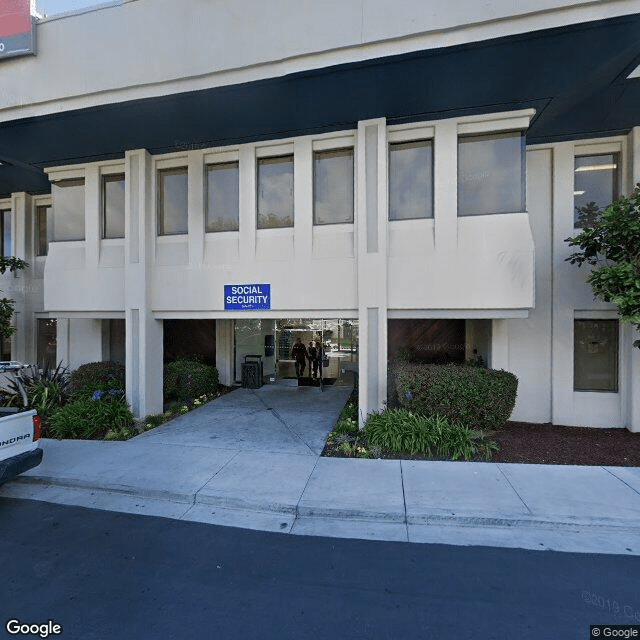
355 Gellert Boulevard, Suite 130, Daly City, CA 94015
To contact a resident: (650) 992-8559
For more information about senior living options: (866) 208-4318
Overall Review of Kindred at Home Daly City
Pros
 The caregivers gave special attention and services to the mother.
- They were patient with the mother's dementia and often went above and beyond to keep her living areas clean.
- The office staff consistently did their best to find replacements when a caregiver was sick.
- The agency sent caregivers who were able to pull through despite COVID-related staffing challenges.
- The mother received assistance from Kindred at Home with no complaints, and the caregiver did her job well.
- The home care team is mostly on time and ready, drives the mother to doctor appointments and grocery shopping, and she feels comfortable with the driver.
Cons
 The COVID period made it difficult to obtain consistent staff.
- There were times when a caregiver was sick, necessitating replacements.
- One reviewer described the care as only “okay” rather than excellent.
Review
Kindred at Home Daly City is best suited for families seeking in-home, non-medical care that enables an elderly loved one to stay at home while receiving attentive daily assistance, especially when dementia is a factor and routine tasks, cleanliness, and transportation to appointments matter. The most telling signals from the reviews are the caregivers’ patience with memory impairment, their willingness to go beyond the bare minimum, and the office team’s proactive approach to securing replacements when a caregiver is unavailable. This is a home-based, relationship-driven service designed to integrate smoothly into daily life, not a clinic or facility, which makes it a practical fit for those who prize continuity and familiarity in the home environment.
Those who may want to consider alternatives include families needing near-constant, around-the-clock supervision or medical-grade oversight that goes beyond caregiving tasks. If the priority is a higher intensity memory-care program with dedicated 24/7 live-in coverage or access to a broader range of clinical services, other options may deliver more robust staffing, specialized programming, or guaranteed coverage. Additionally, if the schedule requires a larger pool of caregivers to support multiple shifts with strict, unvarying consistency, a larger agency with deeper staffing depth could provide a more predictable cadence than what a smaller operation can consistently guarantee.
The standout pros here center on relational quality and reliability. Caregivers are described as patient and attentive to the realities of dementia, maintaining living areas with noticeable care, and supporting practical needs like grocery shopping and doctor visits. The office staff earns credibility for their responsiveness in securing replacements when someone is unavailable, reducing gaps in coverage. Transport to appointments is not peripheral but core, with drivers who establish comfort and trust with the elder. Overall, these strengths translate into meaningful daily stability: predictable routines, safer navigation of errands, and a respectful, supportive presence that keeps the person at home where they are most at ease.
On the flip side, the main cons cluster around consistency challenges that can arise in home-care staffing, particularly during periods when caregiving staff are scarce or unwell. The reviews acknowledge a dip in consistency during difficult times and note that, while replacements are pursued, the rhythm of care can be uneven at times. This is a practical city-market reality rather than a fatal flaw: the agency’s ability to rally replacements and maintain service levels matters, but it does introduce occasional variability that families should plan for.
From a decision-making perspective, these nuances point to a clear playbook. Start by matching the elder’s needs to the caregiver profile: patient, dementia-friendly staff who can manage both personal care and household tasks, with dependable transportation. Probe the agency on back-up coverage: how many trained caregivers exist, how quickly replacements can be arranged, and what the protocol is when a caregiver is sick or unavailable. Clarify reporting and communication expectations: how progress is tracked, what notes are provided after visits, and how weekend or evening needs are handled. Finally, secure a transparent cost framework and understand how shifts are scheduled to minimize gaps without sacrificing the caregiver’s well-being or the elder’s comfort.
In practical terms, Kindred at Home Daly City delivers a solid, home-centered option for families who value attentive, task-oriented support, dependable transport, and a caregiver network that can respond when a staff member falls ill. It is a prudent choice for dementia care that emphasizes daily living activities and home safety, paired with a responsive office team. For households demanding near-perfect consistency across many caregivers or requiring highly specialized medical oversight, alternatives with deeper staffing depth and broader programmatic offerings may outperform. Overall, this agency stands up well for preserving independence at home while delivering the practical, compassionate care that families need.
 San Francisco International (6 miles away)




 Understanding the Nuances of Palliative Care and Hospice: A Comprehensive Exploration
 Is In-Home Healthcare Tax Deductible? Your Comprehensive Guide
 Nurturing Well-Being Through Gardening: A Detailed Guide for Senior Enthusiasts