
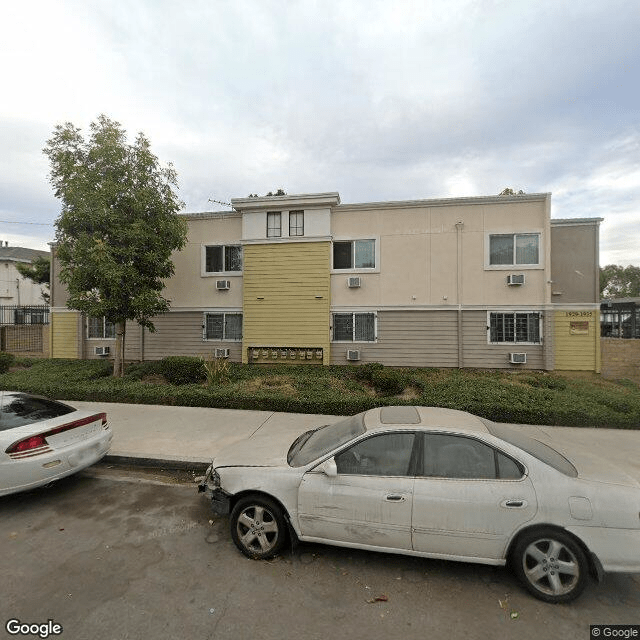
1935 E 122nd St, Compton, CA 90222
To contact a resident: (310) 604-0392
For more information about senior living options: (866) 208-4318
Overall Review of WLCAC Ramona Estate
Cons
 There is no property manager available for residents.
- The office staff member does not speak English in front of residents.
- The situation shows a lack of professional communication and management presence.
Review
Ramona Estate in Compton is best suited for seniors who can tolerate a lighter touch from on-site management and don’t rely on English-speaking staff for daily coordination. The community appears to function with minimal visible leadership, and any resident-facing communication may be strained by language barriers. For families that already have robust in-person help from relatives, friends, or outside caregivers, this setting may still be workable, but it is not ideal for those counting on consistent, proactive administrative oversight.
Those who should consider alternatives are families seeking reliable, bilingual management, predictable problem-solving, and a clearly accountable point of contact. If language clarity and timely responses from a property manager are non-negotiable, this community raises red flags. Prospective residents with complex care needs or anyone who values a tightly run front office should look elsewhere to avoid frustration and potential safety gaps. In short, it’s not a first-choice option for those who require polished, continuous administrative advocacy.
The strongest observable factor here is the presence of an on-site office, yet that minimal management footprint does not compensate for the core shortcoming: the absence of a clearly accessible property manager and a staff culture that does not prioritize transparent communication in English. The single reported review signals a mismatch between resident expectations and the administration’s capacity or willingness to engage in straightforward, language-accessible interaction. That gap is likely to color every routine, from meal planning and activity scheduling to urgent repairs and billing inquiries.
When management is unclear or insufficiently communicative, practical risk accumulates. Maintenance requests may languish, scheduling becomes opaque, and billing questions can create confusion for families paying for care. Safety and emergency responsiveness can feel less reliable when a resident-facing office cannot coordinate effectively with caregivers and medical proxies. These dynamics erode trust and place extra burden on families to fill the oversight void, often requiring constant follow-up and external advocacy to keep the operation aligned with a resident’s needs.
For families evaluating Ramona Estate, a disciplined checklist is essential: request a current property manager’s name and direct contact information; verify language capabilities and whether interpreting support is available; tour with a focus on how issues are tracked and resolved; ask for written policies on maintenance requests, incident reporting, and billing cycles; request a demonstration of how emergency communications would be handled; and speak with residents or their families about responsiveness. If the administration cannot demonstrate clear, timely processes or provide multilingual access, potential residents should walk away or insist on concrete guardrails before moving in.
In the end, Ramona Estate should be approached with caution and viewed as a site to avoid for most seniors unless there is a compelling, practical plan to mitigate the documented management and communication shortcomings. The 1-star rating, coupled with the described language barrier and lack of a dedicated property manager, signals a mismatch for anyone who expects dependable, hands-on administration. Alternatives with proven on-site leadership and clearer communication pathways will typically deliver better peace of mind, stronger accountability, and steadier responsiveness for families navigating care choices in the Compton area.
 Board and Care Home
 Long Beach (Daugherty) (9 miles away)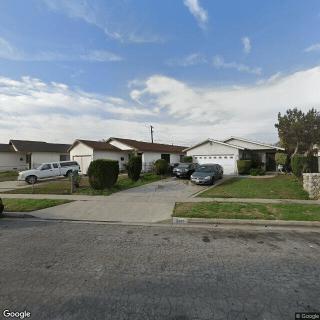
 Personalized care from compassionate staff in a peaceful neighborhood with nearby amenities.


 6 Crucial Ways an Elder Law Attorney Assists Families
 Navigating the Tax Landscape of Caregiving: Credits, Deductions, and Beyond
 Highly Beneficial Low-Impact Exercises for Senior Living Residents