
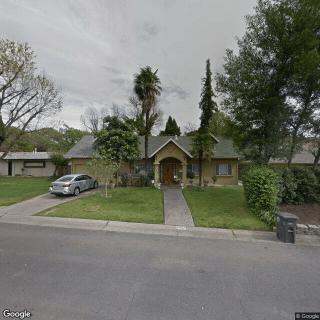
7205 Baranga Drive, Citrus Heights, CA 95621
For more information about senior living options: (866) 208-4318
Best Life Home Care Costs & Pricing
Best Life Home Care offers competitive pricing for its services when compared to both Sacramento County and the broader California market. For a private room, costs range from $2,596 to $3,800, significantly lower than the county average of $3,686 and the state average of $3,939. The semi-private room is priced at a flat rate of $2,800, which not only undercuts Sacramento County's average of $3,106 but also offers substantial savings compared to the state's average of $3,333. For those seeking a one-bedroom option, Best Life Home Care's fee is set at $5,000; while this is higher than both the county's average of $3,758 and California's average of $4,340, it reflects a commitment to quality and personalized care that distinguishes their offerings in the marketplace. Overall, Best Life Home Care presents an appealing balance between affordability and high standards of service within the region.
| Floor plans | Best Life Home Care | Sacramento County | California |
|---|---|---|---|
| Private | $2,596 to $3,800 | $3,686 | $3,939 |
| Semi-Private | $2,800 | $3,106 | $3,333 |
| 1 Bedroom | $5,000 | $3,758 | $4,340 |
Memory care communities with a similar price nearby
-
from +$404 / mo

Love & Care for Elder
$3,000 to $4,500 / month2.1 miles away -
from -$96 / mo

Eastern Manor
$2,500 to $3,000 / month6.7 miles away -
from -$96 / mo

A.R.C. Manor of Folsom
$2,500 to $3,500 / month6.0 miles away -
from +$204 / mo

American River Care Home
$2,800 to $3,000 / month6.6 miles away -
from +$404 / mo

The Pines, A Merrill Gardens Community
$3,000 to $6,000 / month8.7 miles away
Overall Review of Best Life Home Care
Pros
 Chris and Helen were wonderful, kind, and caring toward residents.
- The home is clean, and residents are very well taken care of.
- It feels like a family there, with residents honored for who they are and birthdays celebrated with cake.
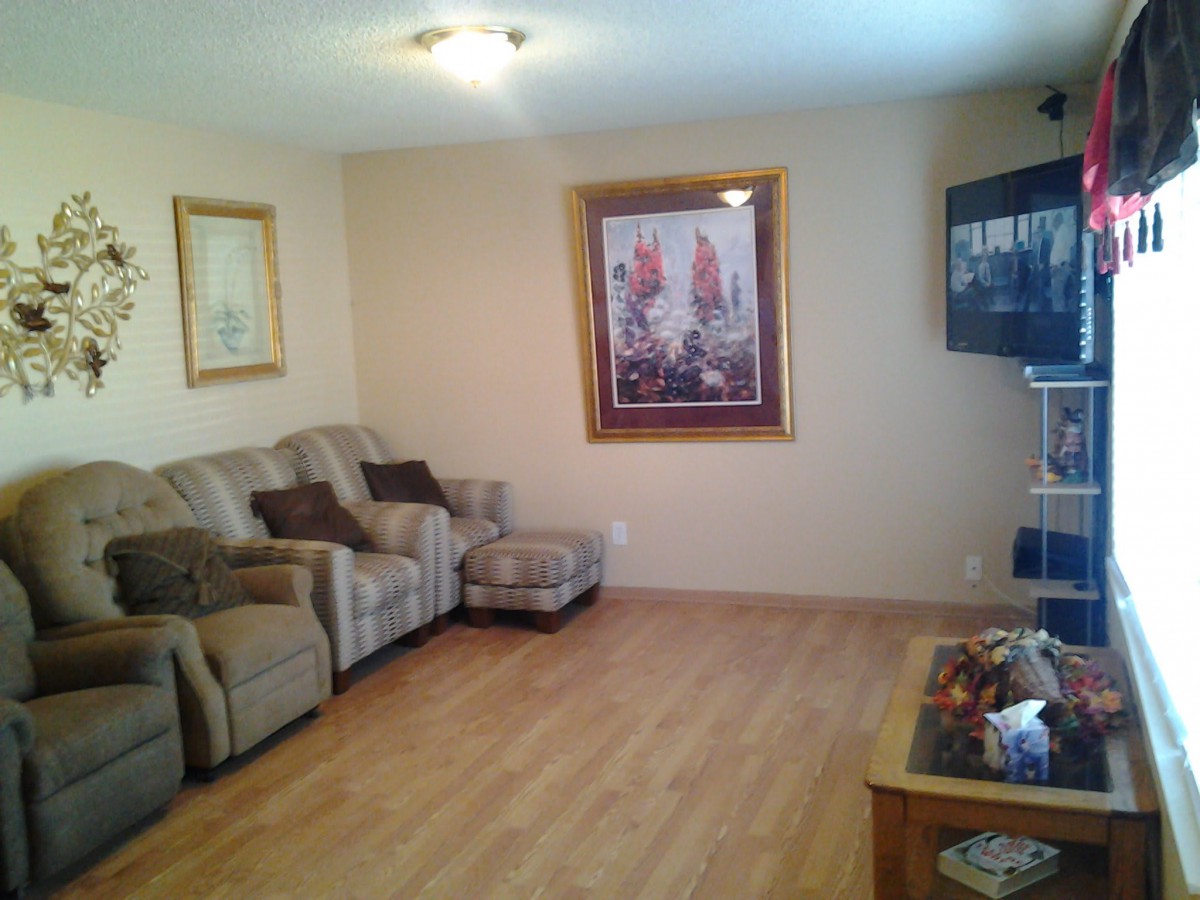
- The home is located in a residential neighborhood with a nice front and backyard, and it is well run, orderly, and clean.
- The primary caregiver, Chris, is a truly loving and caring person.
- Residents are in a family-like environment and are never left in their rooms, with engaging activities.
- The food is absolutely excellent, and the facility has plenty of space for wheelchairs to move around.
- The patio with a little waterfall adds to the pleasant, peaceful atmosphere.
Cons
 They claimed Best Life Home Care overcharged beyond the maximum amount listed online for hospice care, resulting in monthly charges well over the norm.
- They alleged the agency uses undocumented workers and can fire them without notice or just cause, a situation they say happened to a caregiver.
- They heard that residents were left in dirty diapers for long periods without being changed.
- They criticized privacy practices, noting that phone calls were placed on speaker to listen to conversations.
- They stated the facility needs a serious compliance review and would not recommend it to anyone.
Review
Best Life Home Care in Citrus Heights sits best for families seeking a small, home-like setting where residents are treated as part of a warm, ongoing daily routine. It is a good fit for seniors who value a family atmosphere, regular group meals, and social engagement over institutional formality. The central appeal is a palpable sense of care from a dedicated pair of operators who can create routines, decorate for holidays, and celebrate birthdays with a personal touch. For families prioritizing warmth, personal attention, and a comforting, homey vibe, this community can feel like a safe, familiar place where residents are known by name and treated with daily gentleness.
Those who may want to consider alternatives are the same families who insist on transparent pricing, formal staffing standards, and uncompromising privacy and safety practices. If line-item clarity on monthly charges is essential, or there is a need for consistent on-site management and fully documented procedures, the reports suggesting sudden price changes, invoicing irregularities, and turnover in caregivers warrant caution. Prospective residents who require robust regulatory oversight, verifiable staff credentials, and reliable, private communications will want to compare options closely with other local homes that demonstrate steadier administration and stricter compliance records.
On the positive side, the strongest draws are the human connections and the home-like rhythm. The most lauded caregivers are described as genuinely caring, patient, and attentive, with residents who appear happy and engaged rather than isolated in their rooms. The setting feels tidy, intimate, and unhurried, with a front-yard charm that supports casual visits and a sense of familiarity. Families repeatedly note that the environment encourages social participation, with residents out in the living area rather than tucked away, and that meals, celebrations, and routine group activities contribute to a mentally stimulating daily life. In short, the heart of this community is its people and its personal, welcoming pace.
Yet the negatives are substantial enough to demand strict scrutiny before committing. Reports of overcharging beyond published online rates, under hospice circumstances, no less, raise serious questions about financial transparency and contract integrity. The suggestion that undocumented workers are used, with possible unilateral staff changes, creates real concerns about continuity of care and accountability. Privacy issues, such as conversations conducted on speakerphone and intrusive entry into personal spaces, undermine trust and signal a need for stronger boundaries and staff training. Incidents described as residents being left in soiled conditions and inconsistent communication between owners point to operational gaps that can translate into risk, particularly for vulnerable residents or those with complex medical needs.
When weighing these pros and cons, the balance tips toward a cautious, if not selective, endorsement. The warmth and home-like environment can offset some anxieties for families who can tolerate or adapt to potential administrative inconsistencies, especially if they prioritize daily companionship and a close-knit caregiver-resident relationship. However, the weight of financial opacity, privacy concerns, staffing instability, and compliance questions cannot be ignored. For households where meticulous billing practices, dependable scheduling, and strict privacy are nonnegotiable, these red flags may significantly outweigh the benefits of a cozy, family-feel setting.
For families considering this option, take concrete steps before moving in: request a current, itemized price sheet and any hospice-related charges in writing; ask for details on staff recruitment, training, and background checks; insist on private calls and a written protocol for entering residents’ rooms; tour during mealtimes and activities to observe consistency and supervision; speak with multiple families about ongoing experiences; verify state regulatory compliance history and any open investigations; and demand complete receipts and a clear transfer of care plan. If these measures cannot be satisfied, or if privacy, transparency, and stable management remain in doubt, pursue a different path. Best Life is compelling for those who value a heartfelt, small-scale home atmosphere, but it requires careful, disciplined due diligence to ensure it aligns with the family’s standards for care, cost, and conscience.
 6 resident community capacity
 Assisted Living
 Board and Care Home
 Memory Care
 Respite Care
 Activities off-site
 Beautician on-site
 Cable or satellite TV
 Dining room
 Fully furnished
 Garden
 Housekeeping services
 Indoor common areas
 Move-in coordination
 Outdoor common areas
 Private
 Telephone
 Wheelchair accessible showers
 Wi-Fi/high-speed internet available
 Sacramento International (16 miles away)
 24-hour supervision
 Assistance with bathing
 Assistance with dressing
 Assistance with transfers
 Diabetes diet
 High acuity care
 Incontinence care
 Meal preparation and service
 Medication management
 Special dietary restrictions
 Transportation arrangement (medical)
 Transportation to doctors appointments




 Engaging Memory Care Activities That Enhance Quality of Life
 When to Transition from Assisted Living to Memory Care: Key Indicators, Steps, and Finding the Right Community
 Understanding the Distinctions: Assisted Living and Memory Care Explained