
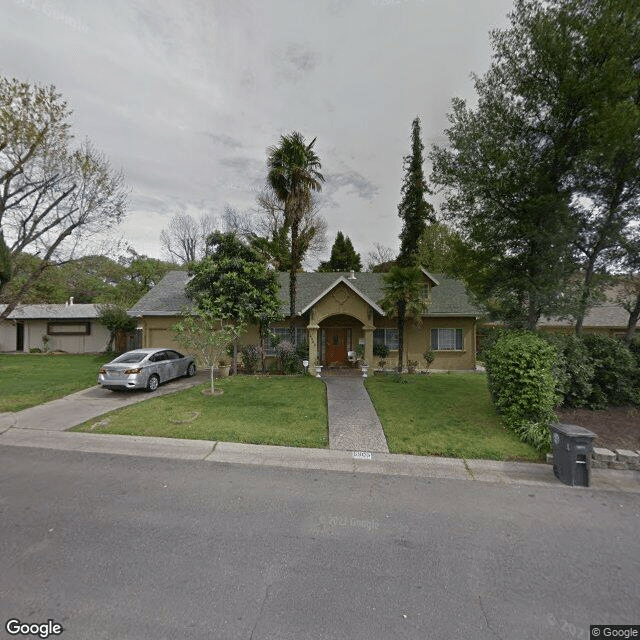
6906 Henning Drive, Citrus Heights, CA 95621
To contact a resident: (916) 728-1338
For more information about senior living options: (866) 208-4318
Golden Ridge Costs & Pricing
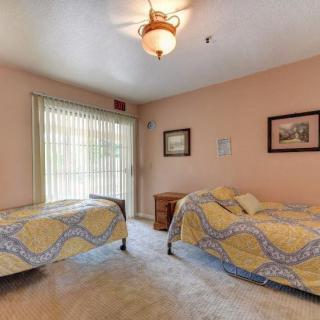
Golden Ridge offers competitive pricing for its accommodations compared to both Sacramento County and the broader California market. The cost of a semi-private room at Golden Ridge is $2,500 per month, significantly lower than the county average of $3,106 and the state average of $3,333. For those seeking more privacy, a private room at Golden Ridge is priced at $2,800, again offering substantial savings in contrast to Sacramento County's average of $3,686 and California's average of $3,939. These rates reflect Golden Ridge's commitment to providing high-quality care while ensuring affordability for residents and their families.
| Floor plans | Golden Ridge | Sacramento County | California |
|---|---|---|---|
| Semi-Private | $2,500 | $3,106 | $3,333 |
| Private | $2,800 | $3,686 | $3,939 |
Senior living communities with a similar price nearby
-
About the same
Sunrise Senior Care
$2,500 to $3,500 / month2.1 miles away -
About the same

Gina's Home Care
$2,500 / month4.7 miles away -
About the same
Lucian Home
$2,500 / month3.0 miles away -
from +$152 / mo

All Care Home Health Svc
$2,652 / month7.3 miles away -
About the same
A Five Star Residence for Seniors
$2,500 to $3,200 / month2.0 miles away
Overall Review of Golden Ridge
Pros
 The place is wonderful.
- The staff are genuinely caring, and the place feels like a home.
- They prepare homemade meals, and his dad loves the food.
- His father has improved so much since being there.
- The food is so good that he looks forward to meals.
- The family is looking forward to bringing him home soon thanks to the great care he is receiving there.
- The place was very nice.
Cons
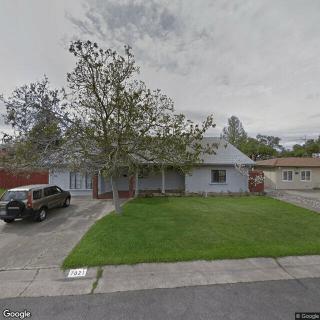
 The reviewer claims that Nancy moved them from a licensed facility to an unlicensed house next door without permission.
- The reviewer was not impressed; the caretaker was not expecting them and could not provide a price.
- The reviewer was told the owner had gone back to her country and would be asked to call, which the reviewer doubted.
Review
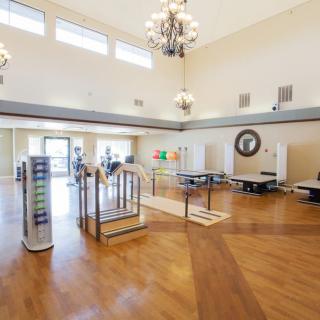
Golden Ridge in Citrus Heights is best suited for families seeking a warm, home-like setting to support short-term recovery after a fall or hospitalization. The emphasis here is on a comfortable, domestic atmosphere and attentive frontline staff, making it a credible option for post-acute care where morale and appetite matter as much as medical oversight. This community tends to appeal to seniors who value homemade meals, personal touches, and a neighborhood feel over a strictly clinical environment. It is less clearly aligned with long-term care standards, formal governance, and transparent pricing, which means alternatives should be on the radar for longer-term needs.
On the upside, the strongest assets lie in the caregiving culture and daily rhythm. Reviews repeatedly highlight staff who are genuinely caring and a setting that feels like home rather than a hospital wing. The meals stand out, homemade dinners that tempt appetite and support recovery, an important factor when someone arrives with reduced eating. A short-term stay can yield tangible gains in strength and mood, with one family noting noticeable improvement after about two weeks as they prepared to bring their loved one home. The overall ambiance, clean, welcoming, and pleasant, also contributes to a smoother recovery trajectory.
Yet significant red flags temper the positives. A resident reports being moved from a licensed facility to a neighboring house that operates without licensing, during a hospitalization, and without consent. Such an incident raises questions about governance, eligibility to operate, and the safeguarding of residentsā€™ rights. Additional remarks point to inconsistent communication and a lack of pricing transparency, with staff unable to provide clear quotes and the impression that ownership changes or departures complicate reliability. Taken together, these concerns undermine confidence in long-term stability and regulatory compliance.
How the positives stack up against the drawbacks depends on the decision context. For a short, supervised recovery where the goal is warmth, morale, and improved appetite, the care culture and homey atmosphere can offset some friction. But the licensing ambiguity and communication gaps are nontrivial, especially for families seeking predictable care plans, documented pricing, and clear pathways for escalation if needs intensify. In practical terms, this means Golden Ridge can work when inspected, confirmed licensed status, and a transparent agreement are in place, yet it cannot be treated as a guaranteed safe long-term residence without closer verification.
Those who should consider alternatives are families prioritizing formal oversight and stability. Look for facilities with verified licenses, consistent management, and transparent pricing, a place where safety protocols, staffing ratios, and care plans are clearly articulated up front. For residents with complex medical needs or longer-term residency, a larger, more regulated community with established procedures is usually a better fit. Prospective movers should demand a face-to-face meeting with the administrator, a formal tour, and written copies of licenses and service agreements. If anything about governance feels unsettled, keeping options open makes sense.
Bottom line: Golden Ridge offers a receptive, homey environment that can support post-acute recovery when the focus is on compassionate care and good meals. The strongest caveat is the governance and transparency risk surfaced by past concerns about licensure and communication. For short-term recovery where oversight can be confirmed and a clear agreement secured, Golden Ridge is worth considering. For long-term residency or residents needing robust clinical oversight, alternatives should be pursued. The prudent path is to visit, ask for license verification, care plans, staffing schedules, and a clear, written price, and compare with other Citrus Heights options before committing.
 Board and Care Home
 Cats allowed
 Dogs allowed
 Private
 Private bathrooms
 Sacramento International (15 miles away)
 Ambulatory care
 High acuity care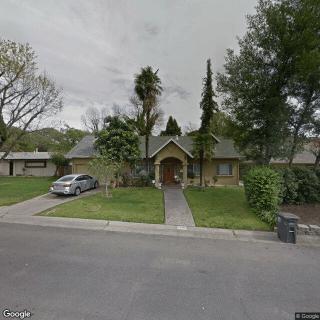


 Home Health Care Aides: Understanding Their Role and Supporting Your Family
 Urinary Tract Infections in Older Adults: Comprehensive Insights on Symptoms, Treatment, and Prevention
 California's Form 602A: An In-Depth Examination of Senior Care Assessment