Dining is consistently described as restaurant-style and enjoyable.
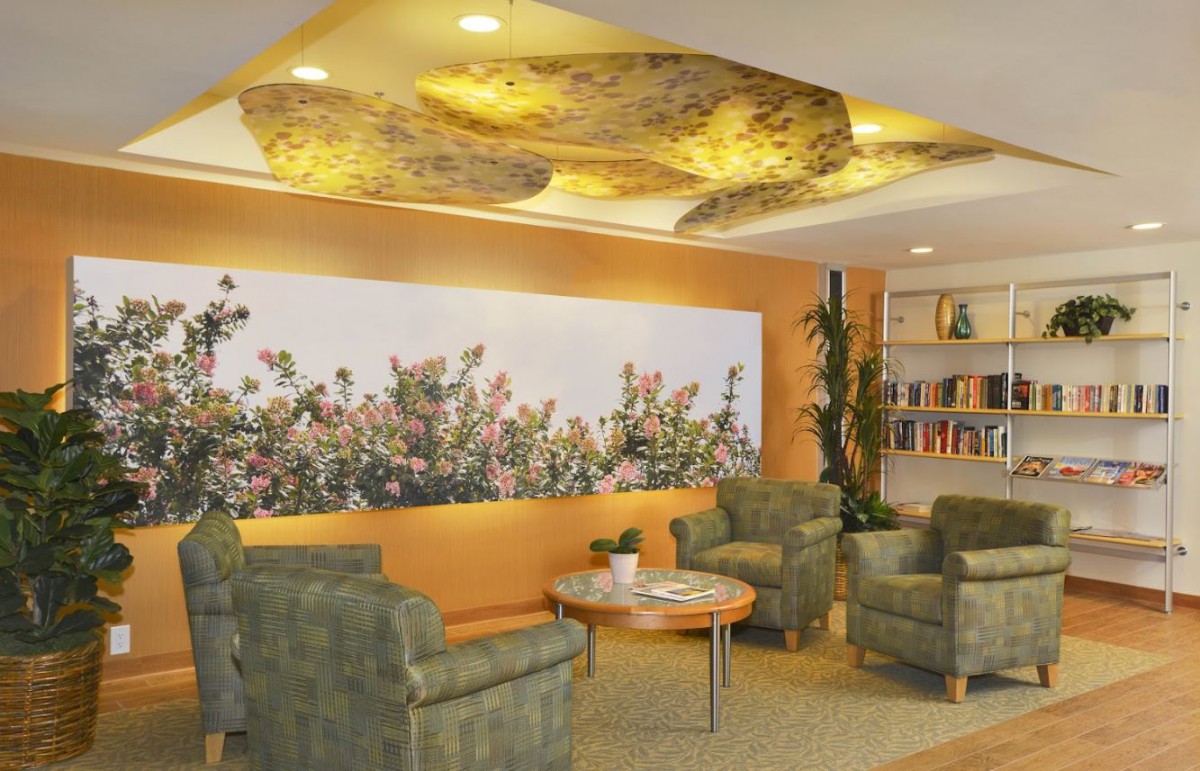
Residents and visitors repeatedly describe meals as a standout, including restaurant-style service and dining rooms they find attractive. Several reviews mention variety at meals and the option for meals to be brought to rooms when needed. A few also specifically call out features like salad bar service and the dining experience as part of what makes the community feel more home-like.
common18 reviews mention this
Care staff respond quickly and follow up
Residents describe staff as helpful, responsive, and caring.
Across reviews, the strongest day-to-day impressions focus on how quickly staff step in and how caring they are described to be. Multiple residents mention follow-up, being “Johnny-on-the-spot,” and staff being friendly and courteous. There is also one negative experience tied to a front-facing contact, but the majority of reviews describe staff as professional and accommodating.
differentiator4 reviews mention this
24-hour help and higher-level options
Residents describe around-the-clock support and step-up care options.
Residents describe 24-hour nursing and a call-system approach for getting help when they need it. Several also mention the ability to move within the community’s care path rather than relocating when needs change. Reviews also reference memory care support and higher-acuity medical support on campus.
common6 reviews mention this
Activities keep residents engaged
The community offers a steady mix of activities and programs.
Reviews describe a range of activities—from exercise programming and discussion groups to social events and scheduled entertainment. Some residents mention community-led or volunteer-supported opportunities like bingo and group meetings. A few reviews also point to transportation and outings as part of how residents stay active.
caveat2 reviews mention this
Some feel isolated from main life
Some residents feel the layout can be isolating during bad weather.
A small number of reviewers say the housing layout can feel distant from the center of activities, especially when weather is poor. One review describes having to go outside in the elements to reach the main building, which they felt would be harder for someone with health issues. Another review echoes the idea that the community feels too far and distant for their preference.
common3 reviews mention this
Nearby shops, dining, and services
Residents mention convenience to local shopping and dining.
Reviews describe the location as close to area shopping and places to go, including references to being in the middle of Chula Vista and having options nearby. One reviewer also mentions being able to drive to the beach and nearby destinations. Along with those comments, the area around the community includes everyday services such as pharmacies and casual dining.
How we summarize
Counts show how many written reviews mention each theme; a review can touch several themes, and only frequently mentioned themes are displayed.
Features
Housing
560 resident community capacity
1-bedroom apartments
2-bedroom apartments
Detached homes
Studio apartments
Types of Care
Assisted Living
Independent Living
Memory Care
Respite Care
Skilled Nursing Facility
Amenities
Air-conditioning
Beautician on-site
Beauty salon
Cable or satellite TV
Computer center
Dining room
Fitness room
Full kitchen
Fully furnished
Gaming room
Garden
Housekeeping services
Kitchenette
Laundry
Move-in coordination
Outdoor space
Private bathrooms
Resident parking
Restaurant-style dining
Small library
Telephone
Wellness center
Wi-Fi/high-speed internet available
Transportation
San Diego International-Lindbergh (9 miles away)
Community operated transportation
Transportation & parking
Transportation arrangement
Transportation arrangement (non-medical)
Transportation to doctors appointments
Care Services
12-16 hour nursing
24-hour call system
24-hour supervision
Activities of daily living assistance
Assistance with bathing
Assistance with dressing
Assistance with transfers
Diabetes diet
Meal preparation and service
Medication management
Mental wellness program
Mild cognitive impairment
Physical therapy
Special dietary restrictions
Specialized memory care programming
Walking wheelchair assistance
Dining
Diabetes diet
Room service
Special dietary restrictions
Activities
Activities off-site
Community-sponsored activities
Concierge services
Fitness programs
Planned day trips
Religious services
Resident-run activities
Scheduled daily activities
Languages Spoken
English
Videos
Nearby Places of Interest
Pharmacies
CVS Pharmacy (1.3 miles)
Walgreens (1.4 miles)
CVS Pharmacy (1.4 miles)
CVS Pharmacy (1.9 miles)
Walmart Pharmacy (2.1 miles)
CVS Pharmacy (2.2 miles)
Walgreens (2.4 miles)
Cafes
Starbucks (1.4 miles)
Kung Fu Tea (2.1 miles)
Starbucks (4 miles)
Copa Vida (6.1 miles)
Ghirardelli Ice Cream And Chocolate Shop (6.4 miles)
Tabac Specialty Coffee & Cigars (6.4 miles)
Starbucks (7.5 miles)
Restaurants
Tacos El Gordo (1.4 miles)
In-N-Out Burger (1.7 miles)
McDonald's (3.6 miles)
Tin Fish Gaslamp (6.1 miles)
Half Door Brewing Company (6.1 miles)
Bub's at the Ballpark (6.1 miles)
New Leaf Restaurant (6.2 miles)
Physicians
California Retina Associates (1.8 miles)
Sharp Rees-Stealy Otay Ranch (5.3 miles)
NBHC Eastlake (6.8 miles)
Internal Medicine Associates (7.9 miles)
Transportation
24th Street Trolley Station (1.8 miles)
Gaslamp Quarter Trolley Station (6.1 miles)
San Diego Santa Fe Depot (7 miles)
Hospitals
Sharp Chula Vista Medical Center Cardiac Rehabilitation (3.9 miles)
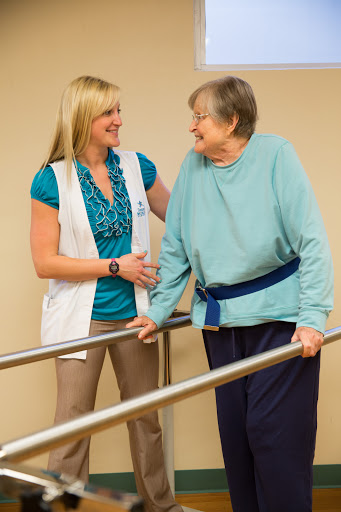
Fredericka Manor's comprehensive array of features is designed to create a supportive and safe environment for residents with dementia or Alzheimer's disease. The 24-hour supervision ensures that residents receive constant care and immediate assistance in case of emergencies, which is critical for their safety. Activities of daily living assistance, including bathing, dressing, and transfers, helps maintain their dignity while promoting independence as much as possible. Meal preparation and service cater to dietary needs while encouraging regular nutrition, which can be challenging for individuals with cognitive impairments. Medication management is vital in ensuring that residents adhere to prescribed treatments, thus enhancing their overall health. The mental wellness program and specialized memory care programming provide tailored activities that stimulate cognitive function and emotional well-being. Additionally, physical therapy aids in maintaining mobility and physical health, further supporting the overall quality of life for those facing mild cognitive impairment or more advanced stages of dementia.
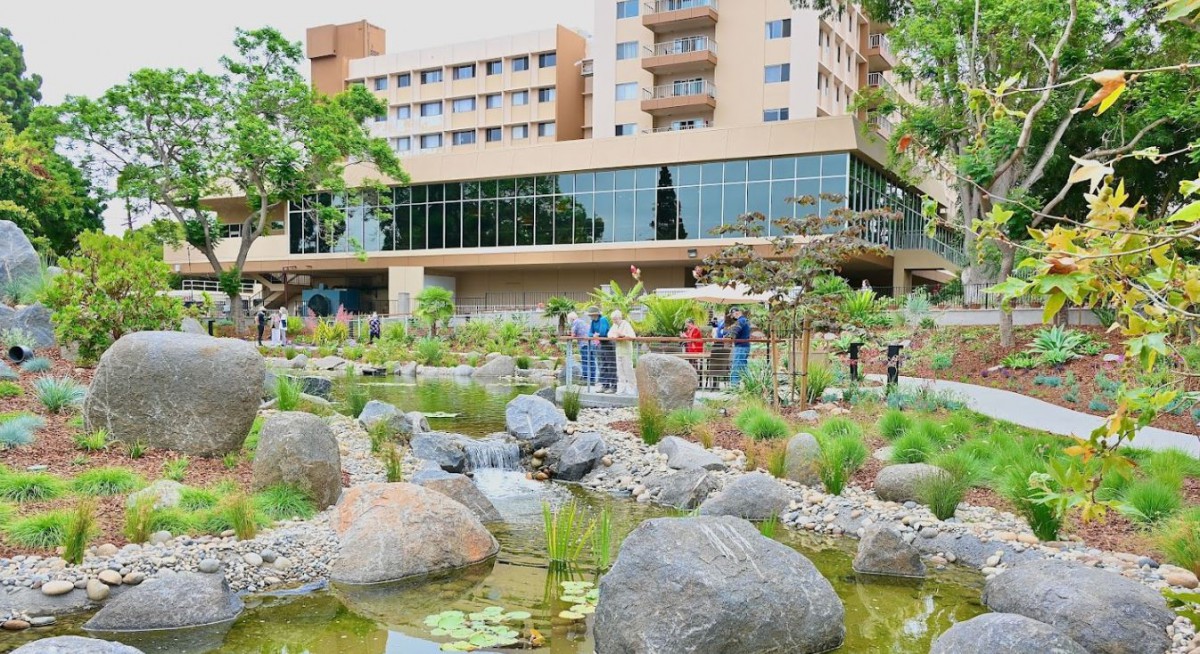
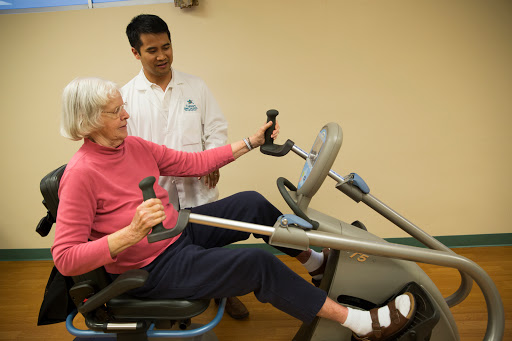
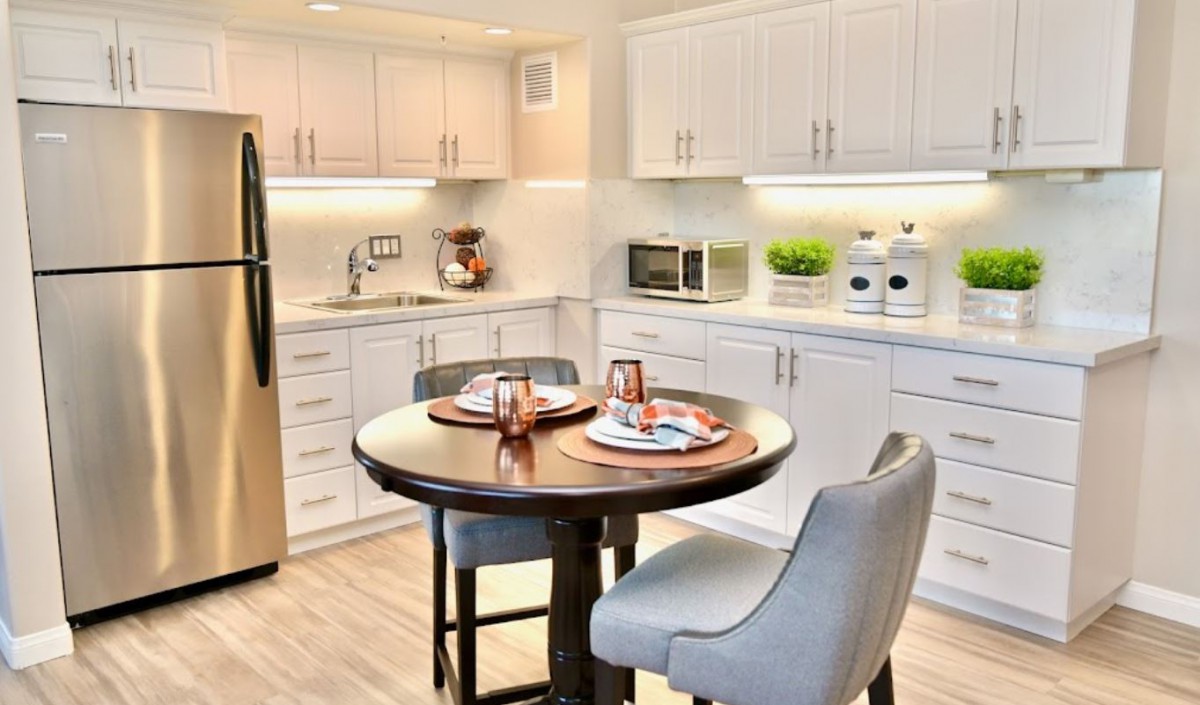
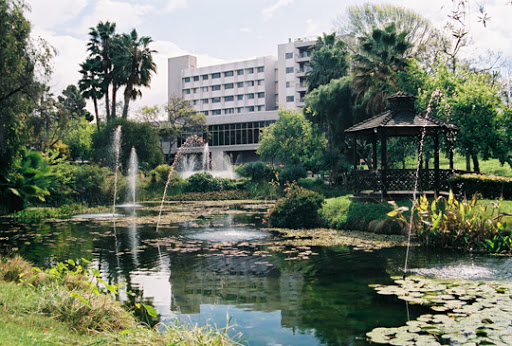
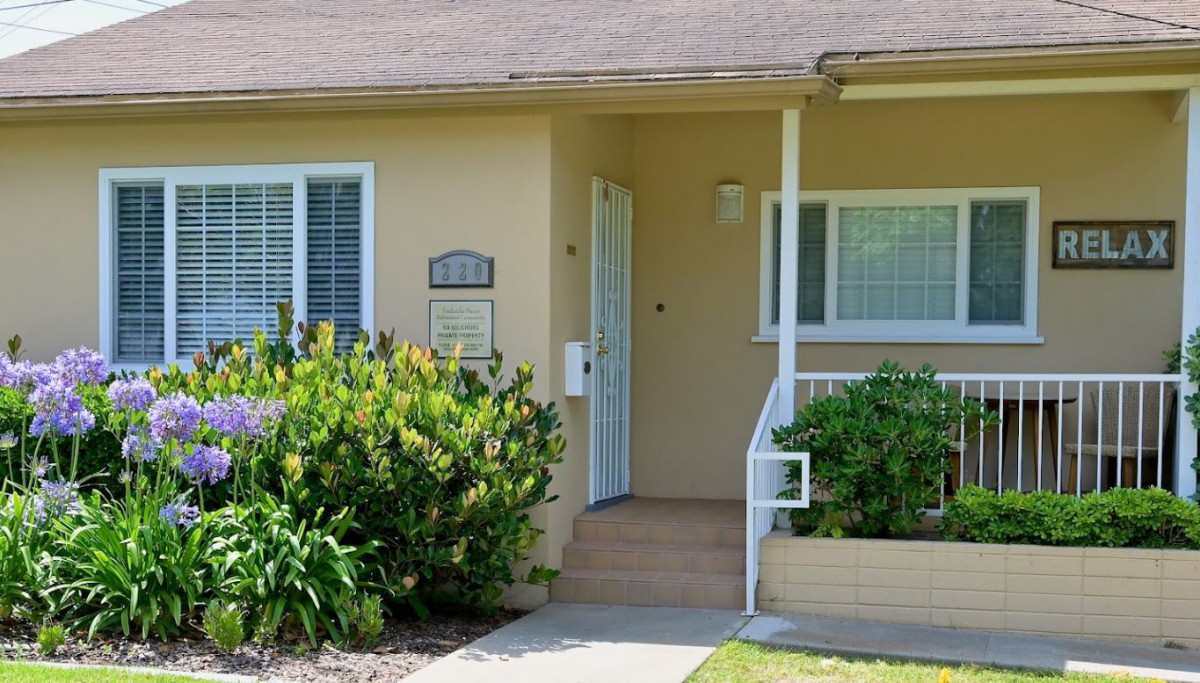
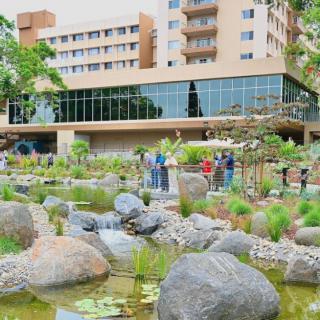
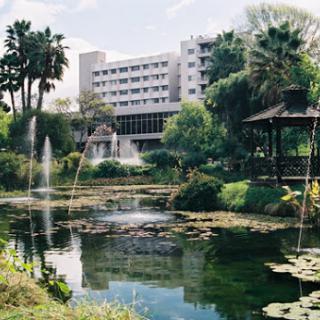
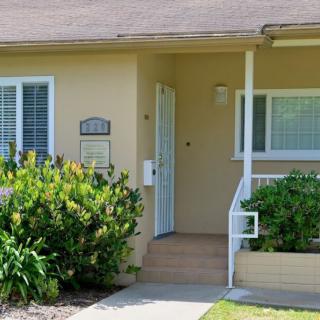
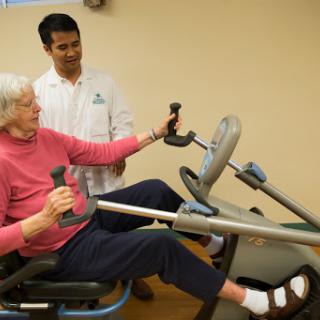
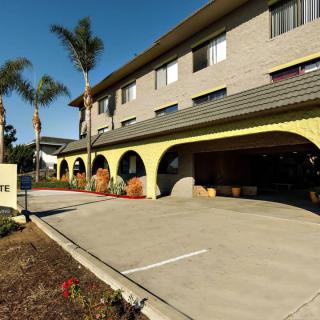
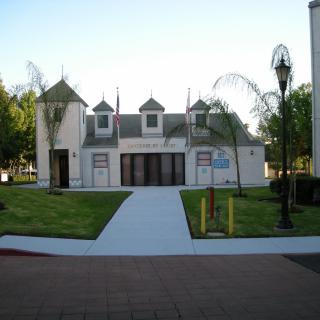
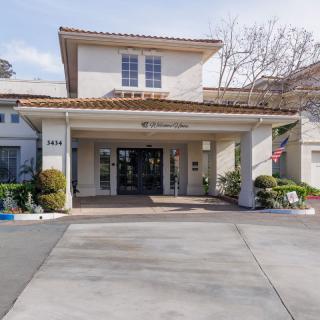
Fredericka Manor on seniors.fyi includes 8 photos including images showing pond, landscaping, nature, interior, building, rehabilitation, garden, kitchen, and more.
Nearby Communities
Fredericka Manor
Chula Vista, CA
4 from 1 review
Vibrant community with dedicated staff and memory/diabetic care options.
Fredericka Manor Care Center
Chula Vista, CA
4 from 54 reviews
Beautiful cottage community with friendly staff and solid dining/amenities.
Pacific Pointe
Chula Vista, CA
3.9 from 80 reviews
$1,695 / month
Affordable pricing with broad amenities and a friendly, engaged community.
Canterbury Court Senior Apartments
Chula Vista, CA
4.4 from 50 reviews
$1,600 to $1,800 / month
Friendly staff and improving management; affordable, well-located independent living.
Congregational Tower
Chula Vista, CA
4.5 from 42 reviews
Excellent access to nearby health services and everyday amenities.
South Bay Post Acute Care
Chula Vista, CA
4.4 from 117 reviews
Long-tenured, caring staff with comfortable rooms and reliable meals.
Hillcrest Manor Sanitarium
National City, CA
5 from 2 reviews
Broad amenities and round-the-clock care with strong social and activity programs.
Pacifica Senior Living Bonita
Chula Vista, CA
4.2 from 100 reviews
$2,695 to $3,095 / month
Friendly, attentive staff and a clean, active community.
Reo Vista Healthcare Center
San Diego, CA
4.1 from 125 reviews
Compassionate staff and strong rehabilitation with an engaging, home?like atmosphere.
Assisted living provides moderate support for seniors seeking independence, while memory care offers specialized support for individuals with dementia or cognitive impairments through structured routines and trained staff. Key differences include care approaches, environment security measures, staff training levels, activity types, and cost considerations.
Choosing between assisted living and nursing homes involves evaluating emotional and financial factors, with assisted living offering independence and support for daily activities at a lower cost, while nursing homes provide intensive medical care for individuals with significant health needs. The decision is influenced by personal preferences, health status, cognitive function, and varying Medicaid coverage across states.
The article presents eight strategies for preserving cognitive health and memory in older adults, emphasizing a nutrient-rich diet, regular exercise, intellectually stimulating activities, adequate sleep, social connections, stress management techniques, limiting harmful substances, and regular medical checkups to mitigate age-related memory decline.
Exercise Equipment, Physical Therapy, and Exercise
Nature
Healthcare and Assistance
Rehabilitation
Get PricingAsk A QuestionSchedule A TourContact Senior Advisor
By clicking submit, you agree to our Partner's Terms of Use. You
also consent to receive calls and texts, which may be autodialed, from our Partner. Your consent is not a condition to
using our Partner's service. Please visit our Partner's Privacy Policy for information about their privacy practices.




 560 resident community capacity
 1-bedroom apartments
 Detached homes
 Assisted Living
 Independent Living
 Memory Care
 Respite Care
 Skilled Nursing Facility
 Air-conditioning
 Beautician on-site
 Cable or satellite TV
 Computer center
 Dining room
 Fitness room
 Full kitchen
 Fully furnished
 Gaming room
 Garden
 Housekeeping services
 Laundry
 Move-in coordination
 Outdoor space
 Private bathrooms
 Resident parking
 Restaurant-style dining
 Small library
 Telephone
 Wellness center
 Wi-Fi/high-speed internet available
 San Diego International-Lindbergh (9 miles away)
 Community operated transportation
 12-16 hour nursing
 24-hour call system
 Activities of daily living assistance
 Assistance with bathing
 Assistance with dressing
 Assistance with transfers
 Diabetes diet
 Medication management
 Mental wellness program
 Physical therapy
 Special dietary restrictions
 Walking wheelchair assistance
 Concierge services
 Planned day trips
 Religious services
 English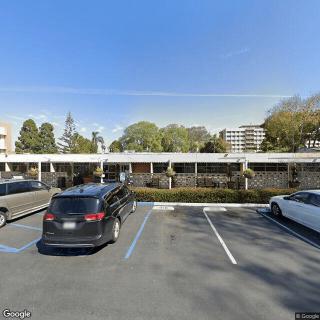
 Vibrant community with dedicated staff and memory/diabetic care options.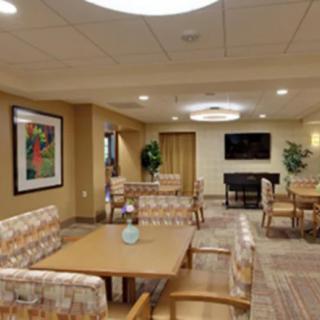

 Assisted Living and Memory Care: Understanding Their Core Differences
 Choosing the Right Senior Care: A Detailed Exploration of Assisted Living and Nursing Homes
 Safeguarding Your Memory Through the Golden Years: Eight Ways to Preserve Cognitive Health