
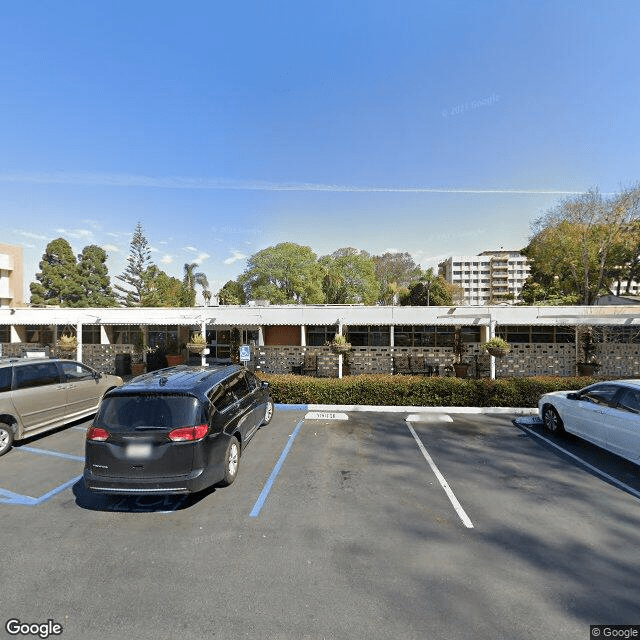
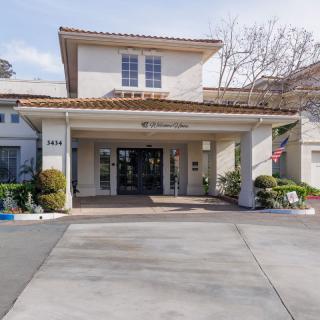
183 Third Ave, Chula Vista, CA 92108
To contact a resident: (619) 205-4100
For more information about senior living options: (866) 208-4318
Overall Review of Fredericka Manor
Pros
 Fredericka Manor is an excellent residence for seniors.
Cons
 They announced that they are closing their Care Center (June 2023).
- This means that residents who need extra assistance will have to move to another place.
Review
Fredericka Manor in Chula Vista is best suited for independent seniors who want a stable, long-standing home and a community that feels like a settled part of daily life. The property’s strongest claim to reliability is its track record: a resident has lived there since 2006, a clear signal of continuity, consistency, and a culture that favors long-term residency over turnover. For seniors who prize a familiar environment, predictable routines, and the comfort of a well-established address, Fredericka Manor delivers.
The principal pro is the sense of home and reliability that comes from years of occupancy and positive reputation. The review describes Fredericka Manor as an excellent residence for seniors, and the decades-long tenure of a family member there underscores a trusted, enduring environment. In practical terms, this translates into stable routines, known staff relationships, and a community where neighbors have shared histories. For families seeking a place where independence is respected and daily life can feel predictable, these are meaningful advantages that reduce the stress of a move.
However, a decisive caveat must steer the decision: the Care Center is closing, with the announcement dating to June 2023. That change fundamentally alters the calculus for anyone whose care needs may increase or who anticipates requiring on-site assisted living, memory care, or skilled nursing in the future. For residents who may need ongoing extra help, Fredericka Manor will no longer be able to provide that level of on-site support, and relocation will become a near-term necessity. This is not a minor item; it redefines the functional fit of the community for a sizable portion of prospective residents.
The key pros, the stable, home-like atmosphere, and the long-standing trust embedded in the community, do offset certain concerns for independent-minded seniors who do not anticipate future care needs. A strong sense of continuity can translate into fewer disruptive moves, more consistent social ties, and a calm, predictable daily rhythm. Yet the same strengths become limitations for those who eventually require on-site care: the absence of in-place assisted living means the most important advantage (convenient, on-site support) is no longer available. In short, the positives support a solid independent-living choice, while the major con restricts the community’s usefulness once care needs rise.
For families weighing Fredericka Manor, practical next steps are essential. Confirm current independence status and whether any on-site care services remain through third-party arrangements or partnerships. Map out a clear plan for potential future care shifts, including transfer options to nearby communities that offer integrated assisted living or memory care. Investigate nearby facilities with comparable senior housing quality but with on-site care options, and demand transparent timelines, transition assistance, and any available referrals. This due diligence protects against overreliance on a setting that may no longer match evolving needs.
In the end, Fredericka Manor offers a compelling choice for independent seniors who prize stability, a well-rooted community, and a straightforward, low-stress living experience in Chula Vista. It is less suited for residents who foresee needing ongoing on-site care or who require a continuum of care within the same campus. Alternatives that provide on-site assisted living or continuing-care arrangements should be seriously considered for anyone with even a moderate expectation of increased care needs. The decision hinges on future care expectations: if independence is the central aim, Fredericka Manor remains persuasive; if evolving care is likely, explore options with integrated care to avoid disruptive moves later.
 Assisted Living
 Independent Living
 Memory Care
 Activities on-site
 Devotional services off-site
 Indoor common areas
 San Diego International-Lindbergh (9 miles away)
 Ambulatory care
 Diabetic care
 Meals provided

 Why Do Dementia Patients Sleep So Much? Understanding Oversleeping, Stages, and Care Approaches
 8 Key Indicators That Suggest It May Be Time to Transition from Assisted Living to Skilled Nursing Care
 Nourishing the Mind: Essential Dietary Approaches for Dementia