
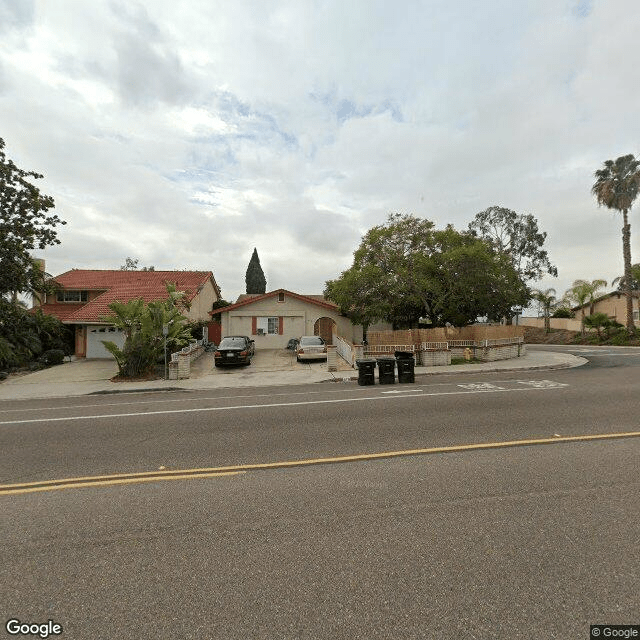
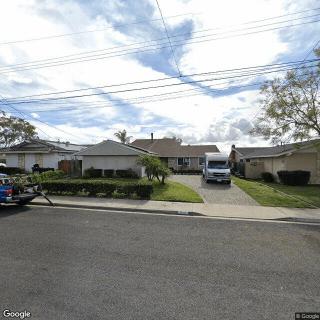
678 E J St, Chula Vista, CA 91910
To contact a resident: (619) 203-4727
For more information about senior living options: (866) 208-4318
Erachel Board and Care #4 Costs & Pricing
Erachel Board and Care #4 presents a compelling value for those seeking assisted living options, particularly when compared to the costs typical of both San Diego County and the broader California region. For semi-private accommodations, Erachel's monthly fee of $1,800 stands in stark contrast to the county's average of $3,518 and the state average of $3,333. Similarly, their private room rate of $2,800 is notably lower than both the county and state rates, which align at $3,939. This pricing strategy not only highlights Erachel's commitment to providing quality care at an accessible price point but also positions it as an attractive alternative within a competitive market.
| Floor plans | Erachel Board and Care #4 | San Diego County | California |
|---|---|---|---|
| Semi-Private | $1,800 | $3,518 | $3,333 |
| Private | $2,800 | $3,939 | $3,939 |
Senior living communities with a similar price nearby
-
from +$200 / mo
Emmaus Care I
$2,000 to $5,000 / month19.6 miles away -
About the same
Canyon Hill Senior Home
$1,800 to $2,000 / month21.0 miles away -
About the same
Paradise Valley Manor
$1,850 to $2,800 / month4.4 miles away -
from -$301 / mo

Casa Aldea at University City Village
$1,499 to $1,799 / month17.6 miles away -
from +$200 / mo
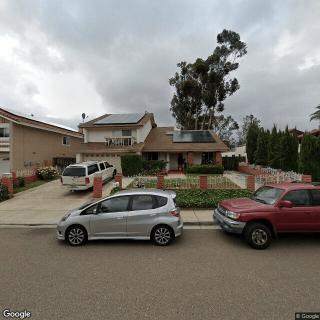
Tierrasanta Vernanel Care Home
$2,000 to $2,500 / month13.4 miles away
Overall Review of Erachel Board and Care #4
Pros
 The reviewer is very pleased with the overall experience.
- The overall experience left the reviewer with a positive impression.
Cons
 He was not pleased with the total monthly cost.
- He was charged an additional $1000 per month for care of a catheter and a hip wound.
- He thought the additional cost was extremely excessive.
Review
Erachel Board and Care #4 in Chula Vista, CA is best suited for families seeking an intimate, home-like board-and-care setting where daily attentiveness and a steady, caregiver-led routine translate into reliable day-to-day support for an aging loved one. A single reviewer awarded four stars, noting general satisfaction with the overall experience and the quality of the daily care. That balance suggests a calm, predictable environment, where residents likely benefit from consistent staff and a smaller, more personal setting compared to larger communities. For families prioritizing warmth, ease of access to caregivers, and straightforward oversight, this community can be an appealing fit.
Conversely, this option may not be ideal for those who require robust on-site medical oversight or operate within strict budget constraints. The small, single-facility scale often means fewer on-site medical resources and less access to a broad array of therapies than larger assisted living environments or dedicated skilled-nursing facilities. If a loved one needs frequent physician visits, advanced wound care, or specialized rehabilitative services, the limited medical footprint could necessitate external arrangements or a move to a more medically integrated setting. Budgets that demand predictability and minimal surprises may also push families toward alternatives with transparent, all-inclusive pricing.
The reported positives point to a generally pleasing experience that centers on the daily lived reality of residents. The reviewer’s impression of the overall experience points to dependable routines, responsive staff, and a household-like atmosphere that reduces the friction and impersonality often found in bigger facilities. Those factors matter when easing transitions for seniors who crave familiarity and steady human contact. In practical terms, a well-run, intimate setting often translates to quicker responses to needs, more personalized attention, and a sense of security that strengthens peace of mind for families. These strengths, however, must be weighed against the cost structure to determine true value.
The core drawback is cost, namely a noticeable $1,000-per-month surcharge tied to catheter and hip wound care. That add-on markedly raises the monthly expense and represents the primary con to balance against the favorable day-to-day experience. Families should demand a transparent breakdown of what triggers such charges, whether they apply to all residents or only specific medical needs, and how long extended care services will be billed at that rate. The absence of clarity around inclusions can erode perceived value, even when the quality of care is solid. Actionable steps include requesting an itemized bill, a formal care plan detailing the required interventions, and a written forecast of charges over time.
For decision-making, insist on a concrete, written cost contract and an updated assessment of care needs before move-in. Tour the home with a checklist focused on staff-to-resident ratios during peak hours, the availability of licensed nursing oversight, medication management, and the facility’s protocol for wound and catheter care. Speak with current families about responsiveness and stability of care, and compare with nearby communities to gauge relative value. If the loved one is unlikely to avoid these specialized medical charges long-term, allocation of resources toward an option with more inclusive pricing or stronger medical infrastructure may be prudent.
In the end, Erachel Board and Care #4 delivers a dependable, personable environment that can suit seniors who prize intimacy, routine, and steady caregiver access. The decisive factor remains cost clarity and budget impact. When the add-on charges for catheter and wound care align with a family’s financial flexibility and care expectations, the overall package presents a compelling, practical choice. If any doubt exists about long-term medical needs or affordability, exploring alternative communities with clearer, all-inclusive pricing or richer medical support is a prudent, prudent course.
 Board and Care Home
 Private
 Private bathrooms
 San Diego International-Lindbergh (11 miles away)
 Ambulatory care
 Diabetic care





 Understanding the Nuances of Palliative Care and Hospice: A Comprehensive Exploration
 Fecal Incontinence in Older Adults: A Comprehensive Guide
 Nurturing Well-Being Through Gardening: A Detailed Guide for Senior Enthusiasts