
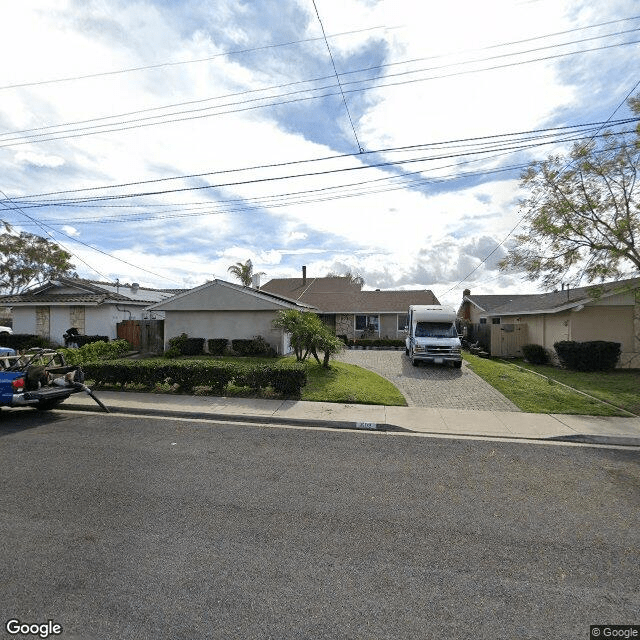
508 Berland Way, Chula Vista, CA 91910
For more information about senior living options: (866) 208-4318
Berland Home Care II Costs & Pricing
Berland Home Care II offers competitive pricing for its services compared to the broader market in San Diego County and across California. For semi-private accommodations, residents can expect to pay $2,500 per month, significantly lower than the county's average of $3,518 and the state average of $3,333. Similarly, both one-bedroom and private room options at Berland Home Care II are priced at $3,000, which also undercuts the higher costs observed in San Diego County ($4,315 for one-bedroom) and matches the statewide figure ($3,939 for private rooms). Overall, Berland Home Care II presents a cost-effective choice for individuals seeking quality care without compromising their financial peace of mind.
| Floor plans | Berland Home Care II | San Diego County | California |
|---|---|---|---|
| Semi-Private | $2,500 | $3,518 | $3,333 |
| Private | $3,000 | $3,939 | $3,939 |
| 1 Bedroom | $3,000 | $4,315 | $4,340 |
Memory care communities with a similar price nearby
-
from +$350 / mo
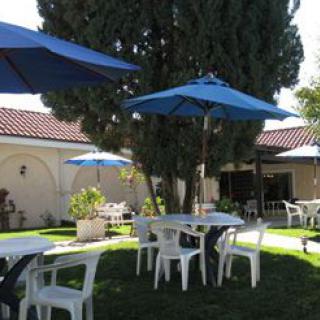
Alpine View Lodge
$2,850 to $3,550 / month20.0 miles away -
from +$300 / mo
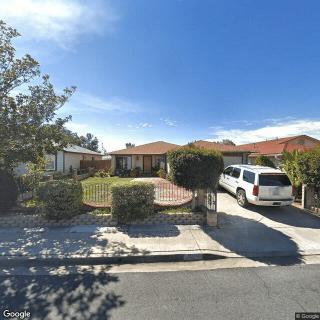
Carecenter at Home for Elderly
$2,800 to $3,500 / month4.1 miles away -
from +$435 / mo
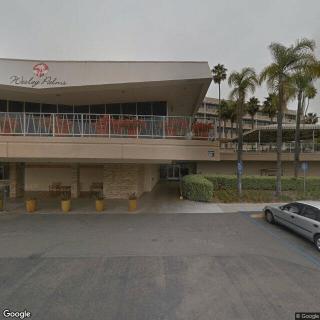
Wesley Palms
$2,935 to $6,320 / month16.5 miles away -
from +$495 / mo

Westmont at San Miguel Ranch
$2,995 to $5,995 / month4.6 miles away -
from +$250 / mo
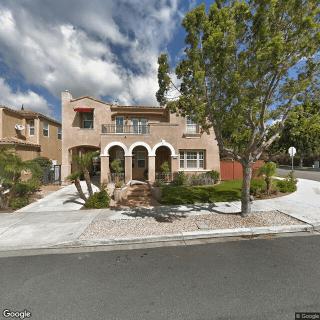
Easy Living @ Torrey Del Mar
$2,750 to $3,750 / month24.2 miles away
Overall Review of Berland Home Care II
Pros
 The staff and facility are terrific.
- The mother is very happy with her stay.
- The food smells delicious.
- The mother loves participating in activities.
- Videos of the mother doing karaoke and playing games are enjoyable to watch.
- Dennis is very friendly.
- Visitors are made to feel welcome.
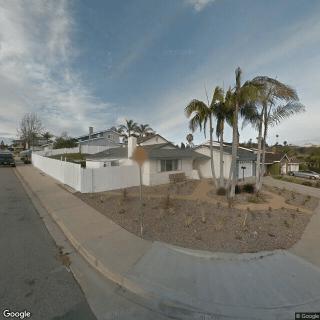
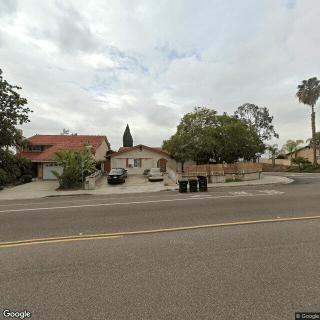
- The house is in a nice neighborhood with a patio and flowers, and activities often take place on the patio.
Cons
 Life is more restricted than at Assisted Living but they also have closer supervision as their mobility declines.
Review
Berland Home Care II in Chula Vista is best suited for families seeking a small, home-like board-and-care setting where seniors receive close supervision, frequent personal attention, and transparent family updates. This is the model for whom a highly personalized environment matters more than sprawling amenities: a senior who benefits from direct caregiver contact, a quieter daily rhythm, and the reassurance that daily routines are carefully watched and adjusted as mobility changes. It’s particularly well-matched for residents who value being in a neighborhood-style house with easy access to outdoor space and a family-like atmosphere, rather than a large, formal campus.
Those who may want to consider alternatives include families pursuing broader programming, more independence, or specialized care. If a supervising team must include on-site clinicians, regular rehab services, or memory-care-specific programming, a larger assisted living community or a facility with dedicated memory care may fit better. Similarly, if routine social events, trips, on-site beauty or spa services, or a broader buffet of meal options are priorities, a bigger campus could deliver more variety. For seniors whose needs are edging toward skilled nursing, short-term rehab, or complex medical management, exploring options with licensed clinical oversight will be prudent.
The strongest positives here, friendly, responsive staff; owners who listen and adjust to requests; and a tangible sense of home, form a robust offset to the inherent limits of a smaller setting. The two connected homes with a common backyard create a sense of neighborhood rather than residence-hall anonymity, and walking paths plus a flower-filled patio offer inviting spaces for daily rhythms that matter to families. Updates are a practical lifeline for families watching from afar, with caregivers providing daily notes and owners proactively communicating adjustments. The overall cleanliness and easy parking are practical, stress-reducing factors that reinforce trust in the operation.
What makes these advantages most persuasive is how they compensate for the more restricted lifestyle compared with larger Assisted Living. The personal attention translates into quick responses to concerns, smoother transitions during moves, and a visible emphasis on keeping residents engaged through activities on the patio and in small-group settings. The close supervision accompanying mobility decline means fewer gaps in care and more consistent monitoring, which can be a major relief for families who want reassurance that their loved one is being watched and supported throughout the day. In short, the intimate scale becomes a leverage point for safety, communication, and continuity of care.
Still, the scale itself frames the trade-offs. Expect fewer high-energy events, limited on-site rehab options, and a gentler pace of life that may not satisfy everyone’s appetite for variety or independence. Prospective residents should ask pointed questions about staffing ratios, availability of specialized services, meal customization, and how activity offerings evolve as needs change. It is wise to assess whether the home’s layout and the two-house arrangement will accommodate future mobility shifts or increasing caregiving needs. A candid discussion with the owners about long-term plans, crisis coverage, and contingency protocols will illuminate whether Berland’s model aligns with the anticipated trajectory.
Ultimately, Berland Home Care II delivers a compelling proposition for families prioritizing intimate, hands-on care in a warm, home-like environment. For seniors who thrive on personal connections, predictable routines, and transparent communication, this setting can feel like stepping into a trusted extended family. For those who require more independence, broader amenities, or specialized clinical services, alternatives at larger, more resource-rich communities will likely be a better fit. The decision hinges on balancing the comfort and attentiveness of a small, closely watched home with the resident’s desired level of activity, autonomy, and medical support.
 6 resident community capacity
 Assisted Living
 Board and Care Home
 Memory Care
 Respite Care
 Activities off-site
 Cable or satellite TV
 Dining room
 Fully furnished
 Garden
 Housekeeping services
 Move-in coordination
 Outdoor space
 Private
 Telephone
 Wi-Fi/high-speed internet available
 San Diego International-Lindbergh (11 miles away)
 24-hour supervision
 Ambulatory care
 Assistance with bathing
 Assistance with dressing
 Assistance with transfers
 Diabetes diet
 Incontinence care
 Meal preparation and service
 Medication management
 Special dietary restrictions
 Transportation arrangement (medical)
 Transportation to doctors appointments



 How to Communicate with a Loved One Living with Dementia: 10 Supportive Strategies
 Comprehensive Guide to VA Nursing Homes: A Crucial Long-Term Care Resource for Veterans
 Estimating the Expenses of At-Home Dementia Care: A Detailed Exploration