



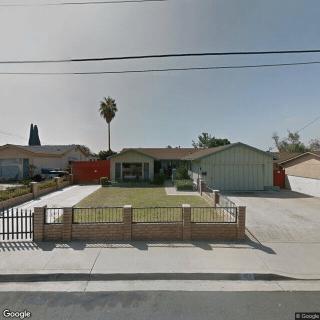
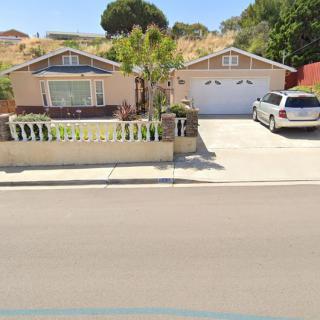
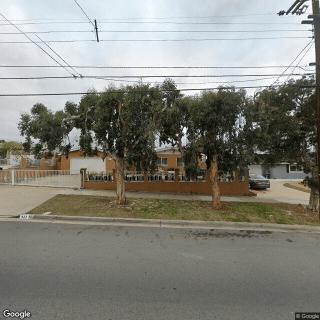
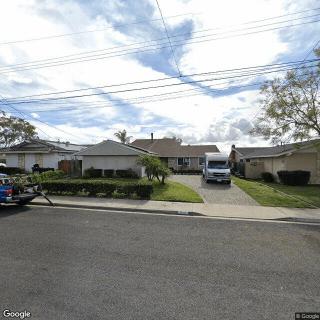
1081 Oleander Avenue, Chula Vista, CA 91911
For more information about senior living options: (866) 208-4318
Overall Review of Household Of Faith
Pros
 The pastors are amazing and always good to the family.
- They provide great preaching and teaching of the Word, with awesome praise and worship, in a warm and friendly church family.
- The ministry walks in love toward anyone and believes in the power of the Holy Spirit to show up and teach.
- They intercede for healing when prayer is needed.
- It is good ground to sow into, with the promise of a return on giving.
- The pastors deliver an awesome word every time, and guests leave feeling changed.
- It is truly a family of faith where love and warmth abound.
- Pastor Orlando and Pastor Elizabeth are loving and knowledgeable, creating a welcoming environment where Bible teachings are understood and retained.
- The church is described as the best by far, with mentors who spread God’s word and help people grow in faith.
- It has helped individuals find sobriety and faith through its supportive community.
Cons
 The reviews provided are positive and do not contain third-person negative statements.
Review
This community is best suited for seniors who want a faith-centered, family-like living environment where spiritual life is not optional but foundational. Household Of Faith in Chula Vista presents a warm, church-first culture anchored by pastors who are described as loving, knowledgeable, and deeply invested in the well-being of their flock. The 4.7 overall rating from 25 reviews reinforces a pattern of strong personal connections, welcoming atmospheres, and meaningful opportunities to engage in worship, prayer, and biblical teaching. For residents who measure daily life by the presence of a supportive faith community, this setting can deliver a sense of belonging, purpose, and ongoing spiritual growth that many care deeply to preserve in late life.
That said, there are clear reasons some families will want to consider alternatives. If a senior’s needs include consistent licensed medical oversight, round-the-clock supervision, or a structured care plan that covers medications, mobility assistance, and memory support, a traditional licensed assisted living facility may be a better match. The materials available focus on spiritual nourishment, fellowship, and pastoral guidance more than on medical or everyday-care logistics. For residents who prefer a secular or non-church-based environment, or who require a broader menu of health and daily living services, exploring other options is prudent to avoid gaps between faith-centered programming and practical care needs.
The strongest positives here are the powerful social and spiritual benefits. Residents can expect a palpable sense of community, where warmth, mutual support, and a shared faith create a supportive ecosystem. The pastors’ leadership, characterized as loving, engaging, and capable of guiding discussions and prayer, can significantly reduce isolation and promote emotional resilience. The strong emphasis on teaching, worship, and intercessory prayer adds a meaningful dimension to daily life, giving residents a clear source of encouragement, accountability, and personal growth. When these pros align with a resident’s desire for regular spiritual practice, they can offset many feelings of loneliness or disengagement.
However, the main drawbacks center on care-intensity gaps and logistical uncertainties. The materials do not show evidence of on-site medical staff, licensed nursing, or formal memory-care programming, nor is there detailed information about meals, housekeeping, transportation, or safety features typical of senior living communities. For seniors who require consistent medication management, fall prevention support, or 24/7 supervision, these questions must be answered explicitly before move-in. The faith-centric model, while deeply motivating for many, may also feel limiting to those who want a broader range of recreational, recreational-social, or therapeutic options beyond worship and faith-based activities.
To decide wisely, approach Household Of Faith with a practical checklist. Confirm whether the facility holds appropriate licensing for the level of care needed and whether medical oversight is available on-site or through partners. Clarify what daily living supports are included (personal care, medication administration, mobility assistance), meal programs, housekeeping, laundry, transportation, and safety measures. Visit with current residents and families unafraid to ask about how well faith-based programming is integrated with everyday caregiving, and inquire about opportunities for private worship, study groups, and pastoral counseling. Finally, assess whether the financial model aligns with long-term care planning and whether any gaps in care can be bridged through community resources or separate licensed services.
For seniors prioritizing faith, belonging, and spiritual nourishment, Household Of Faith offers a compelling, value-rich environment that can make late-life days feel meaningful and connected. The decisive caveat is that this setting may not meet every medical or everyday living need without supplemental arrangements. If the priority is a living community that blends robust pastoral leadership with comprehensive, licensed care, it is wise to consider additional options, both faith-based and secular, that provide full medical oversight, diverse activities, and proven safety and care infrastructures. In the right match, this community becomes a powerful catalyst for sustained purpose and peace; in others, it serves best as a complementary piece of a broader housing-and-care plan.
 6 resident community capacity
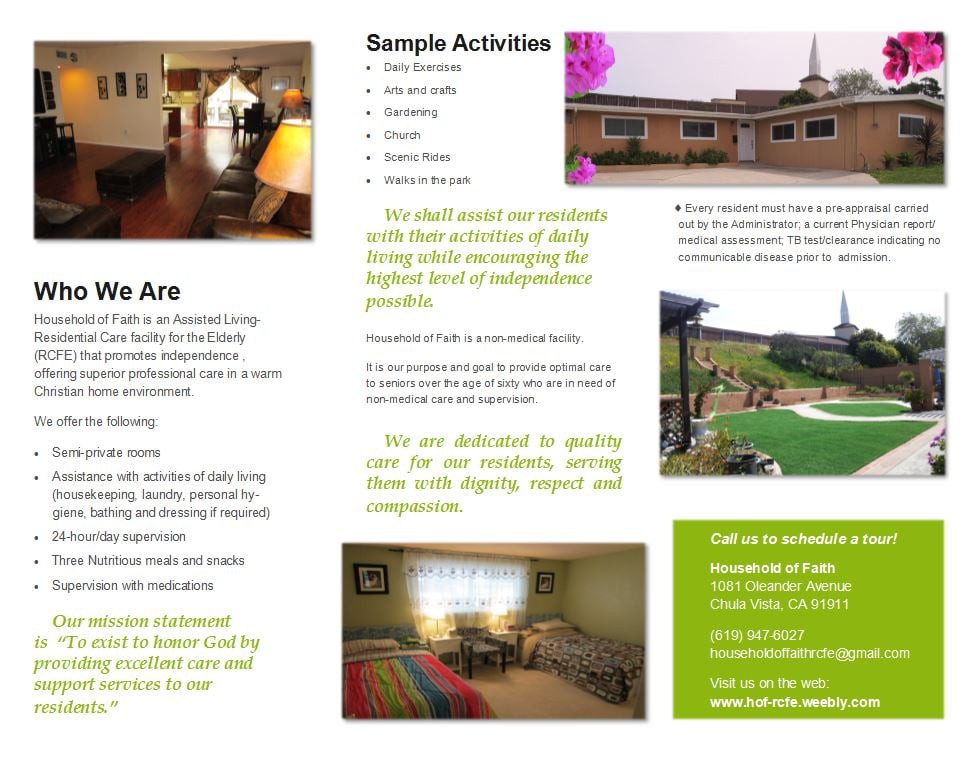
 Assisted Living
 Board and Care Home
 Cable or satellite TV
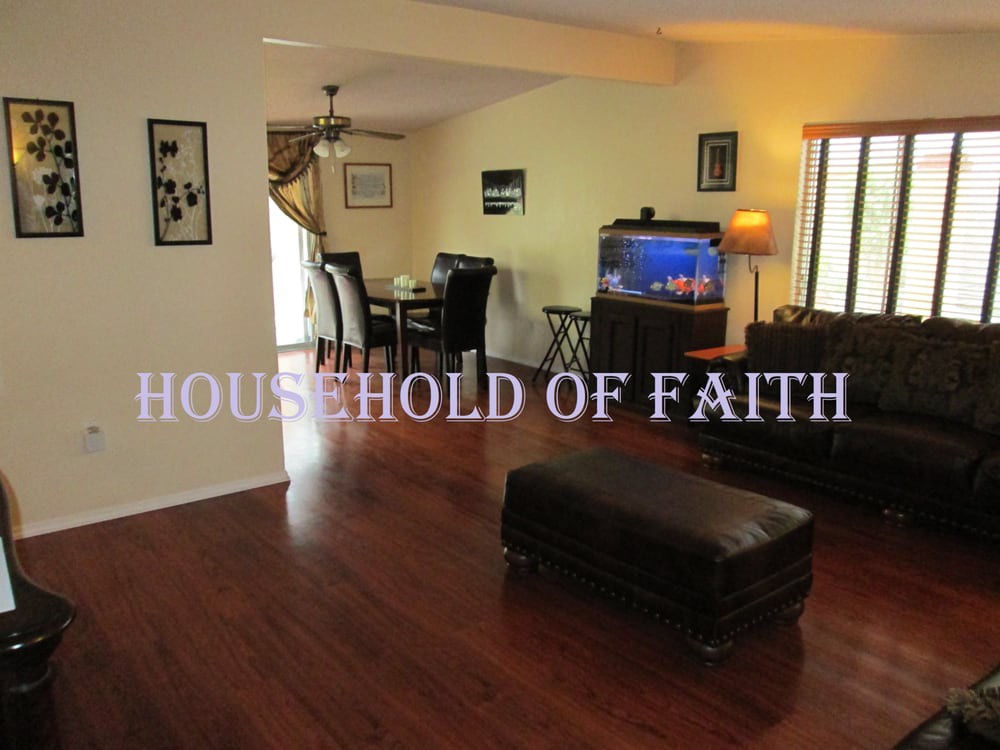
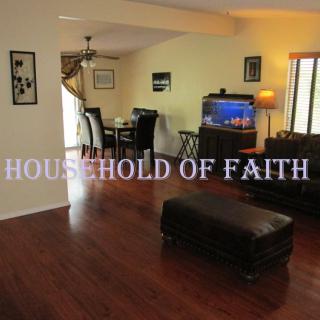
 Dining room
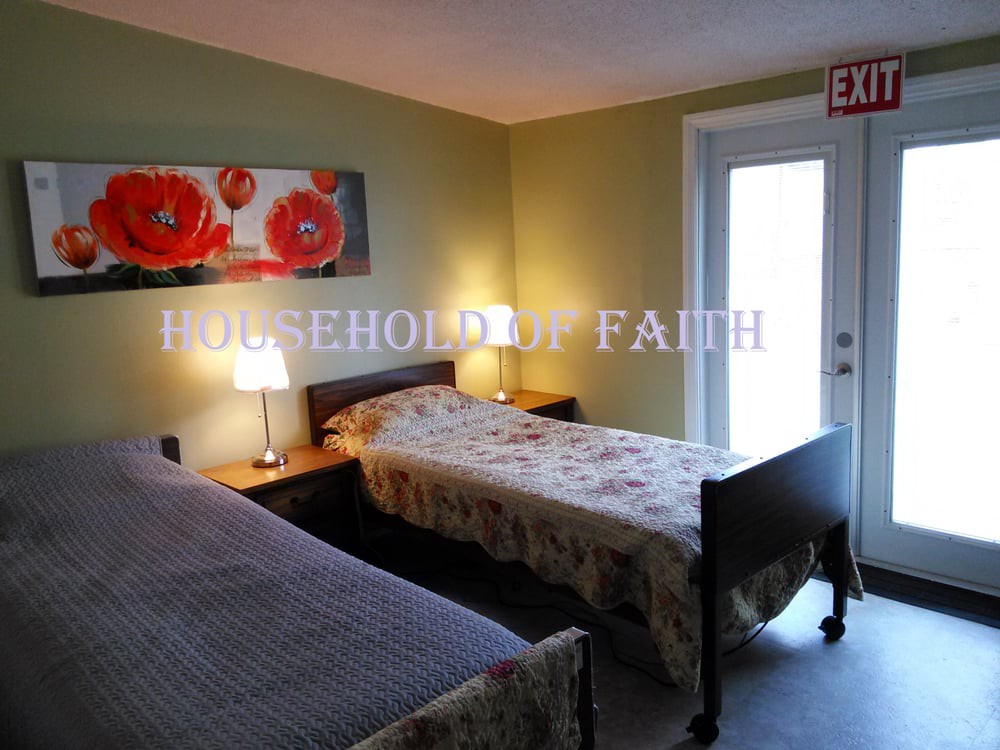
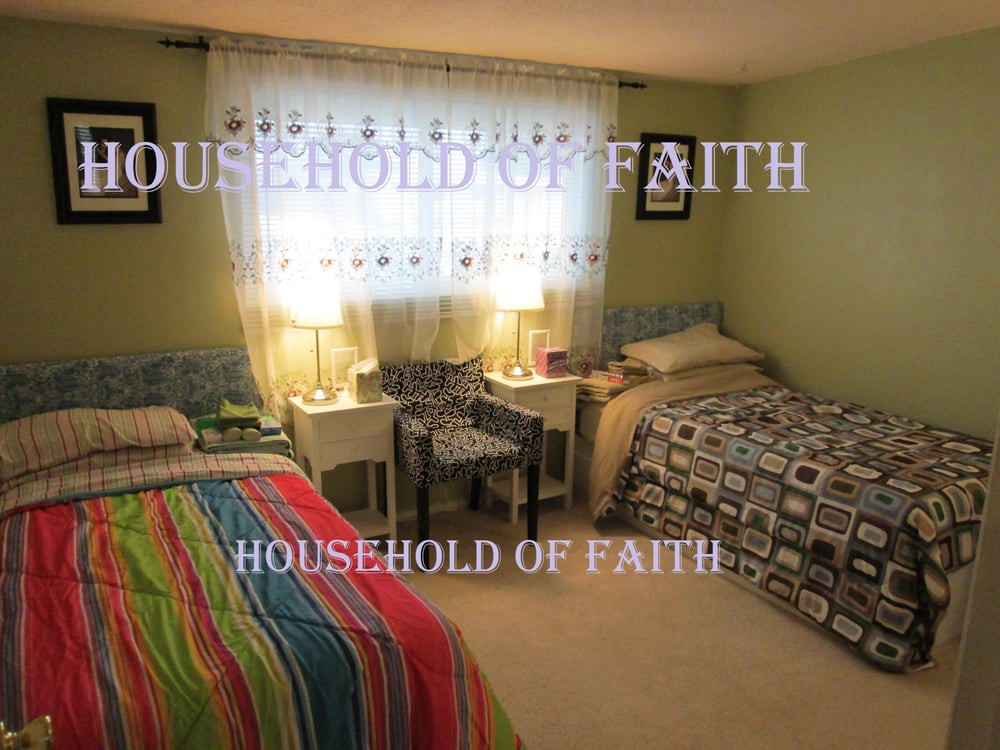
 Fully furnished
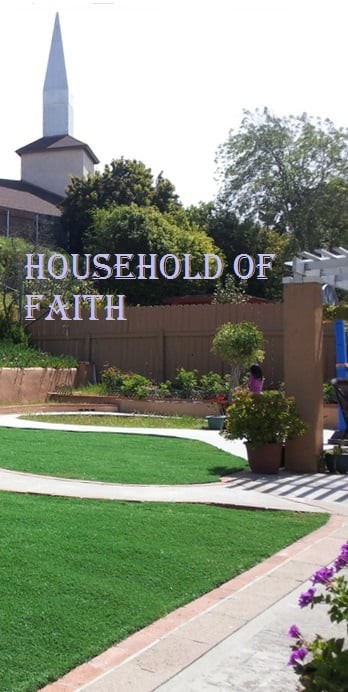
 Garden
 Housekeeping services
 Move-in coordination
 Outdoor space
 Telephone
 Wi-Fi/high-speed internet available
 San Diego International-Lindbergh (12 miles away)
 24-hour supervision
 Activities of daily living assistance
 Assistance with bathing
 Assistance with dressing
 Assistance with transfers
 Diabetes diet
 Meal preparation and service
 Medication management
 Special dietary restrictions
 Transportation arrangement (medical)
 Transportation to doctors appointments

 Exploring the Path to Senior Living: A Comprehensive Look at Independent Living and Assisted Living
 Is Assisted Living Deductible on Your Taxes? Understanding the Complexities of Assisted Living Expenses and Deductions
 Assisted Living Support for Veterans: A Complete and Detailed Overview