
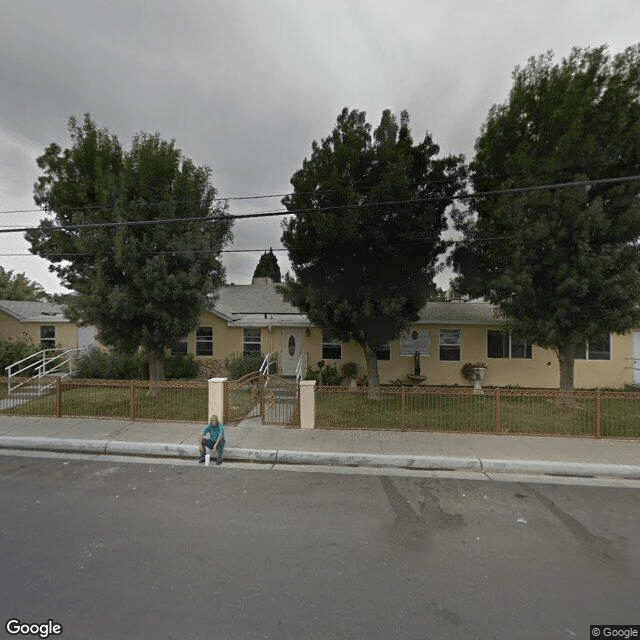
160 S. 13th St., Chowchilla, CA 93610
To contact a resident: (559) 665-0449
For more information about senior living options: (866) 208-4318
Golden Years Retirement Center Costs & Pricing
Golden Years Retirement Center offers competitive pricing for its residents, particularly when compared to the broader market in Merced County and California as a whole. For a semi-private room, Golden Years charges $1,200 per month, which is significantly lower than the average cost of $2,651 in Merced County and even more so compared to the state average of $3,333. Similarly, their one-bedroom units are priced at $1,800, again presenting a more affordable option than the county's average of $2,927 and California's statewide rate of $4,340. This positioning not only underscores Golden Years' commitment to accessibility but also highlights its desirability as an attractive choice for those seeking quality retirement living without the burden of excessive costs.
| Floor plans | Golden Years Retirement Center | Merced County | California |
|---|---|---|---|
| Semi-Private | $1,200 | $2,651 | $3,333 |
| 1 Bedroom | $1,800 | $2,927 | $4,340 |
Overall Review of Golden Years Retirement Center
Pros
 The establishment has new ownership and staff since 2021, with numerous upgrades and changes implemented.
- The establishment is cleaner and more welcoming.
Cons
 The place is a dump.
Review
Golden Years Retirement Center in Chowchilla, CA is best suited for seniors who want a refreshed, cleaner environment with the feel of a recently rebooted operation. It appeals to independent seniors or those needing light assistance who value a brighter, more welcoming common area and updated interiors. In a small-town setting, the community offers a social, activity-oriented atmosphere that can help residents stay engaged without traveling far. Those who prioritize a strong, consistent track record over fresh branding should align expectations with the realities of a facility undergoing transition. This is not the option for someone who demands a proven long-term performance with highly predictable care from day one.
Given the mixed feedback, some households will want to explore alternatives. For residents requiring robust medical oversight, 24/7 nursing, or specialized memory care, other communities with established, deeper-reach staffing may be more reliable. Budget-focused families should compare cost-to-value against nearby options, because the current impression hinges on upgrades rather than a long-standing performance history. Those who place a premium on unwavering quality control and uniform service across all units may prefer homes with a longer, steadier record. The spectrum of experience here suggests diligence in vetting current operations before committing.
On the positive side, new ownership and staff since 2021 have driven noticeable upgrades. The narrative of a cleaner, more welcoming environment points to tangible benefits in daily life: better housekeeping, refreshed common spaces, and a atmosphere that invites social interaction. The leadership turn appears to have energized the place, with residents likely finding improved management responsiveness and clearer routines. For families prioritizing ambiance and a modern feel, these upgrades translate into a real head start in creating a comfortable home-like setting. The presence of renewed energy among staff can also translate into more attentive day-to-day care and programming.
Yet, the downsides cannot be ignored. One stark review lingers as a reminder that not all residents experience the improvements equally. Labeling the facility a “dump” signals potential gaps in maintenance, consistency, or reliability that cannot be dismissed. Such a contrast suggests variability from room to room or shift to shift, rather than a uniformly smooth operation. Prospective residents should probe for current, specific truths about upkeep, unit condition, and service consistency. The risk is not merely cosmetic; it ties to how well the team can sustain the upgrades and translate them into dependable routines, meals, and activities.
Whether the positives outweigh the negatives depends on current conditions and personal priorities. If the refreshed look and new management have translated into steady cleanliness, responsive staff, and engaging programs, the benefits can be meaningful enough to offset past concerns. For residents who place a premium on a vibrant, updated environment and who are comfortable actively engaging with leadership to monitor ongoing improvements, Golden Years can be a strong fit. Those who require a higher baseline of care, or who are particularly sensitive to any signs of slipping maintenance, should verify recent performance and request a trial period or a detailed tour before committing.
Practical decision steps emerge from this mix of signals. Schedule a thorough tour during a typical day, not just a showroom visit, and ask to speak with multiple residents about current routines, meals, and nurse availability. Request recent maintenance logs, inspect bathroom and flooring condition, and review the activity calendar to gauge consistency in programming. Inquire about staff turnover since 2021 and the plan for ongoing upgrades, including any upcoming renovations or policy changes. Finally, compare with a couple of nearby options to anchor expectations and ensure clear alignment with care needs, budget, and tolerance for management variability. Golden Years can be a solid choice for the right resident, provided due diligence confirms the improvements are sustained and genuine.
 Assisted Living
 Activities on-site
 Devotional services off-site
 Indoor common areas
 Ambulatory care
 Diabetic care
 Meals provided




 Is Assisted Living Deductible on Your Taxes? Understanding the Complexities of Assisted Living Expenses and Deductions
 Assisted Living Support for Veterans: A Complete and Detailed Overview
 Exploring the Contrasts Between Assisted Living and Skilled Nursing