
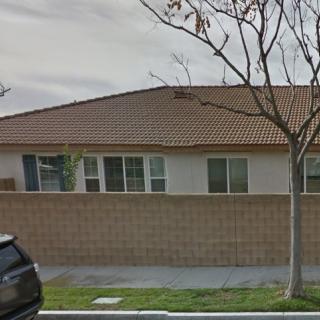
8827 Kings Canyon St, Chino, CA 91708
To contact a resident: (562) 310-0280
For more information about senior living options: (866) 208-4318
Overall Review of Christian Home Care Referral Agency of Chino CA
Pros
 They have been living with Salem Christian Homes for 12 years and love it.
- They describe Salem Christian Homes as filled with great people doing good in the world, with Christian-based homes that allow residents with disabilities to be themselves.
- The community is very family-oriented and has been a huge part of the reviewer’s brothers' lives.
- They bless Salem Christian Homes and recognize the hard work of the staff.
Cons
 No negative statements detected in the provided reviews.
Review
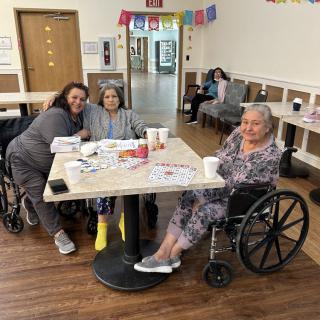
This referral network is best suited for families seeking a faith-centered, home-like living option for adults with disabilities in the Chino area, where the emphasis is on creating a warm, community-driven environment rather than a clinical, institutional feel. The strongest signal from the available experiences is a Christian-based setting that treats residents as part of a family, with an open invitation to participate in everyday life and maintain personal identity within a supportive faith framework. For families who value prayer, shared values, and a tight-knit, neighborly atmosphere, this approach can deliver lasting comfort and stability.
However, prospective residents should weigh the possibility of variability across individual placements. The overall rating hovers around four out of six, with four five-star reviews but also a three-star and a one-star, signaling that experiences are not identical from one home to the next. That variance matters: it means outcomes are highly dependent on which specific Salem Christian Homes location becomes the match, how the care team is composed, and how well the daily routine aligns with personal needs. For families that require secular assurance, broad standardized services, or highly specialized clinical oversight, alternatives may offer more predictable quality control.
The core pros are clear and meaningful. A Christian-based, family-oriented culture can cultivate a sense of belonging, reduce anxiety, and foster genuine connections between residents, their families, and caregivers. This environment tends to emphasize personhood, encouraging residents to be themselves and participate meaningfully in daily life, over rigid conformity. When staff share a mission and residents feel truly known, the day-to-day experience becomes about community, not merely care tasks. These strengths can offset limited formal programming by delivering consistent emotional and spiritual support, which can be the deciding factor for families prioritizing peace of mind and continuity.
The main drawbacks, by contrast, revolve around consistency and scope. Without a uniform, centralized model across all homes, the level of oversight and service breadth can vary. Some reviews imply dissatisfaction may arise from misalignment between resident expectations and what a particular home provides, or from gaps in resources for higher-acuity needs. The positive testimonials about long-term placement (such as a resident who has lived there for 12 years) underscore deep fit when the values align, but the flip side, where fit is poor or expectations are not met, remains a real possibility. This tension between deeply personal fit and uneven service delivery is the critical concession to consider.
Evidence from the observed experiences points to a lived culture where faith, family, and personal dignity are prioritized. A resident’s long tenure and praise for “great people doing good in the world” and a strongly Christian, family-oriented environment illustrate how the model can deliver enduring satisfaction and meaningful belonging. The sentiment that the community has been a huge part of life for the family signals a powerful return on choosing a provider that emphasizes identity, values, and mutual support. Yet the same voices hint that the blessing of belonging depends on getting the right match, one location’s warmth cannot be assumed to extend identically across others.
For families evaluating options, practical steps matter. Plan visits to multiple churches-affiliated or Christian home options, and insist on meeting staff, residents, and family members who can speak to daily routines, crisis handling, and communication cadence. Ask about licensing, caregiver-to-resident ratios, and what happens when medical needs intensify or when memory care becomes necessary. Clarify the referral agency’s process for matching families with the appropriate Salem Christian Homes location, and request a trial period or respite arrangement to gauge fit without long-term commitment. Finally, verify cost structures and what is included versus what incurs additional charges, so the choice rests on values and true compatibility rather than price alone.
The bottom line is decisive. For families who prize a faith-forward, intimate, community-centric living arrangement and are comfortable with potential variability between homes, this referral pathway offers a compelling, emotionally resonant option. It delivers genuine belonging, spiritual continuity, and long-term relational warmth that can be priceless for residents and their loved ones. Conversely, for those needing uniform care standards, secular settings, or robust clinical oversight across every location, serious consideration of secular or larger corporate alternatives is warranted. In the end, alignment of values, care philosophy, and the specific home’s atmosphere will determine whether this choice becomes a durable, life-affirming home or a missed fit that prompts a reassessment.
 Ontario International (5 miles away)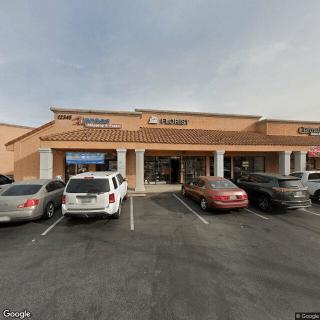



 Comprehensive Exploration of Living Wills and Other Advance Directives
 A Detailed Exploration of Living Wills and Advance Directives
 Comprehensive Guide to Medicare Coverage for Hospice Care