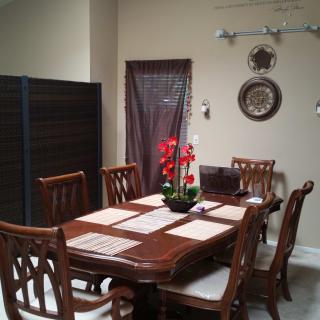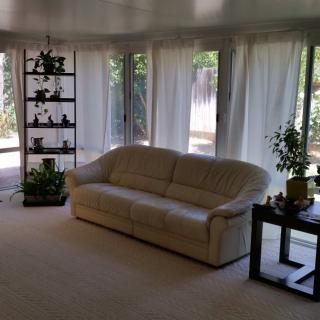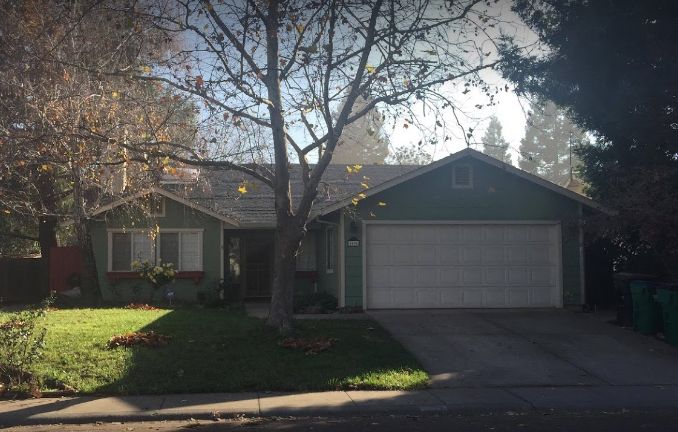
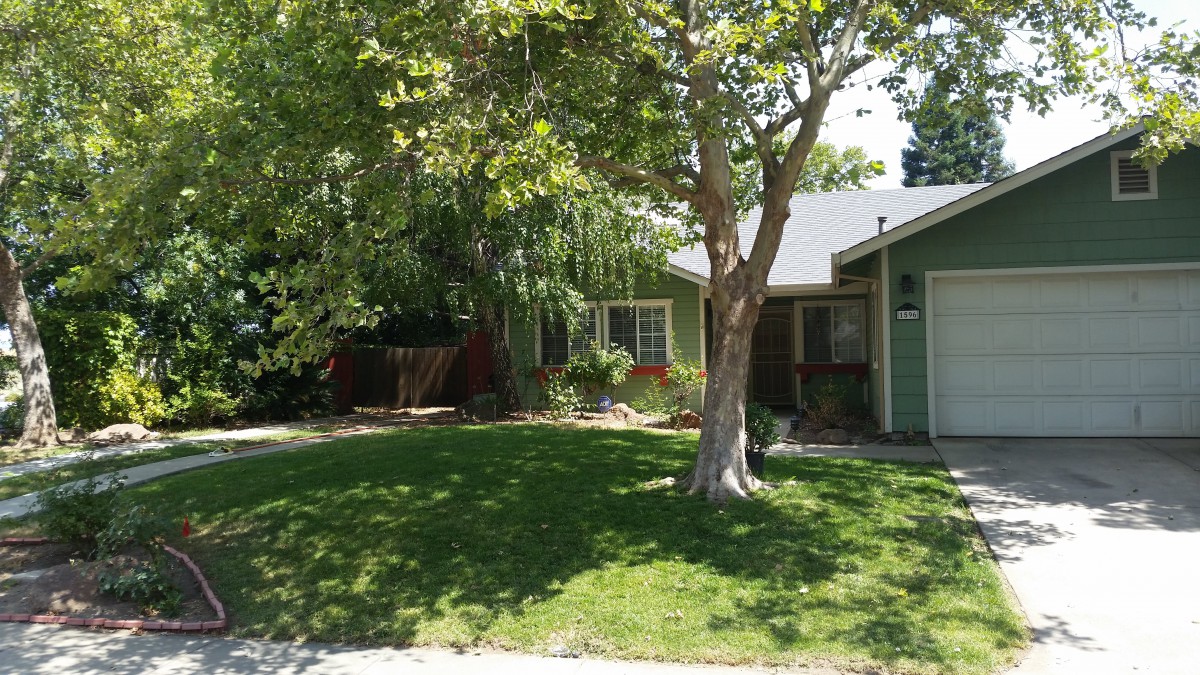
1596 La Linda Lane, Chico, CA 95926
For more information about senior living options: (866) 208-4318
Angels Care Home Costs & Pricing
Angels Care Home offers competitive pricing for its residents when compared to the average costs in Butte County and across California. For a semi-private room, Angels Care Home charges $3,500 per month, which is slightly above the county average of $3,279 but remains lower than the state average of $3,333. The cost for a one-bedroom unit at Angels is set at $4,000, aligning closely with the county price of $4,140 while still being more affordable than the state's average of $4,340. Interestingly, their private room option is priced at $4,000 as well - this figure surpasses Butte County's rate of $3,585 but offers a better value when juxtaposed with California's prevailing average of $3,939. Overall, Angels Care Home provides a range of accommodation options that reflect a quality living experience without significantly deviating from regional market rates.
| Floor plans | Angels Care Home | Butte County | California |
|---|---|---|---|
| Semi-Private | $3,500 | $3,279 | $3,333 |
| 1 Bedroom | $4,000 | $4,140 | $4,340 |
| Private | $4,000 | $3,585 | $3,939 |
Memory care communities with a similar price nearby
-
About the same

Windchime Of Chico
$3,595 to $4,895 / month4.4 miles away -
from +$375 / mo
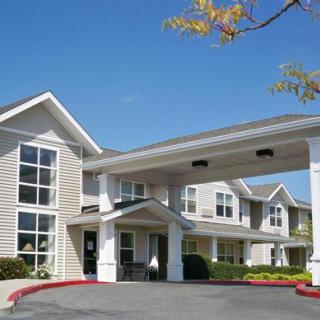
Prestige Assisted Living at Oroville
$3,875 to $6,010 / month24.0 miles away -
from +$200 / mo
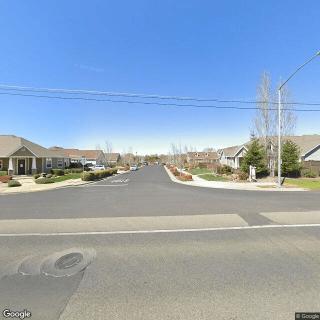
Almond Blossom - Bidwell Heights
$3,700 / month4.4 miles away -
from -$400 / mo

Roseleaf Oroville
$3,100 to $4,500 / month20.8 miles away -
from +$300 / mo

Roseleaf Gardens
$3,800 to $4,700 / month4.9 miles away
Overall Review of Angels Care Home
Pros
 The place is nice and the staff are friendly.
- The facility is well-maintained, and the owner is accommodating.
- The care home is very nice.
Review
Angels Care Home in Chico, CA is best suited for families seeking a small, home-like assisted living environment where personal attention, warmth, and flexibility are the core strengths. The reviews point to a friendly staff, a well-maintained facility, and an owner who is accommodating, suggesting a setting that prioritizes trust, open communication, and a consistent day-to-day experience. This combination typically appeals to seniors who prize privacy, a predictable routine, and a tone of care that feels individualized rather than corporate. It is especially appealing for residents who value a neighborhood feel over a large campus, where staff know names, preferences, and medical nuances without formality getting in the way.
The strongest positives are clear and actionable. A friendly, responsive staff can transform daily tasks, medication reminders, and problem-solving into seamless moments rather than friction points. A well-kept facility contributes to safety and peace of mind, from clean shared spaces to dependable maintenance of rooms and common areas. An accommodating owner signals flexibility in scheduling, care planning, and problem resolution, which matters when a family needs adjustments to routines, special requests, or evolving care needs. Taken together, these traits create a living experience that feels reliable, personable, and oriented toward the resident’s comfort rather than rigid policy adherence.
Given the favorable spotlight on people and surroundings, it is important to acknowledge who may want to consider alternatives. For seniors who require robust, 24/7 skilled nursing oversight, intensive medical therapies, or specialized memory care services, the home setting may fall short of clinical expectations. Families with loved ones who need extensive rehabilitative programs, high-level wound care, or highly structured cognitive therapies might find larger campuses or dedicated memory-care residences more suitable. Similarly, if a resident thrives on abundant social programming, diversified activity schedules, or on-site access to a broader network of ancillary services, a bigger community could offer more of those elements in a single, centralized location.
The larger question becomes how the pros offset potential trade-offs. In this case, the people-centric strengths, friendly staff, visible maintenance, and a flexible owner, often offset the lack of corporate scale with tangible daily advantages: quicker response times, easier communication, and a sense that the operation can bend to individual circumstances. The well-maintained environment reduces safety concerns and supports consistent routines, which are crucial for stability. The trade-off lies in the possibility of limited on-site medical resources and fewer specialized programs than larger facilities can provide. For families prioritizing a warm, intimate atmosphere and practical responsiveness over breadth of services, these pros clearly outweigh the likely constraints.
To make a well-informed decision, prospective residents and their families should structure visits around concrete inquiries. Confirm staffing patterns, including awake coverage and caregiver-to-resident ratios, and observe interactions during routine tasks to gauge depth of attention. Review care planning processes: how plans are created, updated, and communicated, and who signs off on changes. Inspect safety features, medication handling practices, emergency response protocols, and the availability of on-site therapy or rehabilitation services, even if informally arranged. Ask about housekeeping, meal quality, and how activities are tailored to varying energy levels and interests. Finally, verify the owner’s accessibility and the policy for accommodating evolving care needs, ensuring that the level of flexibility matches long-term expectations.
In the end, Angels Care Home emerges as a compelling option for families seeking a small-scale, person-first living environment in Chico. The combination of a friendly staff, a well-kept facility, and an accommodating owner translates into consistent daily reassurance that a loved one will be treated with dignity and attention. This community excels for residents who value intimate connections, predictable routines, and practical responsiveness over expansive programming or on-site medical prowess. Those considering alternatives should weigh the absence of extensive clinical services against the clear benefits of warmth and flexibility, then plan visits that test whether this balance aligns with the senior’s current and anticipated care needs. A thoughtful tour and candid questions will reveal whether Angels Care Home is the right match or if a larger, more medically equipped setting is a better fit.
 6 resident community capacity
 Assisted Living
 Board and Care Home
 Memory Care
 Dogs allowed
 Activities off-site
 Cable or satellite TV
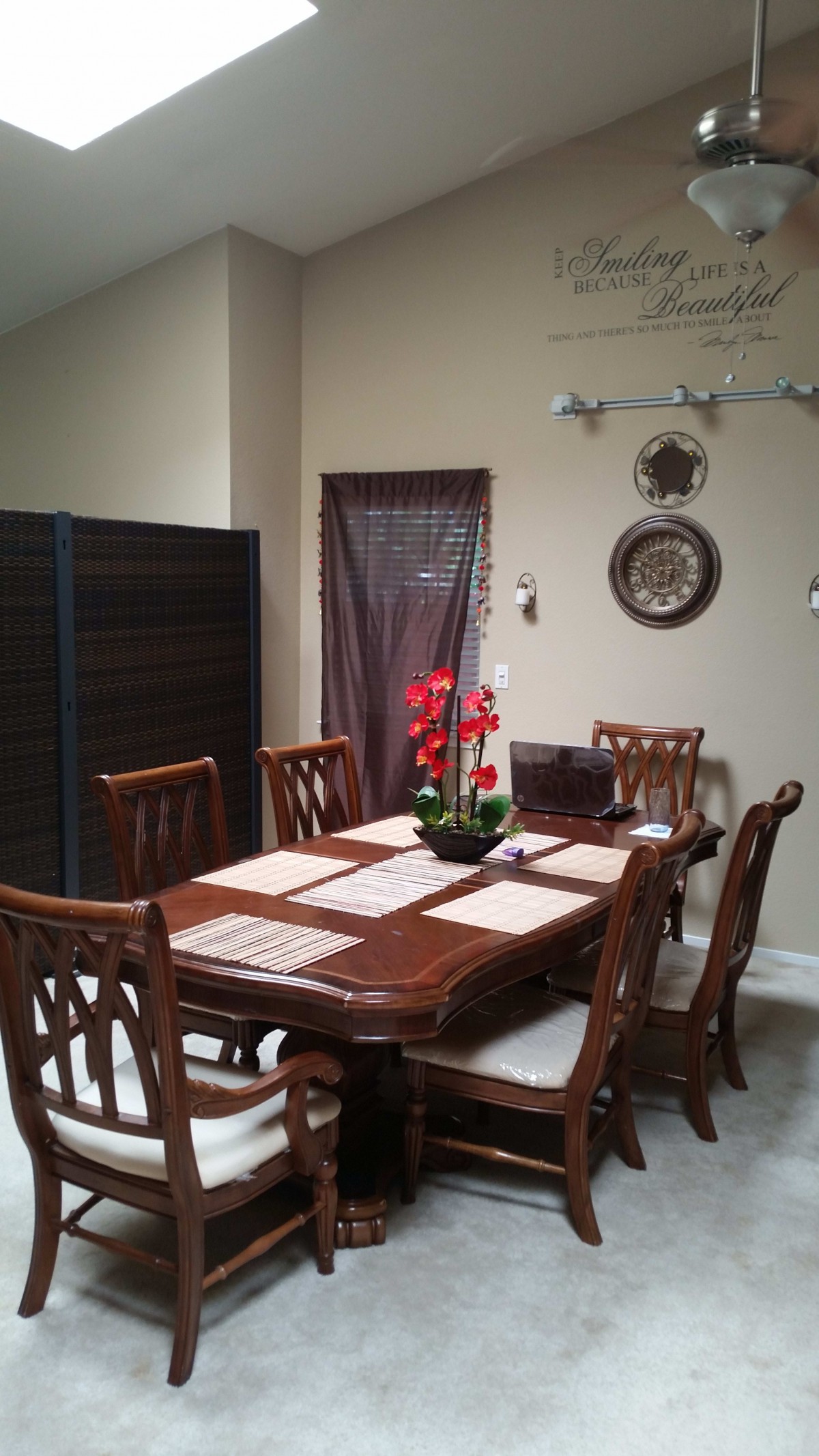
 Dining room
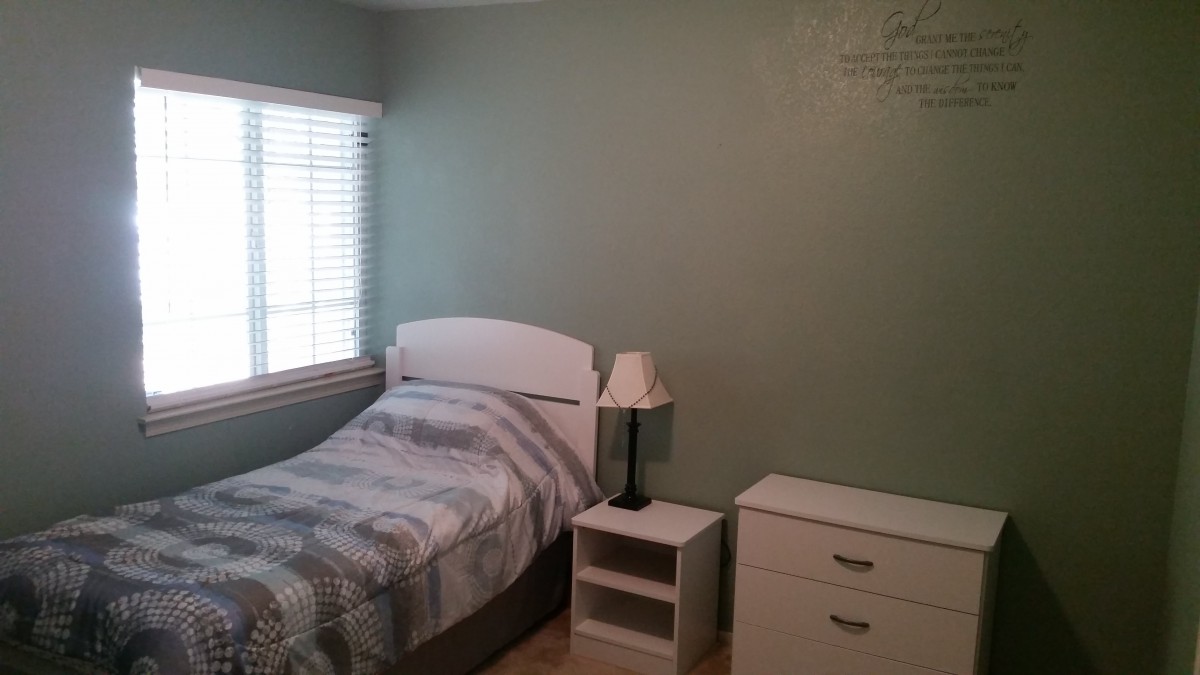
 Fully furnished
 Garden
 Housekeeping services
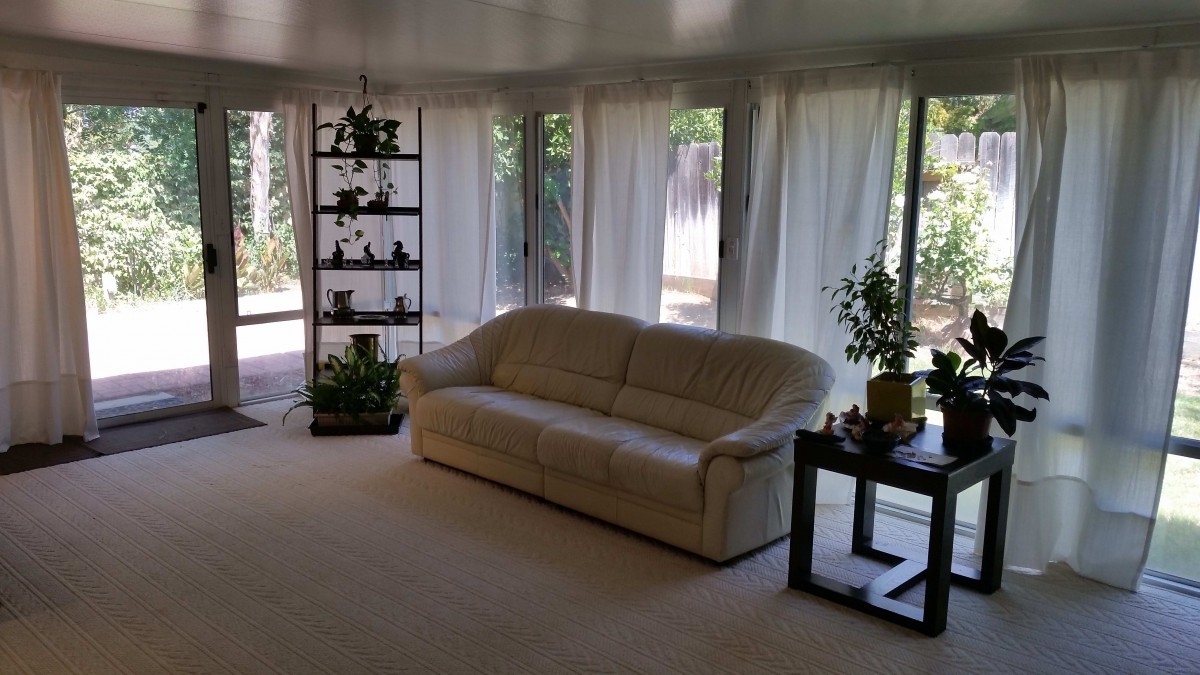
 Indoor common areas
 Move-in coordination
 Outdoor common areas
 Private
 Respite or short term stays offered
 Telephone
 Wheelchair accessible showers
 Wi-Fi/high-speed internet available
 Chico Municipal (4 miles away)
 24-hour supervision
 Ambulatory care
 Assistance with bathing
 Assistance with dressing
 Assistance with transfers
 Diabetes diet
 Diabetic care
 High acuity care
 Incontinence care
 Meal preparation and service
 Medication management
 Special dietary restrictions
 Transportation arrangement (medical)
 Transportation to doctors appointments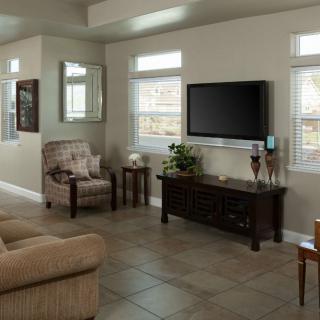

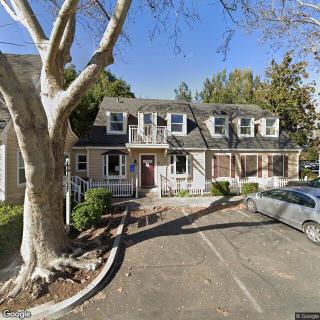



 Choosing the Right Senior Care: A Detailed Exploration of Assisted Living and Nursing Homes
 Safeguarding Your Memory Through the Golden Years: Eight Ways to Preserve Cognitive Health
 Comprehensive Insights into Activities of Daily Living (ADLs) and Their Assessment