For more information about senior living options: (844) 490-3973
2 from 1 review
Assisted LivingBoard and Care HomeMemory Care
Desert Cypress Eldercare Costs & Pricing
Desert Cypress Eldercare presents competitive pricing for its accommodations compared to both Riverside County and the broader California landscape. The facility offers semi-private rooms at $3,500 per month, which is significantly above the county average of $2,844 but slightly less than the state average of $3,333. In terms of private rooms, Desert Cypress's rate of $4,000 aligns closely with the state's average of $3,939 while surpassing Riverside County's average of $3,474. Furthermore, their studio units are offered at the same monthly cost as private rooms, priced at $4,000 - again reflecting a competitive stance against Riverside County's average of $3,559 and California's higher average of $4,145. These figures suggest that while Desert Cypress Eldercare may be higher than some local alternatives, it remains aligned with state averages and provides valuable services reflective in its pricing structure.
Floor plans
Desert Cypress Eldercare
Riverside County
California
Semi-Private
$3,500
$2,844
$3,333
Private
$4,000
$3,474
$3,939
Studio
$4,000
$3,559
$4,145
Overall Review of Desert Cypress Eldercare
Pros
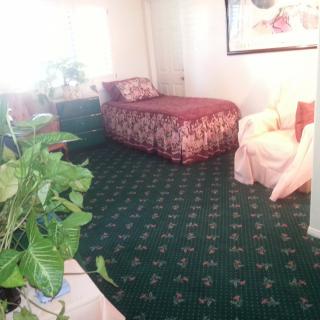
The home was clean.
A staff member in charge arrived to assist.
Cons
They did not know the guests were arriving.
The person in charge did not check her emails and did not know an appointment had been made.
The home was clean but did not seem as well taken care of as Desert Cottages I.
Everyone at the home was asleep at 1:00 p.m.
Review
Desert Cypress Eldercare in Cathedral City is best suited for families prioritizing a clean, home-like environment with a predictable, low-traffic atmosphere, and who can tolerate uneven administrative responsiveness and variable daytime engagement from staff. The setting appears neat and orderly, which matters to families that want a straightforward, non-chaotic living space for a loved one. It will likely appeal to those who value basic housekeeping and a calm, residential feel over a highly proactive care management culture. In other words, this community fits when the priority is a simple, tidy backdrop rather than a consistently high-touch care operation.
Those who should consider alternatives are families that require rock-solid reliability in onboarding, scheduling, and day-to-day supervision. The single review points to a misstep that would be unacceptable for many families: the staff member in charge did not know an appointment had been made because emails weren't checked. That kind of communication gap signals a risk for ongoing coordination problems. When compared to Desert Cottages I, which the reviewer notes as a higher-maintenance benchmark, Desert Cypress Eldercare appears to lag in the operational discipline that many families rely on for peace of mind.
The clear pro is cleanliness. The home being described as clean suggests solid basic housekeeping and a respectable living environment, which matters for comfort and daily life. That cleanliness provides a foundation that can be comforting to residents and families alike. However, this positive is not a substitute for reliable care delivery or consistent staff engagement. A spotless environment cannot compensate for administrative gaps or for a lack of visible daytime activity and oversight. In practical terms, cleanliness lifts the experience only to a point; it does not negate the consequences of miscommunication or inattentive care management.
The principal cons are significant enough to tilt the scale for most decision-makers. The appointment mishap - staff not knowing a scheduled visit due to unreviewed emails - speaks to a broader issue of coordination and accountability. Equally troubling is the observation that "everyone at home was asleep at 1:00 p.m.", which hints at either understaffing, limited daytime activity, or a culture that does not prioritize engaging residents during waking hours. The comparison to Desert Cottages I reinforces the impression that Desert Cypress Eldercare may not meet expectations for ongoing care quality and proactive supervision that families often depend on when selecting an eldercare partner.
In weighing the pros against the cons, the conclusion is pragmatic: a clean, quiet, home-like space is insufficient by itself to overcome clear operational weaknesses. The cleanliness is a foothold, but it remains vulnerable to deteriorating over time if scheduling and day-to-day oversight do not improve. Families should walk in with a focused checklist: request a current staffing schedule, ask for the on-site care coordinator's contact, demand a written onboarding and communication protocol, and observe a daytime visit to see activity levels and caregiver interactions. It is essential to see concrete evidence of proactive care planning beyond the tidy appearance.
The bottom line is candid: Desert Cypress Eldercare may work for families who can tolerate occasional administrative friction and who do not require consistently visible daytime engagement. For those who insist on reliable scheduling, immediate staff responsiveness, and a demonstrable culture of resident interaction, alternatives - especially Desert Cottages I and similar communities - are worth pursuing. The decisive next step is a second tour with targeted questions about onboarding, daily rhythms, and resident activity, ideally witnessed at multiple times of day. Only with that deeper assurance can confidence be placed in a long-term living plan, rather than in a clean but intermittently coordinated environment.
Features
Housing
8 resident community capacity
Types of Care
Assisted LivingAssisted living facilities provide crucial support and care for seniors who may need help with daily tasks such as medication management, bathing, and meal preparation. These communities offer a safe and comfortable environment where seniors can maintain their independence while receiving the assistance they need to thrive in their golden years.
Board and Care HomeBoard and care homes provide a smaller, more intimate setting for seniors who require assistance with daily tasks but do not need the level of care offered by a nursing home. They offer personalized care, meals, and social activities in a homelike environment, ensuring that seniors receive individualized attention and support in their golden years.
Memory CareMemory care is crucial for seniors as it provides specialized support and services for individuals with dementia or Alzheimer's disease. These programs offer a safe and secure environment where residents receive personalized care, cognitive stimulation, and help with daily activities. Memory care helps seniors maintain their independence, quality of life, and dignity while also providing peace of mind for their families.
Amenities
Activities off-siteEngaging in off-site activities is crucial for seniors to maintain social connections, stay active, and stimulate their minds. It promotes overall well-being and helps combat feelings of isolation and loneliness.
Activities on-siteActivities on-site are important for seniors because they provide opportunities for socialization, mental stimulation, physical activity, and overall well-being. Engaging in activities can help seniors stay active, maintain their independence, and improve their quality of life.
Bath tubsBath tubs are important for seniors because they provide a safe and relaxing way to bathe, helping to prevent slips and falls while promoting independence and overall well-being.
Cable or satellite TVCable or satellite TV is important for seniors because it provides entertainment, news, and companionship, helping to combat loneliness and boredom. It also offers a wide range of programming options tailored to different interests and preferences.
Dining roomDining rooms are important for seniors as they provide a space for socialization, connection, and nutritious meals. They offer opportunities for residents to bond over shared meals, foster a sense of community, and promote healthy eating habits. Dining rooms also ensure that seniors have access to well-balanced meals tailored to their dietary needs and preferences.
Fully furnishedFully furnished senior living communities are important for seniors because they provide convenience, comfort, and a hassle-free moving experience. Seniors can easily settle into their new living space without the stress of having to buy and move furniture. This allows them to focus on enjoying their new home and community.
GardenGardens are important for seniors as they provide a peaceful and therapeutic environment for relaxation, physical activity, and socialization. Being in nature has been shown to reduce stress, improve mood, and promote overall well-being. Gardens also offer opportunities for seniors to engage in gardening activities, which can improve mobility, flexibility, and cognitive function. Additionally, gardens create a sense of community and connection with others who share a passion for plants and outdoor spaces.
Housekeeping servicesHousekeeping services are important for seniors because they help maintain a clean and safe living environment, promote independence, and reduce the risk of accidents or illnesses. Additionally, having assistance with household chores can alleviate physical strain and allow seniors to focus on other aspects of their well-being.
Move-in coordinationMove-in coordination is important for seniors because it helps ease the transition into their new living environment. It ensures that all logistics, such as packing, organizing movers, and setting up utilities are taken care of, allowing seniors to focus on settling in and adjusting to their new home. Having a smooth move-in process can alleviate stress and anxiety, making the transition smoother and more enjoyable for seniors.
Outdoor spaceOutdoor spaces are important for seniors as they provide opportunities for physical activity, social interaction, exposure to natural light and fresh air, and a sense of connection to nature. Having access to outdoor spaces can improve overall well-being and quality of life for older adults living in senior communities.
PrivatePrivacy is important for seniors as it allows them to maintain their independence, dignity, and sense of control over their own lives. It also gives them the space and freedom to relax, reflect, and engage in activities that bring them joy and fulfillment. Creating private spaces within senior living facilities is crucial for promoting overall well-being and quality of life.
TelephoneTelephones are important for seniors as they provide a lifeline for communication with loved ones, emergency services, and healthcare providers. They offer a sense of security and independence, enabling seniors to stay connected and access assistance when needed.
Wheelchair accessible showersWheelchair accessible showers are crucial for seniors as they provide a safe and independent bathing option for those with mobility challenges. These showers help prevent falls and allow seniors to maintain their dignity and autonomy while ensuring they can bathe comfortably.
Wi-Fi/high-speed internet availableWi-Fi/high-speed internet is important for seniors to stay connected with loved ones, access online resources, and participate in virtual activities to combat feelings of loneliness and isolation. It also allows them to easily manage healthcare needs, access entertainment, and engage in lifelong learning opportunities.
Transportation
Palm Springs International (3 miles away)
Care Services
24-hour supervision24-hour supervision is important for seniors to ensure their safety, well-being, and access to immediate assistance in case of emergencies or health issues. This constant support provides peace of mind for both seniors and their loved ones, allowing them to age in place with dignity and security.
Activities of daily living assistanceActivities of daily living assistance are important for seniors because they provide essential support with tasks such as eating, bathing, dressing, and mobility. This assistance helps seniors maintain their independence, dignity, and overall quality of life as they age.
Ambulatory care"Ambulatory care services provide essential medical support and treatment to seniors without requiring hospitalization, allowing them to maintain their independence and quality of life while managing chronic conditions or receiving routine medical care."
Assistance with bathingAssistance with bathing is crucial for seniors as it helps maintain personal hygiene, prevents infections, and ensures their overall well-being and comfort. It also provides a sense of dignity and independence for seniors who may struggle with this task on their own.
Assistance with dressingAssistance with dressing is important for seniors because it helps maintain their independence, promotes personal hygiene, prevents accidents and injuries, and improves overall quality of life. This service ensures that seniors can continue to dress comfortably and confidently, despite any physical limitations they may have.
Assistance with transfersAssistance with transfers is crucial for seniors as it helps prevent falls and injuries, maintains their independence, and ensures they can safely navigate their living environment. It also provides peace of mind for both seniors and their loved ones.
Coordination with health care providersCoordination with health care providers is crucial for seniors to ensure proper medical care, medication management, and overall well-being. This collaboration helps prevent overlapping treatments, track progress more effectively, and provide comprehensive support tailored to individual needs.
Diabetes dietA diabetes diet is crucial for seniors as it helps manage blood sugar levels, reduce risks of complications, and improve overall health and well-being. By following a balanced and nutritious diet tailored to their specific needs, seniors can better control their diabetes and enhance their quality of life.
High acuity careHigh acuity care is important for seniors because it provides specialized medical attention and support for individuals with complex medical needs. This level of care ensures that seniors receive the appropriate treatment and assistance to maintain their health and quality of life as they age.
Incontinence careIncontinence care is essential for seniors to maintain their dignity, hygiene, and overall quality of life. By addressing incontinence issues promptly and effectively, seniors can enjoy a sense of independence and comfort in their daily activities.
Meal preparation and serviceMeal preparation and service are crucial for seniors as they may have limited mobility or energy to cook nutritious meals. Having access to healthy and convenient food options can ensure they are getting the proper nutrition needed to maintain their overall health and well-being.
Medication managementMedication management is crucial for seniors to ensure they are taking the right medications at the correct dosages and times. This helps prevent adverse drug interactions, reduces the risk of medication errors, and promotes overall health and well-being. Proactive management also allows for adjustments as needed based on changing health conditions or new prescriptions.
Special dietary restrictionsSpecial dietary restrictions are important for seniors because age-related changes in metabolism and health conditions can make it difficult for their bodies to process certain foods. By following a diet tailored to their specific needs, seniors can maintain their overall health and well-being, manage chronic conditions, and reduce the risk of complications such as malnutrition or food interactions with medications.
Transportation arrangement (medical)Transportation arrangements for medical purposes are essential for seniors as they may have difficulty driving themselves to appointments or accessing public transportation. Having reliable and safe transportation options ensures that seniors can receive timely medical care and maintain their health and well-being.
Transportation to doctors appointmentsTransportation to doctors' appointments is crucial for seniors as it ensures they have access to necessary medical care and support for their health needs. Without reliable transportation, seniors may struggle to attend important appointments, leading to potential delays in treatment and health complications. Providing transportation services helps seniors maintain their overall well-being and quality of life.
Dining
Diabetes dietA diabetes diet is crucial for seniors as it helps manage blood sugar levels, reduce risks of complications, and improve overall health and well-being. By following a balanced and nutritious diet tailored to their specific needs, seniors can better control their diabetes and enhance their quality of life.
Special dietary restrictionsSpecial dietary restrictions are important for seniors because age-related changes in metabolism and health conditions can make it difficult for their bodies to process certain foods. By following a diet tailored to their specific needs, seniors can maintain their overall health and well-being, manage chronic conditions, and reduce the risk of complications such as malnutrition or food interactions with medications.
Activities
Activities off-siteEngaging in off-site activities is crucial for seniors to maintain social connections, stay active, and stimulate their minds. It promotes overall well-being and helps combat feelings of isolation and loneliness.
Activities on-siteActivities on-site are important for seniors because they provide opportunities for socialization, mental stimulation, physical activity, and overall well-being. Engaging in activities can help seniors stay active, maintain their independence, and improve their quality of life.
Community-sponsored activitiesCommunity-sponsored activities are important for seniors as they provide opportunities for social interaction, mental stimulation, and physical activity. These activities can help improve overall well-being, combat loneliness and isolation, and promote a sense of belonging and purpose among older adults.
Scheduled daily activitiesScheduled daily activities are important for seniors because they provide structure, socialization, mental stimulation, and physical activity. Engaging in regular activities can improve overall well-being and quality of life for seniors living in a community setting.
Description
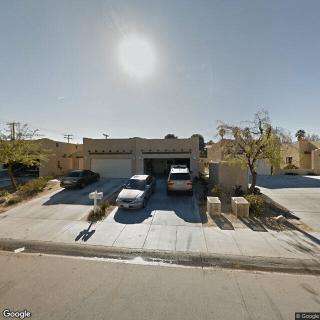
Desert Cypress Eldercare is an assisted living community located in Cathedral City, CA. This community offers board and care home services as well as specialized memory care for seniors with cognitive impairments.
Residents at Desert Cypress Eldercare have access to a range of amenities designed to enhance their comfort and quality of life. These amenities include activities on-site, allowing residents to engage in social and recreational activities without leaving the community. Other amenities include fully furnished living spaces, private outdoor spaces, and access to cable or satellite TV and Wi-Fi for entertainment and communication purposes. The community also provides housekeeping services to ensure a clean and tidy environment for all residents.
The care services at Desert Cypress Eldercare are comprehensive and aim to assist residents with their daily living needs. Trained staff members offer assistance with activities of daily living such as bathing, dressing, and transfers. Additionally, the community provides medical coordination services, ensuring that residents receive the necessary support from healthcare providers. Medication management is also available to ensure that residents take their medications correctly and on time.
Dining at Desert Cypress Eldercare is tailored to meet each individual's dietary needs. Special dietary restrictions can be accommodated, ensuring that all residents receive meals that are both nutritious and enjoyable.
A variety of activities are offered within the community as well as through community-sponsored events. Residents can participate in scheduled daily activities designed to promote engagement, stimulation, and socialization among peers.
Desert Cypress Eldercare benefits from its convenient location near various amenities in Cathedral City. There are several cafes, parks, pharmacies, physicians' offices, restaurants, transportation options, places of worship, theaters, and hospitals nearby.
Overall, Desert Cypress Eldercare provides a comfortable and supportive environment for seniors seeking assisted living or memory care services in Cathedral City. With a range of amenities and comprehensive care services available, this community strives to enhance the well-being and quality of life for its residents.
Nearby Places of Interest
This part of Cathedral City, California, offers a convenient and accessible location with essential amenities nearby. With several pharmacies such as Rite Aid and Walgreens within a short distance, accessing medication and healthcare services is easy. There are also various dining options ranging from fast food chains like McDonald's to sit-down restaurants like El Portal Restaurant. For medical needs, there are reputable physicians and healthcare facilities like Cardinal Health and Desert Regional Medical Center in close proximity. Additionally, the area offers recreational opportunities with parks like Demuth Park and Palm Springs Dog Park nearby. Overall, this part of Cathedral City provides a balanced mix of convenience, healthcare resources, and leisure options for seniors looking for a comfortable living environment.
Desert Cypress Eldercare presents competitive pricing for its accommodations compared to both Riverside County and the broader California landscape. The facility offers semi-private rooms at $3,500 per month, which is significantly above the county average of $2,844 but slightly less than the state average of $3,333. In terms of private rooms, Desert Cypress's rate of $4,000 aligns closely with the state's average of $3,939 while surpassing Riverside County's average of $3,474. Furthermore, their studio units are offered at the same monthly cost as private rooms, priced at $4,000 - again reflecting a competitive stance against Riverside County's average of $3,559 and California's higher average of $4,145. These figures suggest that while Desert Cypress Eldercare may be higher than some local alternatives, it remains aligned with state averages and provides valuable services reflective in its pricing structure.
Desert Cypress Eldercare's array of services is designed to create a supportive environment that enhances the quality of life for residents facing the challenges of dementia or Alzheimer's disease. Assistance with dressing and bathing ensures that individuals maintain personal hygiene and dignity, while medication management helps prevent confusion over dosages and schedules, crucial for their well-being. Meal preparation and service are tailored to meet nutritional needs, which can often be overlooked in those with cognitive impairments. Transportation arrangements facilitate access to medical appointments, ensuring ongoing health monitoring, while coordination with health care providers guarantees that all aspects of a resident's care are aligned. Activities of daily living assistance supports independence in manageable ways, reinforcing a sense of routine and normalcy. With 24-hour supervision and specialized incontinence care, residents receive constant support, allowing them to navigate their day-to-day lives with safety and confidence, fostering an atmosphere where they can thrive despite their conditions.
Nearby Communities
Ohana Homecare
Cathedral City, CA
Small, homelike setting with personalized care.
4J's Elderly Care
Cathedral City, CA
Small, intimate 6-bed setting with 24/7 supervision and comprehensive ADL support.
Dolores Homecare
Cathedral City, CA
4 from 2 reviews
$1,800 to $3,000 / month
Clean, well-maintained environment with attentive staff and efforts to bridge language gaps.
Desert Queen Senior Home Care
Cathedral City, CA
5 from 2 reviews
Attentive staff in a warm, home-like setting with private room options.
Family Care Retirement Home
Cathedral, CA
Small, personalized assisted living with comprehensive daily care and amenities.
Love And Comfort Home Care
Cathedral City, CA
Intimate, personalized care in a 6-bed board-and-care setting.
Pacifica Senior Living Palm Springs
Palm Springs, CA
4.6 from 161 reviews
$3,100 to $4,200 / month
Caring staff in a cozy cottage-style setting with pleasant grounds.
Atria Hacienda
Palm Desert, CA
4.5 from 172 reviews
$4,295 to $6,395 / month
Beautiful facility with restaurant-style dining, strong community, and caring staff.
Mountain View Manor
Desert Hot Springs, CA
4.1 from 10 reviews
$2,800 to $3,800 / month
Warm, attentive staff and a clean, engaging environment with personalized attention.
Alzheimer’s disease is a progressive neurological disorder that significantly impacts memory and cognitive functions, accounting for 60-80% of dementia cases, with early diagnosis being crucial yet challenging. It involves brain changes like beta-amyloid plaques and tau tangles, influenced by genetic and lifestyle factors, and while there is no cure, symptom management and support for caregivers are essential.
Dementia, influenced by aging and certain medications, may be exacerbated by drug classes such as anticholinergics, benzodiazepines, and antipsychotics, which are associated with cognitive impairment. Regular medication reviews by healthcare professionals are crucial for older adults to manage risks and optimize cognitive health.
Dementia often results in disrupted sleep patterns, leading to excessive daytime sleeping due to factors like brain damage affecting circadian rhythms, medication side effects, and lack of structure in daily activities. Caregivers must monitor these changes closely, as oversleeping can increase risks such as malnutrition or dehydration, and provide necessary support and routines to enhance patient engagement and well-being.