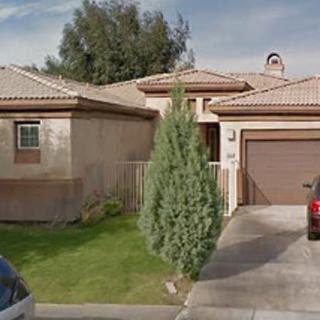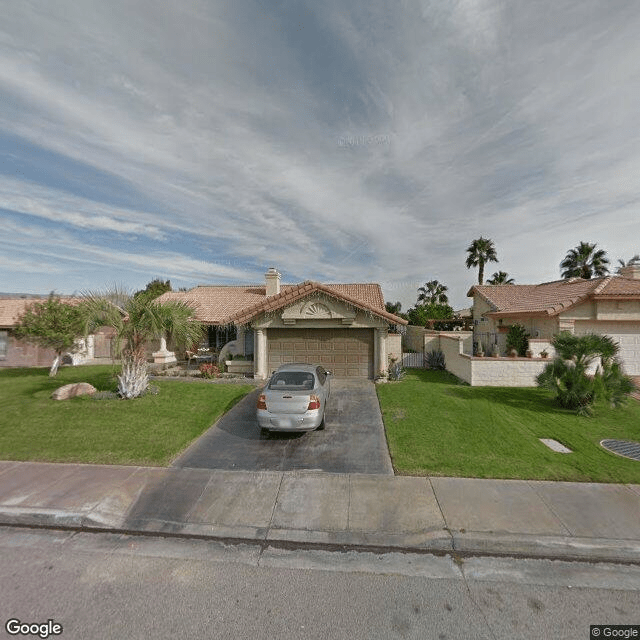
Dolores Homecare in Cathedral City, CA

Save
Dolores Homecare

Dolores Homecare in Cathedral City, CA

30758 Bloomsbury Lane, Cathedral City, CA 92234

For more information about senior living options: (844) 490-3973

4 from 2 reviews
Assisted Living Board and Care Home

Dolores Homecare Costs & Pricing

Dolores Homecare presents a compelling value in comparison to both Riverside County and the broader state of California when it comes to monthly care costs. For a semi-private room, Dolores charges $1,800, significantly lower than the average cost of $2,844 in Riverside County and $3,333 statewide. Similarly, their private room rate of $3,000 is more competitive compared to the county's average of $3,474 and the state's average of $3,939. This pricing structure not only highlights Dolores Homecare's commitment to affordable quality care but also positions it as an appealing choice for families seeking compassionate services without compromising on financial sensibility.

Floor plansDolores HomecareRiverside CountyCalifornia
Semi-Private$1,800$2,844$3,333
Private$3,000$3,474$3,939

Overall Review of Dolores Homecare

Pros

  • pro It's going pretty good.
  • pro It's pretty clean, and they make an effort to learn her needs.
  • pro They appreciate that.

Cons

  • pro There is a language barrier with the staff member, which makes communication difficult.
  • pro The language barrier with the caregiver hampers her ability to communicate clearly.

Review

Dolores Homecare in Cathedral City is best suited for seniors who want a small, home-like care environment where cleanliness and attentive, personalized support are the core experiences. This community works well for residents who mainly need assistance with daily activities rather than advanced medical care, and who value staff consistency and a calm, less institutional setting. The defining strengths lie in a tidy, well-kept living space and a team that makes a visible effort to understand and adapt to each resident's routines and preferences. Those seeking a highly formal facility with extensive medical oversight, or a large-scale campus with many on-site amenities, should look elsewhere.

Language considerations figure prominently in any decision here. The primary caveat is a communication barrier with the caregiver staff, which can complicate instruction, reminders, and quick updates on a daily basis. Families should anticipate some friction if the resident relies on precise language to convey needs or if staff turnover introduces new communicators unfamiliar with the resident's cues. Those who require fluent, immediate bilingual communication across shifts may want to consider alternatives with more robust language alignment or a larger staff pool. For residents needing intensive medical programming or 24/7 nursing oversight, this setting may not deliver the required level of care.

On the upside, cleanliness is consistently evident, and there is a clear, steady commitment to tailoring care to the resident. The staff's willingness to learn specific needs - dietary preferences, routines, and daily rhythms - helps mitigate the risk that a language gap creates misalignment. The practical impact is that care feels personalized and predictable, with a sense that someone is paying attention. In a home-care context, that level of attentiveness matters, translating into smoother daily routines, fewer missed cues, and a sense of reliability that can be decisive for families prioritizing comfort and continuity over a more clinical setting.

However, the language barrier remains the central friction, and its presence can temper otherwise solid performance. Even with staff's best intentions, miscommunications can occur, and small instructions or changes in schedules may not be conveyed as crisply as desired. The risk is not catastrophic, but it is real enough to influence daily satisfaction, particularly for residents who communicate primarily in a language that is not fully shared by caregivers. The team's effort to learn needs helps, but families should assess whether that effort translates consistently across days, shifts, and evolving care requirements.

Smart due diligence can bridge the gap. Prospective families should verify the language competencies of the current care team and request a direct introduction to the primary caregivers who would be responsible for the resident. Ask for a trial period to observe how communication flows, and request written notes or a simple translation plan to support understanding between shifts. Inquire about caregiver-to-resident ratios, consistency of assignments, and access to translation tools or resources. Finally, listen for how staff explain care tasks and respond to questions, as clarity here often predicts the practical reality of daily life in a homecare setting.

Overall, Dolores Homecare offers a credible option for families seeking a clean, personalized, small-footprint care environment in Cathedral City. The standout attributes - polished upkeep and a genuine effort to learn and adapt to the resident's needs - provide solid value when matched with a resident who does not require intensive medical supervision. The language barrier, by contrast, is a real constraint that can tilt the balance for those who prize seamless communication. For the right resident and family, this community is a prudent, practical choice; for others, it is prudent to explore alternatives that guarantee stronger language alignment and greater clinical oversight before committing.

Features

Housing

  • 4 resident community capacity 4 resident community capacity

Types of Care

  • Assisted Living Assisted LivingAssisted living facilities provide crucial support and care for seniors who may need help with daily tasks such as medication management, bathing, and meal preparation. These communities offer a safe and comfortable environment where seniors can maintain their independence while receiving the assistance they need to thrive in their golden years.
  • Board and Care Home Board and Care HomeBoard and care homes provide a smaller, more intimate setting for seniors who require assistance with daily tasks but do not need the level of care offered by a nursing home. They offer personalized care, meals, and social activities in a homelike environment, ensuring that seniors receive individualized attention and support in their golden years.

Amenities

  • Activities off-site Activities off-siteEngaging in off-site activities is crucial for seniors to maintain social connections, stay active, and stimulate their minds. It promotes overall well-being and helps combat feelings of isolation and loneliness.
  • Activities on-site Activities on-siteActivities on-site are important for seniors because they provide opportunities for socialization, mental stimulation, physical activity, and overall well-being. Engaging in activities can help seniors stay active, maintain their independence, and improve their quality of life.
  • Bath tubs Bath tubsBath tubs are important for seniors because they provide a safe and relaxing way to bathe, helping to prevent slips and falls while promoting independence and overall well-being.
  • Beautician on-site Beautician on-siteHaving a beautician on-site at a senior living community is important for seniors as it allows them to easily access grooming and personal care services, boosting their self-esteem and overall well-being. It also provides convenience and helps seniors maintain their sense of independence and personal style.
  • Cable or satellite TV Cable or satellite TVCable or satellite TV is important for seniors because it provides entertainment, news, and companionship, helping to combat loneliness and boredom. It also offers a wide range of programming options tailored to different interests and preferences.
  • Devotional services on-site Devotional services on-siteDevotional services on-site provide seniors with spiritual support and a sense of community, as well as an opportunity for reflection and guidance during their senior living experience. This can promote emotional well-being and connection to others, leading to a more fulfilling and enriching lifestyle in their later years.
  • Dining room Dining roomDining rooms are important for seniors as they provide a space for socialization, connection, and nutritious meals. They offer opportunities for residents to bond over shared meals, foster a sense of community, and promote healthy eating habits. Dining rooms also ensure that seniors have access to well-balanced meals tailored to their dietary needs and preferences.
  • Fully furnished Fully furnishedFully furnished senior living communities are important for seniors because they provide convenience, comfort, and a hassle-free moving experience. Seniors can easily settle into their new living space without the stress of having to buy and move furniture. This allows them to focus on enjoying their new home and community.
  • Garden GardenGardens are important for seniors as they provide a peaceful and therapeutic environment for relaxation, physical activity, and socialization. Being in nature has been shown to reduce stress, improve mood, and promote overall well-being. Gardens also offer opportunities for seniors to engage in gardening activities, which can improve mobility, flexibility, and cognitive function. Additionally, gardens create a sense of community and connection with others who share a passion for plants and outdoor spaces.
  • Housekeeping services Housekeeping servicesHousekeeping services are important for seniors because they help maintain a clean and safe living environment, promote independence, and reduce the risk of accidents or illnesses. Additionally, having assistance with household chores can alleviate physical strain and allow seniors to focus on other aspects of their well-being.
  • Indoor common areas Indoor common areasIndoor common areas are crucial for seniors as they provide a space for socialization, recreation, and community engagement, promoting overall well-being and reducing feelings of isolation and loneliness.
  • Move-in coordination Move-in coordinationMove-in coordination is important for seniors because it helps ease the transition into their new living environment. It ensures that all logistics, such as packing, organizing movers, and setting up utilities are taken care of, allowing seniors to focus on settling in and adjusting to their new home. Having a smooth move-in process can alleviate stress and anxiety, making the transition smoother and more enjoyable for seniors.
  • Outdoor common areas Outdoor common areasOutdoor common areas are important for seniors as they provide a space for socialization, physical activity, and relaxation. Being outside in nature can improve mood and overall well-being, while also encouraging movement and engagement with others. These spaces can help combat feelings of isolation and promote a sense of community among residents.
  • Outdoor space Outdoor spaceOutdoor spaces are important for seniors as they provide opportunities for physical activity, social interaction, exposure to natural light and fresh air, and a sense of connection to nature. Having access to outdoor spaces can improve overall well-being and quality of life for older adults living in senior communities.
  • Private PrivatePrivacy is important for seniors as it allows them to maintain their independence, dignity, and sense of control over their own lives. It also gives them the space and freedom to relax, reflect, and engage in activities that bring them joy and fulfillment. Creating private spaces within senior living facilities is crucial for promoting overall well-being and quality of life.
  • Private bathrooms Private bathroomsPrivate bathrooms are important for seniors in senior living communities because they provide independence, dignity, and comfort. Having a private bathroom allows seniors to maintain their personal hygiene routines without the need for assistance, promoting a sense of autonomy and privacy. Additionally, private bathrooms help prevent the spread of infections and provide a safe and clean environment for seniors to navigate safely.
  • Respite or short term stays offered Respite or short term stays offeredRespite or short term stays provide seniors with a temporary solution when their regular caregiver is unavailable, offering them the opportunity to receive additional care and support during times of need, while also giving caregivers a chance to rest and recharge.
  • Telephone TelephoneTelephones are important for seniors as they provide a lifeline for communication with loved ones, emergency services, and healthcare providers. They offer a sense of security and independence, enabling seniors to stay connected and access assistance when needed.
  • Wheelchair accessible showers Wheelchair accessible showersWheelchair accessible showers are crucial for seniors as they provide a safe and independent bathing option for those with mobility challenges. These showers help prevent falls and allow seniors to maintain their dignity and autonomy while ensuring they can bathe comfortably.
  • Wi-Fi/high-speed internet available Wi-Fi/high-speed internet availableWi-Fi/high-speed internet is important for seniors to stay connected with loved ones, access online resources, and participate in virtual activities to combat feelings of loneliness and isolation. It also allows them to easily manage healthcare needs, access entertainment, and engage in lifelong learning opportunities.

Transportation

  • Palm Springs International (4 miles away) Palm Springs International (4 miles away)

Care Services

  • 24-hour supervision 24-hour supervision24-hour supervision is important for seniors to ensure their safety, well-being, and access to immediate assistance in case of emergencies or health issues. This constant support provides peace of mind for both seniors and their loved ones, allowing them to age in place with dignity and security.
  • Activities of daily living assistance Activities of daily living assistanceActivities of daily living assistance are important for seniors because they provide essential support with tasks such as eating, bathing, dressing, and mobility. This assistance helps seniors maintain their independence, dignity, and overall quality of life as they age.
  • Ambulatory care Ambulatory care"Ambulatory care services provide essential medical support and treatment to seniors without requiring hospitalization, allowing them to maintain their independence and quality of life while managing chronic conditions or receiving routine medical care."
  • Assistance with bathing Assistance with bathingAssistance with bathing is crucial for seniors as it helps maintain personal hygiene, prevents infections, and ensures their overall well-being and comfort. It also provides a sense of dignity and independence for seniors who may struggle with this task on their own.
  • Assistance with dressing Assistance with dressingAssistance with dressing is important for seniors because it helps maintain their independence, promotes personal hygiene, prevents accidents and injuries, and improves overall quality of life. This service ensures that seniors can continue to dress comfortably and confidently, despite any physical limitations they may have.
  • Assistance with transfers Assistance with transfersAssistance with transfers is crucial for seniors as it helps prevent falls and injuries, maintains their independence, and ensures they can safely navigate their living environment. It also provides peace of mind for both seniors and their loved ones.
  • Coordination with health care providers Coordination with health care providersCoordination with health care providers is crucial for seniors to ensure proper medical care, medication management, and overall well-being. This collaboration helps prevent overlapping treatments, track progress more effectively, and provide comprehensive support tailored to individual needs.
  • Diabetes diet Diabetes dietA diabetes diet is crucial for seniors as it helps manage blood sugar levels, reduce risks of complications, and improve overall health and well-being. By following a balanced and nutritious diet tailored to their specific needs, seniors can better control their diabetes and enhance their quality of life.
  • High acuity care High acuity careHigh acuity care is important for seniors because it provides specialized medical attention and support for individuals with complex medical needs. This level of care ensures that seniors receive the appropriate treatment and assistance to maintain their health and quality of life as they age.
  • Incontinence care Incontinence careIncontinence care is essential for seniors to maintain their dignity, hygiene, and overall quality of life. By addressing incontinence issues promptly and effectively, seniors can enjoy a sense of independence and comfort in their daily activities.
  • Meal preparation and service Meal preparation and serviceMeal preparation and service are crucial for seniors as they may have limited mobility or energy to cook nutritious meals. Having access to healthy and convenient food options can ensure they are getting the proper nutrition needed to maintain their overall health and well-being.
  • Medication management Medication managementMedication management is crucial for seniors to ensure they are taking the right medications at the correct dosages and times. This helps prevent adverse drug interactions, reduces the risk of medication errors, and promotes overall health and well-being. Proactive management also allows for adjustments as needed based on changing health conditions or new prescriptions.
  • Special dietary restrictions Special dietary restrictionsSpecial dietary restrictions are important for seniors because age-related changes in metabolism and health conditions can make it difficult for their bodies to process certain foods. By following a diet tailored to their specific needs, seniors can maintain their overall health and well-being, manage chronic conditions, and reduce the risk of complications such as malnutrition or food interactions with medications.
  • Transportation arrangement (medical) Transportation arrangement (medical)Transportation arrangements for medical purposes are essential for seniors as they may have difficulty driving themselves to appointments or accessing public transportation. Having reliable and safe transportation options ensures that seniors can receive timely medical care and maintain their health and well-being.
  • Transportation to doctors appointments Transportation to doctors appointmentsTransportation to doctors' appointments is crucial for seniors as it ensures they have access to necessary medical care and support for their health needs. Without reliable transportation, seniors may struggle to attend important appointments, leading to potential delays in treatment and health complications. Providing transportation services helps seniors maintain their overall well-being and quality of life.
Dining

  • Diabetes diet Diabetes dietA diabetes diet is crucial for seniors as it helps manage blood sugar levels, reduce risks of complications, and improve overall health and well-being. By following a balanced and nutritious diet tailored to their specific needs, seniors can better control their diabetes and enhance their quality of life.
  • Meals provided Meals provided"Meals provided" are crucial for seniors in assisted living communities as it ensures they have access to nutritious, balanced meals without the stress of meal planning and preparation. This can help promote overall health and well-being for seniors who may have limited mobility or cognitive abilities.
  • Special dietary restrictions Special dietary restrictionsSpecial dietary restrictions are important for seniors because age-related changes in metabolism and health conditions can make it difficult for their bodies to process certain foods. By following a diet tailored to their specific needs, seniors can maintain their overall health and well-being, manage chronic conditions, and reduce the risk of complications such as malnutrition or food interactions with medications.
  • Vegetarian VegetarianA vegetarian diet is important for seniors because it can help lower the risk of chronic diseases, maintain a healthy weight, and provide essential nutrients needed for aging bodies. Additionally, plant-based diets are often easier on digestive systems and can contribute to overall well-being in older adults.

Activities

  • Activities off-site Activities off-siteEngaging in off-site activities is crucial for seniors to maintain social connections, stay active, and stimulate their minds. It promotes overall well-being and helps combat feelings of isolation and loneliness.
  • Activities on-site Activities on-siteActivities on-site are important for seniors because they provide opportunities for socialization, mental stimulation, physical activity, and overall well-being. Engaging in activities can help seniors stay active, maintain their independence, and improve their quality of life.
  • Community-sponsored activities Community-sponsored activitiesCommunity-sponsored activities are important for seniors as they provide opportunities for social interaction, mental stimulation, and physical activity. These activities can help improve overall well-being, combat loneliness and isolation, and promote a sense of belonging and purpose among older adults.
  • Devotional activities on-site Devotional activities on-siteDevotional activities on-site provide seniors with a sense of community, spiritual fulfillment, and emotional support, promoting overall well-being and a positive sense of purpose in their lives.
  • Scheduled daily activities Scheduled daily activitiesScheduled daily activities are important for seniors because they provide structure, socialization, mental stimulation, and physical activity. Engaging in regular activities can improve overall well-being and quality of life for seniors living in a community setting.

Description

Dolores Homecare in Cathedral City, CA is an assisted living community that offers board and care home services. With a wide range of amenities and care services, residents can enjoy a comfortable and fulfilling lifestyle.

The community provides various amenities to enhance the resident's experience. There are activities on-site to keep residents engaged and entertained. Bath tubs are available for relaxing baths, and a beautician is on-site to help residents with grooming needs. Cable or satellite TV is provided for entertainment, and devotional services are available for those seeking spiritual support. Residents can enjoy their meals in the dining room, which offers nutritious and delicious options. The accommodations are fully furnished with private bathrooms, ensuring privacy and comfort. There are indoor common areas where residents can socialize with each other, as well as outdoor common areas where they can enjoy fresh air and nature. Wi-Fi/high-speed internet is available throughout the community for easy connectivity.

Care services at Dolores Homecare cater to the individual needs of each resident. The staff provides assistance with daily activities such as bathing, dressing, and transfers. They also coordinate with healthcare providers to ensure comprehensive care for residents. Specialized care is offered for high acuity conditions, diabetes management, and incontinence care. Medication management is provided to ensure proper administration of medications. Meal preparation and service meet dietary restrictions and preferences of residents. Transportation arrangements are made for medical appointments.

Residents at Dolores Homecare have access to various nearby establishments such as cafes, parks, pharmacies, physicians' offices, restaurants, transportation services, places of worship, theaters, and hospitals.

Overall, Dolores Homecare provides a supportive environment where residents can receive personalized care while enjoying a range of amenities and engaging activities within close proximity to essential facilities in the area.

Nearby Places of Interest

This part of Cathedral City, California offers a convenient location with a variety of amenities nearby. With multiple pharmacies within a few miles, access to healthcare services is easily accessible. There are also several dining options ranging from fast food to sit-down restaurants, as well as cafes for socializing or enjoying a cup of coffee. In terms of medical care, there are physicians and specialty clinics in close proximity for any health needs. For recreation, there are theaters and parks within a short drive, providing entertainment and relaxation opportunities. Additionally, the Palm Springs International Airport is just a few miles away for easy travel access. Overall, this area provides a mix of convenience and services that may appeal to those considering senior living in Cathedral City.

Pharmacies

  • Rite Aid (1.2 miles)
  • Borrego health clinic (1.5 miles)
  • Walgreens (1.9 miles)
  • CVS Pharmacy (2.4 miles)
  • Walgreens (2.7 miles)
  • The Vault Dispensary Lounge (2.7 miles)
  • Rivers Edge Pharmacy (3.1 miles)

Restaurants

  • El Portal Restaurant (1.2 miles)
  • In-N-Out Burger (2.4 miles)
  • Carl's Jr. (2.4 miles)
  • Raising Cane's Chicken Fingers (2.8 miles)
  • Escena Grill at Escena Golf Club (3.3 miles)
  • Del Taco (3.4 miles)
  • McDonald's (3.4 miles)

Cafes

  • Goody's Cafe (3 miles)
  • Starbucks (3.4 miles)
  • Panera Bread (3.5 miles)
  • Marriott's Shadow Ridge I-The Villages (4.4 miles)
  • Starbucks (5.1 miles)
  • Starbucks (5.2 miles)
  • Koffi Palm Springs (5.9 miles)

Physicians

  • Inland Valley Theraputic Healing Center (3 miles)
  • Milligan Dermatology (3.1 miles)
  • Arvinder S. Bir (3.1 miles)
  • Syed Syed Azam Azam MD (3.1 miles)
  • Desert Advanced Imaging (3.1 miles)
  • Cardinal Health (3.3 miles)
  • STAR Ortho (3.4 miles)

Theaters

  • Mary Picford Theater (3.3 miles)
  • Regal Palm Springs (5.7 miles)

Transportation

  • Palm Springs International Airport (PSP) (3.8 miles)

Parks

  • Demuth Park (3.8 miles)
  • Palm Springs Dog Park (4.1 miles)
  • Ruth Hardy Park (5.7 miles)

Places of Worship

  • Bloom In The Desert Ministries (4 miles)

Hospitals

  • DOHC Infusion Clinic (4.1 miles)
  • Eisenhower Medical Center (4.7 miles)
  • Medical Records Department (4.8 miles)
  • Hope Square Surgical Center (4.9 miles)
  • Eisenhower Labtechniques Palm Springs (5 miles)

Frequently Asked Questions

How much does it cost to live at Dolores Homecare in Cathedral City, CA?
Where is Dolores Homecare?

Nearby Communities

  • Ohana Homecare

    Ohana Homecare

    Cathedral City, CA


    pro Small, homelike setting with personalized care.

  • Desert Cypress Eldercare

    Desert Cypress Eldercare

    Cathedral City, CA

    2 from 1 review
    $3,500 to $4,000 / month

    pro Comprehensive care with memory care options and on-site activities.

  • Family Care Retirement Home

    Family Care Retirement Home

    Cathedral, CA


    pro Small, personalized assisted living with comprehensive daily care and amenities.

  • Love And Comfort Home Care

    Love And Comfort Home Care

    Cathedral City, CA


    pro Intimate, personalized care in a 6-bed board-and-care setting.

  • Aloha Home Care

    Aloha Home Care

    Cathedral City, CA


    pro Intimate 6-bed setting with 24/7 supervision, personalized care, and healthcare coordination (diabetes diet, medication management, and transportation).

  • Aloha Home Care II

    Aloha Home Care II

    Cathedral City, CA

    5 from 1 review
     

    pro Small, personalized board-and-care with 24/7 supervision and comprehensive daily living support.

  • Pacifica Senior Living Palm Springs

    Pacifica Senior Living Palm Springs

    Palm Springs, CA

    4.6 from 161 reviews
    $3,100 to $4,200 / month

    pro Caring staff in a cozy cottage-style setting with pleasant grounds.

  • Atria Hacienda

    Atria Hacienda

    Palm Desert, CA

    4.5 from 172 reviews
    $4,295 to $6,395 / month

    pro Beautiful facility with restaurant-style dining, strong community, and caring staff.

  • Victoria Falls Home Care 2

    Victoria Falls Home Care 2

    Palm Desert, CA


    pro Intimate, personalized care with 24-hour supervision and engaging daily activities.

Related Resources

  • how to pay for assisted livingFunding and Affording Assisted Living: A Thorough Overview

    Assisted living facilities provide support for older adults needing help with daily activities without extensive medical care, but their costs can be high and vary by location and services offered. Families often seek various funding options and financial strategies to manage these expenses effectively while considering future needs and potential price increases.

  • assisted living insuranceAssisted Living Expenses and Long-Term Care Insurance: A Comprehensive Exploration

    The article discusses assisted living expenses, the importance of long-term care insurance in covering these costs, and various financing options, highlighting the need for careful policy review and early planning to address potential needs. It also clarifies common misconceptions about Medicare and private health insurance limitations regarding long-term care coverage.

  • how to pay for assisted livingSecuring Financial Support for Assisted Living: A Comprehensive Overview

    Assisted living facilities offer crucial support for older adults needing help with daily activities but come with varying and significant costs, which can be financed through personal savings, government assistance programs, long-term care insurance, and home equity options. Professional guidance from experts can aid families in navigating these financial complexities to establish a sustainable budgeting approach for assisted living services.