
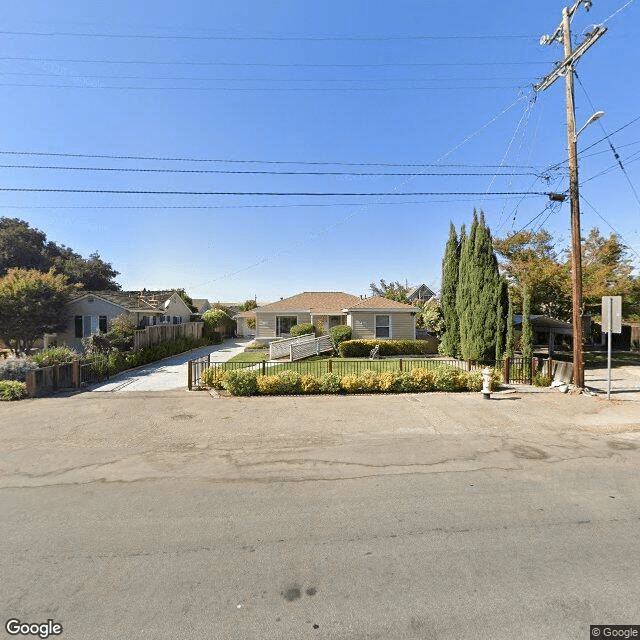
1025 Shamrock Drive, Campbell, CA 95008
For more information about senior living options: (866) 208-4318
Shamrock Residential Care Home Costs & Pricing
Shamrock Residential Care Home offers competitive pricing for its residents, significantly lower than the regional and state averages. For a semi-private room, the cost is $1,800 per month, which stands in stark contrast to the average of $3,943 in Santa Clara County and $3,333 across California. Similarly, the monthly fee for a private room at Shamrock is set at $2,500, making it more affordable than the county's average of $4,096 and California's statewide average of $3,939. This pricing structure not only highlights Shamrock's commitment to providing quality care at an accessible rate but also positions it as a cost-effective option for families seeking residential care in a region known for its high living expenses.
| Floor plans | Shamrock Residential Care Home | Santa Clara County | California |
|---|---|---|---|
| Semi-Private | $1,800 | $3,943 | $3,333 |
| Private | $2,500 | $4,096 | $3,939 |
Assisted Living communities with a similar price nearby
-
from +$195 / mo
Sunny Orchard Place
$1,995 to $3,700 / month8.0 miles away -
from +$150 / mo

Cogir of Fremont
$1,950 to $3,495 / month19.8 miles away -
from +$200 / mo
Pleasant Manor of Cupertino
$2,000 to $3,000 / month7.1 miles away -
About the same
Fremont Village
$1,800 to $3,495 / month19.6 miles away -
from +$200 / mo
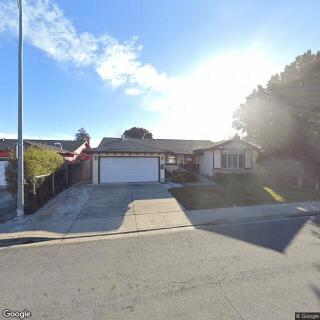
Tri City Care Home II
$2,000 to $2,500 / month20.9 miles away
Overall Review of Shamrock Residential Care Home
Pros
 It is an outstanding place of worship.
- It has very nice people working with it.
- Wonderful people are doing wonderful things for others.
Cons
 They rarely answer calls and never respond to messages.
Review
Shamrock Residential Care Home in Campbell is best suited for seniors who want a small, care-focused environment anchored by a strong spiritual community and consistently warm, people-centered staff. This is a setting where religious life and worship play an active role in daily routines, offering residents ceremonial familiarity, social connection, and a sense of belonging. The intimate size and approachable demeanor of the caregiving team make day-to-day interactions feel personal, and families who value steady, compassionate presence over formal program breadth will find substance here. It is less appropriate for those who need rapid administrative responses, highly structured oversight, or medical routines that demand a large-scale, professionalized operations.
Two clear advantages emerge from the prevailing impressions: a robust worship and community life, and a workforce that shows genuine care. The facility is described as an outstanding place of worship, with activities and leadership that reinforce a meaningful sense of community. Staff are repeatedly characterized as very nice people working with the facility, and as “wonderful people doing wonderful things for people.” For residents who thrive on spiritual engagement, social companionship, and daily warmth from caregivers, these qualities translate into tangible quality-of-life benefits, not merely aspirational ideals. The environment rewards daily kindness, personal attention, and the comfort that comes from familiar faces.
However, the most consequential drawback is a recurring issue with communication. Messages left for the facility are often not returned, and calls are “hardly picked up.” That pattern raises practical concerns for families needing timely updates about care, scheduling, billing, or changes in a loved one’s condition. In a setting that relies on coordinated, consistent contact between families and staff, this gap can create anxiety and hinder planning. While the interpersonal warmth may compensate in many moments, relying on verbal assurances without timely follow-through can erode confidence, especially during transitions or when care needs shift quickly.
The way the positives offset the negatives hinges on priorities. For families prioritizing a faith-forward environment and daily, compassionate staffing, the strengths can outweigh the communication drawbacks, provided there is active family involvement and on-site oversight. Personal relationships with caregivers may translate into intuitive know-how about a resident’s preferences, enabling smoother care even when administrative responses lag. In practice, a resident who values ritual, routine, and reassurance from familiar caregivers will likely experience a sense of security and belonging that mitigates some organizational friction.
On the other hand, alternatives should be considered for those who cannot tolerate uncertain responsiveness or who require more formalized control over care coordination. If rapid communication, transparent updates, and dependable scheduling are non-negotiable, a larger assisted living community with a structured administrative pipeline may deliver greater peace of mind. Prospective residents with evolving medical needs or those who insist on prompt escalation procedures will want to compare how Shamrock’s intimate model handles those demands against more resource-rich homes.
In sum, Shamrock Residential Care Home offers a meaningful, warmth-centered living option for seniors who prize a vibrant spiritual community and close caregiver relationships. The key decision point hinges on communication reliability and the comfort level with a smaller operation. Families should visit with a clear plan to assess administrative responsiveness on the spot, talk through how care plans are communicated, and verify how updates are delivered to relatives. If spiritual life and personal warmth define the resident’s daily happiness, Shamrock stands as a credible, solid choice; if control, speed of response, and formal oversight are non-negotiable, it is prudent to explore comparable options with more robust administrative systems.
 6 resident community capacity
 Assisted Living
 Board and Care Home
 Cats allowed
 Dogs allowed
 Cable or satellite TV
 Dining room
 Fully furnished
 Garden
 Housekeeping services
 Move-in coordination
 Outdoor space
 Private
 Telephone
 Wi-Fi/high-speed internet available
 San Jose International (6 miles away)
 24-hour supervision
 Activities of daily living assistance
 Assistance with bathing
 Assistance with dressing
 Assistance with transfers
 Diabetes diet
 Meal preparation and service
 Medication management
 Special dietary restrictions
 Transportation arrangement (medical)
 Transportation to doctors appointments

 Exploring the Path to Senior Living: A Comprehensive Look at Independent Living and Assisted Living
 Is Assisted Living Deductible on Your Taxes? Understanding the Complexities of Assisted Living Expenses and Deductions
 Assisted Living Support for Veterans: A Complete and Detailed Overview