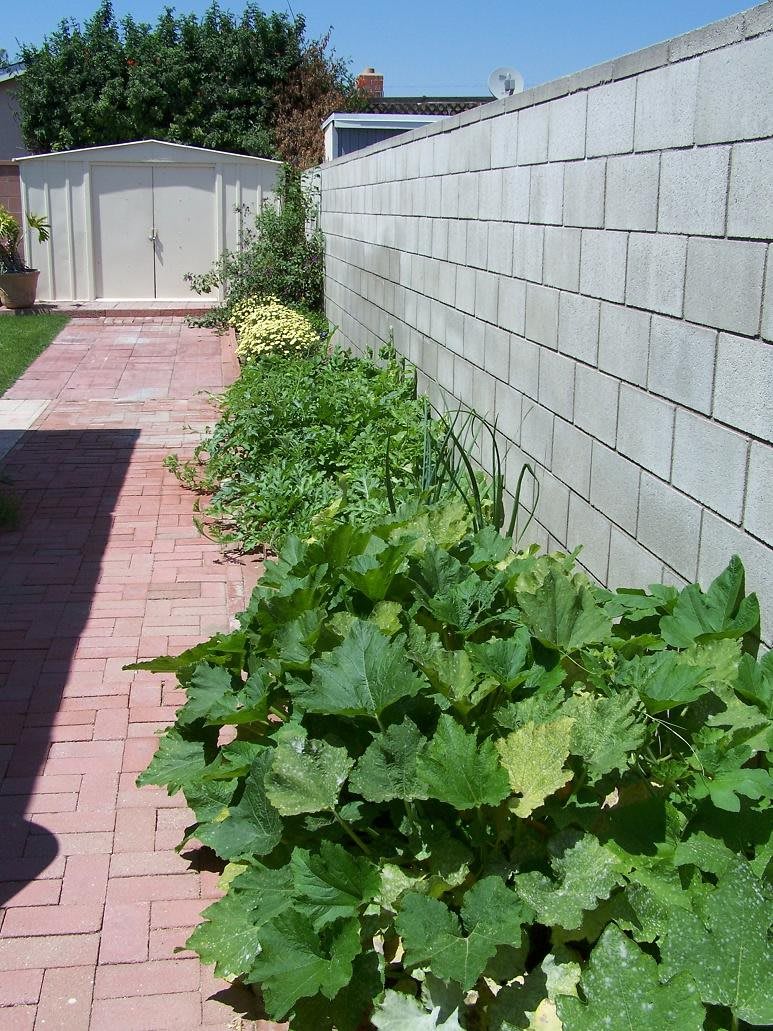
6351 San Ruben Circle, Buena Park, CA 90620
For more information about senior living options: (866) 208-4318
Buena Park Elder Care Costs & Pricing
Buena Park Elder Care offers competitive pricing for its accommodation options compared to the broader market in Orange County and California. For a semi-private room, residents pay $3,000 per month, which is notably lower than the county average of $3,431 and the state average of $3,333. Those opting for a private room will find Buena Park's rate of $4,000 also aligns favorably against Orange County's average of $4,104 and stands just above California's statewide average of $3,939. Similarly, studio accommodations are priced at $4,000 in Buena Park, which is slightly less than the county's equivalent at $4,313 but higher than the state's average of $4,145. Overall, Buena Park Elder Care combines affordability with quality care in a region where costs can often be prohibitive.
| Floor plans | Buena Park Elder Care | Orange County | California |
|---|---|---|---|
| Semi-Private | $3,000 | $3,431 | $3,333 |
| Private | $4,000 | $4,104 | $3,939 |
| Studio | $4,000 | $4,313 | $4,145 |
Memory care communities with a similar price nearby
-
from +$500 / mo
Kind Heart Home Care VI
$3,500 to $5,000 / month16.4 miles away -
from -$200 / mo
Candlewood Care Home III
$2,800 to $3,400 / month14.2 miles away -
from -$200 / mo
Leah Loving Elderly Care
$2,800 to $3,000 / month9.7 miles away -
from -$300 / mo
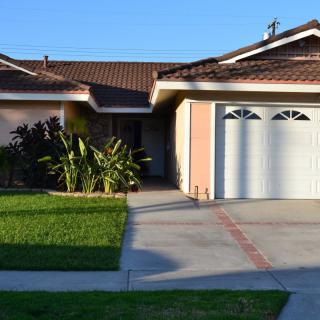
Loving Care Senior Home
$2,700 to $3,500 / month10.3 miles away -
from +$500 / mo
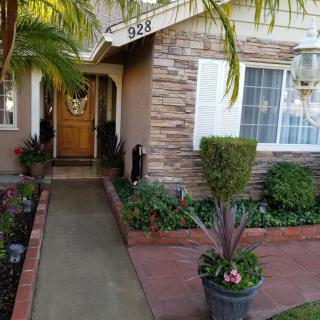
Comfort Keepers Home Care
$3,500 to $6,500 / month9.8 miles away
Overall Review of Buena Park Elder Care
Pros
 They describe Buena Park Elder Care as the best place ever and would recommend it to other families.
- They felt comfortable because the caregivers genuinely cared, and the administrator was kind and knowledgeable.
- They believe it is the best place for their mom and have started the admissions process.
- Everything has gone very well for their mom; she moved in without problems and is being well cared for, relaxed, and seems better.
- The staff are helpful and caring, and the meals are appealing; activities are available for residents who want to participate.
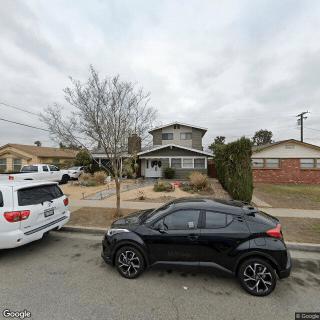
- The community is great: a nice quiet neighborhood, very clean, with a caring attitude, and residents’ needs are taken seriously and accommodated; families are kept informed to work as a team.
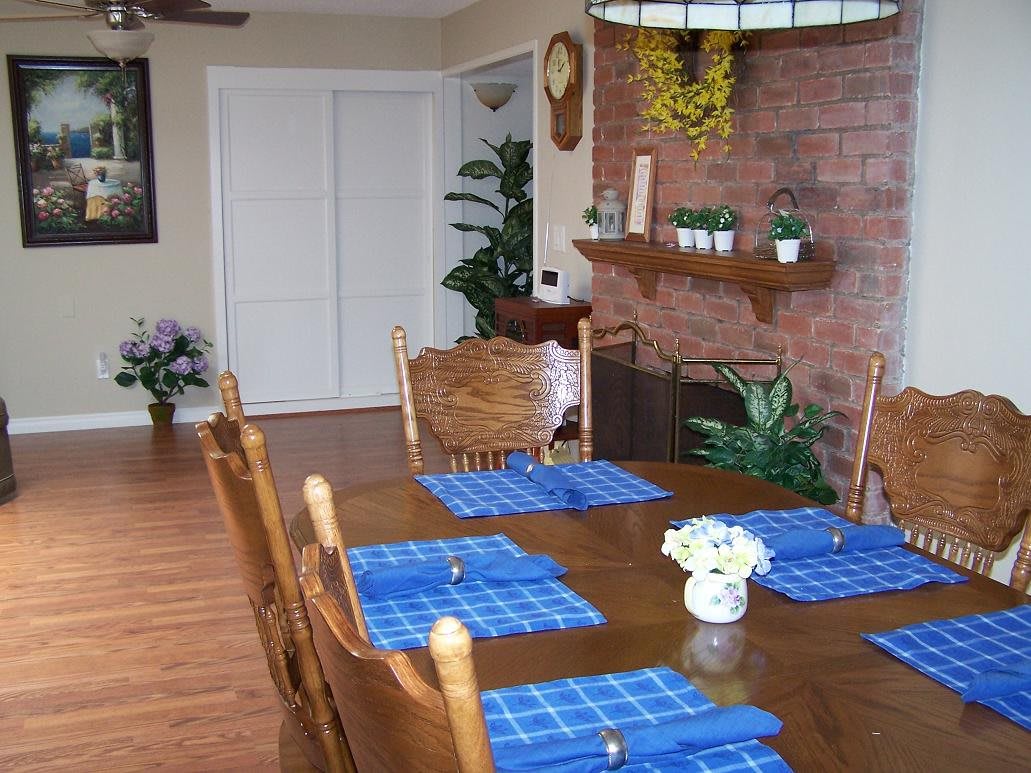
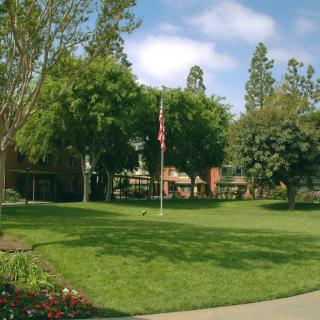
- Caregivers interact with residents, provide family-style meals, and there are pleasant outdoor spaces like a patio and garden.
- The sweetest staff member is noted, reflecting positive impressions of the caregiving team.
Cons
 They couldn't rate the activities because their mom was not really coherent most of the time.
- They thought the place might not be completely optimal, though it was still a good place.
- They were told there was no vacancy.
Review
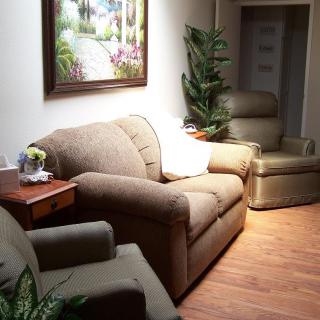
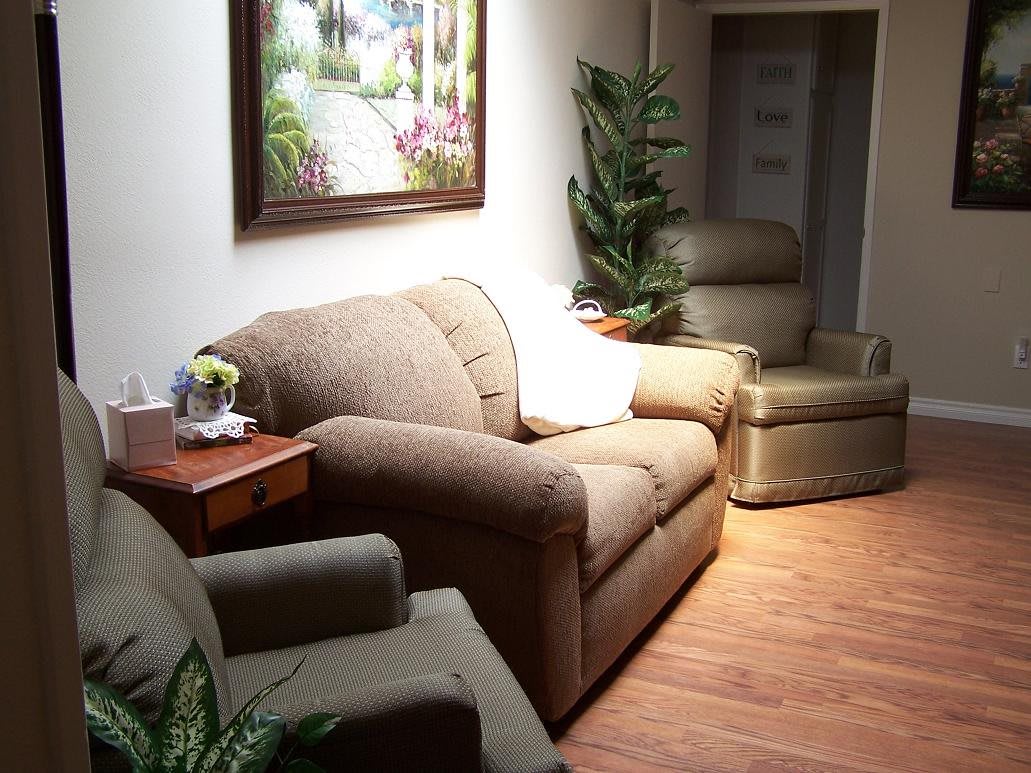
Best suited for families seeking a warm, home-like assisted living in Buena Park where everyday care feels personal and reliable. Buena Park Elder Care shines for residents who prefer a calm, well-kept neighborhood setting and value caregivers who treat daily routines with patience and respect. The community earns trust through an administrator described as kind and knowledgeable, and through staff who consistently demonstrate genuine caregiving. It is especially apt for seniors who need steady help with daily activities and companionship, without requiring hospital-like medical oversight on site. The emphasis on atmosphere, familiar routines, and clear family communication makes it a strong match for those prioritizing peace of mind and consistent human connection.
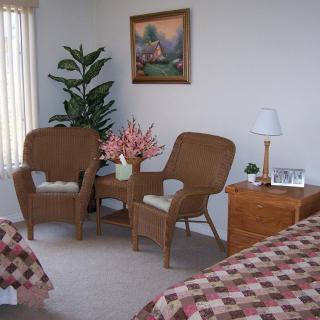
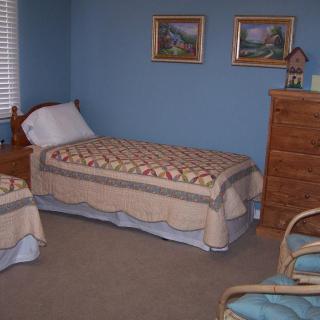
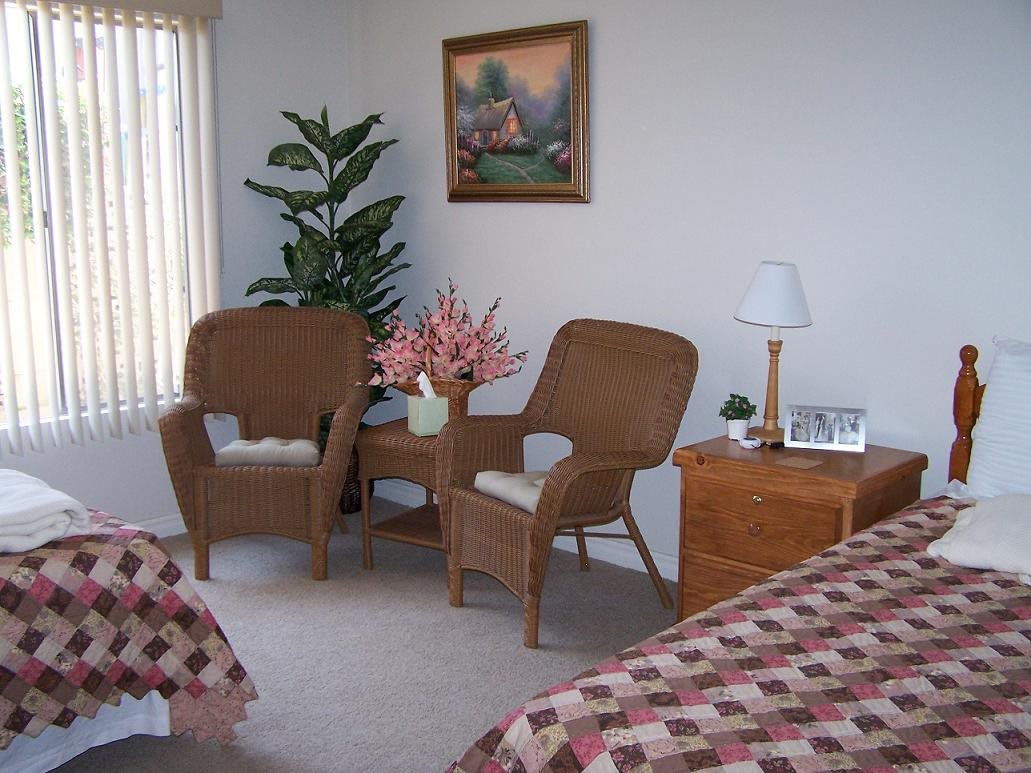
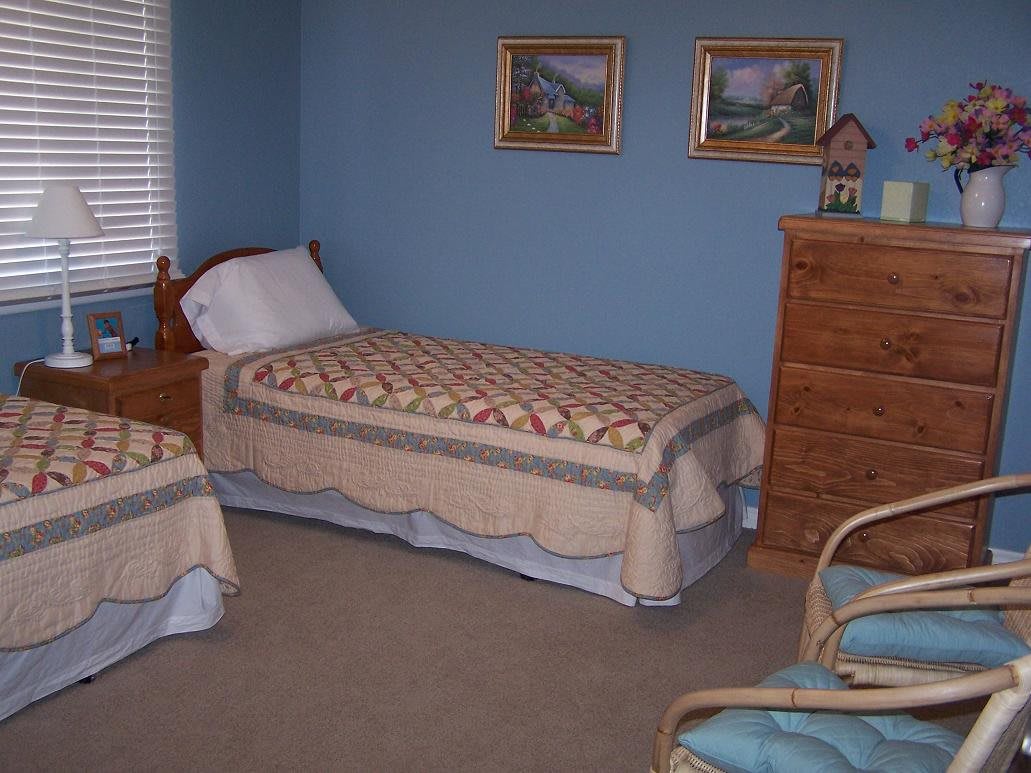
For households weighing options, consider alternatives if larger space, more expansive programming, or advanced medical oversight are non-negotiable. The rooms are relatively modest, basic 10x10 layouts, so families seeking deluxe living areas or apartment-style independence may find other communities a better fit. Availability appears limited at times, with references to full capacity, which can delay moves for immediate needs. Price sits in a mid-range zone (roughly $3,800–$4,000 depending on incontinence status), which may push families toward facilities that offer more aggressive care packages or different funding structures. For residents needing specialized memory care or continuous clinical monitoring, a larger campus with dedicated memory units could be a wiser choice.
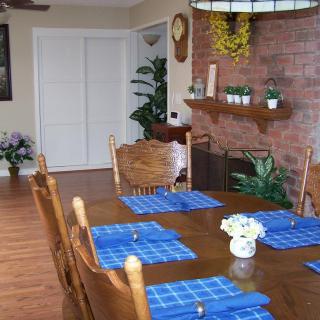
The strongest advantages, caring, approachable staff and a home-like routine, offset several common drawbacks. Families repeatedly report that caregivers genuinely care and that the administrator communicates issues promptly, enabling teams to resolve problems efficiently. Meals are described as appealing and prepared on-site, reinforcing a sense of domestic comfort rather than institutional dining. Small, value-added features such as a yard with citrus trees, a tiny garden, and even a resident dog contribute to a lived-in, comforting environment. When daily life centers on dependable, respectful attention and transparent communication, the trade-off of smaller spaces and a lean activity slate becomes manageable, even welcome, for many residents and their families.
There are practical tensions to acknowledge. The environment prioritizes a home atmosphere over expansive common areas or formal programming, so residents seeking a broad array of structured activities may feel under-engaged. Space constraints can amplify concerns about privacy and personal living quality for some, especially if larger private rooms or more separation are desired. Safety infrastructure relies on practical solutions like baby monitors, which are effective but signal that clinical staffing is not as visible or omnipresent as in larger facilities. These realities matter for families evaluating the balance between intimate care and the reassurance that comes from robust, round-the-clock medical oversight.
Decision-making hinges on resident profile and family goals. For those who value warmth, steady daily routines, and transparent communication in a smaller, quieter setting, Buena Park Elder Care stands out as a highly practical and dependable choice. It delivers consistent caregiving and daily life that feels lived-in and safe, with staff who know residents well and keep families closely informed. If, instead, the priority is a larger campus with extensive programming or immediate access to advanced clinical services, or if a move is urgent, exploring alternatives with these strengths is advisable.
Actionable next steps are straightforward. Schedule a visit to observe caregiver interactions firsthand and to gauge whether the day-to-day cadence matches the resident’s preferences. Confirm current vacancy, exact room options, and what the cost includes, especially incontinence-related charges. Inquire about pet policies, the possibility of family visits, and who will serve as the primary point of contact for ongoing updates. Seek clarity on the daily schedule, available activities, and how personal interests are accommodated. When alignment is found between needs and the compassionate, personal care offered here, Buena Park Elder Care emerges as a grounded, practical choice that delivers reliable support in a comfortable, home-like setting.
 6 resident community capacity
 Assisted Living
 Board and Care Home
 Memory Care
 Cats allowed
 Dogs allowed
 Activities on-site
 Bath tubs
 Cable or satellite TV
 Devotional services off-site
 Dining room
 Fully furnished
 Garden
 Housekeeping services
 Indoor common areas
 Move-in coordination
 Outdoor common areas
 Private
 Respite or short term stays offered
 Telephone
 Wheelchair accessible showers
 Wi-Fi/high-speed internet available
 Long Beach (Daugherty) (8 miles away)
 24-hour supervision
 Assistance with bathing
 Assistance with dressing
 Assistance with transfers
 Diabetes diet
 Diabetic care
 High acuity care
 Meal preparation and service
 Medication management
 Special dietary restrictions
 Transportation arrangement (medical)
 Transportation to doctors appointments
 Christian services
 Exploring the Power of Reminiscence Therapy for Individuals With Dementia
 An In-Depth Look at Reminiscence Therapy in Dementia Care
 Dementia-Related Hallucinations: Causes, Experiences, and Practical Approaches