
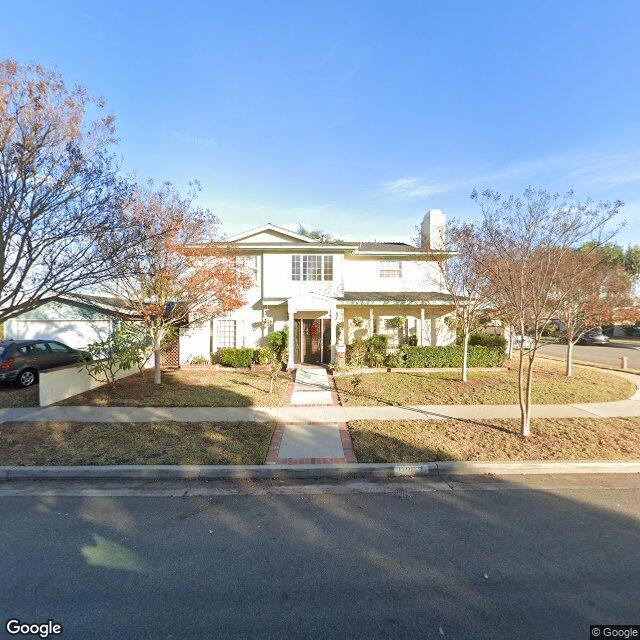
8052 San Lucas Circle, Buena Park, CA 90620
For more information about senior living options: (866) 208-4318
Sunny Crest Guest Home 1 Costs & Pricing
Sunny Crest Guest Home 1 offers competitive pricing for its accommodations, with costs significantly lower than both Orange County and statewide averages in California. For a semi-private room, residents pay $2,500 per month, which is approximately $931 less than the county average of $3,431 and $833 below the state average of $3,333. Private and studio rooms are also priced attractively at $3,000 each; these rates contrast sharply with the county's private room rate of $4,104 and studio rate of $4,313. Overall, Sunny Crest presents a cost-effective option for those seeking quality care in a comfortable environment while navigating the higher costs typically associated with assisted living in California.
| Floor plans | Sunny Crest Guest Home 1 | Orange County | California |
|---|---|---|---|
| Semi-Private | $2,500 | $3,431 | $3,333 |
| Private | $3,000 | $4,104 | $3,939 |
| Studio | $3,000 | $4,313 | $4,145 |
Memory care communities with a similar price nearby
-
from +$300 / mo
Candlewood Care Home III
$2,800 to $3,400 / month14.6 miles away -
from -$100 / mo
Living Well Care Home
$2,400 to $3,200 / month6.4 miles away -
from +$300 / mo
Leah Loving Elderly Care
$2,800 to $3,000 / month10.3 miles away -
from +$200 / mo
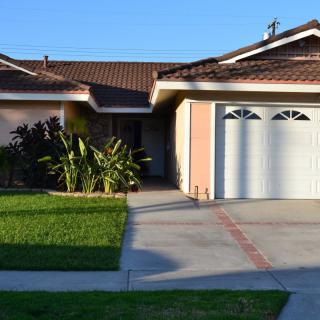
Loving Care Senior Home
$2,700 to $3,500 / month11.0 miles away -
from -$200 / mo
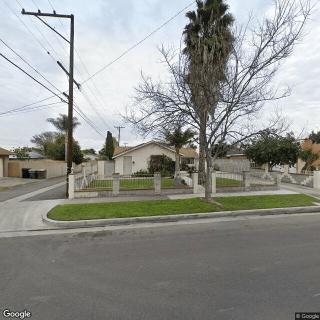
Bronwyn Residential Care
$2,300 to $3,500 / month2.6 miles away
Overall Review of Sunny Crest Guest Home 1
Pros
 Sunny Caregiving Services is described as the best caregiving company in Orange County.
- It provides unmatched care at a very fair price.
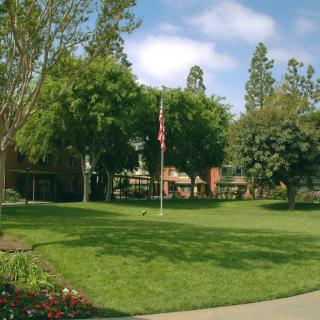
- The environment around the service is described as nice and comfortable.
- The guests are described as nice.
Cons
 The service quality was described as incredibly poor.
- The owners have heavy accents and are hard to understand at times.
Review
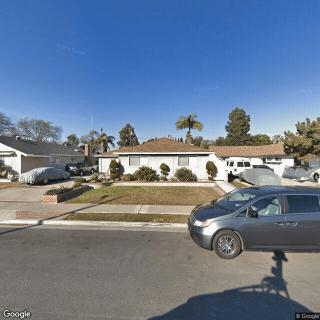
Sunny Crest Guest Home 1 is best suited for families seeking a compact, home-like senior living option in Buena Park where care feels deeply personal and highly responsive. This setting works best for residents who thrive on routine, privacy, and a calm, intimate atmosphere rather than a bustling campus with a wide calendar of activities. It’s an ideal match for someone who values consistent, hands-on attention from caretakers who are on site full time, and who doesn’t mind a smaller peer group. In short, this is the choice for families willing to trade scale for individualized care, stability, and a true sense of “being looked after” in a private home environment.
Those who should consider alternatives are clear from the same observations. The small scale and on-site ownership can be limiting for residents who require fluent English communication across a broader staff, or who need regular access to nursing staff, specialized therapy, or a robust social program. With only a few residents and a pair of live-in caregivers, opportunities for socialization beyond the immediate circle may be limited. Families needing memory care supports, frequent medical oversight, or more structured activities should look at larger assisted living communities or facilities with dedicated nursing teams and more diverse programming.
The strongest positives here revolve around the on-site, family-style care. The owners live in the home full time, which tends to yield high responsiveness and continuity of care. The small, three-resident setting supports highly individualized attention, quick problem-solving, and the kind of daily familiarity that can reduce anxiety for both residents and families. The atmosphere comes across as comfortable and reassuring, with caregivers who appear genuinely invested in the residents’ well-being. In this framework, care plans can be tailored with a level of direct involvement that is hard to achieve in bigger facilities, and that personalized touch often translates into reliable daily routines and a sense of security.
However, the main drawbacks are real and symmetrical to the strengths. Communication can be challenging if language barriers exist, given the explicit note about accents, which can impede clarity in medical updates, care instructions, and emergency decisions. The home’s very small footprint, essentially a single-household operation with three guests, limits social interaction, activity variety, and peer-supported engagement. It also concentrates responsibility on the two live-in caregivers; any illness or absence could disrupt coverage more than in a multi-staff environment. For families prioritizing robust programming, frequent activity options, or diverse staff availability, these constraints will feel acute.
To make a well-informed decision, prospective families should structure a guided visit around practical checkpoints. Observe how meals are served and how residents are engaged during the day. Ask to speak with current residents or family members about responsiveness and reliability. Inquire about staffing ratios, backup coverage, and the process for urgent medical needs. Confirm licensing and certification details, and clarify language preferences to ensure smooth communication with caregivers. Bring a candid list of must-haves and deal-breakers, and test-drive the setting by staying during a meal or a routine activity to assess fit.
The bottom line: Sunny Crest Guest Home 1 offers a compelling option for families who prize intimate, owner-operated care, stability, and a homey vibe over institutional scale. It is less suited for those who require extensive nursing support, dynamic programming, or language-flexible staff, or who want a larger resident community. With an overall rating of 4.3 from three reviews, the sentiment is positive but data are limited, underscoring the importance of a firsthand visit to verify alignment with needs. When the fit is right, this setting can deliver remarkable attentiveness and peace of mind; when it isn’t, the lack of breadth in services and staffing becomes a meaningful hurdle.
 4 resident community capacity
 Assisted Living
 Board and Care Home
 Memory Care
 Cats allowed
 Dogs allowed
 Cable or satellite TV
 Dining room
 Fully furnished
 Garden
 Housekeeping services
 Move-in coordination
 Outdoor space
 Private
 Telephone
 Wi-Fi/high-speed internet available
 Long Beach (Daugherty) (7 miles away)
 24-hour supervision
 Activities of daily living assistance
 Ambulatory care
 Assistance with bathing
 Assistance with dressing
 Assistance with transfers
 Diabetes diet
 Diabetic care
 Meal preparation and service
 Medication management
 Special dietary restrictions
 Transportation arrangement (medical)
 Transportation to doctors appointments
 22 Remarkable Caregiver Support Groups Available Online and In-Person
 Understanding Medicaid Coverage for Assisted Living: A Comprehensive Guide
 How and When Medicaid May Cover Assisted Living Costs