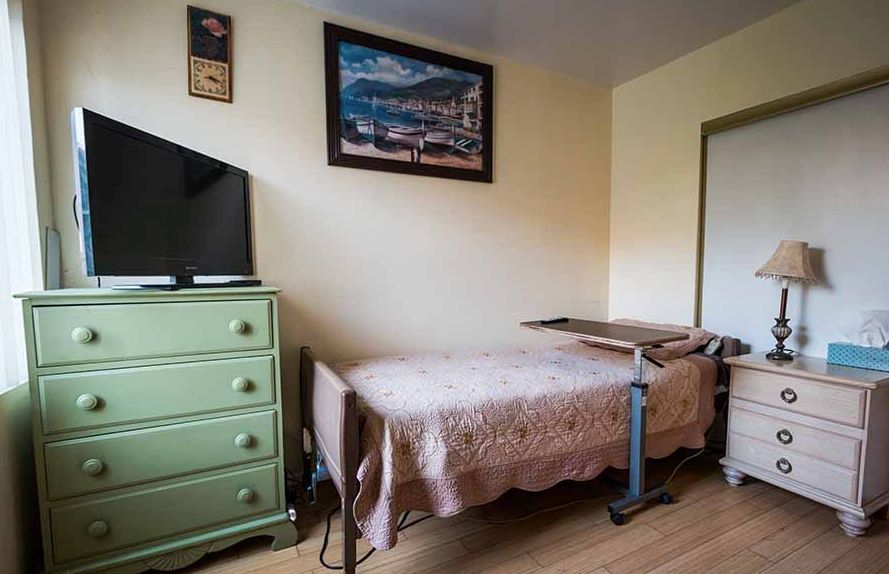
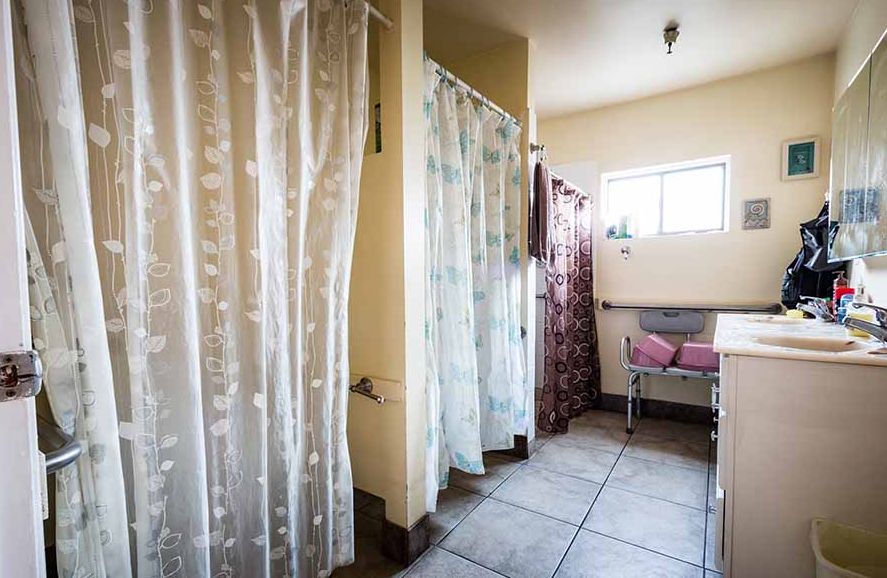
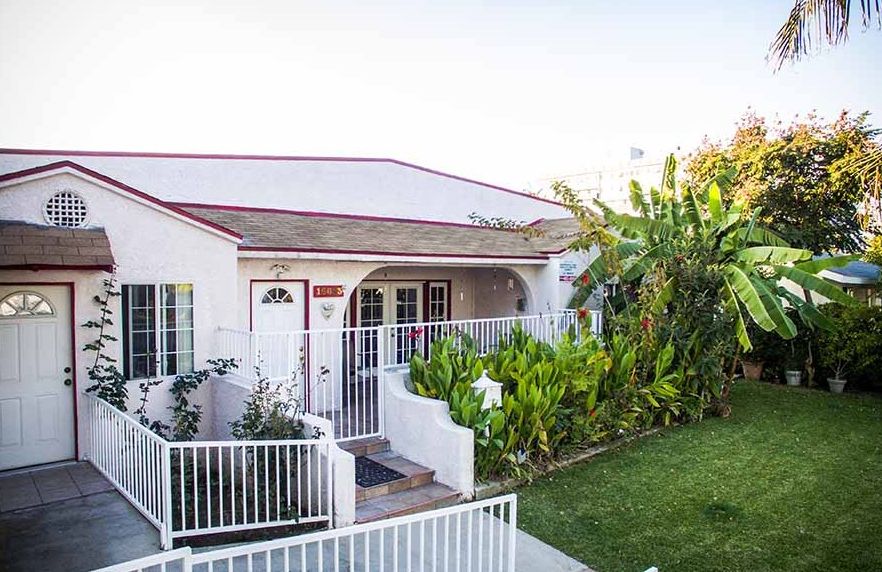
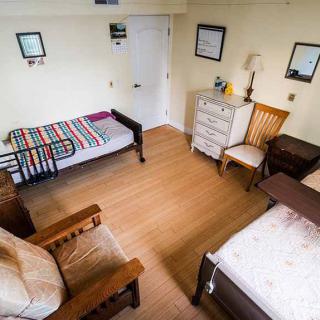
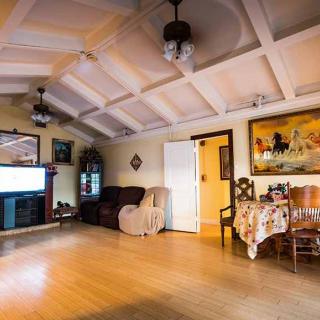
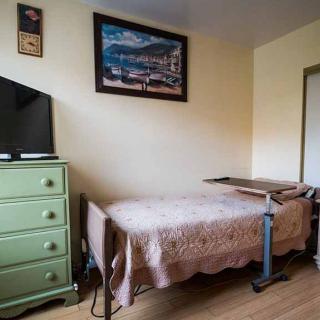
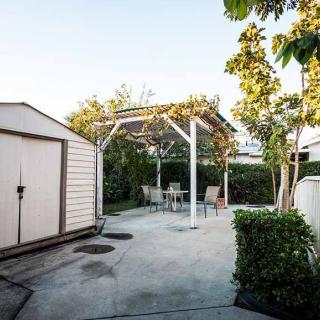
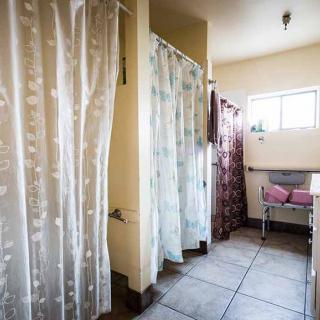
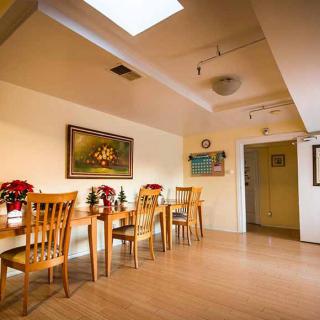
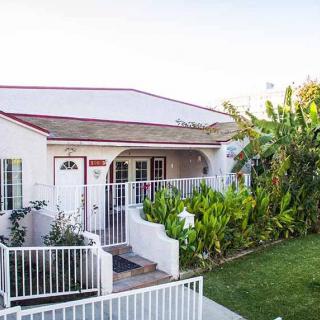
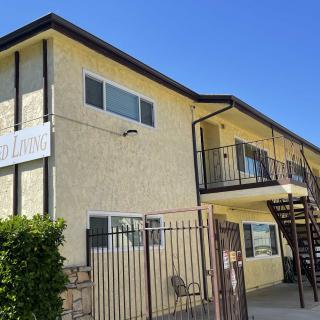
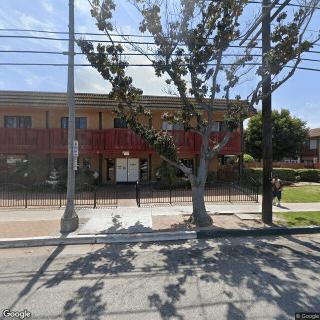
16623 Ardmore Avenue, Bellflower, CA 90706
For more information about senior living options: (866) 208-4318
Simla Villas Costs & Pricing
Simla Villas offers competitive monthly rates for its accommodations when compared to the broader market in Los Angeles County and throughout California. For semi-private rooms, residents can expect to pay $3,000 per month, which is notably lower than the county average of $3,349 and California's average of $3,333. Private rooms are priced at $4,000, slightly below the county's rate of $4,197 but above the state average of $3,939. Similarly, studio apartments are offered at $4,000 each month, which positions them right below Los Angeles County's average of $4,172 and California's statewide figure of $4,145. Overall, Simla Villas provides cost-effective options that cater to various needs while remaining mindful of regional pricing trends.
| Floor plans | Simla Villas | Los Angeles County | California |
|---|---|---|---|
| Semi-Private | $3,000 | $3,349 | $3,333 |
| Studio | $4,000 | $4,172 | $4,145 |
| Private | $4,000 | $4,197 | $3,939 |
Memory care communities with a similar price nearby
-
from +$500 / mo
Kind Heart Home Care VI
$3,500 to $5,000 / month11.0 miles away -
from -$200 / mo
Candlewood Care Home III
$2,800 to $3,400 / month21.1 miles away -
from -$200 / mo
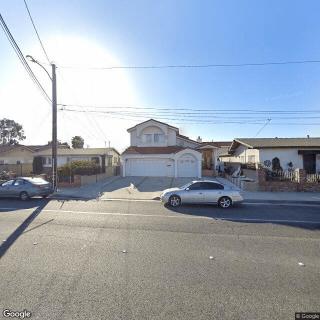
Leah Loving Elderly Care
$2,800 to $3,000 / month15.9 miles away -
from -$300 / mo
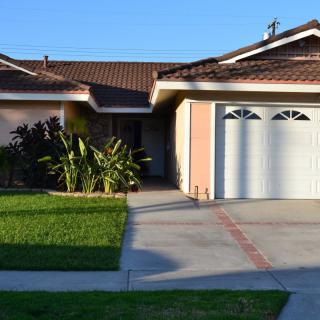
Loving Care Senior Home
$2,700 to $3,500 / month16.1 miles away -
from +$500 / mo
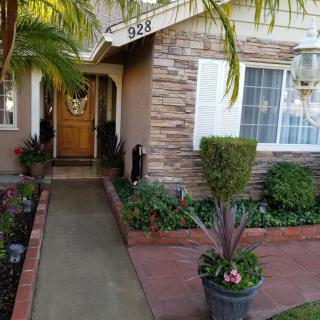
Comfort Keepers Home Care
$3,500 to $6,500 / month13.7 miles away
Overall Review of Simla Villas
Pros
 The facility is clean, smells pleasant, and the staff are very helpful.
- The environment offers a great social setting for residents and their families.
- The staff celebrate residents' birthdays and maintain inviting decorations.
- The staff take excellent care of residents.
- Simla Villas Bellflower is roomy and the staff are great.
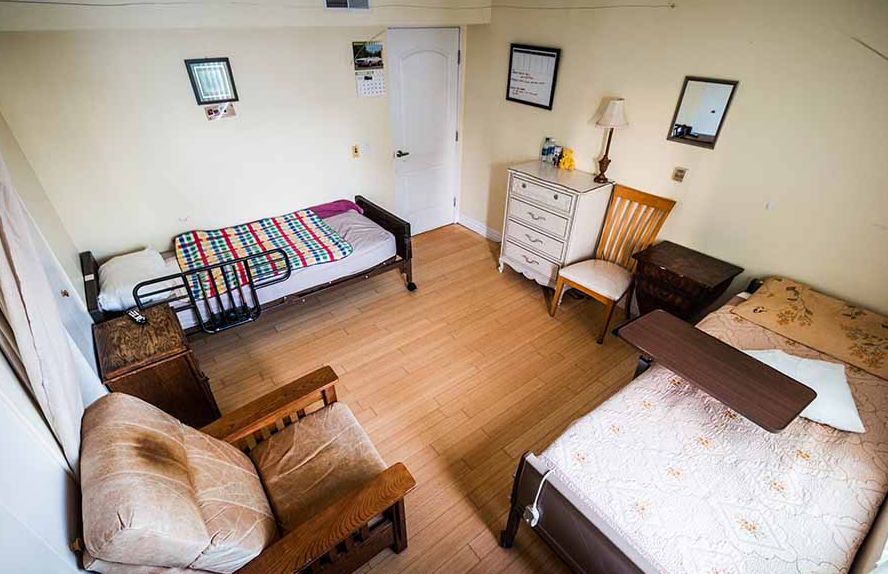
- The rooms are clean and spacious, and the facility is friendly and well kept.
Cons
 They were not attentive to the aunt.
- They didn't care.
- They would not recommend it.
- The staff were not very attentive or vigilant toward their dementia patients.
- They pressured her to put her on anti-anxiety meds.
- The facility was adequate, but weird.
Review
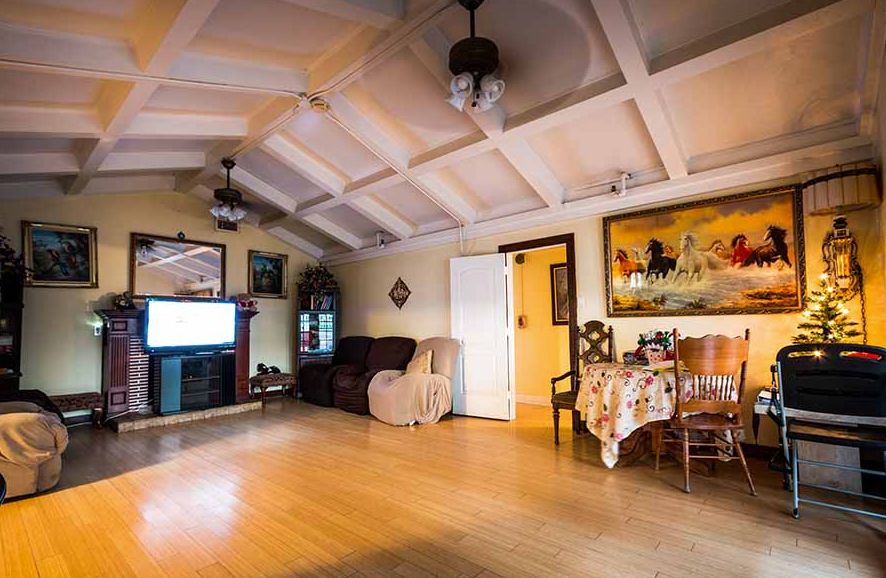
Simla Villas in Bellflower is best suited for families seeking a warm, home-like assisted-living experience with a clearly social rhythm. The community reads as mid-sized, roughly 15 residents, splitting the difference between intimate attention and enough company for everyday life. For seniors who value companionship, scheduled events, and a tidy, well-kept environment, this setting offers steady engagement and approachable staff. It works well for those who enjoy a cheerful atmosphere, birthday celebrations, and décor-driven daily life. That said, it is not the ideal choice for families whose loved one requires intensive memory-care supervision or constant, high-risk transfer assistance.
Cleanliness and a friendly, responsive staff surface repeatedly in reviews. The home-like atmosphere supports a social calendar, movie nights, activities, and visible community interaction. The 15-bed scale is repeatedly praised as the right balance: enough residents to feel engaged, but not so many that attention slips. Staff are described as helpful and accommodating, willing to fulfill requests and to celebrate birthdays, contributing to a sense of daily warmth and attentiveness. When memory or mobility needs aren’t extreme, these factors translate into a dependable, positive day-to-day experience.
However, several voices issue caution around dementia care and wandering. The presence of multiple residents with memory challenges can complicate safety, and some reviewers felt staff were not sufficiently attentive or vigilant about wandering or entering others’ rooms. In those cases, the home-like setting can feel less secure, and some families experienced a mismatch between expectations and observed supervision. This is a meaningful caveat for families prioritizing strong, consistent dementia-specific protocols and robust wandering management.
Another practical constraint is the reality of caregiving capacity. Recurrent comments note that some caregivers may not be physically large enough to assist with transfers, which can leave residents seated longer than optimal. For seniors with limited mobility, that lapses into safety and comfort risks. A related theme concerns medication decisions; at least one reviewer reported pressure to medicate, underscoring the need for clear, person-centered plans and informed consent. These issues don’t negate the positives, but they do demand careful scrutiny during visits and conversations.
Prospective families should pursue a thorough in-person tour that simulates a typical day. Key questions should cover transfer protocols, dementia training, and strategies for wandering safety, as well as shift-by-shift staffing ratios. Ask how meals and activities are adapted for cognitive or mobility needs, and whether private rooms with private baths are available to preserve dignity. Most importantly, observe whether staff interactions feel consistently attentive beyond cordial greetings, and request concrete examples of individualized care adjustments.
When the social fabric, cleanliness, and staff warmth align with a loved one’s preferences, Simla Villas delivers a credible, home-forward option in Bellflower. The decision hinges on care requirements: if wandering risk, high-transfer needs, or rigorous memory-care supervision are central issues, consider alternatives with stronger dementia supports or higher staffing ratios. For families prioritizing a lively routine, approachable staff, and a mid-sized home environment, Simla Villas warrants serious consideration, provided those needs can be met through purposeful care planning and transparent expectations.
 15 resident community capacity
 1-bedroom apartments
 Assisted Living
 Board and Care Home
 Memory Care
 Activities on-site
 Cable or satellite TV
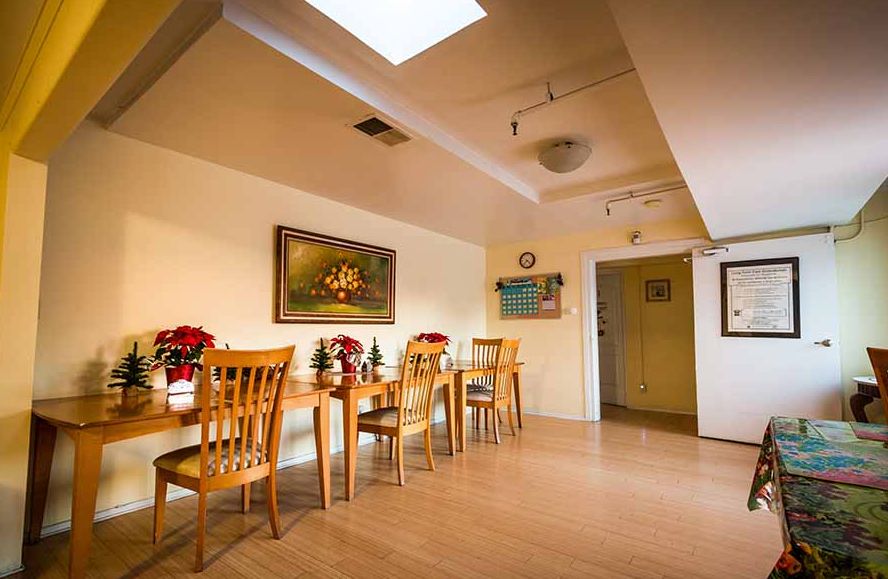
 Dining room
 Fully furnished
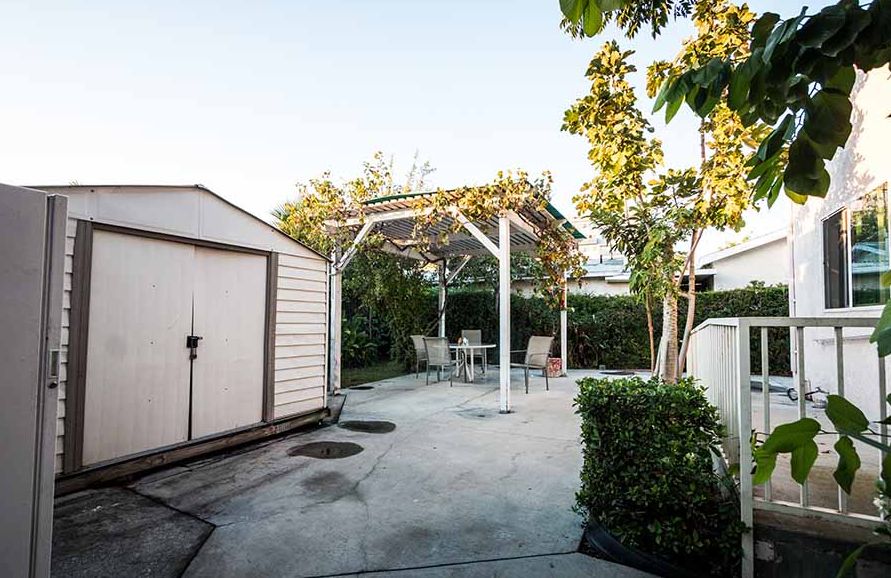
 Garden
 Housekeeping services
 Indoor common areas
 Move-in coordination
 Outdoor common areas
 Private
 Private bathrooms
 Respite or short term stays offered
 Telephone
 Wheelchair accessible showers
 Wi-Fi/high-speed internet available
 Long Beach (Daugherty) (5 miles away)
 24-hour supervision
 Assistance with bathing
 Assistance with dressing
 Assistance with transfers
 Diabetes diet
 Diabetic care
 High acuity care
 Incontinence care
 Meal preparation and service
 Medication management
 Special dietary restrictions
 Transportation arrangement (medical)
 Transportation to doctors appointments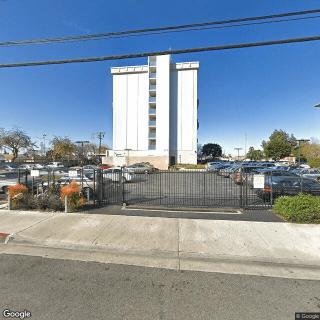


 How to Communicate with a Loved One Living with Dementia: 10 Supportive Strategies
 Comprehensive Guide to VA Nursing Homes: A Crucial Long-Term Care Resource for Veterans
 Estimating the Expenses of At-Home Dementia Care: A Detailed Exploration