
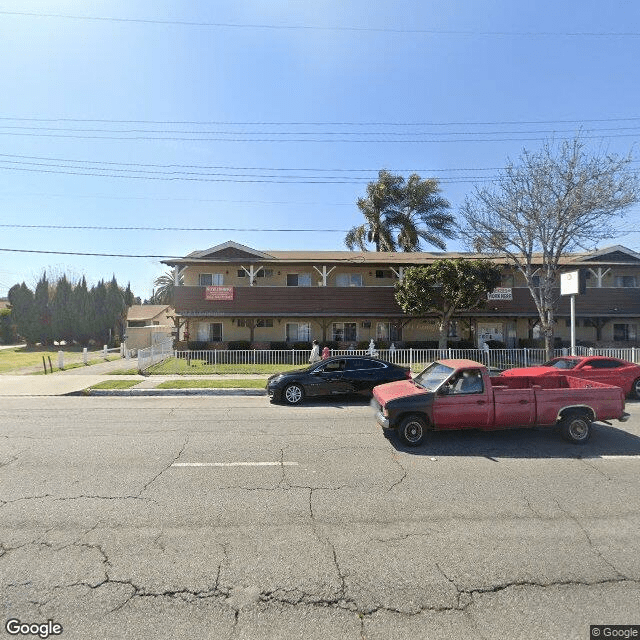
16409 Woodruff Avenue, Bellflower, CA 90706
For more information about senior living options: (866) 208-4318
Woodruff Care Home Costs & Pricing
Woodruff Care Home offers a compelling value for those seeking assisted living options, with monthly costs significantly lower than both Los Angeles County and statewide averages. For a semi-private room, residents pay $1,200, which is substantially less than the county average of $3,349 and the state average of $3,333. Similarly, the cost for a studio at Woodruff Care Home is set at $2,000, well below the county's average of $4,172 and California's average of $4,145. This pricing structure not only makes Woodruff Care Home an appealing choice for individuals looking for affordable care but also reflects a commitment to providing quality living arrangements without sacrificing essential services.
| Floor plans | Woodruff Care Home | Los Angeles County | California |
|---|---|---|---|
| Semi-Private | $1,200 | $3,349 | $3,333 |
| Studio | $2,000 | $4,172 | $4,145 |
Assisted Living communities with a similar price nearby
-
About the same
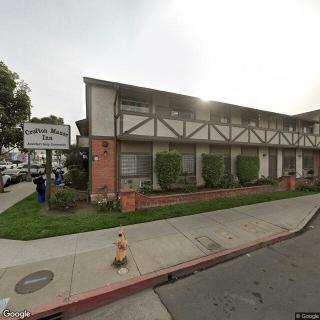
Crofton Manor Inn
$1,200 to $2,000 / month8.3 miles away -
from +$150 / mo

Wilshire Manor
$1,350 to $2,200 / month11.1 miles away -
from -$121 / mo

The Grandview
$1,079 to $2,400 / month15.2 miles away -
About the same
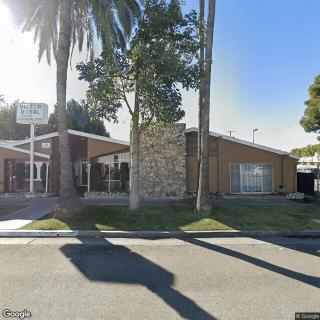
Victor Royale Adult Living
$1,200 to $2,500 / month18.5 miles away -
from +$100 / mo

Vista Veranda Assisted Living
$1,300 to $1,800 / month6.2 miles away
Overall Review of Woodruff Care Home
Pros
 The staff are described as knowledgeable, nice, and friendly.
- The rooms are larger than expected and comfortable.
- The dining area is open and bright, and residents are encouraged to mingle at meals.
- The facility is clean, well-kept, and filled with natural light, and residents seem happy.
- Under new ownership, there have been definite improvements and the care is described as better.
- The staff are accommodating and professional, with examples of individuals like Zena who bring joy to the patients.
- The tours are led by staff who know the place well and can answer questions.
- One reviewer considers Woodruff Care Home to be a terrific, value-conscious residential care option.
Cons
 They describe the facility as the worst, with nurses who are incompetent and should be shut down by the state.
- They claim a resident received zero rehab, was given the wrong meds, and rolled out of bed after rails were kept down, resulting in broken ribs.
- They allege mold, water damage, an aging roof, and overworked nurses who don’t respond to call bells or adequately care for patients.
- They report belongings being lost or stolen (purse, wheelchair legs, clothes) while at the center.
- They describe the environment as dark, unwelcoming, and poorly maintained, with a dining area and rooms that lack light and warmth.
- They recount neglect and abuse claims, including ignored call buttons, patients left in soiled beds, and staff who disrespect or mistreat residents.
Review
Woodruff Care Home in Bellflower is best suited for families seeking a modest, value-driven long‑term option where daily routines, a home‑like atmosphere, and personal attention from staff matter more than luxury or high-end amenities. The community tends to attract residents who are reasonably independent but need daily assistance, with larger rooms and a bright, open feel that partners well with family visits. Those who value straightforward dining and the possibility of meals being brought to a room, yet still want opportunities to mingle during meals, will find the setting workable. Since several reviews highlight improvements under new ownership, this is a facility that can surprise with stability when management is aligned and staff are engaged.
Alternatives should be strongly considered for families whose priority is robust rehabilitation, aggressive medical oversight, or stringent safety standards. If rehab is a primary goal, or if round‑the‑clock medical responsiveness and meticulous infection control are nonnegotiable, other communities with higher staffing ratios and proven rehab outcomes may serve better. Those seeking a modern, meticulously updated environment with the most current safety features may be disappointed here, as the building’s age and occasional maintenance concerns recur in feedback. Families with loved ones who require consistent, immediate emergency responsiveness should approach this option with caution and ideally seek a facility with a longer track record of reliable call bells and rapid nurse response.
The most credible pros center on staff engagement and the overall ambiance when operations feel stabilized. Several reviewers praise caring, knowledgeable staff, the cleanliness of spaces, and the bright, open dining area that fosters social interaction. Large rooms and a layout that accommodates practical needs, such as meals in the room when necessary, are valuable for residents who value dignity and convenience without excessive escalation to hospital-level care. Positive notes about new leadership and ongoing remodeling also signal that the community can rise above its rougher past, offering a more welcoming and orderly environment for residents who respond well to consistently pleasant staff interactions and a sense of structure.
Yet the cons are not easy to dismiss and, in aggregate, they significantly temper the positives. Across multiple accounts, care gaps and safety concerns recur, nurses managing very high patient loads, delayed responses to call bells, and instances where basic medical needs were not promptly addressed. End‑of‑life experiences and rehab outcomes are described as particularly distressing in some families, including reports of neglected comfort, medication issues, and a general sense of being overlooked. Infrastructure and environmental drawbacks, mold, water damage, aging ceilings, and a building that feels undersized for the number of residents, further erode confidence for families who weigh safety, dignity, and long‑term viability. These factors collectively push needful families toward more conservative choices or communities with clearer track records of medical oversight and facility upkeep.
Weighing the practical realities, Woodruff Care Home can work for families who are vigilant and prepared to supervise care closely, advocate assertively for immediate attention, and accept a setting that is more home‑like than hospital‑like. Prospective residents with relatively modest care needs, strong family involvement, and tolerance for an older building can find value in the intimate feel, room flexibility, and the potential for a stable, caring staff when management is engaged. However, for those facing significant rehab requirements, memory‑care challenges, or stringent safety expectations, this community may fall short. Tour thoroughly, ask pointed questions about staffing ratios, med administration procedures, responsiveness to emergencies, and current remediation efforts, and listen for consistency in answers and observable changes during the visit.
In the end, Woodruff Care Home earns its mixed reputation through a clear split between hopeful improvements and stubborn safety anxieties. The decision should hinge on the resident’s care needs, the family’s capacity to monitor and advocate, and the willingness to trade a few aging infrastructure drawbacks for the possibility of genuinely compassionate daily care. If ongoing oversight, reliable medication management, and robust safety standards are non‑negotiable, alternatives with stronger rehab credentials and tighter operational controls are advisable. If a warmer, more affordable, home‑like setting with potential for steady improvement fits the situation, Woodruff may be worth a determined, hands‑on pilot period.
 88 resident community capacity
 Studio apartments
 Assisted Living
 Activities on-site
 Air-conditioning
 Beautician on-site
 Cable or satellite TV
 Computer center
 Devotional services off-site
 Dining room
 Fitness room
 Fully furnished
 Gaming room
 Garden
 Housekeeping services
 Indoor common areas
 Kitchenette
 Laundry
 Move-in coordination
 Outdoor common areas
 Private bathrooms
 Restaurant-style dining
 Small library
 Telephone
 Wellness center
 Wi-Fi/high-speed internet available
 Long Beach (Daugherty) (5 miles away)
 Community operated transportation
 12-16 hour nursing
 24-hour call system
 Ambulatory care
 Assistance with bathing
 Assistance with dressing
 Assistance with transfers
 Diabetes diet
 Diabetic care
 Medication management
 Mental wellness program
 Special dietary restrictions
 Concierge services
 Planned day trips
 English





 Medicare Coverage for Assisted Living: An In-Depth Exploration
 Choosing the Right Senior Care: A Detailed Exploration of Assisted Living and Nursing Homes
 Understanding the True Cost of Assisted Living in 2025: A Comprehensive Guide