A Comfort Care Home offers competitive monthly rates compared to both Kern County and the wider California market. For a semi-private room, residents can expect to pay $2,700, which is notably lower than the county average of $2,887 and the state average of $3,333. Likewise, for those seeking a one-bedroom accommodation or a private room, A Comfort Care Home maintains its affordability with a rate of $3,500 - slightly below Kern County's average of $3,873 and on par with the state's average of $3,939 for private quarters. These pricing structures make A Comfort Care Home an appealing option for families seeking quality care while being mindful of their budget in comparison to regional costs.
Floor plans
A Comfort Care Home
Kern County
California
Semi-Private
$2,700
$2,887
$3,333
1 Bedroom
$3,500
$3,873
$4,340
Private
$3,500
$3,456
$3,939
Memory care communities with a similar price nearby
Residents and families describe staff and nurses as genuinely compassionate and patient-focused.
Across many reviews, families focus on how caring and kind the nurses and therapy staff felt during recovery or ongoing support. Several reviewers highlight responsiveness—calling them, answering questions, and coordinating appointments—along with a steady, encouraging approach. A few negative reviews exist, but the overall praise centers on staff compassion and people treating residents with patience.
common7 reviews mention this
Home-like cleanliness and comfort
Reviews frequently mention a clean, comfortable home setting.
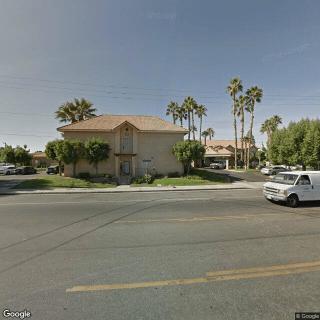
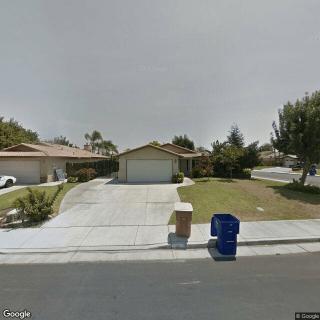
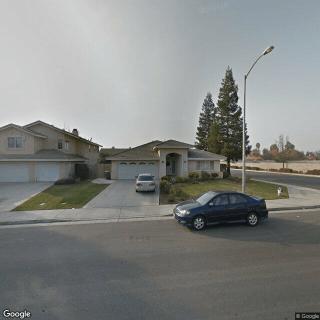
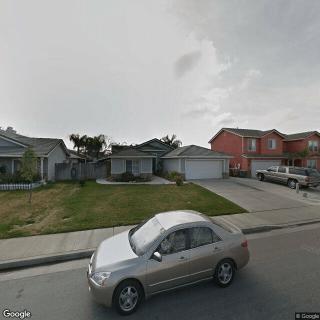
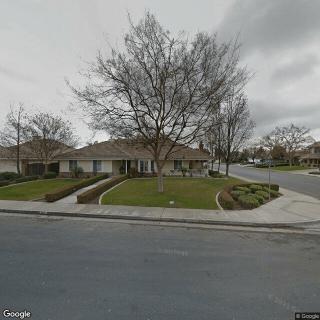
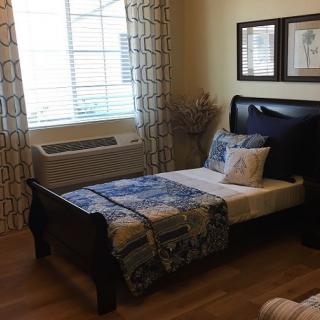
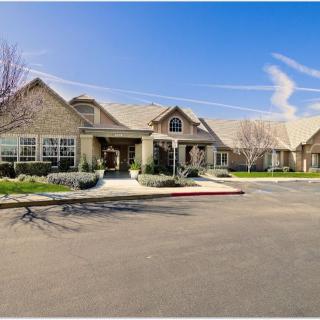
Multiple reviewers describe the house as clean, orderly, and well kept, with an environment that feels comfortable. Families also mention the home-like feel, including outdoor areas that residents can use and rooms that look bright with windows. Several reviewers also tie the appearance and cleanliness to a smoother move-in experience.
caveat2 reviews mention this
Food quality draws complaints
Some residents and families are dissatisfied with the way meals are prepared.
A couple of reviews say the meals feel processed and lack the freshness they expected, including comments about limited fruit and veggie options. Other reviewers mention the food is different and that they adjusted, but the consistent note in the critical feedback is that the meal quality doesn’t match what families hoped for.
How we summarize
Counts show how many written reviews mention each theme; a review can touch several themes, and only frequently mentioned themes are displayed.
Features
Housing
6 resident community capacity
Types of Care
Assisted Living
Board and Care Home
Memory Care
Amenities
Activities off-site
Activities on-site
Bath tubs
Cable or satellite TV
Devotional services off-site
Devotional services on-site
Dining room
Fully furnished
Garden
Housekeeping services
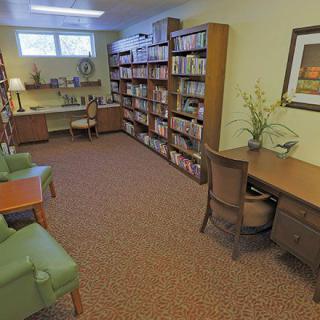
Indoor common areas
Move-in coordination
Outdoor common areas
Outdoor space
Private
Private bathrooms
Respite or short term stays offered
Swimming pool / hot tub
Telephone
Wheelchair accessible showers
Wi-Fi/high-speed internet available
Transportation
Meadows (5 miles away)
Care Services
24-hour supervision
Activities of daily living assistance
Assistance with bathing
Assistance with dressing
Assistance with transfers
Coordination with health care providers
Diabetes diet
Diabetic care
High acuity care
Incontinence care
Meal preparation and service
Medication management
Special dietary restrictions
Transportation arrangement (medical)
Transportation to doctors appointments
Dining
Diabetes diet
Kosher
Meals provided
Special dietary restrictions
Vegetarian
Activities
Activities off-site
Activities on-site
Community-sponsored activities
Devotional activities offsite
Devotional activities on-site
Scheduled daily activities
Nearby Places of Interest
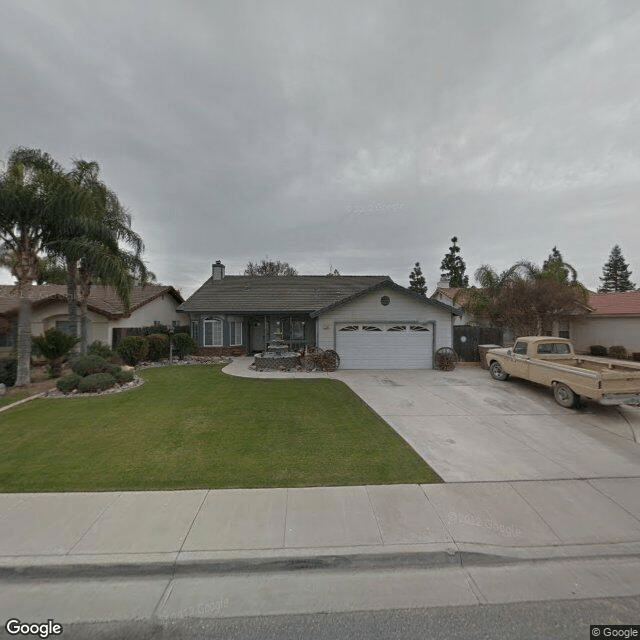
Located in the northwest area of Bakersfield, California, this neighborhood offers a variety of amenities for seniors looking to settle down in a peaceful and convenient community. With a range of dining options such as Jacalito Grill and Mesa Mexican Grill, as well as pharmacies like Rite Aid and Walgreens nearby, residents can easily access essential services. Physicians like Del Rey MD and Northwest Pharmacy provide medical care within close proximity, while hospitals like Mercy Southwest Hospital are readily available for emergencies. For leisure activities, SMG Bakersfield theater and Liberty Park offer entertainment options, and places of worship such as St Philip The Apostle cater to spiritual needs. Overall, this area provides a mix of conveniences and recreational opportunities ideal for seniors seeking a comfortable living environment in Bakersfield.
Restaurants
Jacalito Grill (1.1 miles)
Mesa Mexican Grill (1.8 miles)
The Habit Burger Grill (1.9 miles)
Freddy's Frozen Custard (2 miles)
Jack In The Box (2.2 miles)
IHOP (2.3 miles)
Panda Express (2.3 miles)
Pharmacies
Rite Aid (1.6 miles)
Northwest Pharmacy (1.8 miles)
Save Mart Supermarkets (1.8 miles)
Walgreens (1.8 miles)
Faast Pharmacy (1.8 miles)
CVS Pharmacy (2 miles)
Target Pharmacy (3.5 miles)
Physicians
Del Rey MD | Sinus | Allergy | ENT (1.7 miles)
Advanced Medical Psychiatric Services (1.8 miles)
Bakersfield Family Medical Center Northwest (1.8 miles)
Northwest Promenade Eyexam of CA (2.1 miles)
Northwest Diagnostic (2.6 miles)
Rajeev R. Manu (2.6 miles)
American Digestive Liver & Nutritional Disease Center (2.6 miles)
A Comfort Care Home offers competitive monthly rates compared to both Kern County and the wider California market. For a semi-private room, residents can expect to pay $2,700, which is notably lower than the county average of $2,887 and the state average of $3,333. Likewise, for those seeking a one-bedroom accommodation or a private room, A Comfort Care Home maintains its affordability with a rate of $3,500 - slightly below Kern County's average of $3,873 and on par with the state's average of $3,939 for private quarters. These pricing structures make A Comfort Care Home an appealing option for families seeking quality care while being mindful of their budget in comparison to regional costs.
The features of a Comfort Care Home are designed to create a supportive environment that addresses the unique needs of residents with dementia or Alzheimer's disease. 24-hour supervision ensures safety and reassurance, allowing residents to feel secure as they navigate their daily activities. Assistance with activities of daily living, such as bathing and dressing, promotes personal hygiene and dignity while reducing frustration for residents who may struggle with these tasks. Support during transfers helps prevent falls and injuries, further enhancing safety. Coordination with healthcare providers ensures comprehensive medical oversight tailored to each resident's health requirements. Incontinence care offers compassion and respect, addressing a common issue among individuals in advanced stages of dementia. Thoughtful meal preparation and service cater to nutritional needs while considering any dietary restrictions, promoting both physical health and social interaction during mealtimes. Medication management protects against potential errors in dosing or timing, enhancing health outcomes. Finally, transportation arrangements for medical appointments alleviate the stress on families while ensuring residents receive necessary medical care, fostering an overall atmosphere of well-being and support within the home.
Nearby Communities
A&A Bakersfield Care Home
Bakersfield, CA
4.8 from 4 reviews
$3,000 to $3,500 / month
Immaculate facilities with attentive, family-like staff and engaging activities.
Bethany Joy Garden
Bakersfield, CA
Comprehensive assisted living with meals, housekeeping, diabetes diet, medication management, and a garden.
Arcadia Home Care III
Bakersfield, CA
$2,500 to $3,500 / month
Competitive pricing with semi-private and private rooms and convenient access to parks, pharmacies, hospitals, and entertainment.
Joyful Living Care Home
Bakersfield, CA
Personalized care with meals, housekeeping, and activities.
Sage Care Homes
Shafter, CA
5 from 3 reviews
Small, personalized board-and-care with 24/7 supervision and comprehensive ADL support.
Arcadia Home Care I
Bakersfield, CA
5 from 3 reviews
$2,500 to $3,500 / month
Compassionate staff in a clean, home-like setting.
Ivy Park at Seven Oaks
Bakersfield, CA
4.3 from 72 reviews
$4,195 to $6,295 / month
First-class amenities with attentive staff and engaging activities.
Magnolia Place
Bakersfield, CA
4.6 from 171 reviews
$3,700 to $6,500 / month
Warm, attentive staff with engaging activities and a welcoming community.
Pacifica Senior Living Bakersfield
Bakersfield, CA
4.5 from 105 reviews
$1,590 to $3,250 / month
Caring staff, clean environment, and personalized care with engaging activities.
Dementia, including Alzheimer’s disease, is often mischaracterized in terms of lethality as it leads to complications that can be fatal rather than being a direct cause of death; it causes a progressive decline in cognitive and physical health, making patients vulnerable to infections and other health crises. Effective management of nutrition, hydration, and communication is crucial in patient care, with palliative care becoming vital in advanced stages to enhance comfort and quality of life while caregivers play a key role amidst the challenges posed by the disease.
Reminiscence therapy helps individuals with dementia recall past memories through structured discussions and meaningful objects, enhancing mood, relationships, and sense of identity while celebrating their lives. It can be practiced in formal settings or at home, requiring sensitivity to personal histories and cultural backgrounds.
Reminiscence therapy is a structured method for older adults, especially those with dementia, to share life stories using prompts and sensory cues, fostering emotional well-being, social engagement, and self-identity. It aims to improve quality of life by enhancing interpersonal connections and cognitive stimulation while requiring careful facilitation to avoid distressing memories.
Get PricingAsk A QuestionSchedule A TourContact Senior Advisor
By clicking submit, you agree to our Partner's Terms of Use. You
also consent to receive calls and texts, which may be autodialed, from our Partner. Your consent is not a condition to
using our Partner's service. Please visit our Partner's Privacy Policy for information about their privacy practices.

 6 resident community capacity
 Assisted Living
 Board and Care Home
 Memory Care
 Activities off-site
 Bath tubs
 Cable or satellite TV
 Devotional services off-site
 Dining room
 Fully furnished
 Garden
 Housekeeping services
 Indoor common areas
 Move-in coordination
 Outdoor common areas
 Private
 Private bathrooms
 Respite or short term stays offered
 Swimming pool / hot tub
 Telephone
 Wheelchair accessible showers
 Wi-Fi/high-speed internet available
 Meadows (5 miles away)
 24-hour supervision
 Assistance with bathing
 Assistance with dressing
 Assistance with transfers
 Diabetes diet
 Diabetic care
 High acuity care
 Incontinence care
 Meal preparation and service
 Medication management
 Special dietary restrictions
 Transportation arrangement (medical)
 Transportation to doctors appointments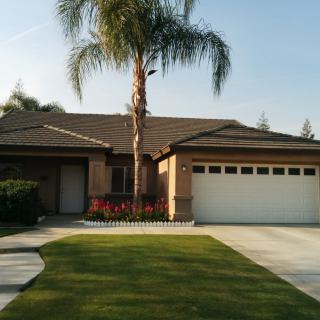
 Immaculate facilities with attentive, family-like staff and engaging activities.
 Are Dementia and Alzheimer's Disease Lethal? A Comprehensive Exploration
 Exploring the Power of Reminiscence Therapy for Individuals With Dementia
 An In-Depth Look at Reminiscence Therapy in Dementia Care