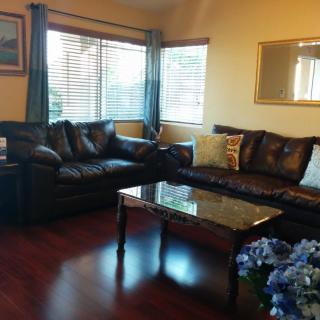
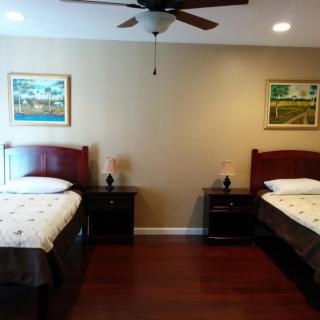
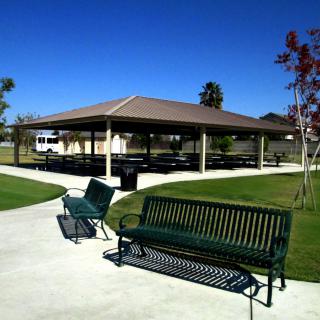
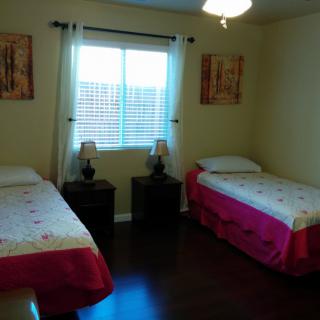
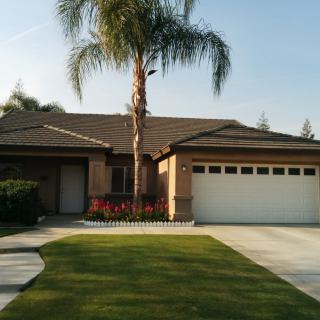

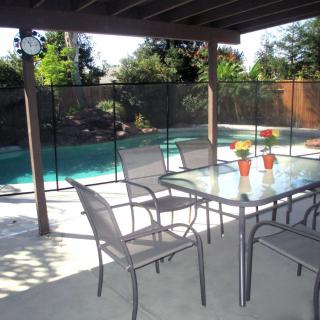
12203 El Capitan Ave, Bakersfield, CA 93312
To contact a resident: (661) 374-6633
For more information about senior living options: (866) 208-4318
A&A Bakersfield Care Home Costs & Pricing
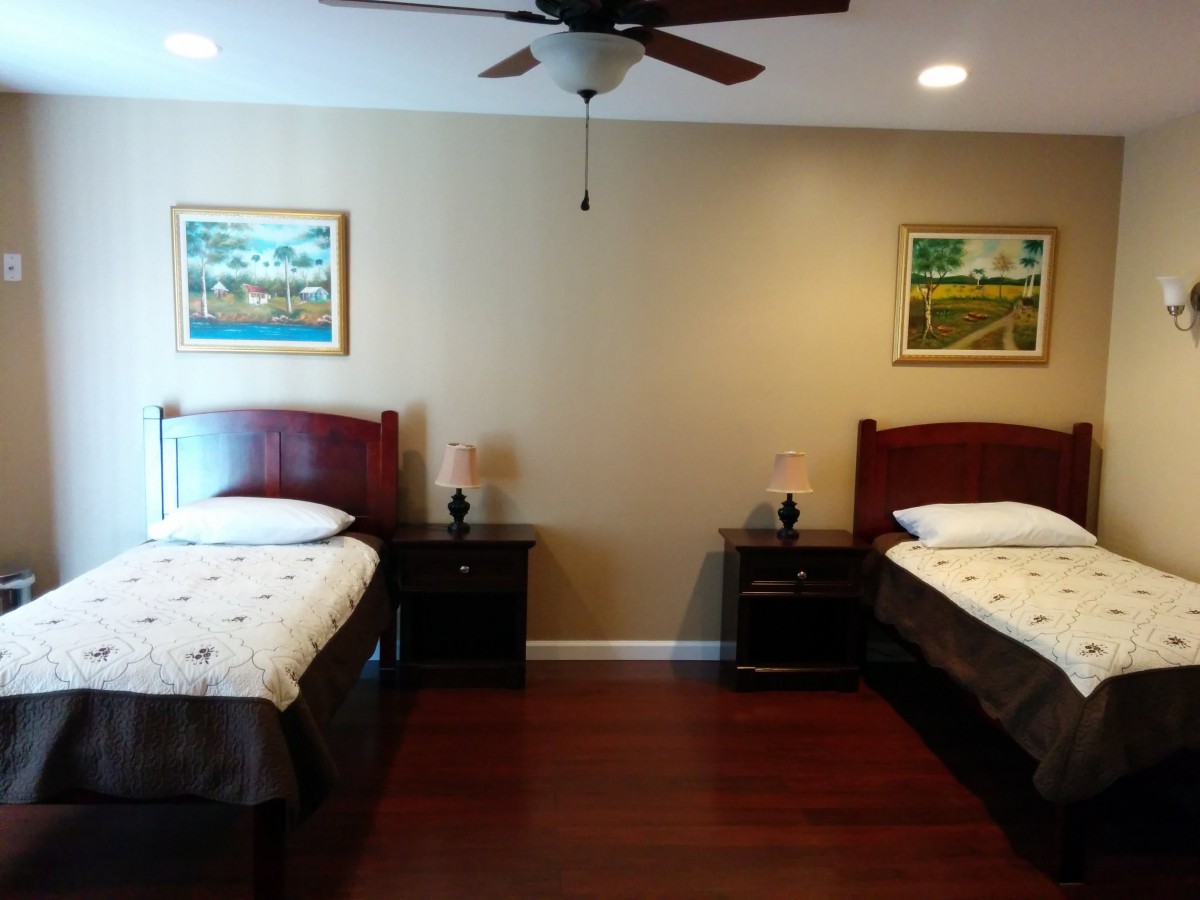
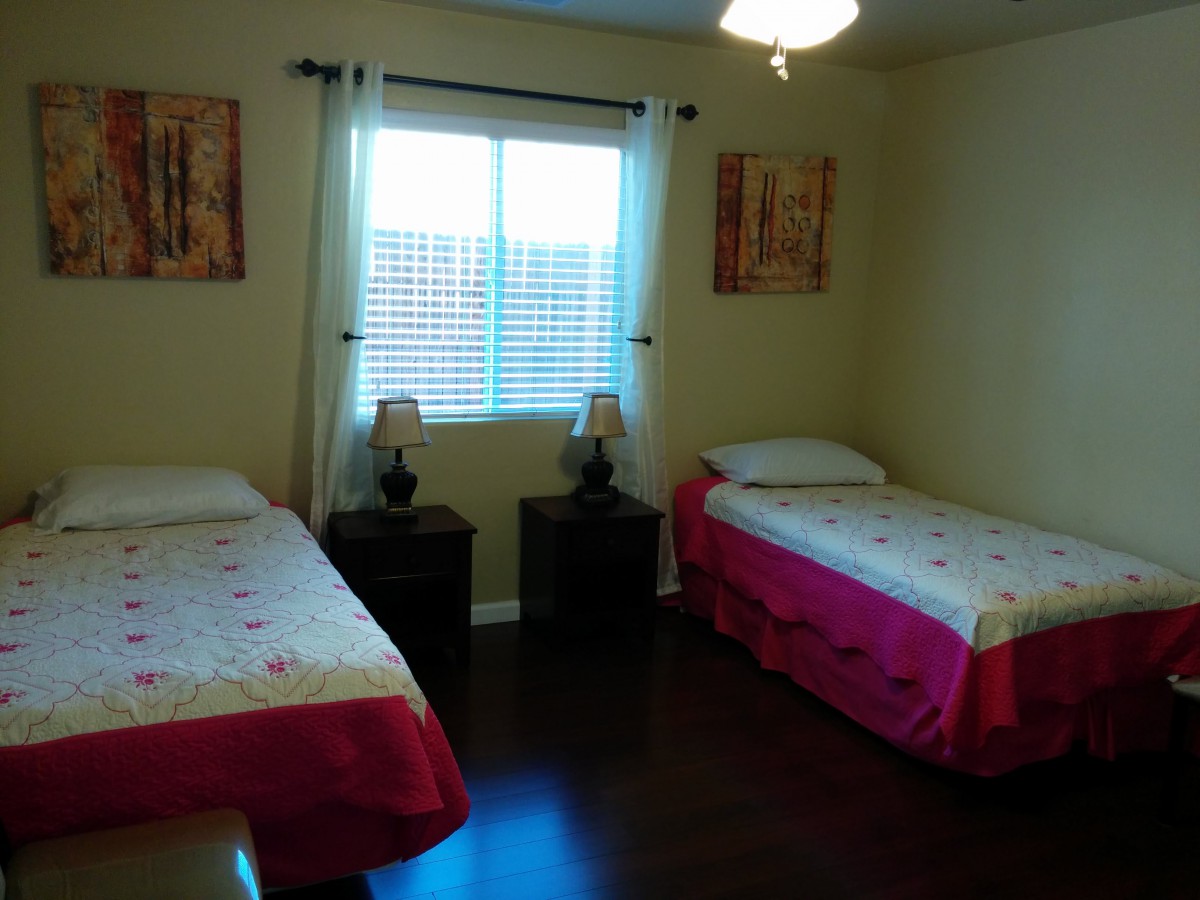
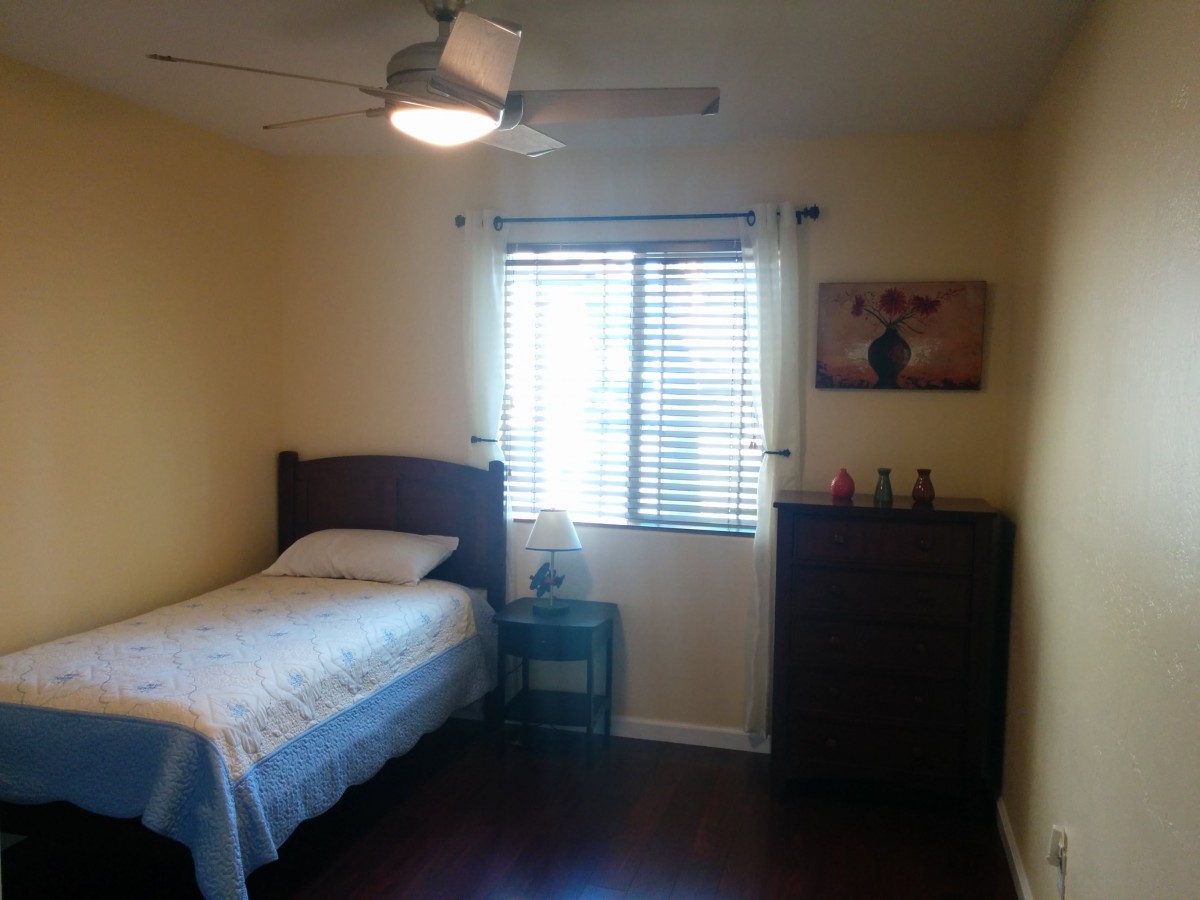
A&A Bakersfield Care Home offers competitive pricing for its residential care options, with semi-private rooms available at $3,000 per month. This rate is notably lower than the average cost in Kern County, which is approximately $2,887, and aligns closely with the statewide average of $3,333. For those seeking more privacy, private rooms at A&A Bakersfield are priced at $3,500 per month. While this figure slightly undercuts the Kern County average of $3,456 and remains lower than California's overall average of $3,939, it positions A&A Bakersfield as an appealing choice for families considering quality care within a budget-friendly framework. The facility combines affordability with essential amenities, making it a thoughtful option for residents and their families in the region.
| Floor plans | A&A Bakersfield Care Home | Kern County | California |
|---|---|---|---|
| Semi-Private | $3,000 | $2,887 | $3,333 |
| Private | $3,500 | $3,456 | $3,939 |
Assisted Living communities with a similar price nearby
-
from -$500 / mo
Divine Mercy Home Care
$2,500 to $3,500 / month6.8 miles away -
from -$300 / mo
A Comfort Care Home
$2,700 to $3,500 / month0.3 miles away -
from +$500 / mo
Westchester Gardens
$3,500 to $4,000 / month6.5 miles away -
from +$345 / mo

Brookdale Riverwalk
$3,345 to $6,495 / month3.3 miles away -
from -$500 / mo

Golden Castle Assisted Living
$2,500 to $4,000 / month9.7 miles away
Overall Review of A&A Bakersfield Care Home
Pros
 The staff are welcoming and there is always someone available to answer.
 - They proactively call about residents' appointments and medication updates.
- The community is clean, immaculate, and located in a residential area.
- Residents are kept clean, well-groomed, and well cared for, with top-notch care services.
- The staff are friendly and treat residents like family.
- The facility works closely with hospice to support residents.
Cons
 They dislike having to provide toiletries, which wasn't mentioned originally.
Review
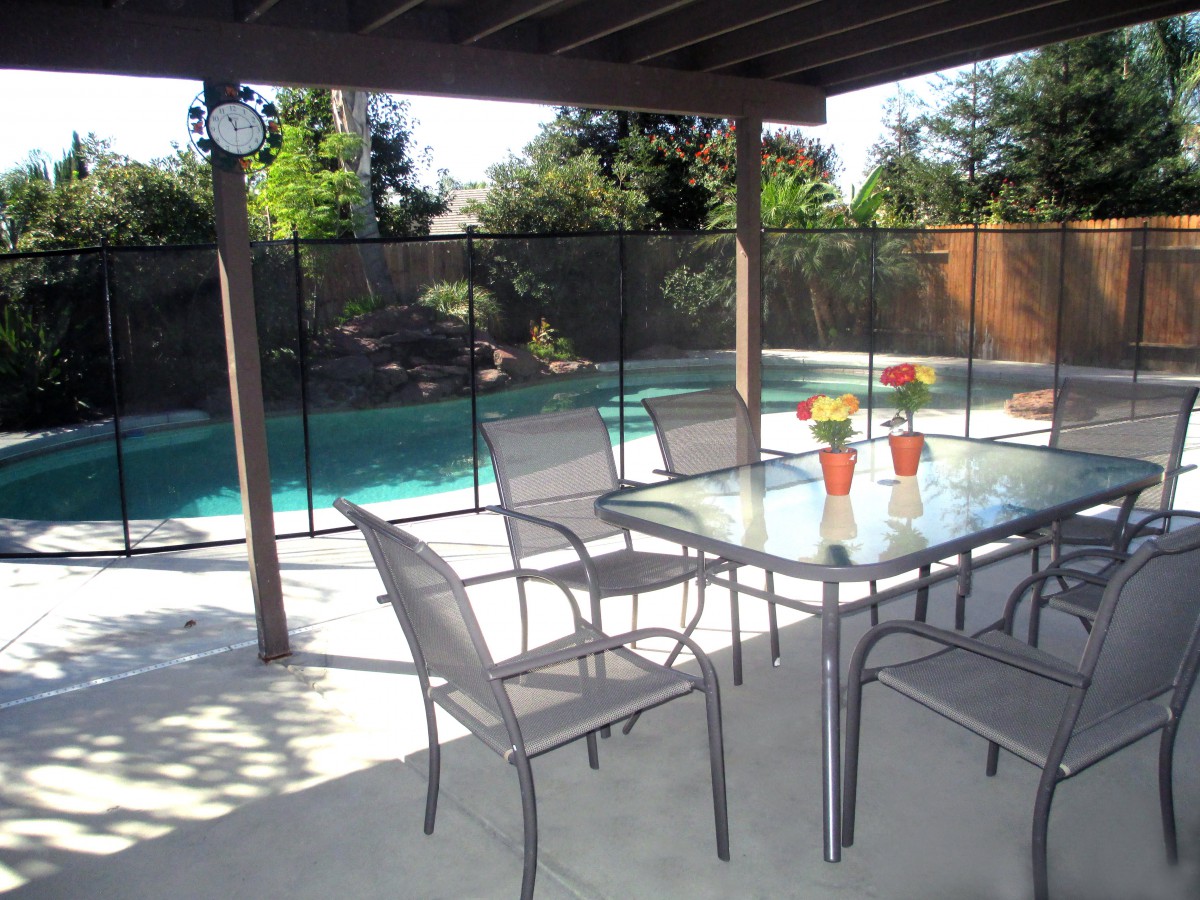
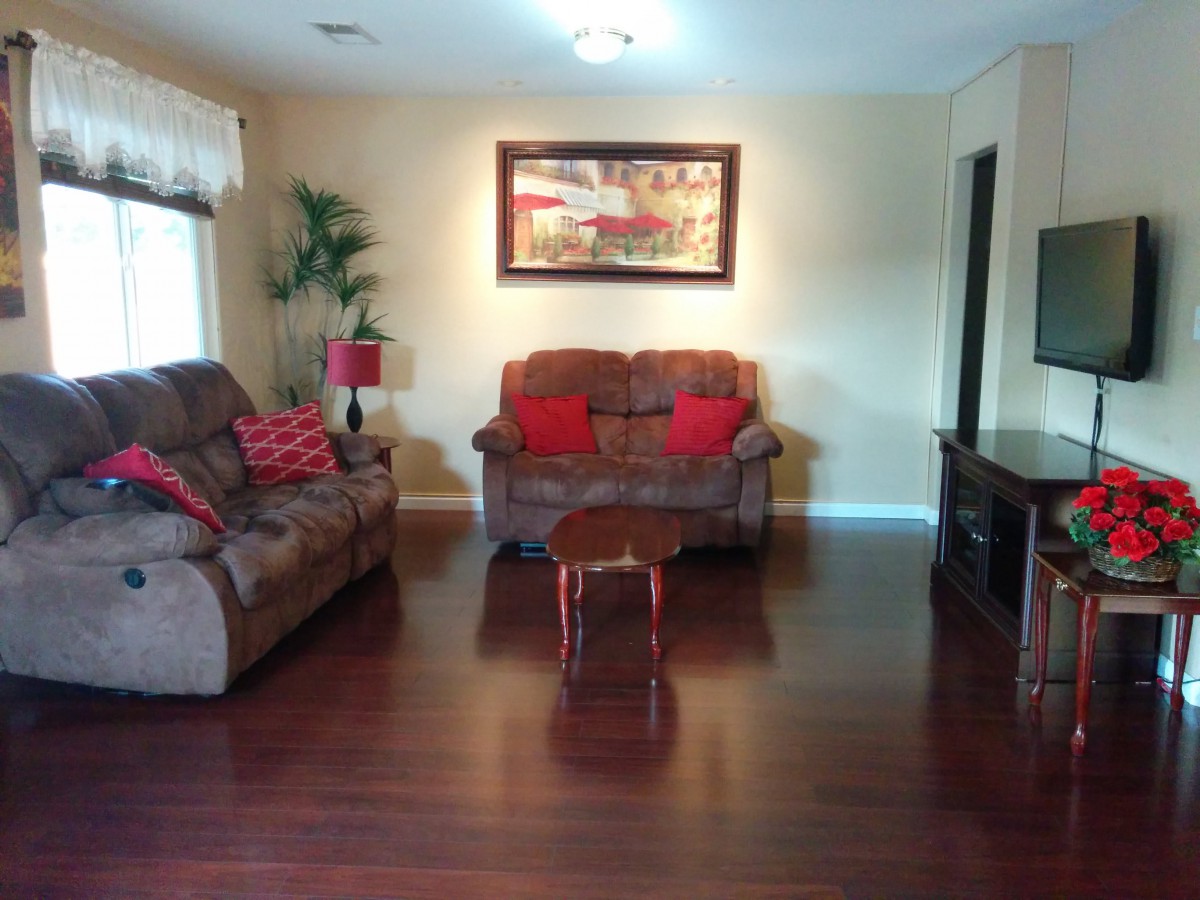
This Bakersfield community is best suited for families seeking a warm, home-like assisted living experience where cleanliness, personal attention, and a family-style culture are the top priorities. The setting in a residential neighborhood supports a calm, intimate atmosphere, and the staff demonstrate a clear commitment to treating residents with dignity. For families that want prompt, ongoing communication about appointments and medications, plus a daily routine that centers on well-being, this option delivers steadily.
Those who may want to consider alternatives include families needing highly specialized memory-care programming, more formal medical oversight, or a larger campus with broader amenities. The reviews point to a tightly run, small-community vibe rather than a large, multi-site operation with a full slate of on-site specialized services. For residents requiring advanced clinical management, more extensive therapeutic programming, or a diversified activity calendar spanning multiple campuses, exploring other options would be prudent.
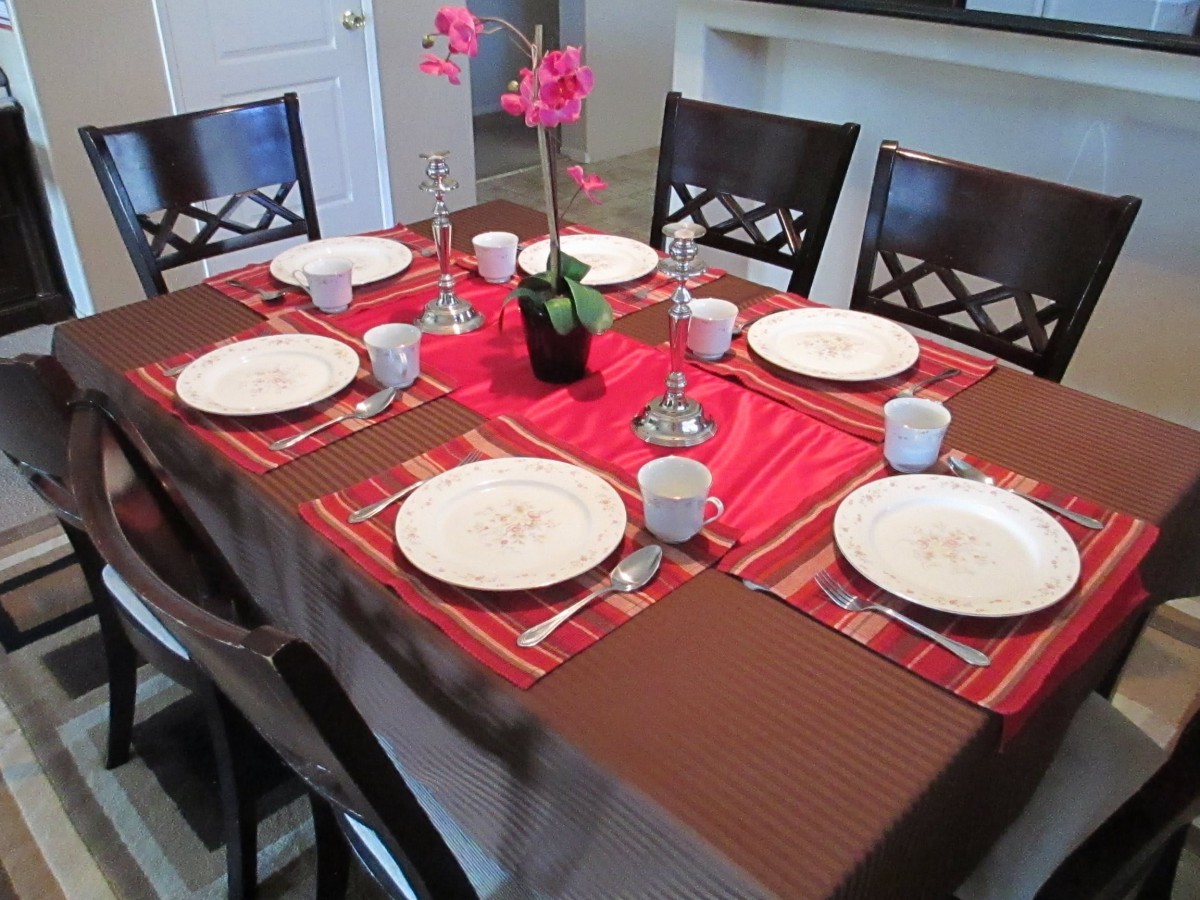
The strongest selling points are the remarkable cleanliness and the sense that residents are treated as family. Daily life feels orderly and well cared for, with notices of impeccable upkeep cited consistently. The emphasis on personal appearance and grooming , hair services and overall presentation , reinforces a standard of dignity that families notice and value. In addition, activities are described as engaging, contributing to visible happiness in residents, and the locality’s quiet residential setting helps create a stable, predictable routine that supports calm afternoons and predictable scheduling.
Communication is another standout strength. Staff are described as welcoming, available at all times, and diligent about keeping families informed. The facility makes a point of calling with updates on appointments and medications, which reduces family anxiety and helps coordinate care with external providers, including hospice partners. The philosophy of caring for residents as if they were family translates into proactive outreach when questions arise, and close coordination with hospice teams further reinforces a comprehensive, person-centered approach to care.
The primary drawback cited is a policy about toiletries that was not initially disclosed to families. While this is a genuine friction point, it is a relatively modest hurdle when weighed against the overall reliability, cleanliness, and communicative strength of the operation. The real-world impact is manageable: families need to supply basic personal items, a detail that should be confirmed before move-in. On balance, the excellent staff performance, meticulous upkeep, transparent communication, and hospice collaboration substantially offset this one irritant, making the community a defensible choice for most seniors who fit the profile.
Overall, this community presents a practical, well-run option for families prioritizing a clean, respectful, home-like environment where staff treat residents with warmth and attention. It is particularly well-suited for those who value steady routines, proactive family communication, and close working relationships with hospice services. For families pursuing highly specialized memory care, a larger, more clinical setting, or extensive on-site programming, alternatives should be evaluated. If the fit described aligns with needs and expectations, arranging a visit to observe activity, cleanliness, and staff interactions firsthand is strongly advised, with explicit questions about the toiletries policy and care coordination to confirm alignment before committing.
 6 resident community capacity
 Assisted Living
 Board and Care Home
 Respite Care
 Activities on-site
 Air-conditioning
 Cable or satellite TV
 Devotional services off-site
 Dining room
 Fully furnished
 Garden
 Housekeeping services
 Indoor common areas
 Move-in coordination
 Outdoor common areas
 Private
 Private bathrooms
 Swimming pool / hot tub
 Telephone
 Wheelchair accessible showers
 Wi-Fi/high-speed internet available
 Meadows (5 miles away)
 24-hour supervision
 Assistance with bathing
 Assistance with dressing
 Assistance with transfers
 Diabetes diet
 Diabetic care
 High acuity care
 Incontinence care
 Meal preparation and service
 Medication management
 Special dietary restrictions
 Transportation arrangement (medical)
 Transportation to doctors appointments
 Art classes
 BBQs or picnics
 Birthday parties
 Forever fit
 Karaoke
 Live dance or theater performances
 Live musical performances
 Stretching classes
 Wii bowling
 Understanding Medicaid Coverage for Assisted Living: A Comprehensive Guide
 How and When Medicaid May Cover Assisted Living Costs
 A Detailed Exploration of Assisted Living Medicaid Waivers Across the United States