
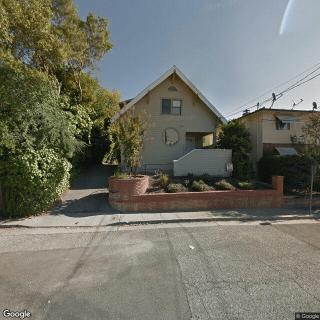
174 Almond Street, Auburn, CA 95603
For more information about senior living options: (866) 208-4318
Almond Gardens Costs & Pricing
Almond Gardens offers competitive pricing for its residential accommodations when compared to the broader market in Placer County and the state of California. For semi-private rooms, residents will find that Almond Gardens' cost of $3,500 is slightly above the county average of $3,489, yet remains more affordable than many options statewide, where prices reach $3,333. The studio units at Almond Gardens are priced at $4,000, which is notably lower than the county's average of $4,311 and closely aligns with the state average of $4,145. Similarly, private rooms are offered at a rate of $4,000 - again placing them just shy of the county's price of $4,026 but competitively aligned with California's broader landscape where such accommodations generally cost around $3,939. Overall, Almond Gardens presents a balanced option for potential residents seeking quality living arrangements while keeping costs manageable relative to regional counterparts.
| Floor plans | Almond Gardens | Placer County | California |
|---|---|---|---|
| Semi-Private | $3,500 | $3,489 | $3,333 |
| Studio | $4,000 | $4,311 | $4,145 |
| Private | $4,000 | $4,026 | $3,939 |
Memory care communities with a similar price nearby
-
from +$500 / mo
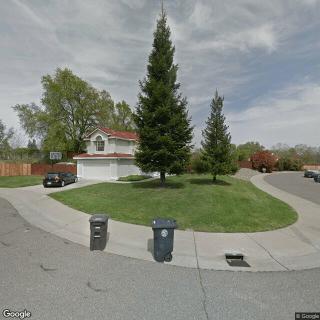
Sungarden Villa II
$4,000 / month17.5 miles away -
from +$650 / mo
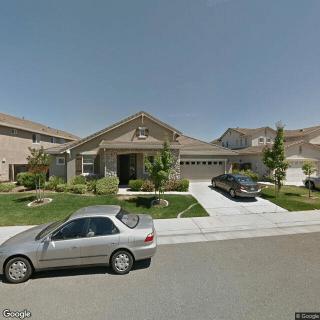
Ferrari
$4,150 to $5,500 / month13.2 miles away -
from -$500 / mo
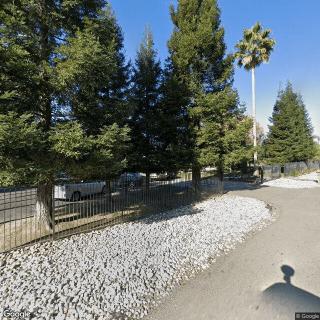
Love & Care for Elder
$3,000 to $4,500 / month19.2 miles away -
from +$500 / mo

Ashley Villa
$4,000 / month21.9 miles away -
from +$500 / mo
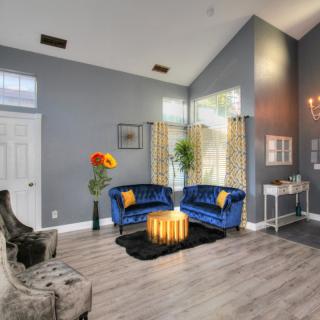
A Bright Future
$4,000 / month20.0 miles away
Overall Review of Almond Gardens
Pros
 The staff are very attentive and caring.
- They closely monitor residents’ health.
- They cook breakfast every morning for residents.
- They offer baking, treats, and crafts that residents can participate in.
- The staff care to the very end and make residents feel like family.
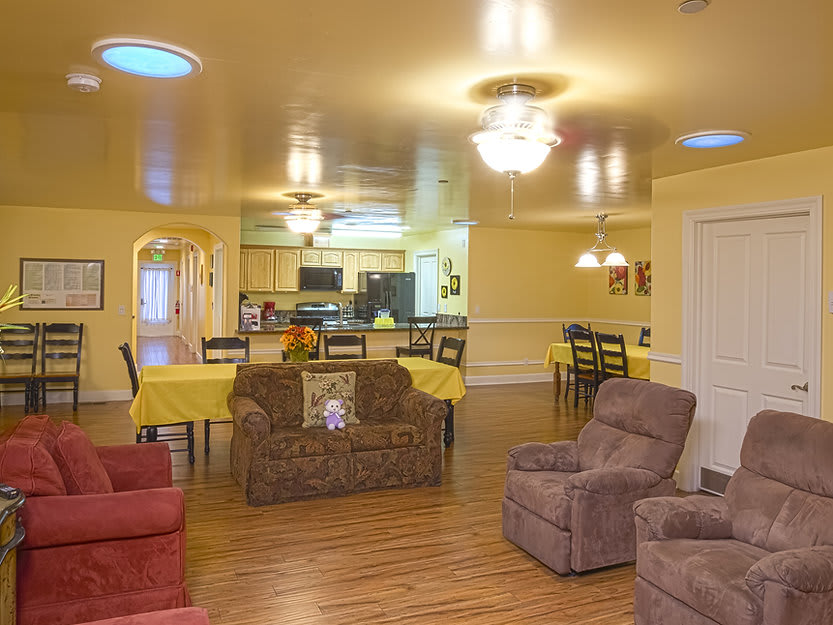
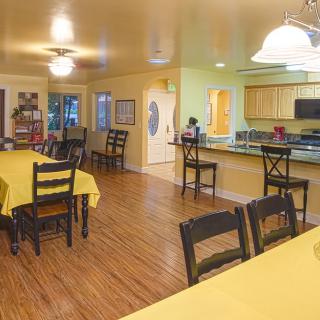
- The facility feels like home, with a warm, family atmosphere.
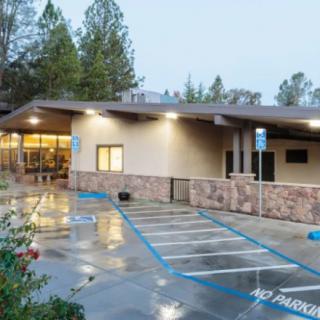
- The home is clean, quaint and charming.
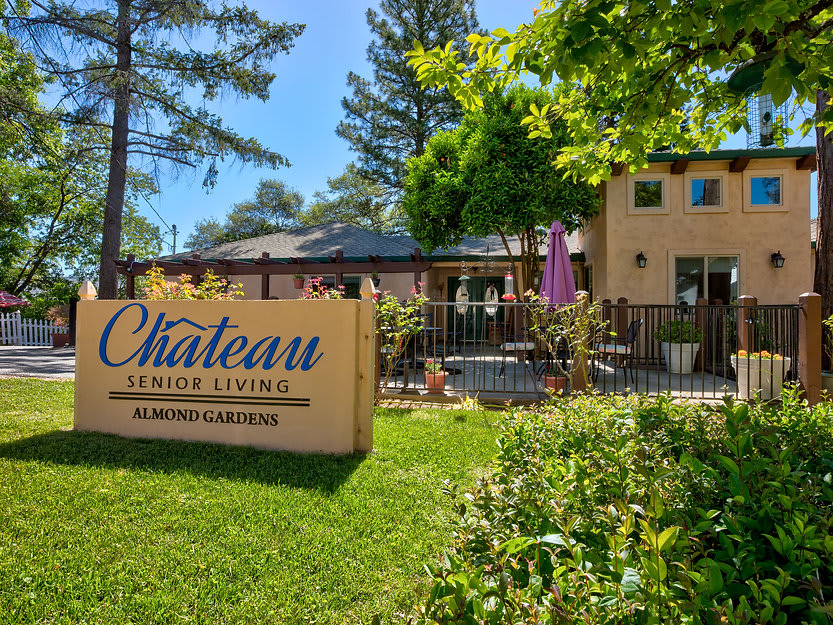
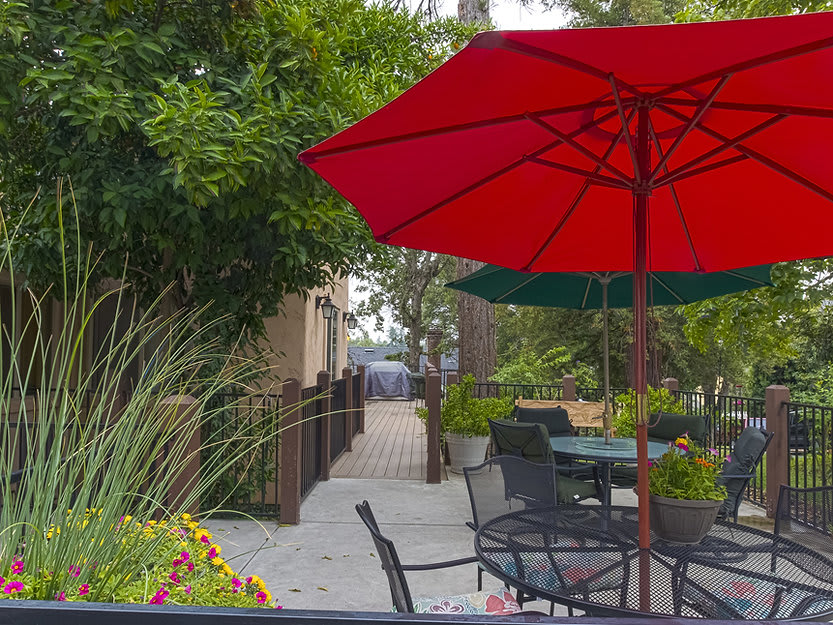
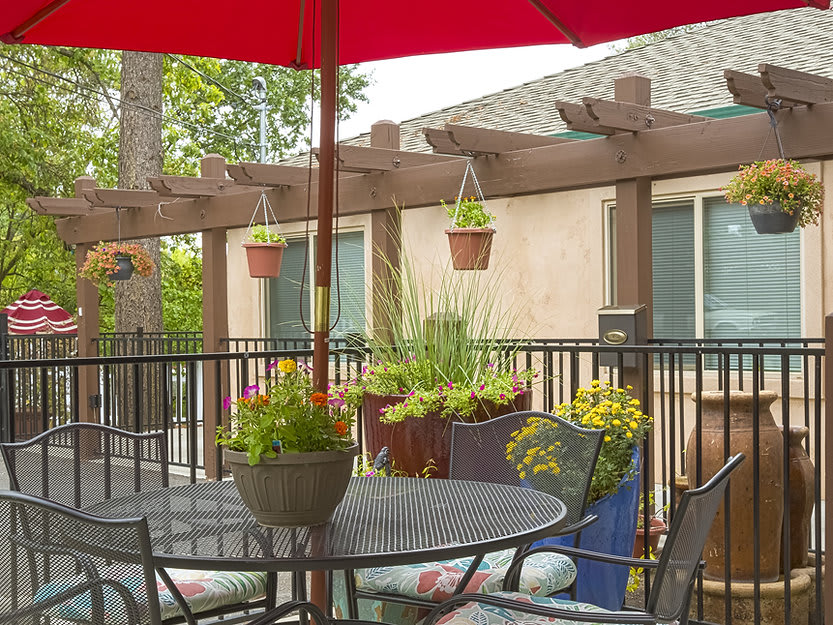
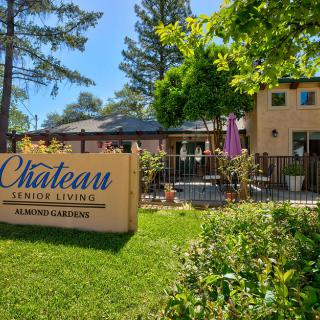
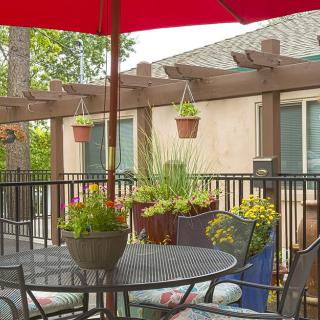
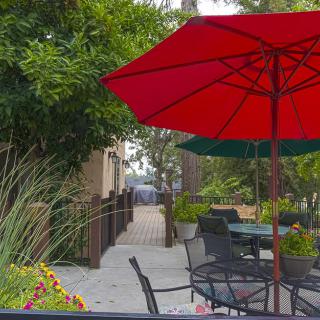
- There is a pleasant outdoor area with umbrellas to shield residents from the sun.
Review
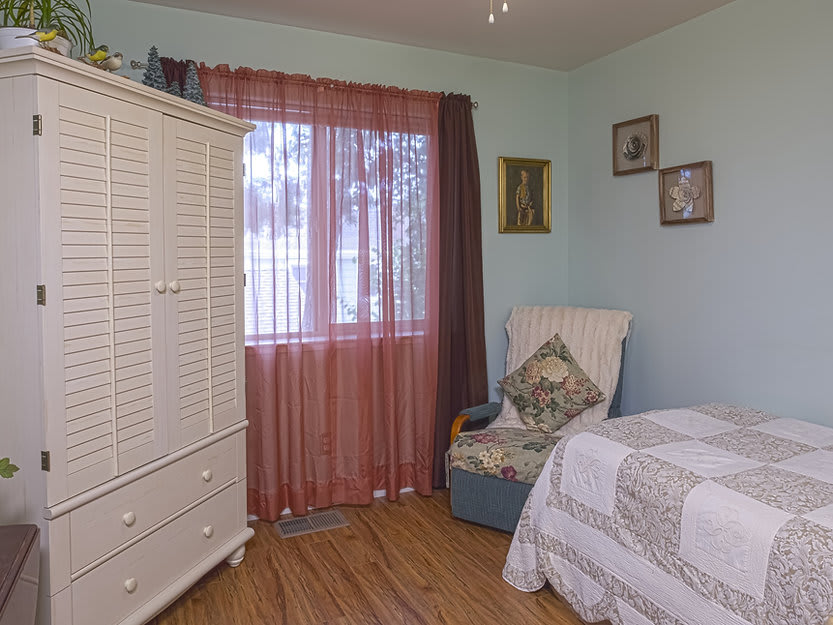
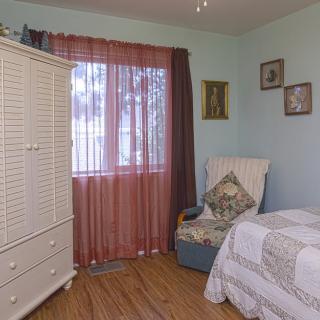
Almond Gardens in Auburn, CA is best suited for families seeking a truly homelike, intimate senior living experience where every resident is known by name and cared for with genuine warmth. With only eight beds, the community functions like a small, dedicated family, which translates into a level of caregiver attention that can feel almost custom-tailored. Residents sleep in modest rooms, but the trade-off is a daily environment where breakfast is cooked on site, staff are consistently attentive, and health monitoring is proactive rather than reactive. The atmosphere naturally cultivates calm, predictable routines, and the resulting emotional security is a core strength for seniors who benefit from feeling truly seen.
Those who may want to consider alternatives are likely families with expectations of a larger campus, broader medical oversight, or memory-care features beyond what a tiny home can reasonably provide. The arrangement that meals come from The Villa for lunch and dinner, while supplemented by on-site breakfast, signals a two-campus workflow that may feel less cohesive to those who prefer a fully integrated dining program. For seniors with complex medical needs, frequent on-site physician access, or a desire for a wide array of structured activities spread across multiple buildings, Almond Gardens might not deliver the scale and resources of a larger facility.
The strongest pros, the staff’s unwavering attentiveness, the palpable sense of caring, and the staff’s readiness to go the extra mile, directly offset the modest downsides of size. Reviewers repeatedly highlight how caregivers stay in tune with health changes, how care extends through the end of life, and how staff members literally slow down to walk a resident with mobility challenges, often placing a caregiver in front and behind for safety. In a setting this small, such focused, hands-on attention translates into fewer gaps in daily care, which is precisely what families seek when trust is the deciding factor. The personal connection often lightens the emotional burden of aging care, making the tough phases more manageable.
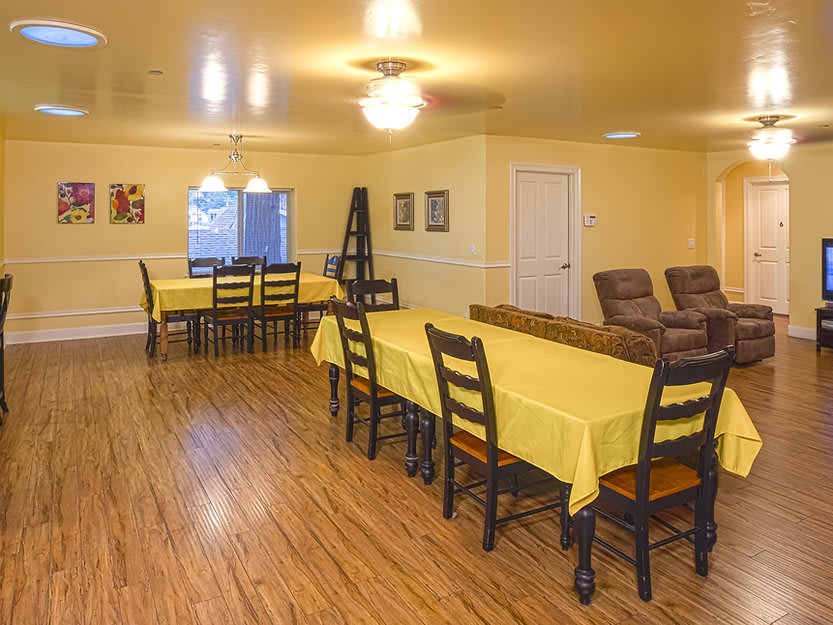
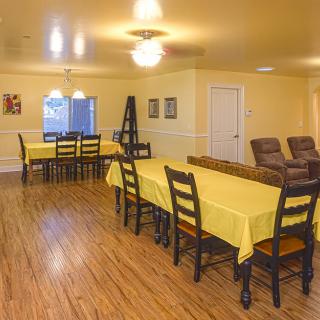
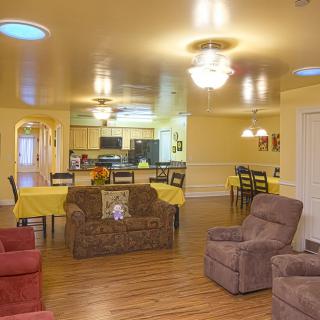
Beyond care dynamics, Almond Gardens edges toward a homey, welcoming environment that resonates with families. The facility is described as clean, quaint, and charming, with a warm outdoor area in summer where residents can sit at tables under umbrellas. The on-site breakfast program is a welcome daily ritual, and the extra touches, special baking, crafts, and resident participation in activities, contribute to meaningful engagement that larger communities might struggle to reproduce at the same intensity. The eight-resident scale enables frequent, spontaneous interactions among residents and staff, reinforcing a sense of belonging that many seniors crave but rarely receive in bigger campuses.
From a decision-making standpoint, Almond Gardens excels for families prioritizing emotional safety, continuity of care, and a deeply personal caregiving ethic. The praised staff-to-resident engagement, the ability to witness care over time, and the explicit warmth of staff interactions create a level of reassurance that is hard to quantify but unmistakable in practice. Pros like personalized attention, genuine courtesy, and a home-like rhythm outweigh the constraints of a small facility, provided expectations align with what the model delivers, high-touch care, strong relational bonds, and a slow, predictable daily cadence rather than a bustling, built-for-quantity program.
In weighing Almond Gardens, the prudent conclusion is to match it to seniors who thrive on intimate, family-style care and are content with a boutique footprint. Prospective families should assess whether the two-campus meal arrangement and the eight-bed limit fit their loved one’s needs for medical oversight, activity variety, and pace. If these factors point to requiring more formalized medical services or a broader social ecosystem, alternatives with larger staffs and more expansive campuses deserve consideration. For those who value a genuine, nurturing environment where staff know residents intimately and care endures through life’s transitions, Almond Gardens delivers with a rare authenticity that makes it hard to beat. Schedule a visit, observe the daily rhythm, and ask pointed questions about meals, mobility support, and future care plans to confirm that the intimate promise aligns with long-term expectations.
 10 resident community capacity
 Assisted Living
 Board and Care Home
 Memory Care
 Respite Care
 Activities on-site
 Beautician on-site
 Cable or satellite TV
 Devotional services on-site
 Dining room
 Financial aid
 Fully furnished
 Garden
 Housekeeping services
 Indoor common areas
 Move-in coordination
 Outdoor common areas
 Private
 Telephone
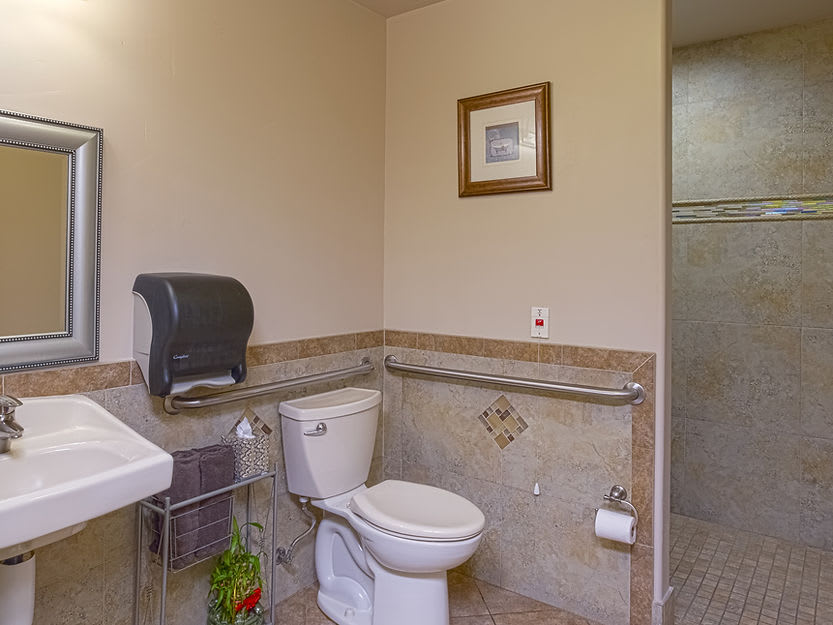
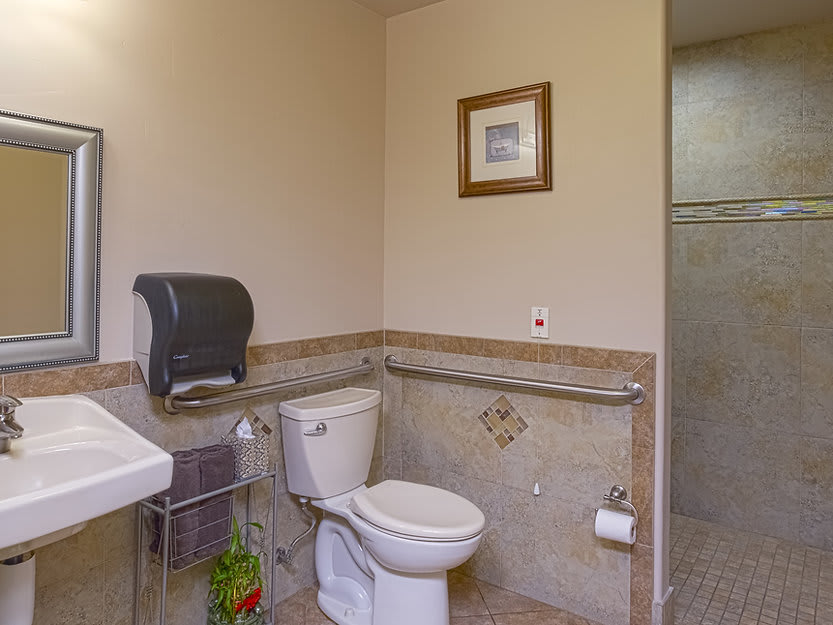
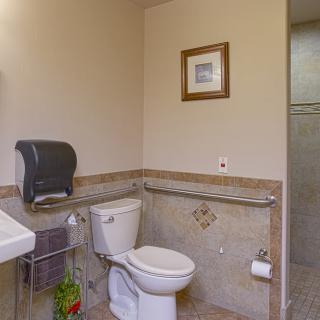
 Wheelchair accessible showers
 Wi-Fi/high-speed internet available
 24-hour supervision
 Assistance with bathing
 Assistance with dressing
 Assistance with transfers
 Diabetes diet
 High acuity care
 Incontinence care
 Meal preparation and service
 Medication management
 Special dietary restrictions
 Transportation arrangement (medical)
 Transportation to doctors appointments
 Fitness programs
 Games
Games Live musical performances
 Yoga / chair yoga
 English




 Comprehensive Insights on the Late Stages of Dementia: What to Expect and How to Provide Care
 Medications Associated with Dementia Risk: A Comprehensive Overview
 Guiding Your Journey: Understanding Power of Attorney for Elderly Parents