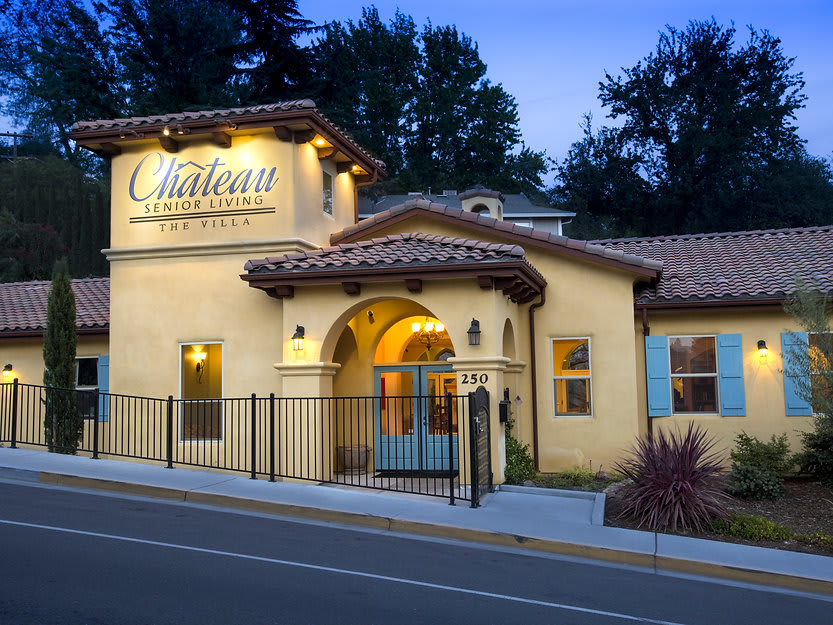


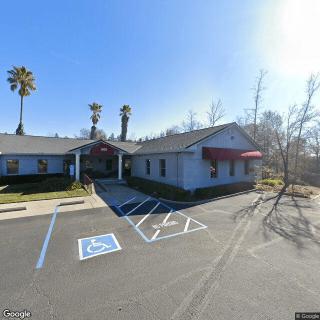
250 Pine Street, Auburn, CA 95603
For more information about senior living options: (866) 208-4318
The Villa Costs & Pricing
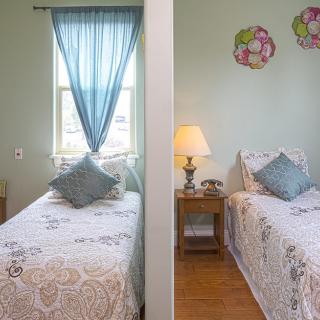
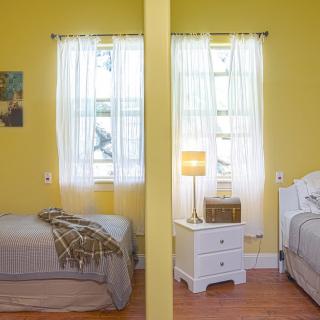
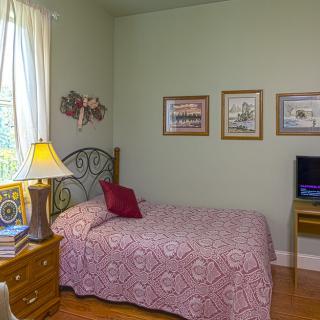
At The Villa, the monthly costs for accommodations reflect a competitive pricing structure within both Placer County and the broader California market. For semi-private rooms, residents can expect to pay $3,500, which is slightly higher than the county average of $3,489 but remains below the state average of $3,333. Meanwhile, studio apartments at The Villa are priced at $4,000; this is notably more affordable compared to the county's average of $4,311 while also being slightly lower than California's overall average of $4,145. These figures underscore The Villa's commitment to providing quality living options that balance affordability with comfort in a desirable community setting.
| Floor plans | The Villa | Placer County | California |
|---|---|---|---|
| Semi-Private | $3,500 | $3,489 | $3,333 |
| Studio | $4,000 | $4,311 | $4,145 |
Memory care communities with a similar price nearby
-
from +$500 / mo
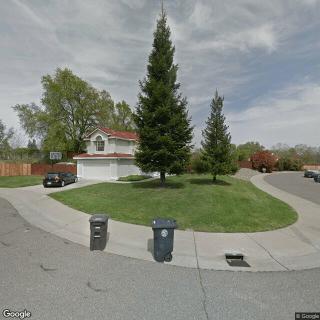
Sungarden Villa II
$4,000 / month17.5 miles away -
from +$650 / mo
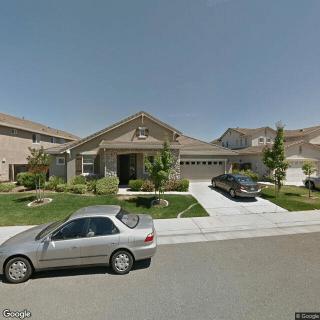
Ferrari
$4,150 to $5,500 / month13.2 miles away -
from -$500 / mo
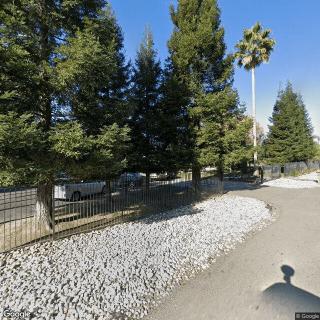
Love & Care for Elder
$3,000 to $4,500 / month19.3 miles away -
from +$500 / mo

Ashley Villa
$4,000 / month21.9 miles away -
from +$500 / mo
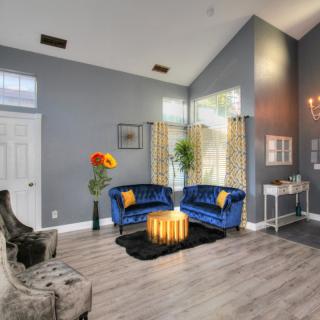
A Bright Future
$4,000 / month20.0 miles away
Overall Review of The Villa
Pros
 The staff is extremely friendly and caring.
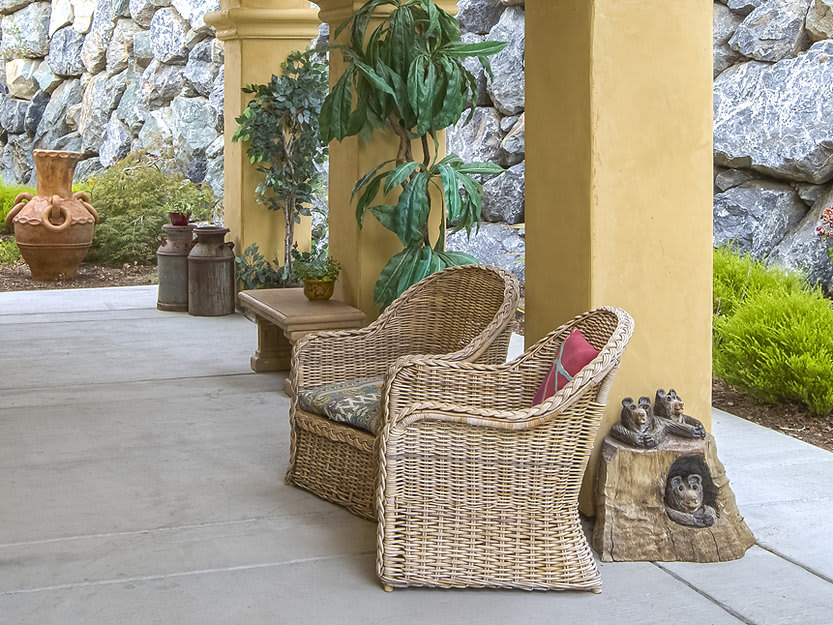
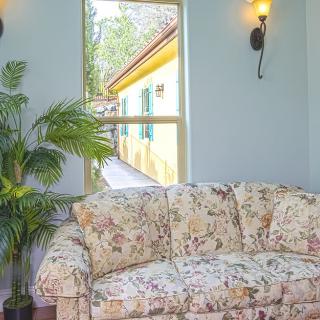
- It feels like a home, not an institutional setting at all.
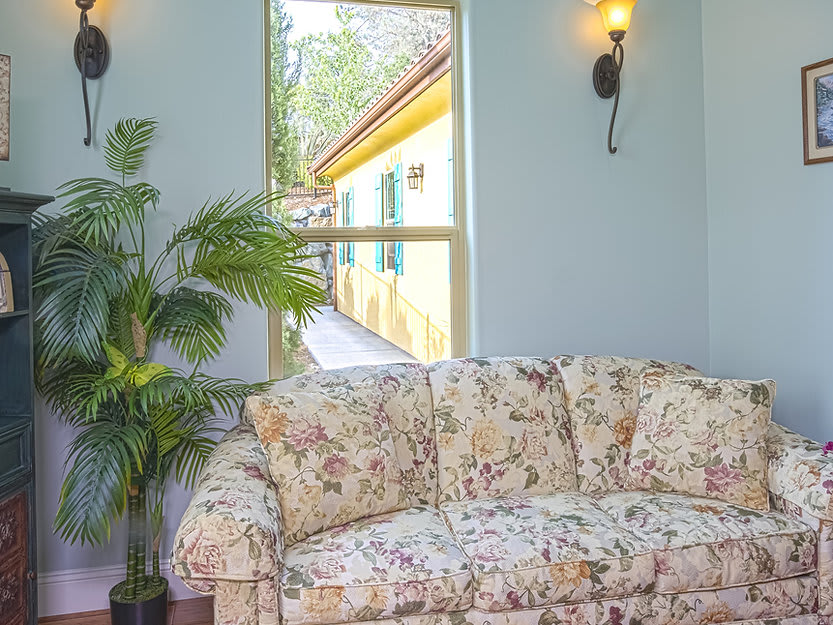
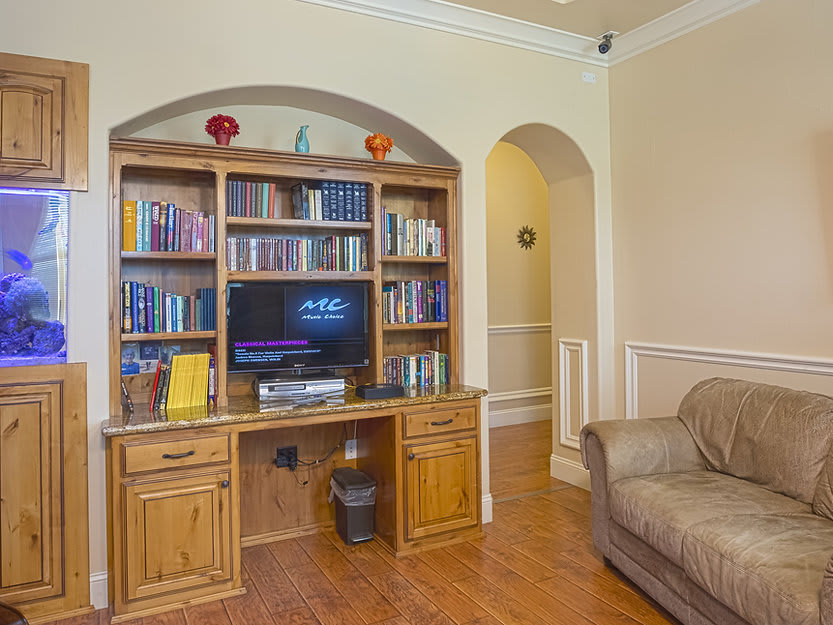
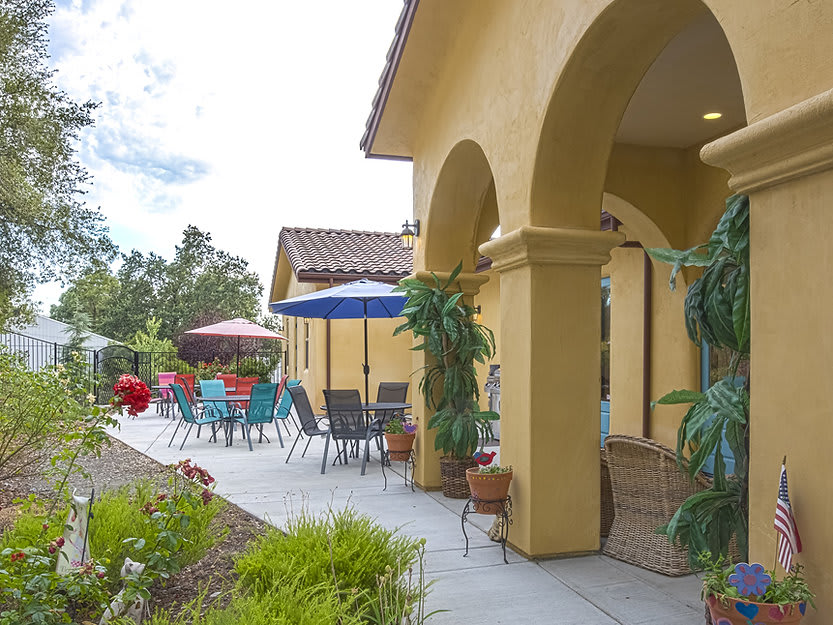
- The community is warm and beautifully maintained.
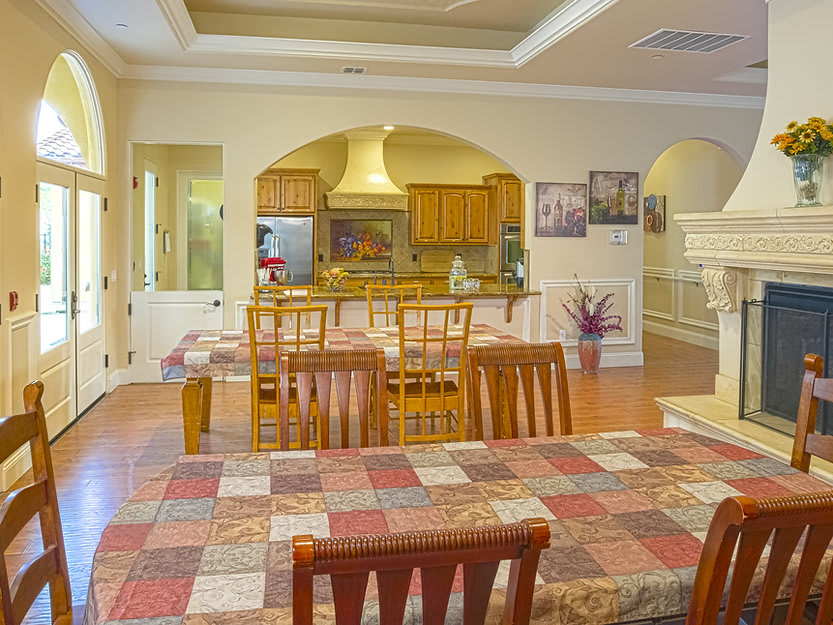
- All meals are included, and the dining service is excellent.
- The administrator is extremely helpful, on top of things, and very organized.
- The staff is very professional, caring, and friendly.
- They bring in weekly activities like music, pet therapy, and art, and they host holiday events for residents and families.
- The facility is beautiful and always kept clean and well maintained.
Cons
 They don’t do a lot of activities, which is one of the downsides.
- There haven’t been any activities going on yet.
- They do not give enough emotional care or take time with the elderly who live there.
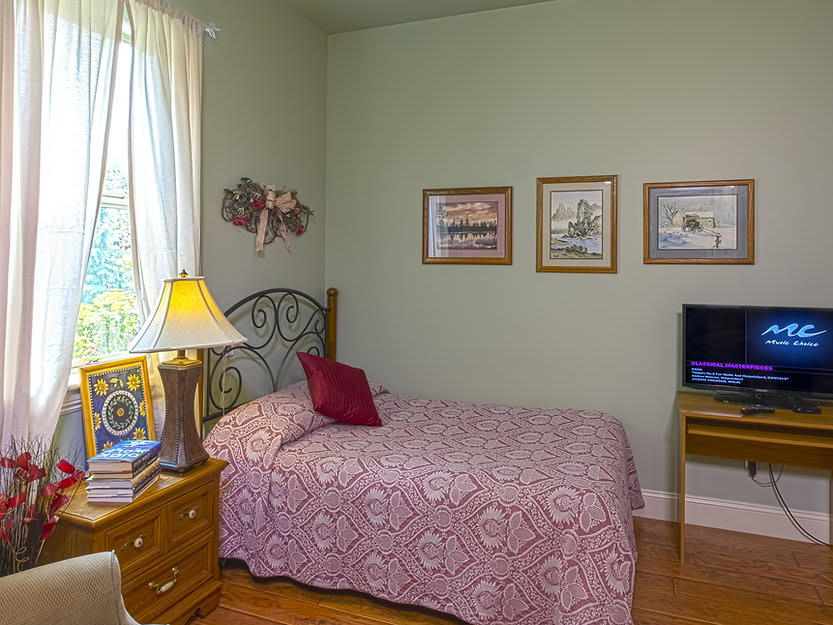
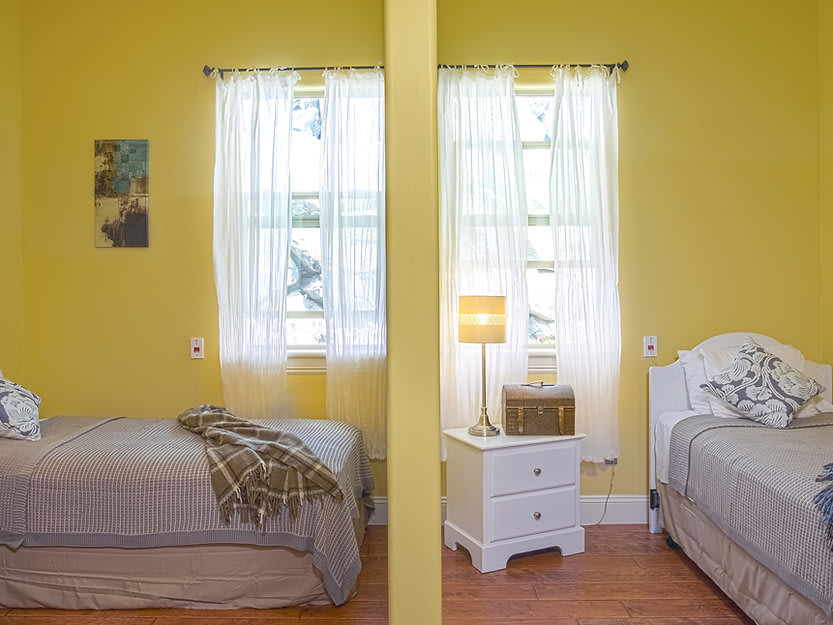
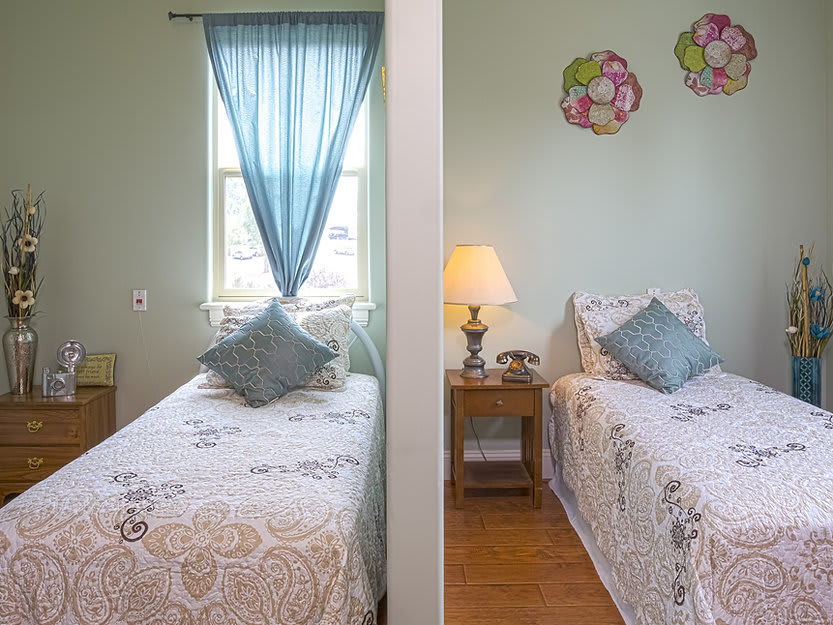
- The rooms were really small.
Review
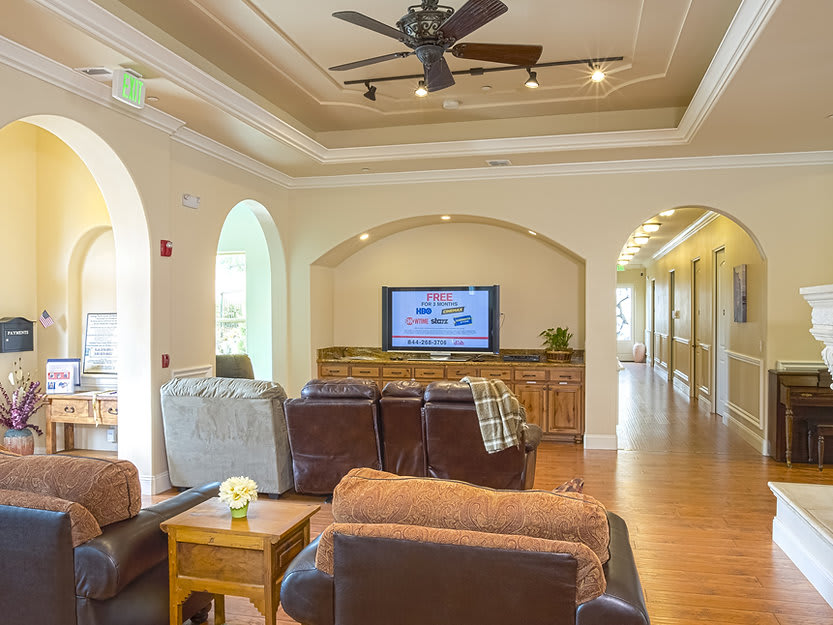
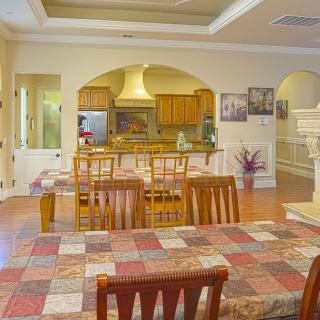
The Villa in Auburn, CA is best suited for families seeking a warm, home-like assisted living in a true mid-sized setting. It works well for residents who value stable, long-tenured staff, predictable routines, and reliable dining included in the monthly package. The atmosphere leans toward a resident-centered, non-institutional feel, with a well-maintained, cozy footprint that accommodates about twenty residents at capacity. This is not a place for those chasing a high-energy activity calendar or extensive dementia-focused programming; it is ideal for someone who prizes personal attention, consistent communication from leadership, and a comfortable, manageable environment.
Those who should weigh alternatives are precisely the residents and families who want more than gentle engagement and social events. If daily or weekly programming is a top priority, or if a resident requires deeper emotional support and structured cognitive-stimulation activities, larger communities with dedicated activity directors or dementia-care wings may better fit. The Villa’s intimate size, while appealing for one-on-one attention, naturally limits the breadth of activities and the peer network available to residents who thrive on more diverse social opportunities.
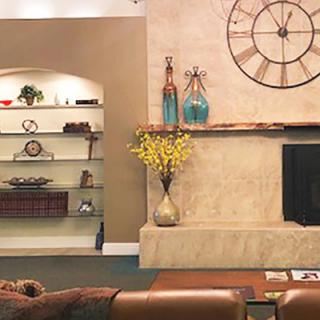
The strongest positives at The Villa center on character and consistency. The setting feels genuinely homey rather than clinical, with cleanliness and upkeep that reinforce a sense of calm and safety. Staff turnover is low, resulting in predictable care and steady communication with families. Families repeatedly praise the administrator for being on top of things and highly organized, which translates into smoother care planning and fewer surprises. The meals are a notable strength, included as part of the standard offering and described as well-prepared, contributing to daily satisfaction and overall quality of life.
Still, the main drawbacks are real and worth weighing against the benefits. Several reviewers express concern that emotional care and deliberate time with residents can be lacking, a gap that patience and warmth cannot fully compensate for. The activity calendar, while present and varied, does not appear to be robust or consistently staffed across all weeks, and some families noted that, as a smaller facility, there may be fewer opportunities for broad peer interaction or complex programming. Newer residents or families joining the community may not immediately encounter a full slate of events, which can leave some feeling under-stimulated at times.
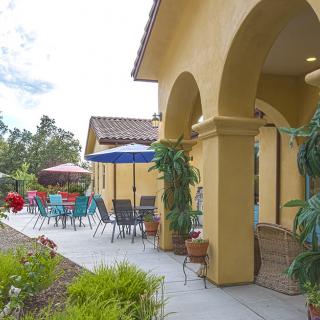
These pros offset the cons to a meaningful degree because the central trade-off is clearly defined: you gain a steady, attentive care team and a nurturing, home-like environment at a predictable cost structure, in exchange for a leaner activity schedule and less intensive emotional work. Long-tenured staff foster trust and continuity, while the gated, well-kept setting reinforces security and peace of mind. The dining program, together with organized events like music visits and pet therapy, provides legitimate social touchpoints without turning the facility into a bustling campus. For families prioritizing reliability, these factors often outweigh the desire for a vigorous activity lineup.
In the end, The Villa stands as a solid, practical option for families prioritizing warmth, consistency, and a well-run small community. It is an especially strong fit for residents who value routine, personal attention, and high-quality meals within a friendly, intimate setting. Those needing extensive emotional engagement, frequent large-scale activities, or dementia-specific, hospice-level care should consider alternatives with broader programming and more specialized support. To determine fit, prospective families should request a detailed daily schedule, observe interactions between staff and residents, review how care plans are managed and updated, and tour the facilities with an eye for how emotionally attentive care is delivered in practice.
 15 resident community capacity
 Assisted Living
 Board and Care Home
 Independent Living
 Memory Care
 Activities on-site
 Beautician on-site
 Cable or satellite TV
 Devotional services off-site
 Dining room
 Fully furnished
 Garden
 Housekeeping services
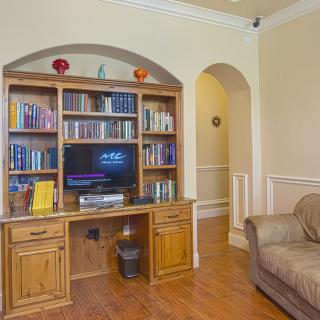
 Indoor common areas
 Move-in coordination
 Outdoor common areas
 Telephone
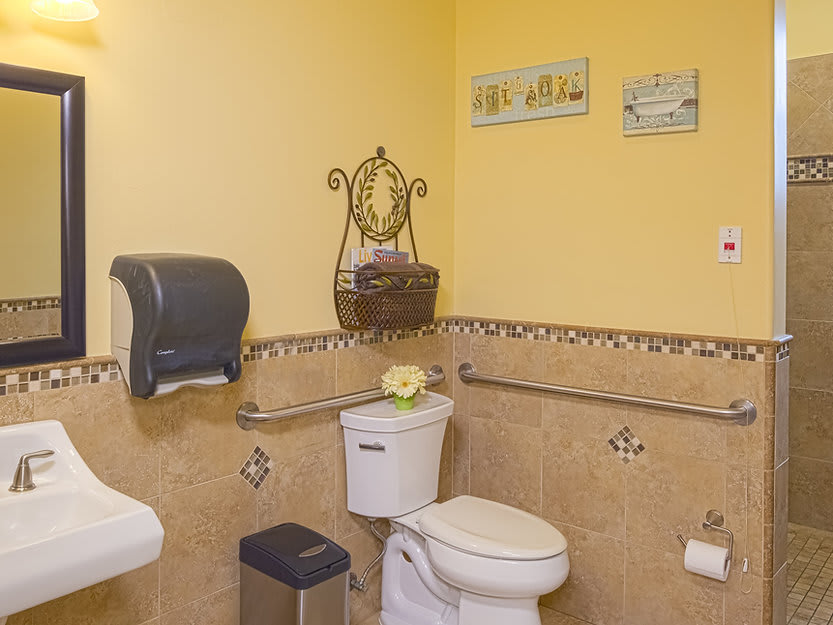
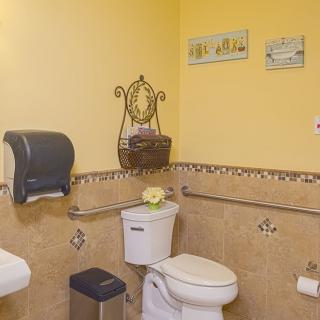
 Wheelchair accessible showers
 Wi-Fi/high-speed internet available
 24-hour supervision
 Ambulatory care
 Assistance with bathing
 Assistance with dressing
 Assistance with transfers
 Diabetes diet
 Diabetic care
 High acuity care
 Incontinence care
 Meal preparation and service
 Medication management
 Special dietary restrictions
 Transportation arrangement (medical)
 Transportation to doctors appointments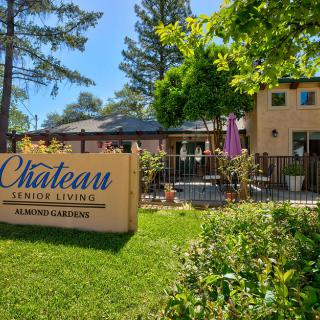

 A Holistic Dementia Care Guide: Effective Strategies for Memory Support
 Memory Care Pathways: A Holistic Guide to Dementia Support
 Comprehending Evening Confusion in Dementia: Causes, Manifestations, and Support