

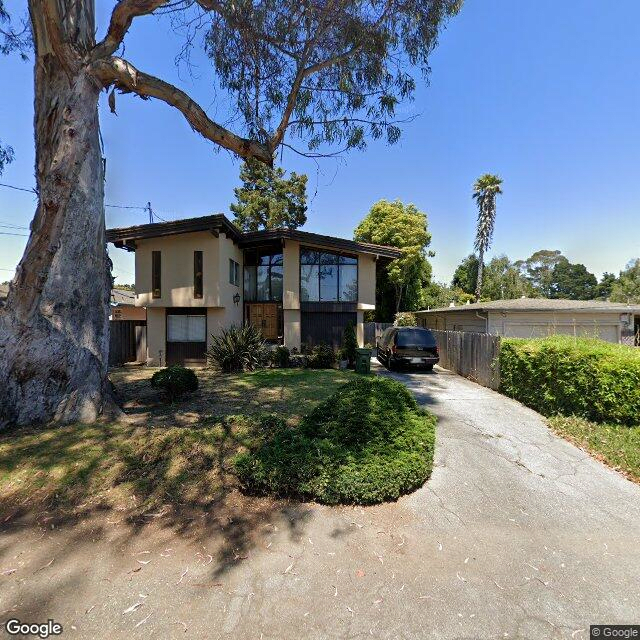
603 Cliff Drive, Aptos, CA 95003
To contact a resident: (831) 687-0444
For more information about senior living options: (866) 208-4318
Overall Review of Touched By Angels Home Care
Pros
 The caregivers provided compassionate and supportive care during the transition.
- They anticipated the needs of both individuals before they were expressed.
- A sense of comfort and peace filled the house on the day of the transition.
- They are knowledgeable, kind, and compassionate with big hearts.
- Their level of care was extraordinary, beyond words.
Review
Touched By Angels Home Care in Aptos is best suited for families facing a serious health decline at home where emotional support and a smooth transition matter as much as practical tasks. The model thrives when the goal is to keep a loved one comfortable in familiar surroundings while partnering with a caregiver team that can manage the emotional terrain of caregiving. It works well for situations such as renal-related decline or end-of-life planning, where a compassionate presence in the home helps reduce stress for both the patient and family. This is not a facility; it is a hands-on in-home care option designed for households that value warmth, clear communication, and a person-centered approach to care.
The core strengths lie in the character and competence of the caregivers. Reviewers highlight a level of compassion, knowledge, and genuine care that feels deeply personal, with caregivers who anticipate needs before they are spoken. That proactive, thoughtful approach translates into a tangible sense of comfort and peace within the house at critical moments. The “angels” description underscores a consistent reliability in how care is delivered and how families are treated, suggesting an atmosphere where trust can grow quickly and decisions can be made with confidence. In practice, this translates to a support system that helps families breathe easier during overwhelming transitions.
Yet the home-care model carries natural limits that deserve honest consideration. In-home services are typically designed to augment family capabilities rather than replace the full spectrum of medical oversight found in a facility or in more intensive skilled care programs. For families that require around-the-clock supervision, highly structured medical routines, or a built-in community of peers, alternatives such as licensed home health agencies with deeper medical staffing or an assisted living environment may be more suitable. The experience described in the reviews does not indicate a large, facility-like ecosystem, so expectations should be aligned with in-home continuity rather than institutional form.
Despite those limits, the strengths can substantially offset potential gaps when the priorities are emotional-centered support and a seamless transition plan. The most compelling offset is the caregivers’ proactive nature and deep empathy, which can dramatically reduce the emotional burden on family members. When the team “knew what both of us needed before we did,” that anticipatory care translates into smoother day-to-day routines, fewer miscommunications, and a sense of stability during upheaval. In short, the benefit is not just practical help; it is a stabilizing force that shapes the overall experience of decline into something more bearable for everyone involved.
To make the most of this resource, families should approach the decision with clear expectations and questions. Validate caregiver continuity and the range of tasks that can be supported at home, and inquire about how care plans adapt to changing medical needs. Confirm coordination with medical providers, particularly for renal-related care, and discuss responsive adjustments if symptoms worsen. Clarify availability, scheduling, and any limits on overnight or weekend coverage, and obtain references or a transparent view of outcomes in similar situations. Finally, align the service with the family’s goals, whether that means extended in-home time, comfort-focused care, or a transition to a more formal care setting when appropriate.
Overall, this in-home care option is a strong fit for families prioritizing warmth, proactive, personalized attention, and a peaceful transition while the patient remains in familiar surroundings. The two most persuasive signals from available feedback are the compassionate, knowledgeable caregivers and their ability to anticipate needs, which creates a rare sense of ease in a stressful process. For households seeking a highly human-centered partner to navigate serious illness or end-of-life planning at home, this provider stands out. For those whose priorities include robust 24/7 medical oversight, or a more contained social environment with built-in facility resources, exploring alternatives will be a prudent step before committing.
 Anytime dining






 Comprehensive Look at Senior Blood Pressure Charts: Normal and Elevated Levels by Age
 Top Canine Companions for Older Adults
 Comprehensive Guide to Blood Pressure Charts for Older Adults: Understanding Normal and High Readings by Age