
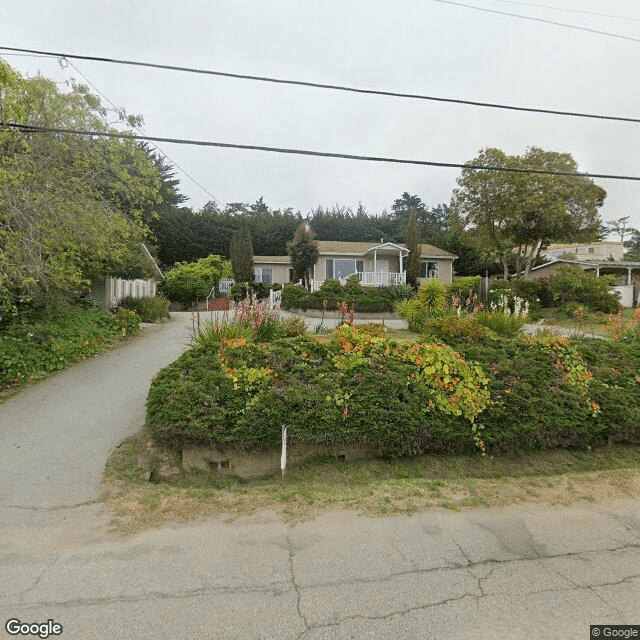
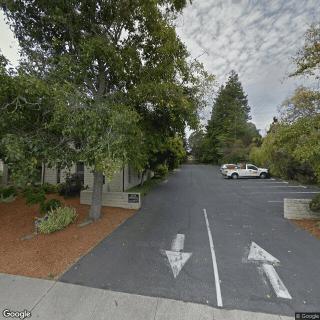
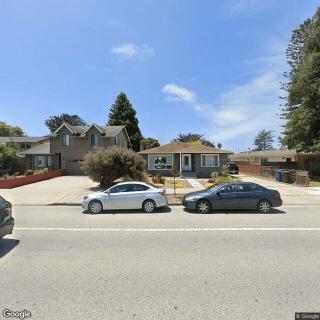
7321 Mesa Drive, Aptos, CA 95003
For more information about senior living options: (866) 208-4318
Seaview Guest Home Costs & Pricing
Seaview Guest Home offers a unique residential experience, reflected in its pricing structure which exceeds both Santa Cruz County and state averages. For a semi-private room, the cost is $5,000 per month, significantly higher than the county's average of $3,717 and California's statewide average of $3,333. Similarly, for a private room, Seaview's monthly rate stands at $5,800 compared to Santa Cruz's average of $3,760 and California's overall average of $3,939. These elevated costs may be indicative of the specialized services or amenities provided at Seaview Guest Home, suggesting that potential residents should carefully consider the value offered alongside these premium rates.
| Floor plans | Seaview Guest Home | Santa Cruz County | California |
|---|---|---|---|
| Semi-Private | $5,000 | $3,717 | $3,333 |
| Private | $5,800 | $3,760 | $3,939 |
Memory care communities with a similar price nearby
-
from -$150 / mo
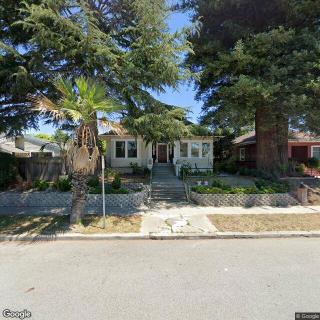
Alexandria Victoria
$4,850 / month5.2 miles away -
from +$200 / mo

The Mansion
$5,200 to $6,300 / month6.5 miles away -
from -$355 / mo

Loma Clara Senior Living
$4,645 to $6,895 / month17.7 miles away -
from +$395 / mo

Merrill Gardens At Campbell
$5,395 to $9,295 / month20.8 miles away -
from -$500 / mo
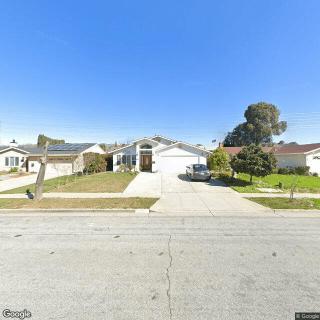
Kingdom Hearts Care Home
$4,500 to $5,000 / month22.8 miles away
Overall Review of Seaview Guest Home
Pros
 Seaview provides consistently compassionate care.
- The facility is clean and well kept.
- The staff are courteous and caring.
- It feels friendly and home-like, not institutional.
- It is a small house with a great ocean view.
- It accommodates six residents max, creating an intimate setting.
- The garden patio is a highlight.
- The staff are great and the food is delicious.
- A wheelchair ramp and space to move around the backyard are available.
- The property has reliable internet, enabling in-room movie watching.
Cons
 They had a hard time getting in touch with this property.
- They are not able to accommodate wheelchairs because of their lack of space.
Review
Seaview Guest Home is best suited for seniors who want a genuinely home-like setting where care feels personal, warmth is palpable, and everyday life unfolds in a small, intimate house rather than in a impersonal campus. This community shines for residents who value a strong sense of community, easy access to staff, and daily life that centers on comfort, conversation, and pleasant surroundings. The ocean view, garden patio, and bright, light-filled rooms reinforce a feeling of living in a cottage rather than a facility, making it ideal for someone who does not require aggressive medical oversight but does prefer attentive, neighborly care.
Those who should consider alternatives include families prioritizing mobility support, locked security, or comprehensive on-site clinical services. If a loved one needs 24/7 nursing supervision, robust fall prevention programs, or memory-care design features, a larger assisted-living setting or a dedicated memory-care community will typically offer more predictable, around-the-clock medical oversight. For residents with significant wheelchair needs or who require wide, barrier-free space for maneuvering, Seaview’s small footprint can be a limiting factor that warrants close verification about accessibility before moving in.
The strongest positives, compassionate, attentive staff; a non-institutional, homey atmosphere; and consistently good meals, form a compelling offset to the chief drawbacks. Reviews repeatedly highlight a caring, approachable team that communicates well and treats residents with courtesy, delivering a level of personal attention that larger communities often struggle to sustain. Cleanliness and upkeep are evident, reinforcing a feeling of safety and comfort. The setting itself, a six-resident maximum, with an ocean view and garden spaces, fosters meaningful relationships and predictable routines, which many families value when seeking steady, dignity-preserving care.
At the same time, several practical caveats emerge from the mixed feedback. Accessibility can be inconsistent: some statements describe a ramp and space to maneuver, while others flag space constraints that hinder wheelchair accommodation. The absence of a locked, secured environment is noted by reviewers, which matters for families worried about wandering or the need for 24/7 security features. Communication, though generally praised, can be uneven, there are instances of being hard to reach or juggling scheduling with small staff rosters. These factors don’t negate the care quality, but they do shape how well Seaview will align with a loved one’s mobility needs, safety preferences, and daily rhythms.
Candidly, the appeal rests on the strength of people and place. The staff’s warmth, the bright, welcoming interiors, and the chance to enjoy fresh, well-prepared meals in a compact, supportive setting create a sense of “home first.” The views and outdoor spaces matter for mood and engagement, and the option to integrate activities or day-care-like visits can add structure without sacrificing the intimate, homelike vibe. Families should weigh these benefits against the potential limits on mobility accommodations and the lack of campus-level security or extensive medical services.
To determine fit, prospective families should verify several practical points before committing. Schedule a hands-on visit with the resident in question to observe how staff respond in real time, confirm the layout for wheelchair access, and assess whether there is truly space to maneuver a chair in common routes and around the backyard. Confirm staffing patterns, daily schedules, and what happens after hours. Inquire about respite options, day-care arrangements, and whether specialized care plans are available for cognitive or physical needs. Finally, speak with a current resident or family member about communication reliability and access to updates on a daily basis.
If the decision centers on a loved one who prizes warmth, consistency, social connection, and a serene coastal setting, Seaview Guest Home can be a superb match, so long as mobility and security expectations align with what the tiny home can reliably offer. For those requiring deeper medical oversight, more extensive accessibility, or stronger security features, alternatives in the region’s larger assisted-living or memory-care communities will usually deliver greater peace of mind. The key is a focused, in-person evaluation that confirms layout, accessibility, and daily care routines align with the resident’s needs and family expectations.
 6 resident community capacity
 Assisted Living
 Board and Care Home
 Memory Care
 Respite Care
 Cable or satellite TV
 Dining room
 Fully furnished
 Garden
 Housekeeping services
 Move-in coordination
 Outdoor space
 Private
 Telephone
 Wi-Fi/high-speed internet available
 24-hour supervision
 Activities of daily living assistance
 Ambulatory care
 Assistance with bathing
 Assistance with dressing
 Assistance with transfers
 Diabetes diet
 Diabetic care
 High acuity care
 Hospice waiver
 Meal preparation and service
 Medication management
 Mental wellness program
 Special dietary restrictions
 Transportation arrangement (medical)
 Transportation to doctors appointments



 Five Subtle Dementia Indicators to Observe: An In-Depth Guide to Understanding “Does My Mom Have Dementia?”
 Dementia, Paranoia, and Caregiver Guidance: Understanding the Connection
 Engaging Memory Care Activities That Enhance Quality of Life