
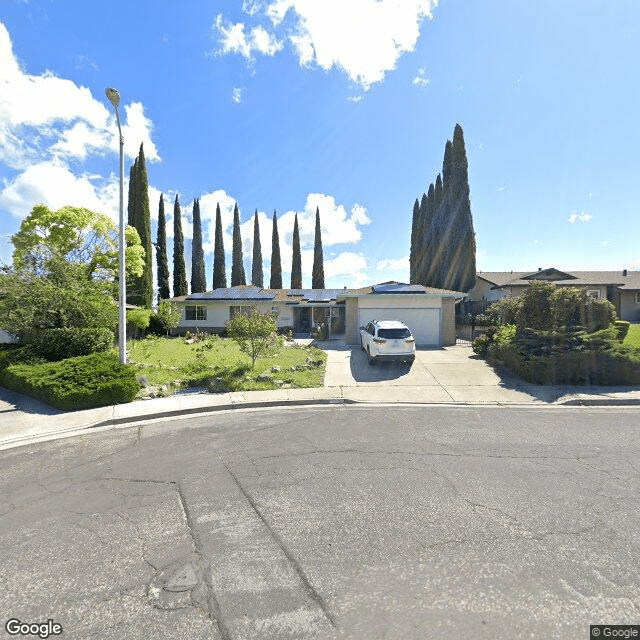
228 Cobblestone Drive, Antioch, CA 94509
For more information about senior living options: (866) 208-4318
Cobblestone Care Home Costs & Pricing
Cobblestone Care Home offers competitive pricing for its residents, particularly when compared to the broader market in Contra Costa County and the state of California. For semi-private accommodations, Cobblestone charges $1,700 per month, significantly lower than the county average of $3,471 and the state average of $3,333. The costs continue to reflect a favorable trend with private rooms available at $3,000 - again more affordable than both Contra Costa County's average of $4,088 and California's state average of $3,939. Additionally, their studio apartments are priced at $3,200 while neighboring options fall around $4,358 in the county and $4,145 statewide. This pricing structure positions Cobblestone Care Home as an appealing choice for those seeking high-quality care without straining their financial resources.
| Floor plans | Cobblestone Care Home | Contra Costa County | California |
|---|---|---|---|
| Semi-Private | $1,700 | $3,471 | $3,333 |
| Private | $3,000 | $4,088 | $3,939 |
| Studio | $3,200 | $4,358 | $4,145 |
Memory care communities with a similar price nearby
-
from -$100 / mo
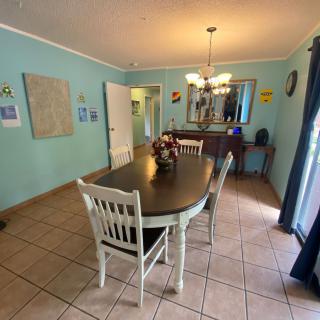
New Alamo Residence Home
$1,600 to $5,500 / month14.9 miles away -
from +$200 / mo
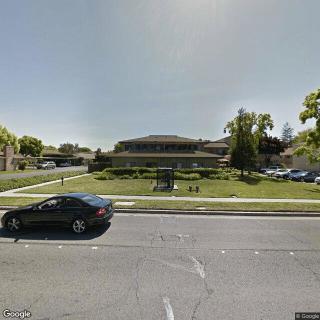
Concord Royale
$1,900 to $4,900 / month10.6 miles away -
from -$100 / mo
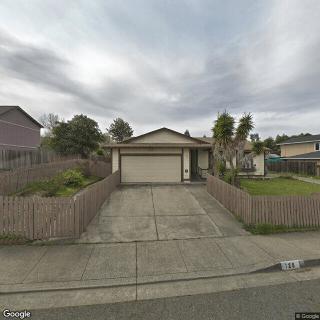
The Isles Assisted Living Facility
$1,600 to $2,000 / month25.0 miles away -
from +$300 / mo

Country Place- Mental Health
$2,000 / month1.7 miles away -
from +$100 / mo

R & N Middleton Residential Care Home #3
$1,800 / month16.3 miles away
Overall Review of Cobblestone Care Home
Pros
 The care is among the best he has seen.
- The care there is great now.
- Her mom feels better and looks better since being there.
- They have a great caregiver.
Review
Cobblestone Care Home in Antioch, CA is best suited for families that prize a small, hands-on atmosphere where caregivers form meaningful relationships with residents and daily attention translates into observable improvements in wellbeing. This setting likely appeals to those who want to see tangible, personal care over glossy amenities, and who are prepared to actively evaluate ongoing quality due to a mixed public picture. The available feedback suggests that consistency across experiences can vary, so households should approach with a plan to verify care quality in real time rather than rely on retrospective impressions alone.
The clearest positive signal comes from a reviewer who describes the care as among the best they have seen, especially after switching loved ones to Cobblestone. The account emphasizes improved mood and appearance in the resident, and notes the caregivers as a strong, capable group who deliver attentive support. In practical terms, this suggests a facility where staff engagement and compassionate handling are not incidental but central to daily life. For families seeking close, person-centered care that translates into visible comfort and dignity, this anecdote points to a genuine benefit when the match with a resident’s needs is right.
However, a 1-star rating exists in tandem with the favorable account, signaling that not every family will share the same experience. The lack of detail around the reasons for dissatisfaction means the negative review should not be dismissed, but it does warrant caution. Prospective residents must probe directly about what caused the lower rating: was it responsiveness, consistency of caregivers, communication with family, or something else? The limited public data makes it essential to seek firsthand impressions during a visit and to verify that staff stability, routines, and problem-solving approaches align with the resident’s expectations.
In weighing the positives against the drawbacks, the strength of Cobblestone clearly hinges on caregiver quality and the daily warmth residents feel. When the staff can sustain attentive, individualized care and residents respond with comfort and improved appearance, the benefits can meaningfully offset worries about generic facility features. Yet the lack of breadth in the reviews means a single strong day or a single frustrated experience could skew overall impressions. Families should insist on seeing typical routines, meals, mobility support, and activity engagement, and request current, concrete indicators of care planning, responsiveness, and family communication.
Those who should consider alternatives are clear: if a high level of medical oversight, robust memory-care programming, or transparent, frequent reporting is non-negotiable, Cobblestone may fall short compared with larger or more medically integrated communities. Families with residents requiring intensive nursing supervision, frequent skilled therapies, or highly structured activity calendars may find the scope and consistency they need elsewhere. Likewise, if the goal is a consistently high rating or a more predictable care trajectory across multiple reviewers, it is prudent to compare with other options and prioritize facilities with more extensive published outcomes and clearer quality metrics.
Actionable next steps are straightforward. Schedule an unannounced visit during peak activity to observe caregiver interactions and resident responsiveness. Speak with multiple caregivers and the administrator about staffing levels, turnover, and how care plans are updated and communicated to families. Review the resident’s day-to-day schedule, including meals, mobility support, therapy time, and social engagement, and request recent care plans and incident history. Finally, verify licensing compliance and inspect the environment for cleanliness, safety, and accessibility. If the experience during these checks aligns with the positive caregiver signal while addressing the reported concerns, Cobblestone can be a strong choice for families prioritizing hands-on, compassionate care, but the pick should be made with eyes wide open and a plan to monitor quality continuously.
 6 resident community capacity
 Assisted Living
 Board and Care Home
 Memory Care
 Respite Care
 Dogs allowed
 Activities off-site
 Cable or satellite TV
 Devotional services off-site
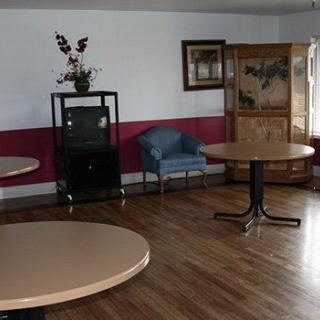
 Dining room
 Fully furnished
 Garden
 Housekeeping services
 Indoor common areas
 Move-in coordination
 Outdoor common areas
 Private
 Telephone
 Wheelchair accessible showers
 Wi-Fi/high-speed internet available
 24-hour supervision
 Ambulatory care
 Assistance with bathing
 Assistance with dressing
 Assistance with transfers
 Diabetes diet
 High acuity care
 Incontinence care
 Meal preparation and service
 Medication management
 Special dietary restrictions
 Transportation arrangement (medical)
 Transportation to doctors appointments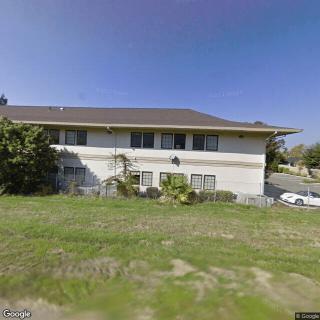



 How and When Medicaid May Cover Assisted Living Costs
 A Detailed Exploration of Assisted Living Medicaid Waivers Across the United States
 Exploring the Contrasts Between Assisted Living and Skilled Nursing