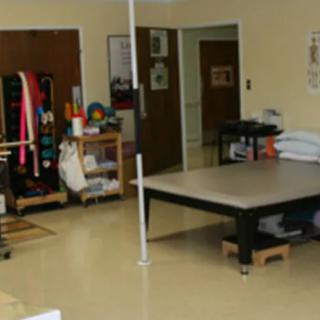
Residents and families frequently mention strong PT and OT support during rehab stays.
Many reviewers describe occupational and physical therapy as a major reason they felt their loved one progressed, with therapists described as patient, helpful, and invested in goals. A number of reviews also mention daily therapy frequency and specific improvements like regaining strength, balance, or mobility. Several residents and families pair therapy praise with follow-through from nursing staff and the overall rehab team.
common55 reviews mention this
Care teams are described as caring
Across reviews, residents and families describe staff as attentive and supportive.
Positive reviews repeatedly emphasize staff compassion, responsiveness, and professionalism, including nurses and aides who explain care and address concerns. Some families also mention administrative and care-coordination support, like helping with decisions, organizing communication, and supporting smooth transitions. A smaller set of reviews are critical about emergency responsiveness, nurse call delays, or how care was handled, so experiences appear mixed depending on the shift and situation.
common22 reviews mention this
Cleanliness and comfort are common
Residents and families often praise the facility’s cleanliness and upkeep.
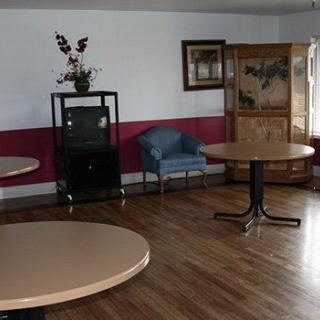
Multiple reviewers describe the building as clean, well-maintained, and remodeled, with rooms and common areas presented as tidy. Some also reference a warm, welcoming atmosphere that helped them or their family members feel more comfortable during recovery. Even among the critical reviews, the cleanliness theme is either directly contradicted (in the most negative accounts) or not the primary issue, suggesting it is generally a stronger point than most other concerns.
caveat11 reviews mention this
Food quality draws mixed feedback
Food receives both praise and complaints in residents’ accounts.
Several reviewers describe meals as good, delicious, or presented well, including mentions of healthy diets and that food helped with recovery comfort. At the same time, a few reviews complain the food is awful or mediocre, with one focusing on taste and another noting dietary concerns like higher sugar levels. Overall, dining appears to be inconsistent across experiences.
common13 reviews mention this
Activities help residents stay engaged
Reviews commonly mention activities that keep residents engaged.
Many families and residents describe a lively activities calendar that includes bingo, social events, and programs that encourage participation. Some reviewers specifically call out staff in the activities department for keeping people entertained and supporting engagement. Even when care feedback is mixed, activities are often discussed as a positive part of daily life, including access to outdoor space like courtyards during good weather.
How we summarize
Counts show how many written reviews mention each theme; a review can touch several themes, and only frequently mentioned themes are displayed.
Features
Housing
99 resident community capacity
Types of Care
Skilled Nursing Facility
Amenities
Air-conditioning
Beauty salon
Cable or satellite TV
Computer center
Dining room
Fitness room
Fully furnished
Gaming room
Garden
Housekeeping services
Kitchenette
Move-in coordination
Outdoor space
Private bathrooms
Restaurant-style dining
Small library
Telephone
Wellness center
Wi-Fi/high-speed internet available
Transportation
Community operated transportation
Transportation arrangement
Transportation arrangement (non-medical)
Transportation to doctors appointments
Care Services
12-16 hour nursing
24-hour call system
24-hour supervision
Activities of daily living assistance
Assistance with bathing
Assistance with dressing
Assistance with transfers
Diabetes diet
Meal preparation and service
Medication management
Mental wellness program
Special dietary restrictions
Dining
Diabetes diet
Special dietary restrictions
Activities
Community-sponsored activities
Concierge services
Fitness programs
Planned day trips
Resident-run activities
Scheduled daily activities
Nearby Places of Interest
Physicians
Dr Mahdavi Pediatric Office (0.2 miles)
Zimmerman Daniel, MD (0.2 miles)
Springhill Medical Group (0.3 miles)
Sutter East Bay Medical Foundation (0.4 miles)
Gulmohor Roy, MD (0.4 miles)
Ashul Govil, M.D., MBA (0.4 miles)
Vipul Gupta, M.D., MPH (0.4 miles)
Pharmacies
CVS Pharmacy (0.2 miles)
Rite Aid (0.8 miles)
Rite Aid (1.7 miles)
Kaiser Permanente Oncology Pharmacy (2.6 miles)
Kaiser Delta Square Pharmacy (2.7 miles)
Walgreens (4.2 miles)
Rite Aid (4.2 miles)
Cafes
Starbucks (0.4 miles)
Starbucks (1.2 miles)
Togo's (1.5 miles)
T4 Antioch (1.6 miles)
Starbucks (2.4 miles)
Chill Tea and Coffee (2.6 miles)
Panera Bread (2.7 miles)
Parks
Antioch Community Park (0.9 miles)
Dallas Ranch Park (1.4 miles)
Country Manor Park (1.5 miles)
Canal Park (2 miles)
Canada Valley Dog Run (2.7 miles)
Markley Creek Park (2.8 miles)
Crockett Park (3.9 miles)
Restaurants
McDonald's (1.2 miles)
KFC (1.4 miles)
Applebee's (1.5 miles)
Da Nang Tourane Vietnamese (2.2 miles)
The Habit Burger Grill (2.3 miles)
Denny's (2.4 miles)
Bridgehead Cafe (2.4 miles)
Transportation
Antioch Bart Station (1.7 miles)
Antioch-Pittsburg Station (ACA) (2.7 miles)
Hospitals
Davita Kidney Care (2.3 miles)
Kaiser Permanente (2.5 miles)
John Muir Brentwood (5.4 miles)
Children's Hospital & Research Center Oakland (6.4 miles)
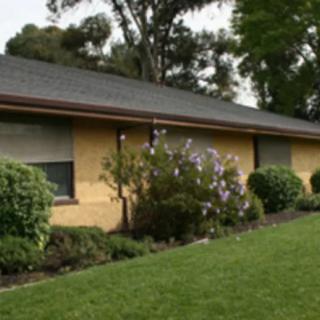
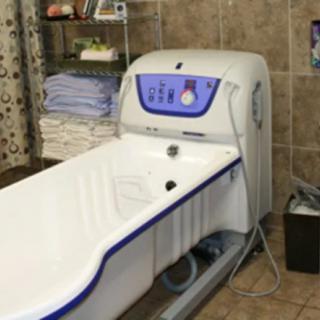
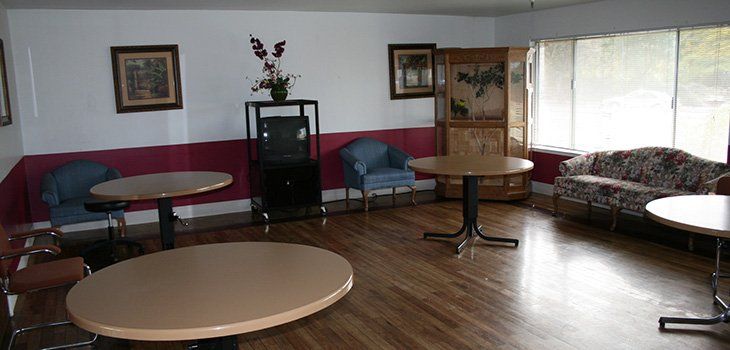
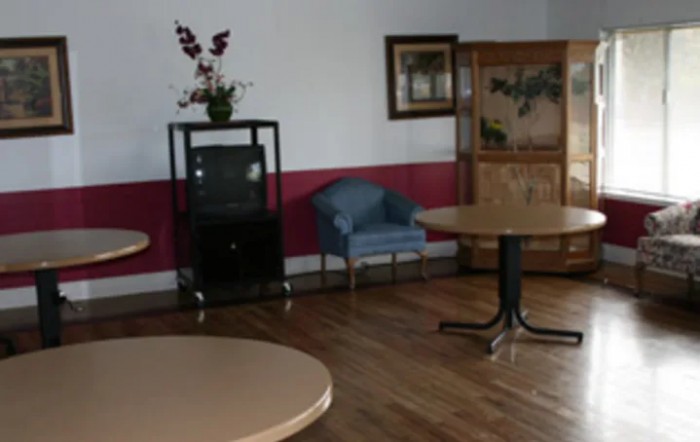
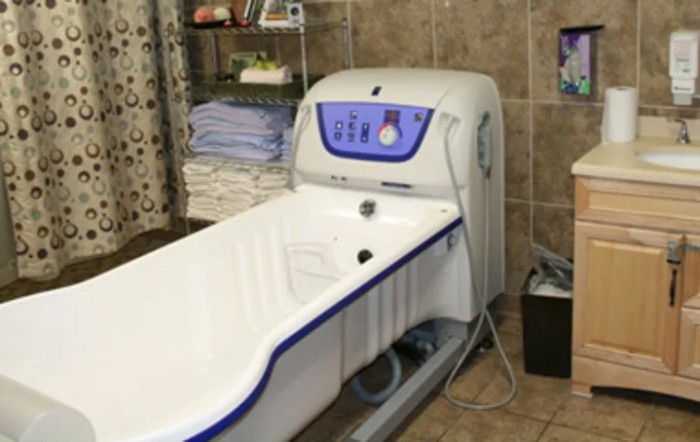
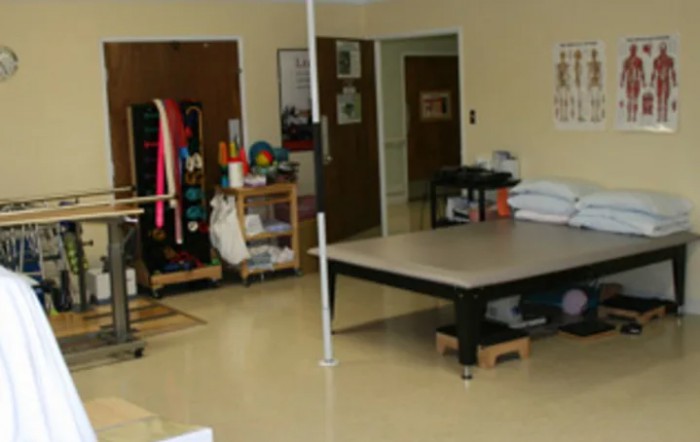
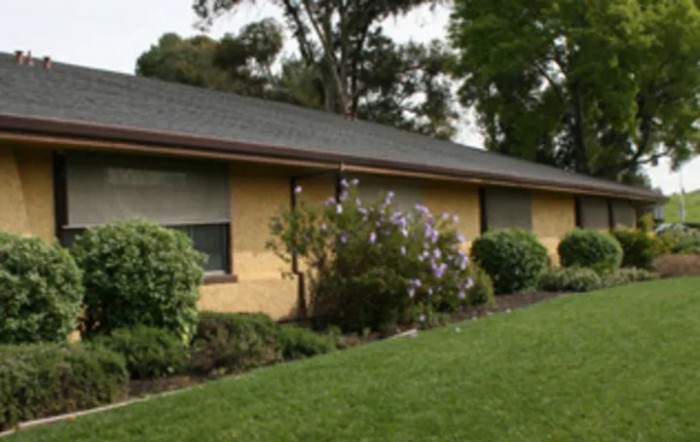
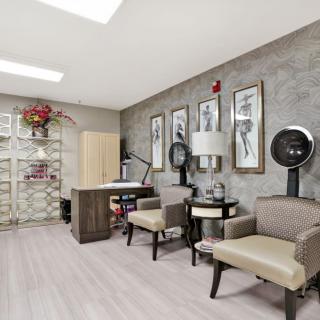
Lone Tree Convalescent Hospital on seniors.fyi includes 5 photos including images showing interior, decor, landscaping, bathroom, healthcare, physical therapy, rehabilitation, exercise room, and more.
Nearby Communities
Beacon Home Care
Antioch, CA
5 from 1 review
Highly skilled, compassionate caregivers providing reliable, hands-on support (shopping, lifting, light cleaning) and empathetic care.
TreVista at Antioch
Antioch, CA
4.6 from 107 reviews
$2,995 to $5,995 / month
Clean, well-maintained facility with friendly, attentive staff and pleasant outdoor spaces.
Cobblestone Care Home
Antioch, CA
3.7 from 3 reviews
$1,700 to $3,200 / month
Intimate 6-resident community offering 24/7 supervision, ADL and memory care, medication management, and competitive pricing ($1,700 semi-private; $3,000 private; $3,200 studio).
Golden Hills Home Care
Antioch, CA
5 from 1 review
$2,500 / month
Affordable semi-private option with extensive nearby amenities.
The Commons at Dallas Ranch
Antioch, CA
4.3 from 169 reviews
$3,920 to $5,300 / month
Caring, attentive staff in a clean, engaging community.
Brenda's Love for Seniors and Activities
Antioch, CA
4.3 from 103 reviews
$3,000 to $3,400 / month
Welcoming, home-like environment with personalized care and engaging activities.
Golden Nest Assisted Living
Brentwood, CA
4.6 from 31 reviews
$4,000 to $5,000 / month
Friendly, caring staff and engaging on-site activities.
Cathedral Care Home
Brentwood, CA
5 from 2 reviews
Small, intimate community with comprehensive care and amenities.
Welcome Home Senior Residence(Concord)
Concord, CA
4.4 from 5 reviews
$7,000 to $8,000 / month
Friendly, attentive staff in a clean, well-run facility with comprehensive on-site care options.
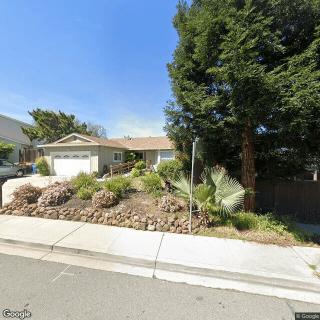
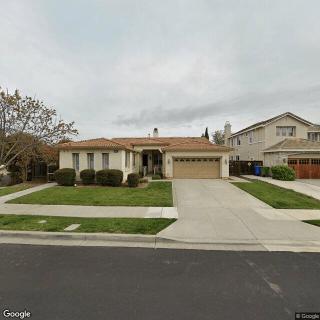
Senior move management provides specialized support for older adults relocating by assisting with logistics, emotional challenges, and downsizing decisions to ensure a smooth transition to new living environments. These services address the unique needs of seniors and have become increasingly important as baby boomers retire and seek to downsize.
Weight training is vital for seniors to maintain muscle mass, bone density, and overall health, combating age-related declines through customized resistance exercises that enhance balance and well-being. Safe routines should start with realistic goals and proper form, while emphasizing gradual progress and consultations with healthcare providers to ensure safety and effectiveness.
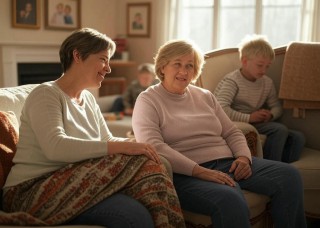
The Sandwich Generation comprises adults managing the dual responsibilities of caring for aging parents and raising children, leading to significant emotional, logistical, and financial challenges. This situation is exacerbated by longer life expectancies and cultural expectations, necessitating effective coping strategies and support resources to alleviate caregiver stress and burnout.
Rehabilitation, Physical Therapy, and Exercise Room
Get PricingAsk A QuestionSchedule A TourContact Senior Advisor
By clicking submit, you agree to our Partner's Terms of Use. You
also consent to receive calls and texts, which may be autodialed, from our Partner. Your consent is not a condition to
using our Partner's service. Please visit our Partner's Privacy Policy for information about their privacy practices.

 99 resident community capacity
 Skilled Nursing Facility
 Air-conditioning
 Beauty salon
 Cable or satellite TV
 Computer center
 Dining room
 Fitness room
 Fully furnished
 Gaming room
 Garden
 Housekeeping services
 Kitchenette
 Move-in coordination
 Outdoor space
 Private bathrooms
 Restaurant-style dining
 Small library
 Telephone
 Wellness center
 Wi-Fi/high-speed internet available
 Community operated transportation
 12-16 hour nursing
 24-hour call system
 Activities of daily living assistance
 Assistance with bathing
 Assistance with dressing
 Assistance with transfers
 Diabetes diet
 Medication management
 Mental wellness program
 Special dietary restrictions
 Concierge services
 Planned day trips
 Highly skilled, compassionate caregivers providing reliable, hands-on support (shopping, lifting, light cleaning) and empathetic care.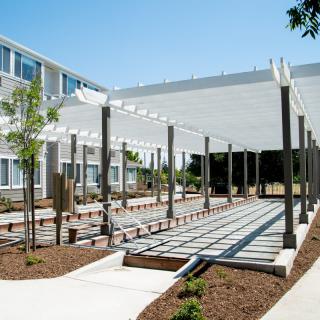

 Senior Move Management: Understanding the Role, Value, and Associated Costs
 Weight Training for Seniors: Building Strength and Vitality
 Understanding the Sandwich Generation: Stress and Responsibilities for Multigenerational Caregivers