
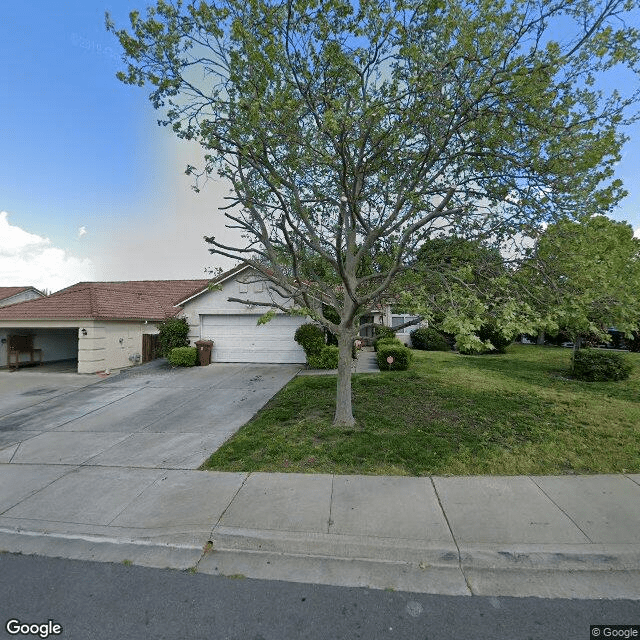
765 Hap Arnold Street, Antioch, CA 94509
To contact a resident: (925) 757-7177
For more information about senior living options: (866) 208-4318
Golden Hills Home Care Costs & Pricing
Golden Hills Home Care offers a competitive monthly rate of $2,500 for semi-private accommodations, which positions it significantly more affordably than both Contra Costa County's average of $3,471 and the broader California state average of $3,333. This cost advantage not only highlights Golden Hills' commitment to providing quality care at accessible prices but also underscores its role as a valuable option for families seeking supportive living solutions without compromising on care standards. By maintaining lower costs while still ensuring a high level of service, Golden Hills Home Care stands out as an attractive alternative within the region.
| Floor plans | Golden Hills Home Care | Contra Costa County | California |
|---|---|---|---|
| Semi-Private | $2,500 | $3,471 | $3,333 |
Senior living communities with a similar price nearby
-
from +$400 / mo
Parkside Manor
$2,900 to $3,600 / month21.7 miles away -
About the same
Brentwood Care Home
$2,500 to $4,000 / month4.9 miles away -
from +$95 / mo

Carlton Senior Living Concord
$2,595 to $3,395 / month13.6 miles away -
About the same
Village Golden Care Home
$2,500 to $3,800 / month22.2 miles away -
from -$301 / mo
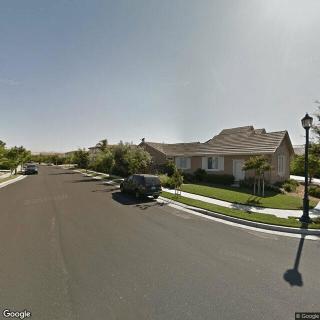
Paradise Residential Care Home in Mountain House
$2,199 to $3,199 / month20.2 miles away
Overall Review of Golden Hills Home Care
Pros
 The owners, Dennis and Lhea, are wonderful to work with and extremely responsive.
- Consistent staff make the uncle feel safe and comfortable.
- Birthdays and holiday celebrations are frequent.
- Lhea provides great support for the uncle with virtual medical appointments as needed.
- The all-male facility has been a great fit for the uncle.
- Once a week, the uncle and another resident go for walks with a staff member on the walking path/park next door.
- Golden Home is highly recommended.
Cons
 He needs frequent reassurances that he is safe due to dementia.
Review
Golden Hills Home Care in Antioch, CA is best suited for a relatively independent older man who wants reassurance, social engagement, and a straightforward, all-male living environment. The resident profile that emerges is a 79-year-old who remains ambulatory but experiences dementia-related needs for frequent reassurance and safety checks. The owners, Dennis and Lhea, are notably responsive, and staff turnover appears low enough to build real familiarity with the resident’s routines. Frequent birthdays and holiday celebrations, plus a structured cadence of care, signal a practical commitment to quality of life. The proximity to a walking path and park, combined with staff-guided walks, creates a dependable, safe space where daily activity is predictable and oriented to comfort rather than crisis management.
This community is not the right fit for every family or every care profile. Alternatives matter for residents who are women or who want a mixed-gender living environment, or for families prioritizing more intensive on-site medical oversight and formal memory-care programming. An all-male setting, while a clear strength for safety and camaraderie for some, can feel limiting for others who crave broader social interaction or a different social dynamic. For someone who requires robust nursing services, frequent skilled interventions, or specialized memory-care structures, Golden Hills may fall short unless a plan for external or part-time clinical support is already in place. Location, budget, and long-term care trajectory will drive whether a different option should be pursued.
The strongest advantages here are the owners’ responsiveness and the consistency of caregiving staff, which translate into reliable safety and routines for a resident with dementia. The social environment, celebrations, friendly interactions, and the sense that staff know the resident well, adds emotional stability that often matters more than formal medical interventions. The ability to schedule and participate in virtual medical appointments reduces friction for families trying to coordinate care, while the regular walking program helps maintain mobility and mood without feeling clinical. In short, the pro profile centers on dependable personnel, meaningful social contact, and practical supports that honor autonomy while easing anxiety around safety.
These advantages offset the potential downsides in meaningful, concrete ways. Consistent staff reduces the stress of unfamiliar faces and helps the resident’s routines become a predictable part of each day, which is particularly valuable for dementia. The all-male format can foster a clear, low-distraction social environment where routines are easier to manage and interactions feel straightforward. The walking program beside a park offers gentle physical activity that doesn’t require outside transport. Celebrations and a culture of welcoming gestures matter for maintaining identity and dignity. Where the facility does not present as a high-acuity medical setting, it instead positions itself as a steady, home-like option that emphasizes well-being through connection and routine.
Decision factors come down to matching care intensity with the resident’s trajectory. For a 79-year-old who remains ambulatory but benefits from reassurance, social engagement, and consistent caregiving, Golden Hills delivers warmth and stability. Families should probe the depth of on-site nursing support, whether there is any dedicated memory-care programming, and how meals, activities, and daily schedules are designed to sustain independence. A tour during active hours will reveal how smoothly the walking program and virtual-appointment process operate in real life. Proximity to family for visits, and whether the all-male environment aligns with the resident’s evolving preferences, should be weighed against other local options.
The bottom-line verdict is clear: Golden Hills Home Care represents a strong fit for a specific profile, an older man who is largely independent but requires reassurance, consistent staff, and a social, all-male setting that still integrates health needs through accessible virtual medical support. For families with female residents, couples, or someone whose care will intensify to the point of needing more robust medical oversight or a formal memory-care unit, it is prudent to explore alternatives. Golden Hills stands out for practical warmth, staff stability, and a daily rhythm built around safety, belonging, and manageable social engagement. The next decisive step is a focused visit with questions about memory-care options, staff-to-resident ratios, and the breadth of activities that sustain independence while ensuring safety.
 Board and Care Home

 A Closer Look at Private Pay Home Care
 Comprehensive Approaches for Arthritis: A Detailed Guide to Symptoms, Causes, and Care
 Comprehensive Insights and Practical Strategies to Help Older Adults Avoid Falls