
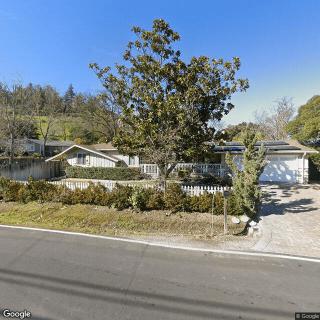
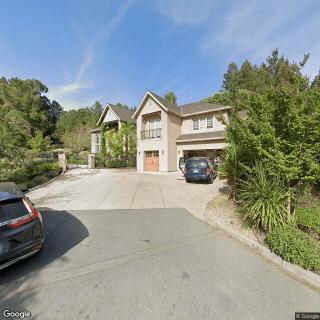
3 Navajo Court, Alamo, CA 94507
For more information about senior living options: (866) 208-4318
Overall Review of Home Sweet Alamo
Pros
 Villa Vietri is a care home with six residents and is described as a very nice place.
- The owner is very nice and enthusiastic about her work.
- The home is brand new and very clean.
- The reviewer believes the husband would like it there.
- Residents would have their own rooms.
Review
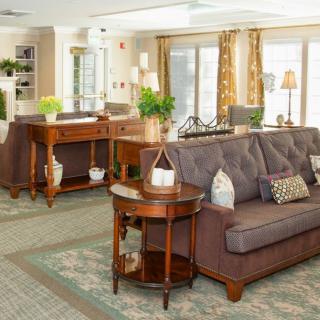
Home Sweet Alamo is best suited for families seeking a genuinely small, home-like atmosphere where residents receive highly individualized attention and privacy is a clear priority. The model suggested by the available observations is a tight-knit setting, think a small residence that emphasizes intimate caregiver-resident relationships, direct access to leadership, and a clean, fresh environment. In Alamo, this approach appeals to seniors who want to avoid the institutional feel of larger communities and who value a predictable routine, personal connection, and a space that feels more like a private home than a corridor of rooms. For couples or individuals who prioritize quiet, manageable daily life over bustle and scheduled mass programming, this model can feel especially comforting.
On the flip side, families with stronger needs for robust medical oversight, structured memory care, or a broad slate of on-site activities may want to consider alternatives. A six-resident or similarly small operation often hinges on the strength and availability of a few key caregivers and the direct involvement of an owner or manager. If 24/7 skilled nursing, extensive rehabilitation services, or a wide range of therapeutic programs are essential, larger assisted living communities or dedicated memory care facilities will typically deliver more comprehensive coverage. For those who must rely on transportation logistics, diverse dining options, or a wider social calendar, the smaller format may feel limiting.
The enduring pros of this small-house approach are tangible. A highly personalized environment tends to translate into better staff familiarity with each resident’s routines, preferences, and triggers, which can reduce agitation and miscommunication. A clean, brand-new look signals fewer maintenance headaches and a more predictable living space, qualities families often equate with safety and comfort. The potential for a resident to have their own room is a meaningful benefit, preserving privacy and autonomy, and it makes daily life easier for couples or spouses who wish to maintain individual space. When leadership is close at hand and enthusiastic about care, responsiveness to concerns tends to improve, and families appreciate a direct line to decision-makers.
That said, the main cons flow naturally from the small-scale model. There may be limited visibility into staffing levels, schedules, and the scope of medical oversight, simply because fewer caregivers cover a smaller footprint. Fewer residents can translate into fewer spontaneous social interactions or less diversified programming, which matters for seniors who thrive on varied activities and peer engagement. If specialized memory care or complex clinical needs arise, the capacity of a tiny community to adapt quickly can be tested, and families must verify how external partnerships or on-call services would fill any gaps. Cost structures can also skew higher in intimate settings, where daily rates must cover a leaner staffing model.
The key to balancing the pros and cons lies in the continuity and transparency that a small, owner-driven operation can deliver. The strongest offset to potential programming gaps is the ability to know caregivers personally, influence daily routines, and receive prompt, clear communication about care changes. In a setting where the environment is consistently calm, a resident’s comfort and safety become a function of attentiveness, not mere protocol. Cleanliness and modern facilities reduce avoidable issues and create a baseline of reliability that families can measure against more easily than in larger, more complex campuses. In short, the intimacy of the model often compensates for what it may lack in breadth with depth of care and ease of access to leadership.
Ultimately, the recommendation is pragmatic and decision-ready. For families prioritizing a low-stress transition into care, a home-like, intimate setting with easy access to a responsive owner and a private living arrangement is a compelling fit. Home Sweet Alamo appears well-suited to those values, offering a quiet, clean, and personally managed alternative to bigger campuses. However, families weighing options that require extensive medical services, broad social programming, or specialized memory care should actively compare with mid-sized assisted living or memory-care communities where staff breadth and program breadth are built into the operation. A disciplined visit, with questions focused on staffing coverage, care planning, and emergency protocols, will determine whether this small-model setting can meet the full spectrum of needs or if a different path better serves long-term peace of mind.
 6 resident community capacity
 Assisted Living
 Board and Care Home
 Cable or satellite TV
 Dining room
 Fully furnished
 Garden
 Housekeeping services
 Move-in coordination
 Outdoor space
 Telephone
 Wi-Fi/high-speed internet available
 Metropolitan Oakland International (14 miles away)
 24-hour supervision
 Activities of daily living assistance
 Assistance with bathing
 Assistance with dressing
 Assistance with transfers
 Diabetes diet
 Meal preparation and service
 Medication management
 Special dietary restrictions
 Transportation arrangement (medical)
 Transportation to doctors appointments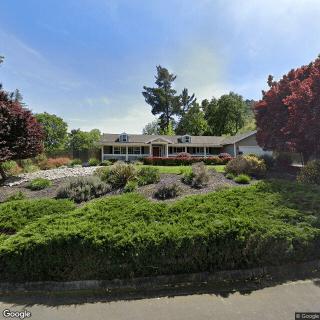




 Funding and Affording Assisted Living: A Thorough Overview
 Assisted Living Expenses and Long-Term Care Insurance: A Comprehensive Exploration
 Securing Financial Support for Assisted Living: A Comprehensive Overview