
12030 N 113th Ave, Youngtown, AZ 85363
To contact a resident: (623) 977-4273
For more information about senior living options: (866) 208-4318
Fountain Retirement Hotel Costs & Pricing
Fountain Retirement Hotel offers competitive pricing for its services when compared to the broader market rates in Maricopa County and the state of Arizona. For instance, a semi-private room is available at just $1,075 per month, significantly lower than the county average of $2,801 and state average of $2,820. Similarly, residents opting for a studio can enjoy a comfortable living space for $1,600, well below the county's rate of $3,960 and Arizona's average of $3,829. Those seeking more privacy can choose a one-bedroom unit at $2,000, which again presents substantial savings compared to the respective county and state averages of $3,473 and $3,532. These pricing advantages underscore Fountain Retirement Hotel's commitment to providing affordable yet quality accommodations for seniors in the area.
| Floor plans | Fountain Retirement Hotel | Maricopa County | Arizona |
|---|---|---|---|
| Semi-Private | $1,075 | $2,801 | $2,820 |
| Studio | $1,600 | $3,960 | $3,829 |
| 1 Bedroom | $2,000 | $3,473 | $3,532 |
Assisted Living communities with a similar price nearby
-
from +$125 / mo
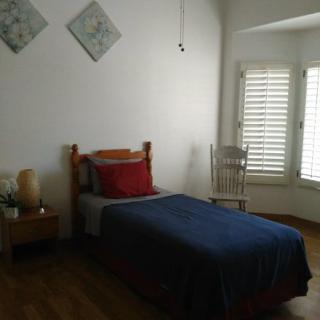
Rhodas Assisted Living Home 1
$1,200 to $3,000 / month7.1 miles away -
About the same
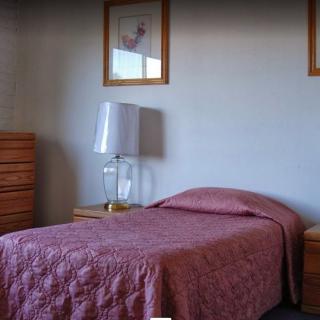
Burkeshire Retirement Hotel
$1,050 to $3,670 / month16.9 miles away -
from +$87 / mo

Immanuel Gardens
$1,162 to $1,916 / month2.0 miles away -
from +$155 / mo
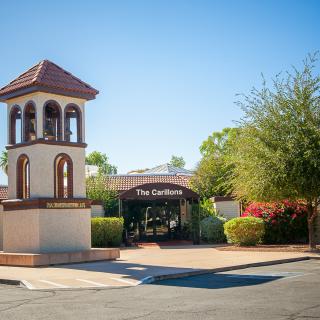
The Carillons
$1,230 / month1.5 miles away
Overall Review of Fountain Retirement Hotel
Pros
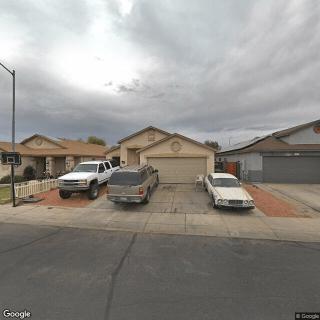
 The facility is a medium-sized independent and supervisory setting.
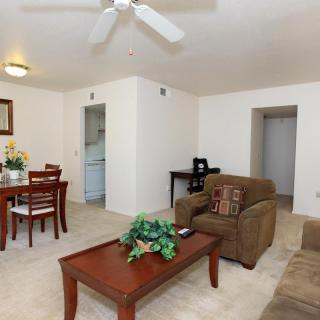
- Residents have private and semi-private large rooms with their own bathrooms.
- The dining room serves meals and delivered meals are available.
- Staff provide reminders for meals and medications and assist with laundry, housekeeping, and escort services.
- The facility accommodates residents with mild memory care needs.
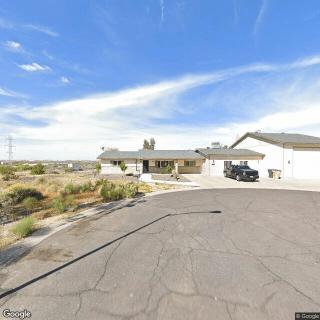
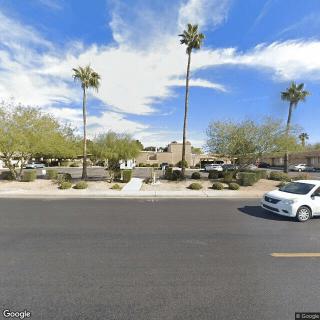
- The building is fairly nice and well maintained.
- Transportation is available for residents and there is a nearby store.
- The staff are friendly and the place seems suitable for residents who need mild supervision.
Cons
 They primarily only do reminders for meals and medications and only call in emergencies, offering minimal hands-on care.
- They do not lift residents or provide a lot of assistance.
Review
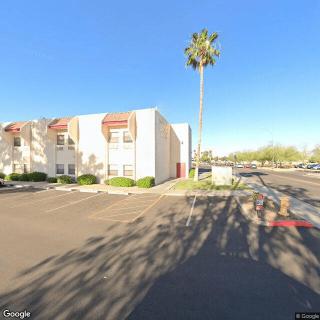
Fountain Retirement Hotel in Youngtown, Arizona, is best suited for seniors who want a modestly supervised living environment and can manage most daily tasks with occasional reminders rather than constant hands-on care. It works well for residents who are mobile, able to bathe themselves, and comfortable with private or semi-private rooms that include private baths. For families prioritizing independence with light supervision, the community provides a practical balance: comfortable living spaces, routinized meals, and a supervision level that reduces risk without converting daily life into a full-time caregiving plan.
This is not the right fit for those with rising care needs. Anyone who requires hands-on assistance with mobility, bathing, dressing, toileting, or ongoing medical monitoring should look elsewhere. Residents with moderate to advanced memory impairment or challenging behaviors may outgrow the mild supervision model here. Those needing 24/7 nursing, intensive ADL support, or frequent transfers will likely find the level of care inadequate. Families should consider whether a more structured memory care or assisted living environment would align better with current or anticipated care requirements.
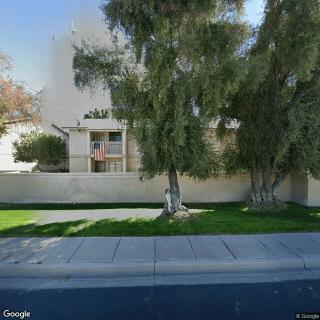
On the upside, several practical strengths help offset the lighter care model. Private and semi-private rooms with their own bathrooms preserve dignity and personal space, a meaningful consideration for long-term comfort. A dining room serves meals, with the option of delivered meals, and reminders for meals and medications help minimize missed routines. Housekeeping, laundry, and escort services reduce daily chores and support ongoing independence. Transportation is available, and nearby stores offer convenient errand options, enhancing autonomy. The building’s upkeep and the approachable, friendly staff further reinforce a sense of stability and daily ease.
The primary limitation remains clear: the staff’s focus is reminders and emergency calls rather than proactive assistance with daily activities. There is little lifting assistance or extensive ADL support, and transfers or more intensive personal care are not routinely provided. That gap could become a bottleneck if mobility or cognitive needs progress beyond a mild supervision model. For memory care, the environment offers some cognitive support but lacks a comprehensive, dedicated program for more demanding needs. Families should plan for how care requirements could evolve and whether the facility can adapt to that evolution.
Beyond care levels, the setting itself offers a practical, approachable atmosphere. It’s a mid-sized operation, which often translates into a comfortable pace, easier access to staff, and less overwhelming options than larger campuses. The willingness to arrange transport and the proximity to a nearby store adds genuine day-to-day practicality for maintaining independence. While the experience may feel understated, it aligns with a niche of seniors who value routine, predictability, and the ability to stay in a familiar, modestly supervised environment as long as major care needs do not escalate.
In the final assessment, Fountain Retirement Hotel serves as a prudent choice for residents who can maintain self-care with reminders, appreciate private living space and friendly staff, and value an economical, straightforward supervision model. For families prioritizing robust daily assistance, complex memory care, or 24/7 nursing oversight, alternatives offering higher staff-to-resident ratios and more intensive support should be pursued. Prospective residents and families should schedule a thorough tour, ask direct questions about daily assistance levels, staffing patterns, and escalation plans, and compare costs against those needs. The right fit hinges on clarity about current abilities and a credible plan for what changes, if any, are anticipated in the months ahead.
 Assisted Living
 Cats allowed
 Dogs allowed
 Activities off-site
 Devotional services off-site
 Indoor common areas
 Outdoor common areas
 Respite or short term stays offered
 Swimming pool / hot tub
 Wheelchair accessible showers
 Phoenix Sky Harbor International (20 miles away)
 Ambulatory care
 Diabetic care
 Meals provided
 Assisted Living Expenses and Long-Term Care Insurance: A Comprehensive Exploration
 Securing Financial Support for Assisted Living: A Comprehensive Overview
 Social Security Benefits and Assisted Living: Navigating Options Across the U.S.