
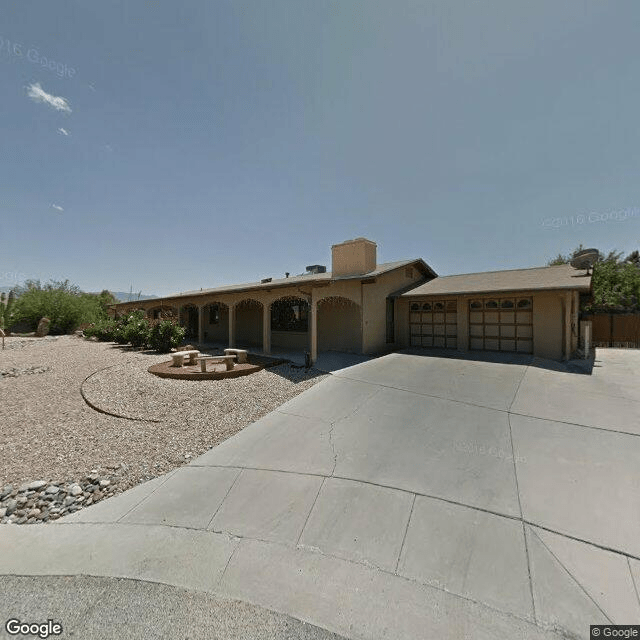
8240 East Keuka Court, Tucson, AZ 85715
For more information about senior living options: (866) 208-4318
Tita's Happy Assisted Living Home Costs & Pricing
Tita's Happy Assisted Living Home offers competitive pricing in comparison to both Pima County and the broader state of Arizona. For a semi-private room, residents will find the monthly cost at Tita's to be $2,500, which is notably lower than the county average of $2,805 and the statewide average of $2,820. Similarly, for those seeking more privacy, Tita's charges $3,500 for a private room, again undercutting both Pima County's pricing at $3,332 and Arizona's average of $3,345. This pricing structure not only highlights Tita's commitment to affordability but also positions it as a practical choice for families seeking quality assisted living options without compromising on care.
| Floor plans | Tita's Happy Assisted Living Home | Pima County | Arizona |
|---|---|---|---|
| Semi-Private | $2,500 | $2,805 | $2,820 |
| Private | $3,500 | $3,332 | $3,345 |
Assisted Living communities with a similar price nearby
-
from -$300 / mo

Gentlemen's Inn I
$2,200 / month1.4 miles away -
from -$300 / mo
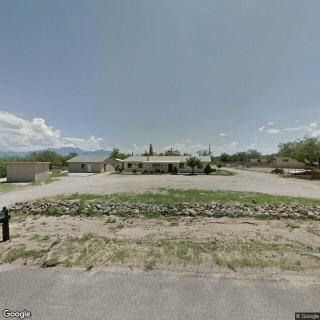
The Villa Rosa
$2,200 to $2,500 / month24.8 miles away -
from +$200 / mo

Casa De Los Abuelos Dos
$2,700 to $3,200 / month12.9 miles away -
About the same
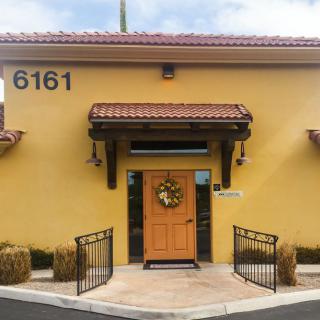
Fairmount Assisted Living
$2,500 to $3,500 / month2.6 miles away -
from -$225 / mo
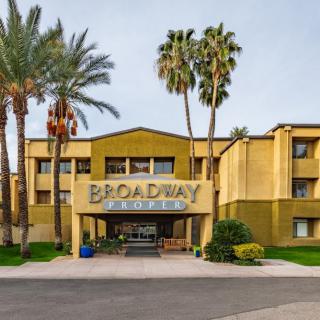
Broadway Proper Senior Living
$2,275 to $3,075 / month2.2 miles away
Overall Review of Tita's Happy Assisted Living Home
Pros
 She works well with people and is appreciated.
- The owner is easy to work with.
- The staff are good people to work with.
Cons
 There were rude and incompetent staff.
- Food that had been paid for and was supposed to be for her was stolen.
- Thinking about this place made her want to die in her own home when she gets old.
- There was patient neglect and unknowledgeable staff.
- There were always issues when the grandmother was there.
- The reviewer wouldn’t go to a home after being treated like she was.
Review
Tita's Happy Assisted Living Home in Tucson is best suited for families seeking a small, home-like setting where the operator takes a highly personal, hands-on approach. It appeals to those who value relationship-driven care, warmth, and direct access to the person overseeing daily routines. This model can deliver meaningful daily engagement and a sense of personal connection that larger facilities sometimes miss. However, it is not ideal for elders who require consistent, professional staffing with robust medical oversight, strict safety protocols, and predictable routines. For residents with higher medical or cognitive needs, or for families wanting strong, formal accountability, alternative options should be seriously considered.
The strongest positives revolve around the intimate culture and the apparent goodwill of the owner. When the operator is actively involved and staff are described as “good people,” the environment can feel responsive and supportive, with residents benefiting from flexible scheduling and individualized attention. In a small home, staff can learn preferences quickly, adjust activities on the fly, and offer a level of accessibility that larger communities often cannot match. This personal touch can translate into better mood, social engagement, and a sense of belonging, provided the staff turnover stays low and supervision remains constant.
Yet, the cautions are substantial and cannot be dismissed. Recurrent reports describe rude or incompetent staff, patient neglect, and even theft of meals. These red flags point to fundamental governance gaps and inconsistent supervision. When staff are unknowledgeable or disengaged, care lapses are more likely, and the risk to a resident’s safety and dignity rises sharply. For families with loved ones who require careful monitoring, clear medication management, or reliable incident handling, the risk profile here becomes a dominant consideration rather than a minor concern.
The question becomes whether the positives can meaningfully offset the negatives. If the owner maintains tight, visible oversight, enforces consistent training, and holds staff to high standards with documented accountability, the intimate setting can still deliver high-quality, person-centered care. However, the strength of such positives depends on verifiable controls: routine staff trainings, rigorous background checks, transparent incident reporting, secure meal handling, and a clear, enforceable plan to address grievances. Without tangible safeguards, the goodwill and warmth risk evaporating under the weight of neglect or theft concerns.
This community will particularly benefit families who can maintain active oversight and are comfortable with a less formal operating structure. Conversely, those prioritizing predictability, medical oversight, and ironclad safety should seriously consider alternatives. In Tucson, that means comparing options with larger care teams, on-site nursing coverage, structured care plans, and transparent governance. For memory care needs or residents with complex health issues, facilities with licensed nursing staff and formal care management typically offer a more reliable safety net.
Bottom line: Tita's Happy Assisted Living Home offers a compelling, person-centered model in a small, home-like setting that can deliver warmth and meaningful daily life when staffing is solid and supervision is disciplined. The decisive factor is safety and consistency; reports of neglect and theft cannot be ignored. Families considering this home should begin with rigorous in-person evaluations, meet the owner and staff, review incident records and policies, and verify licensing and care capabilities. If those checks align, the experience can be rewarding; if not, pursuing more robust, professionally governed alternatives is the prudent course.
 5 resident community capacity
 Assisted Living
 Board and Care Home
 Cable or satellite TV
 Dining room
 Fully furnished
 Garden
 Housekeeping services
 Move-in coordination
 Outdoor space
 Private
 Telephone
 Wi-Fi/high-speed internet available
 Tucson International (12 miles away)
 24-hour supervision
 Activities of daily living assistance
 Assistance with bathing
 Assistance with dressing
 Assistance with transfers
 Diabetes diet
 Diabetic care
 Meal preparation and service
 Medication management
 Special dietary restrictions
 Transportation arrangement (medical)
 Transportation to doctors appointments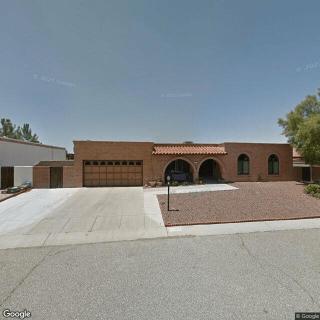



 Assisted Living Expenses and Long-Term Care Insurance: A Comprehensive Exploration
 Securing Financial Support for Assisted Living: A Comprehensive Overview
 Social Security Benefits and Assisted Living: Navigating Options Across the U.S.