For more information about senior living options: (866) 208-4318
4.2 from 118 reviews
5 stars
80
4 stars
16
3 stars
5
2 stars
3
1 stars
14
Sierra Del Sol Senior Living Costs & Pricing
Sierra Del Sol Senior Living offers competitive pricing for its various room types when compared to both Pima County and the broader state of Arizona. For instance, a studio at Sierra Del Sol is priced at $2,855, which is significantly lower than the county average of $3,786 and the state average of $3,829. Similarly, one-bedroom units are also attractively priced at $3,200 versus $3,660 in Pima County and $3,532 statewide. However, two-bedroom accommodations present a different picture; at $4,200 they are slightly above the county's average of $3,974 but remain close to the state's average of $4,106. Interestingly, the semi-private rooms are priced at $5,390 - considerably higher than both Pima County's $2,805 and Arizona's average of $2,820. Overall, Sierra Del Sol presents a balanced value proposition across most unit types while offering some premium options that vary from local and state averages.
Floor plans
Sierra Del Sol Senior Living
Pima County
Arizona
Studio
$2,855
$3,786
$3,829
1 Bedroom
$3,200
$3,660
$3,532
2 Bedrooms
$4,200
$3,974
$4,106
Semi-Private
$5,390
$2,805
$2,820
Overall Review of Sierra Del Sol Senior Living
common26 reviews mention this
Staff feels attentive and caring
Residents and families often describe the staff as consistently kind and responsive.
Across reviews, people repeatedly mention friendly, helpful staff who make residents feel comfortable and supported. Several residents or family members describe caregivers checking in often, assisting with day-to-day needs, and addressing concerns promptly. A few reviews also raise staffing and care consistency concerns, including reports of being understaffed or overwhelmed during certain shifts.
common18 reviews mention this
Dining is a frequent focus
Food is a common point of praise, with many residents describing restaurant-style meals.
Many reviews highlight dining as a strong experience, describing the food as tasty and meals as satisfying, with dining room service that feels like a restaurant. Some mention menus with choices and describe staff who are attentive during meals. A smaller set of reviews is more critical, saying the food quality can be inconsistent at times, including meals that were described as not enjoyable.
common12 reviews mention this
Activities keep residents engaged
Residents are kept engaged with frequent activities and outings.
Reviews commonly describe a steady schedule of activities, including games, arts-and-crafts, religious or devotional activities, and live performances. Several residents or family members mention social time like music and sing-alongs, and others note day trips or weekly outings around the city. Some reviews also suggest that preferences vary, with at least one person noting their loved one is less interested in activities than others.
differentiator9 reviews mention this
Memory care support is present
Residents with dementia needs are served by a dedicated memory care focus described in reviews.
Multiple reviews discuss experiences with dementia-related support, describing a move to memory care when needed and describing staff as attentive to comfort and care routines. Some families also mention working with hospice during a decline, describing the community as collaborating to help a loved one stay comfortable. At the same time, a few critical reviews question training and the ability to handle behavioral changes reliably.
common4 reviews mention this
Pricing can be budget-friendly
Several families describe the overall cost as reasonable compared with alternatives.
Some reviews explicitly connect choosing Sierra Del Sol to affordability or value, including statements that pricing was less than other places they toured and that it fit their budget. Other reviews focus on the experience after move-in rather than cost, so not every reviewer discussed pricing. One review warns that the facility may be too high for a budget and suggests revisiting pricing later.
caveat5 reviews mention this
Care and meals can be inconsistent
Some reviews report breakdowns in care consistency and meal quality.
While many reviews praise care, a few describe problems such as missed attention during certain shifts and concerns about staffing levels, especially for residents needing help frequently. Meal complaints appear in more than one review, including descriptions of food being tough, cold, or not enjoyable on multiple occasions. These comments stand out because they directly contradict the more common pattern of attentive caregiving and reliable dining.
How we summarize
Counts show how many written reviews mention each theme; a review can touch several themes, and only frequently mentioned themes are displayed.
Features
Housing
140 resident community capacity
1-bedroom apartments
2-bedroom apartments
Studio apartments
Types of Care
Assisted Living
Memory Care
Skilled Nursing Facility
Amenities
Activities off-site
Activities on-site
Air-conditioning
Beautician on-site
Beauty salon
Cable or satellite TV
Cafe
Computer center
Devotional services on-site
Dining room
Financing advice
Fitness room
Fully furnished
Gaming room
Garden
Golf
Guasts at mealtime
Guest parking
Housekeeping services
Indoor common areas
Kitchenette
Laundry
Move-in coordination
Outdoor common areas
Outdoor space
Party space
Private bathrooms
Private cleaning services
Resident parking
Respite or short term stays offered
Restaurant-style dining
Small library
Spa
TV room
Telephone
VA Benefits Consultation
Wellness center
Wheelchair accessible showers
Wi-Fi/high-speed internet available
Transportation
Tucson International (11 miles away)
Community operated transportation
Transportation & parking
Transportation arrangement
Transportation arrangement (non-medical)
Transportation to doctors appointments
Care Services
12-16 hour nursing
24-hour call system
24-hour supervision
Activities of daily living assistance
Ambulatory care
Assistance with bathing
Assistance with dressing
Assistance with transfers
Coordination with health care providers
Dementia waiver
Diabetes diet
Diabetic care
Hospice care
Hospice waiver
Incontinence care
Meal preparation and service
Medication management
Mental wellness program
Mild cognitive impairment
Physical therapy
Special dietary restrictions
Specialized memory care programming
Transportation arrangement (medical)
Transportation to doctors appointments
Walking wheelchair assistance
Dining
Diabetes diet
Meals provided
Room service
Special dietary restrictions
Special dining programs
Vegetarian
Activities
Activities off-site
Activities on-site
Arts and crafts
Community-sponsored activities
Concierge services
Cooking club
Devotional activities on-site
Educational speakers / life long learning
Fitness programs
Games
Gardening club
Live musical performances
Planned day trips
Religious services
Reminiscence programs
Resident-run activities
Scheduled daily activities
Stories
Languages Spoken
English
Videos
Nearby Places of Interest
Pharmacies
Walgreens (0.4 miles)
CVS Pharmacy (0.7 miles)
Walmart Pharmacy (1.2 miles)
Walgreens (1.4 miles)
Walgreens (1.6 miles)
Walgreens (1.7 miles)
Osco Pharmacy (1.7 miles)
Restaurants
El Molinito (1 miles)
Culver's (1.3 miles)
Subway (1.5 miles)
Hooters (1.6 miles)
In-N-Out Burger (1.6 miles)
Eclectic Cafe (1.7 miles)
New China Super Buffet (2.3 miles)
Physicians
Med Clinics (1.1 miles)
Sheldon Dr - Marks Sheldon Marks MD (1.3 miles)
Tmj Disorders Orofacial Pain Center PC (1.3 miles)
Sierra Del Sol Senior Living offers competitive pricing for its various room types when compared to both Pima County and the broader state of Arizona. For instance, a studio at Sierra Del Sol is priced at $2,855, which is significantly lower than the county average of $3,786 and the state average of $3,829. Similarly, one-bedroom units are also attractively priced at $3,200 versus $3,660 in Pima County and $3,532 statewide. However, two-bedroom accommodations present a different picture; at $4,200 they are slightly above the county's average of $3,974 but remain close to the state's average of $4,106. Interestingly, the semi-private rooms are priced at $5,390 - considerably higher than both Pima County's $2,805 and Arizona's average of $2,820. Overall, Sierra Del Sol presents a balanced value proposition across most unit types while offering some premium options that vary from local and state averages.
Sierra Del Sol Senior Living's comprehensive features are designed to address the unique challenges faced by residents with dementia or Alzheimer's disease, ensuring they receive holistic support tailored to their needs. The 24-hour supervision offers a secure environment where residents can feel safe, while assistance with activities of daily living--including bathing, dressing, and transfers--promotes dignity and independence. Coordination with healthcare providers and medication management ensures that medical needs are met efficiently, while incontinence care further supports personal comfort. Meal preparation is handled thoughtfully to cater to dietary restrictions and preferences, fostering enjoyment during mealtimes. The mental wellness program and specialized memory care programming provide cognitive stimulation and social engagement crucial for emotional health, complemented by physical therapy that aids mobility. Additionally, transportation arrangements for medical appointments facilitate access to necessary healthcare services. Together, these features create a nurturing environment that promotes well-being and quality of life for residents at various stages of cognitive decline.
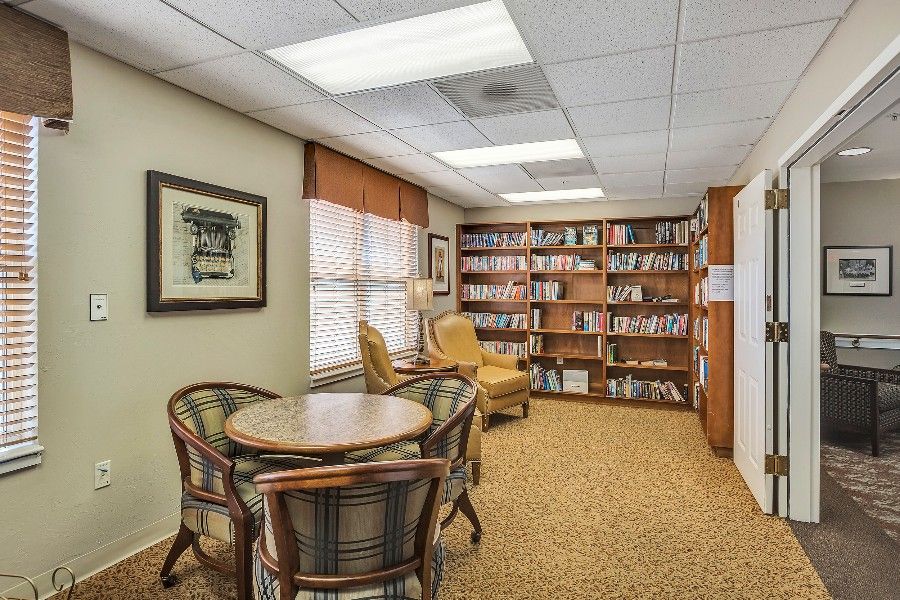
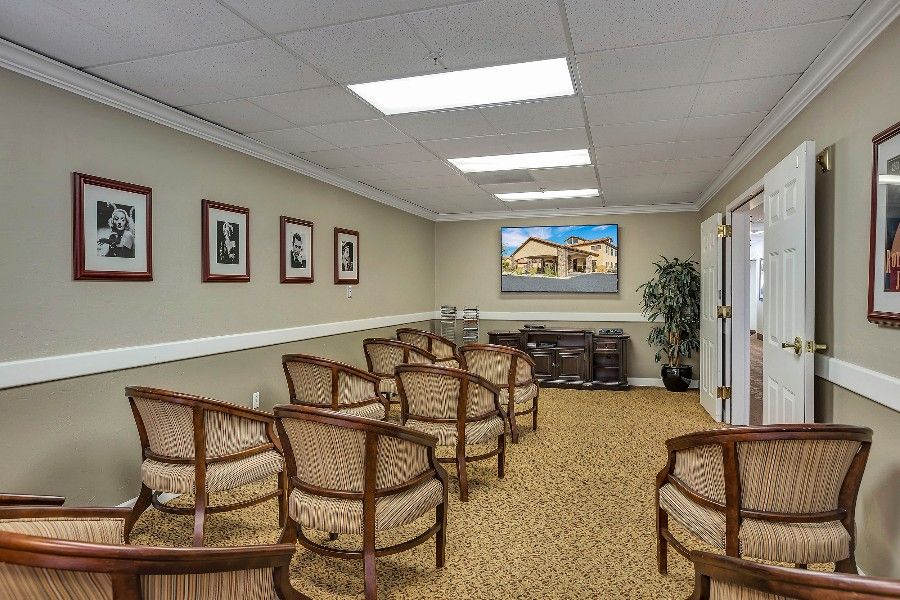
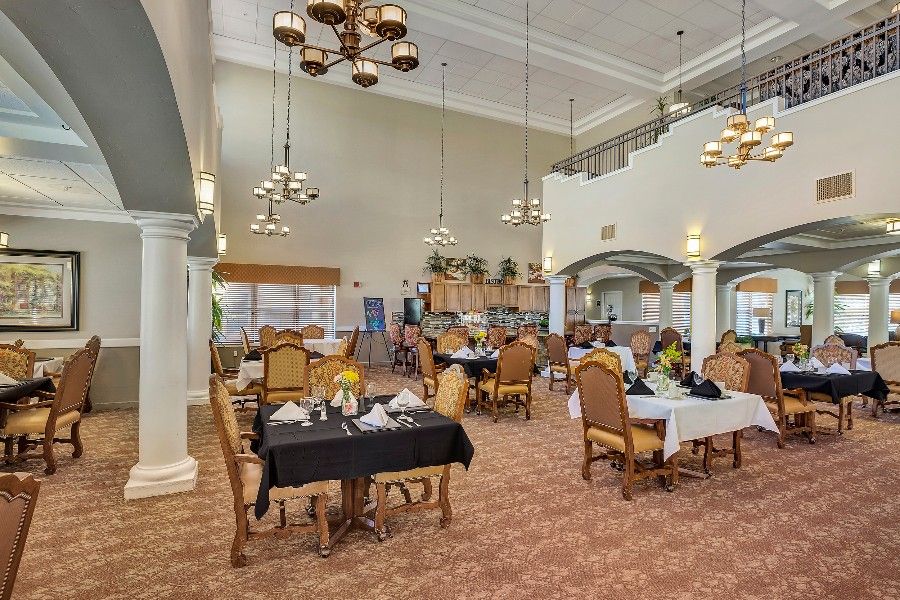
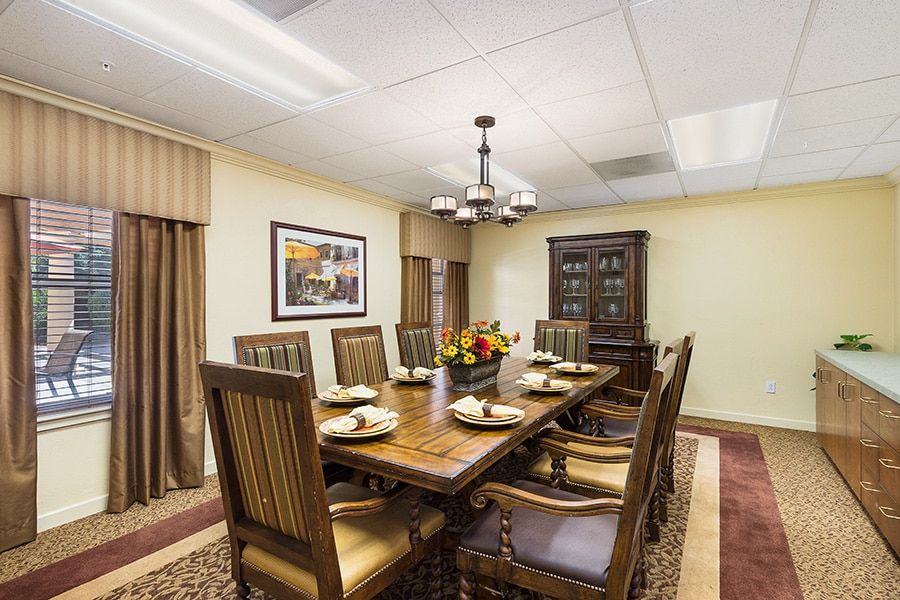
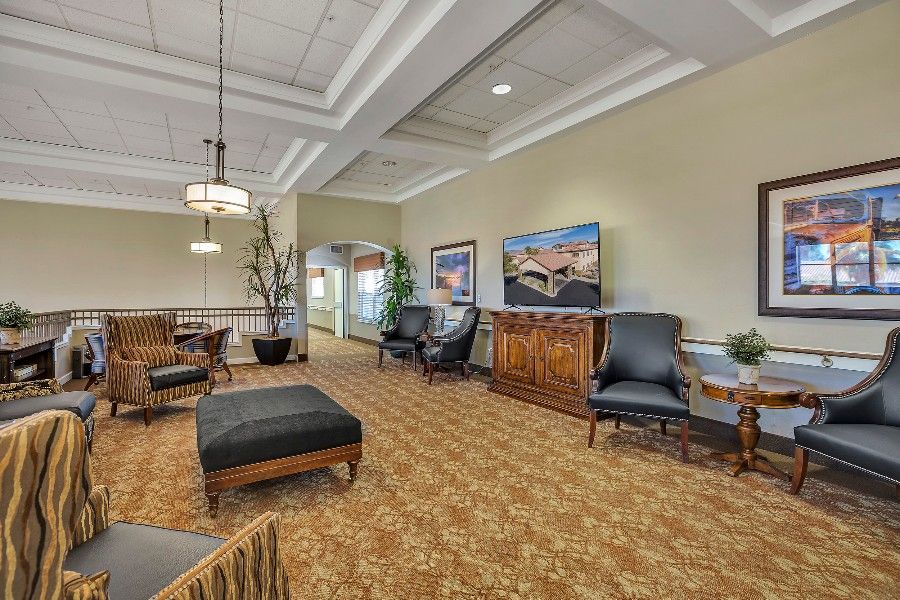
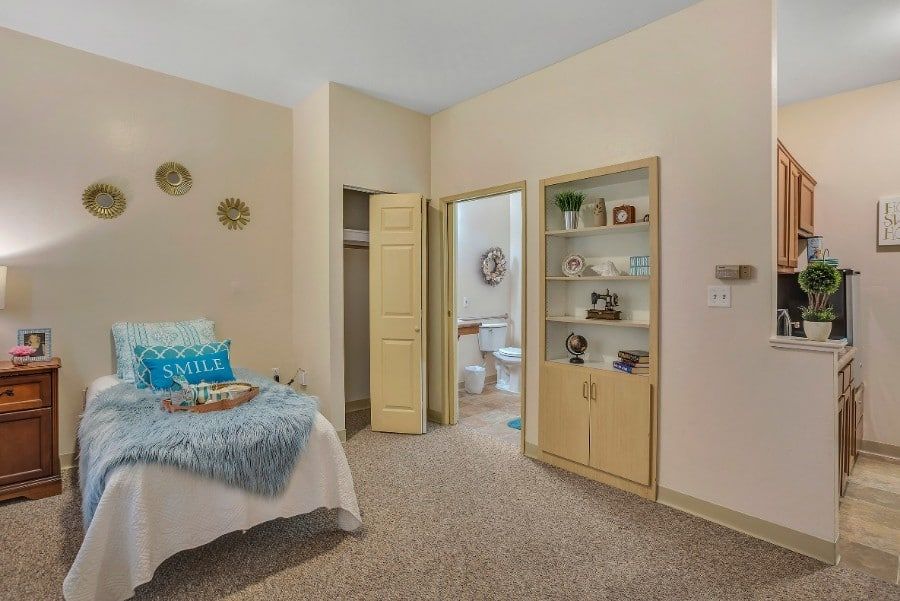
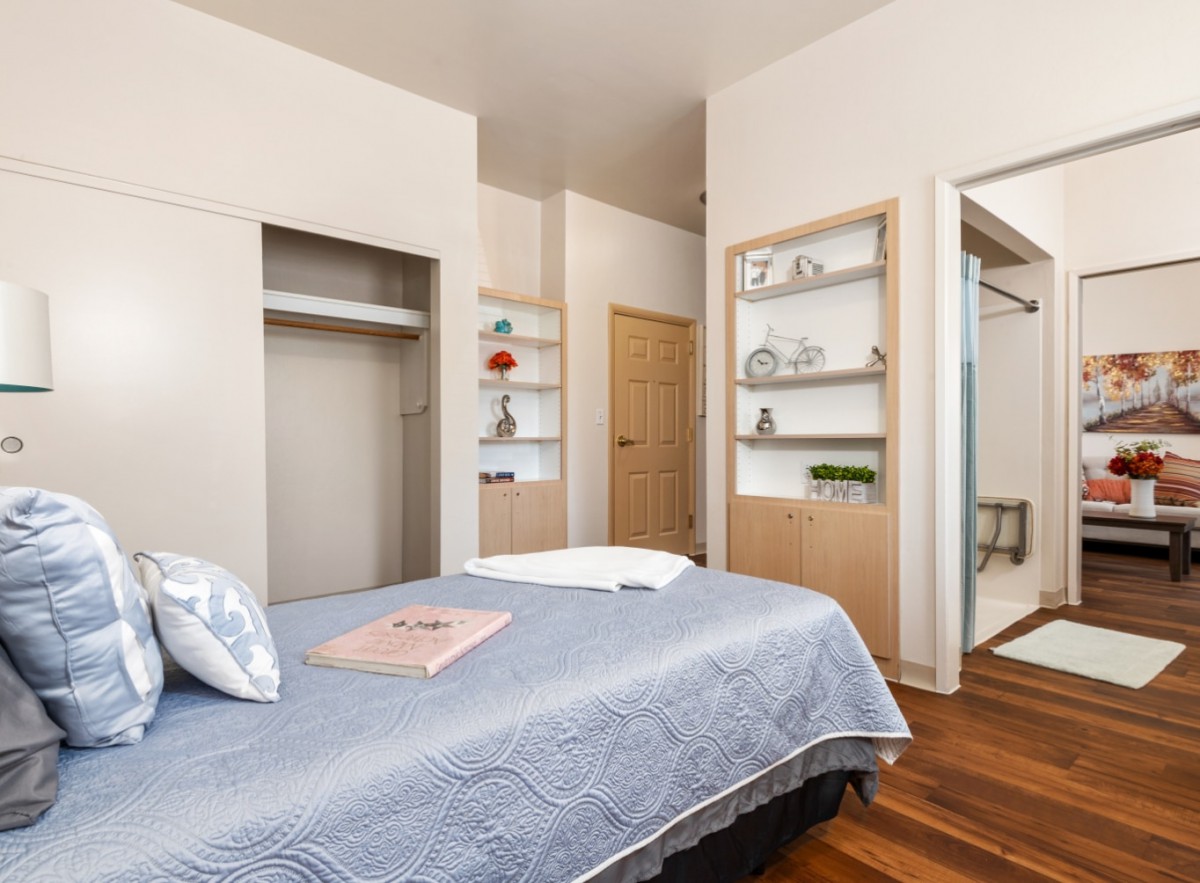
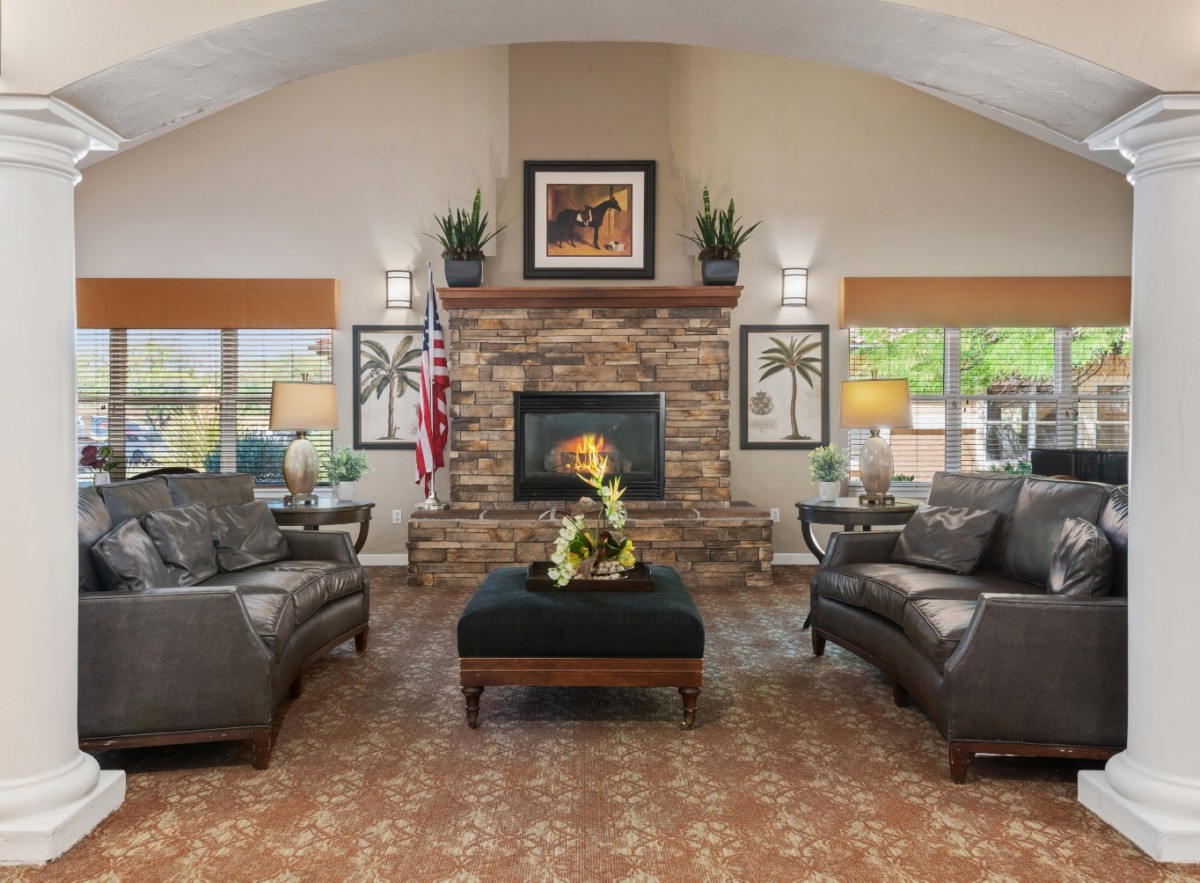
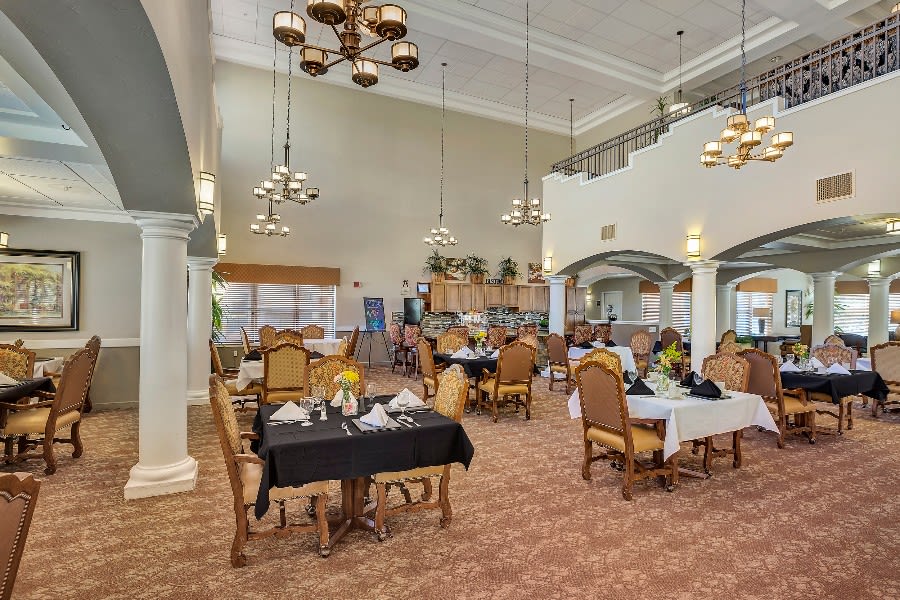
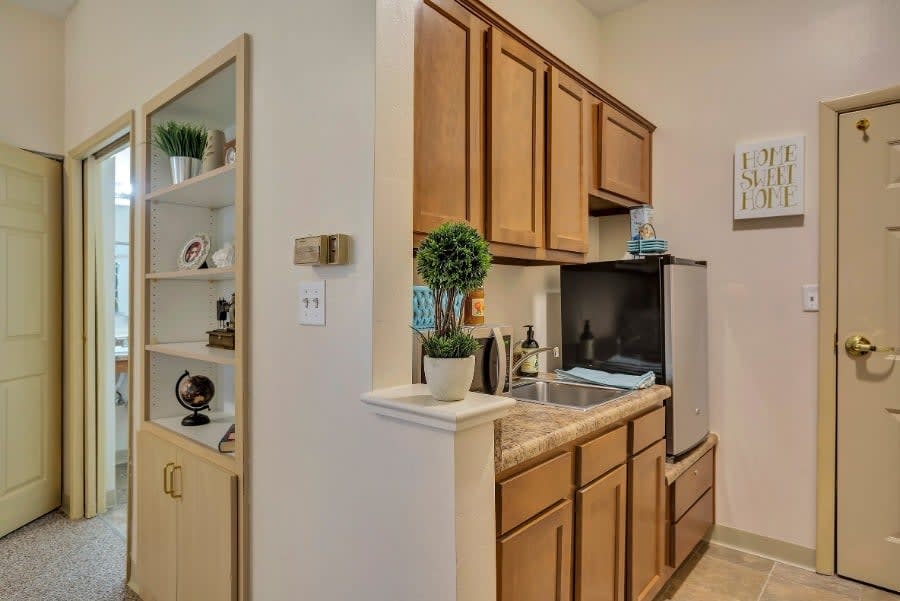
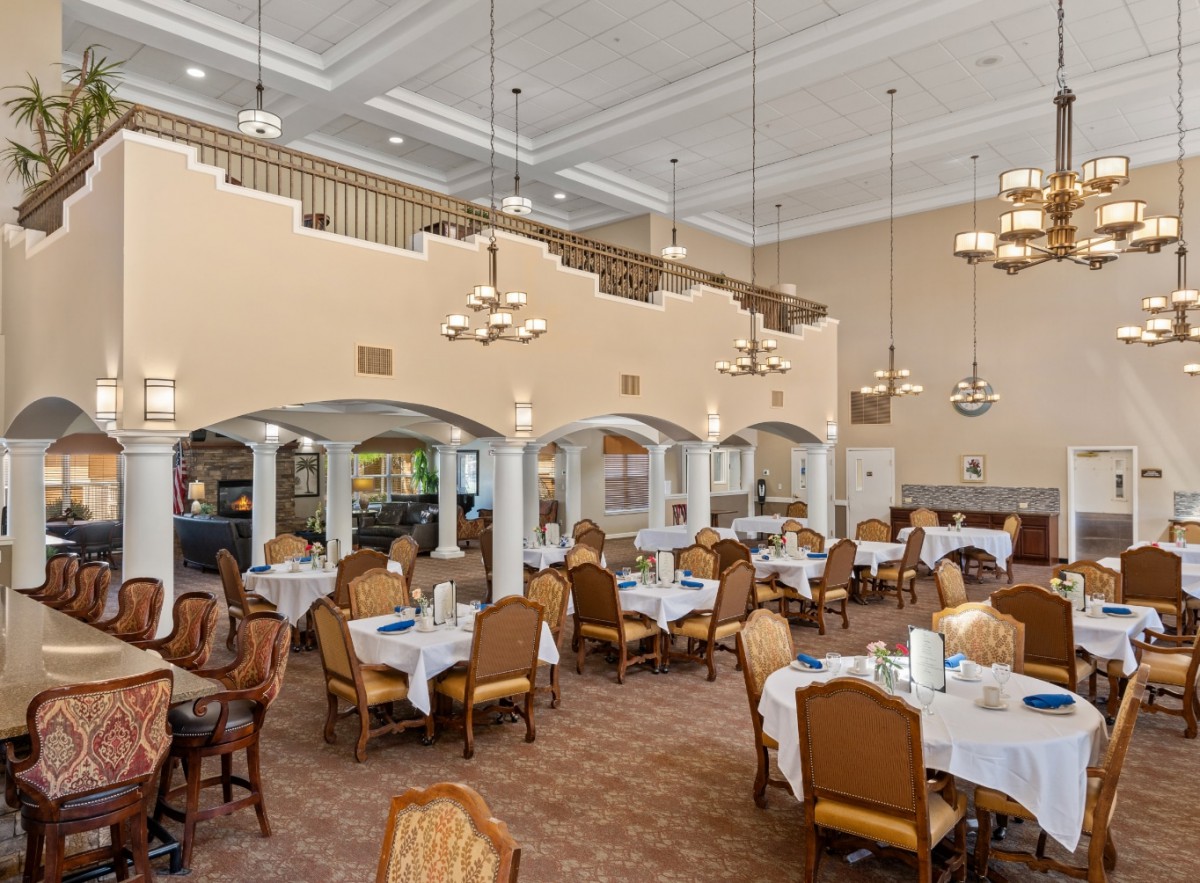
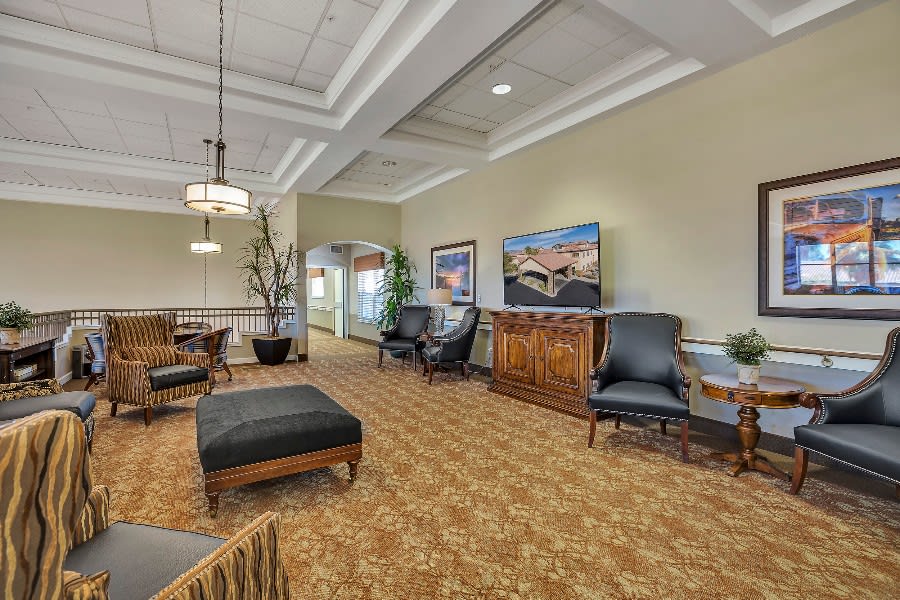
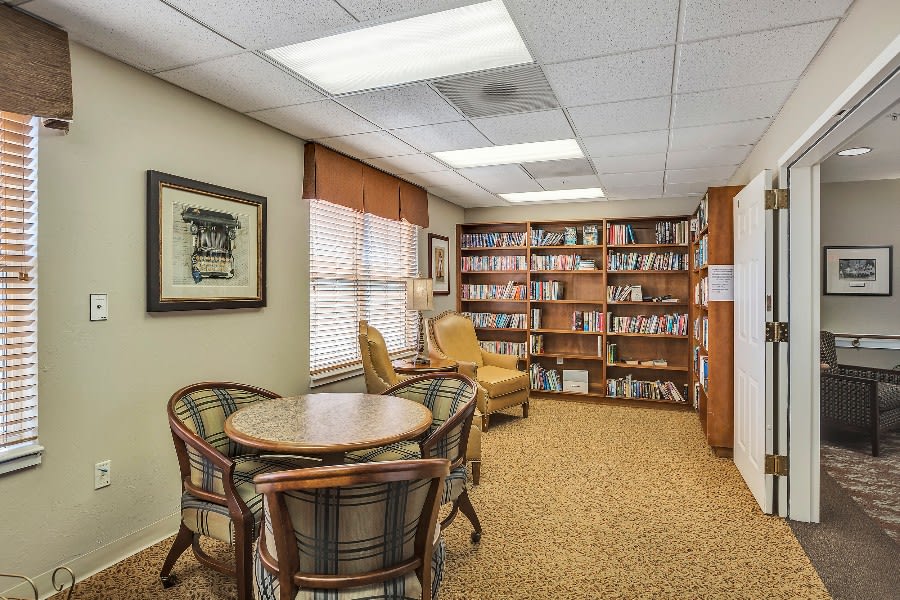
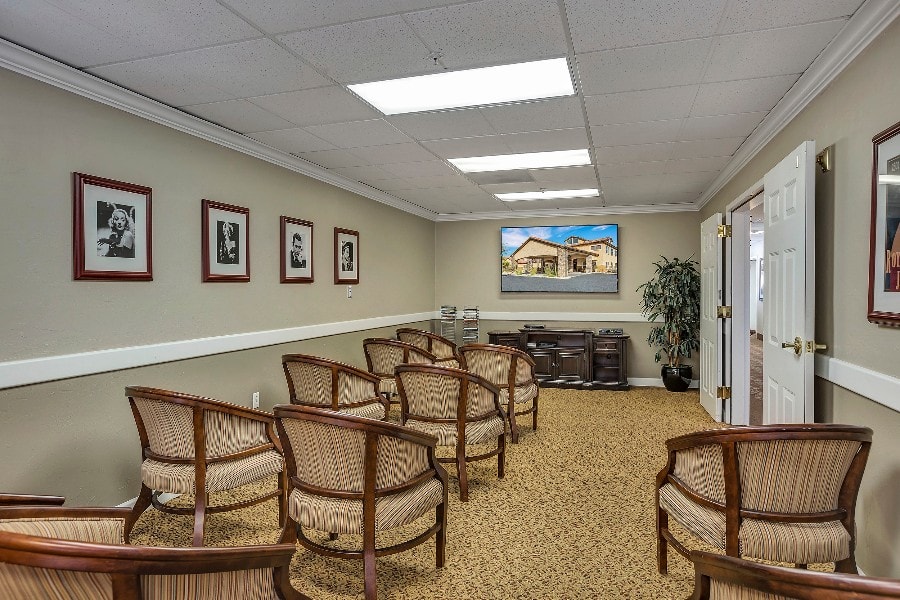
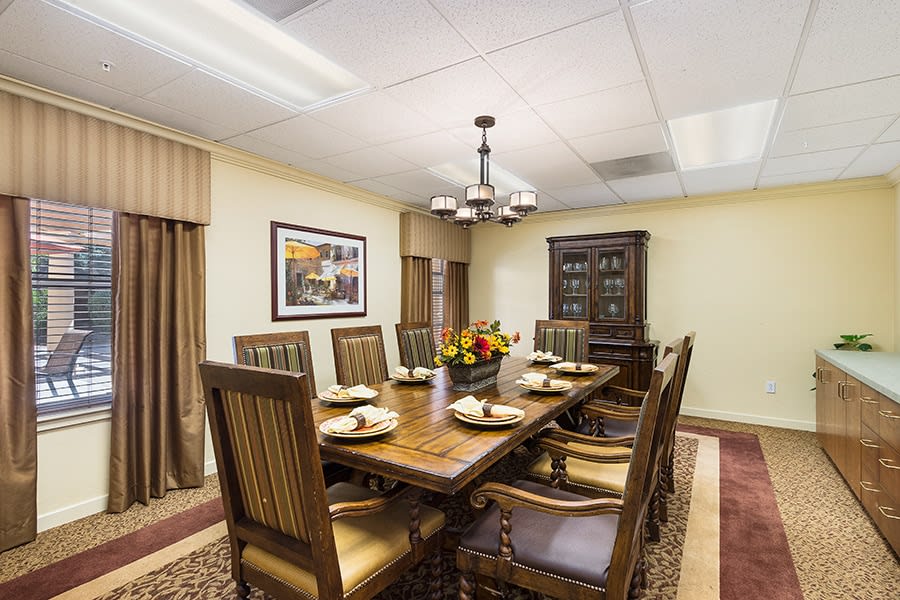
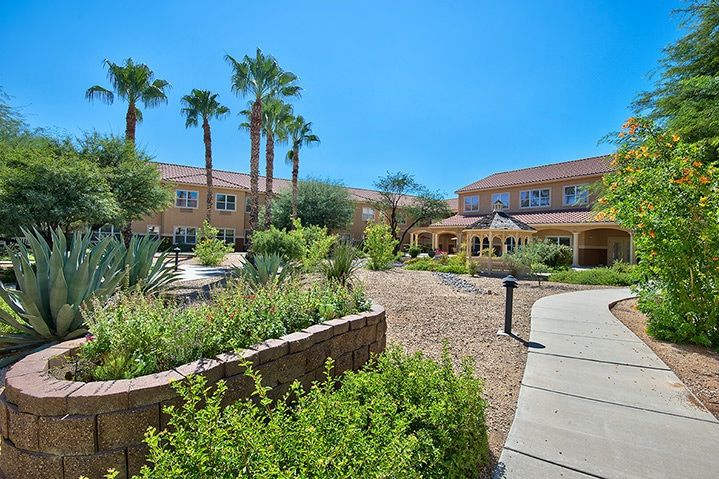
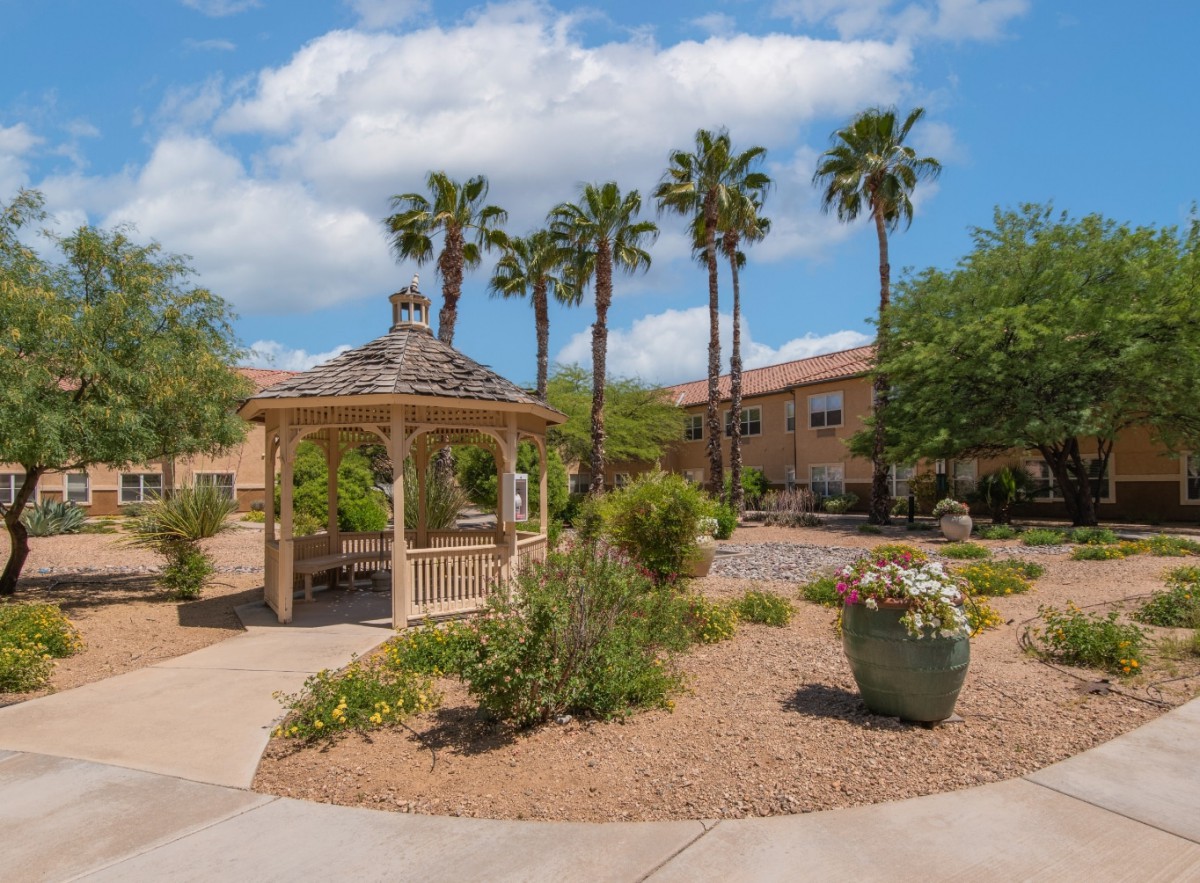
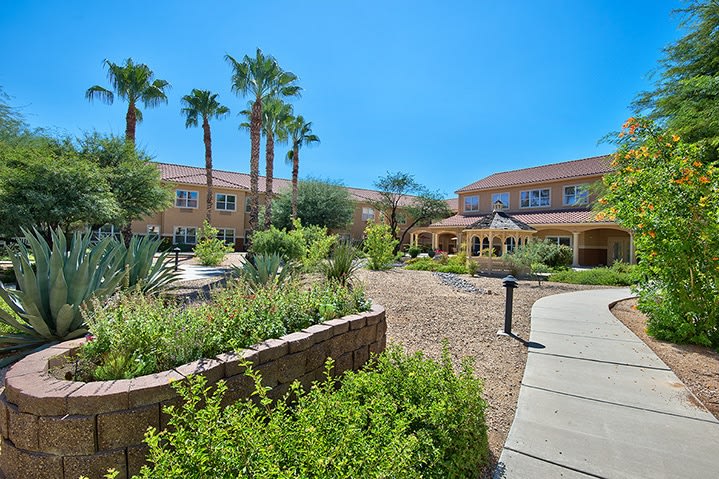
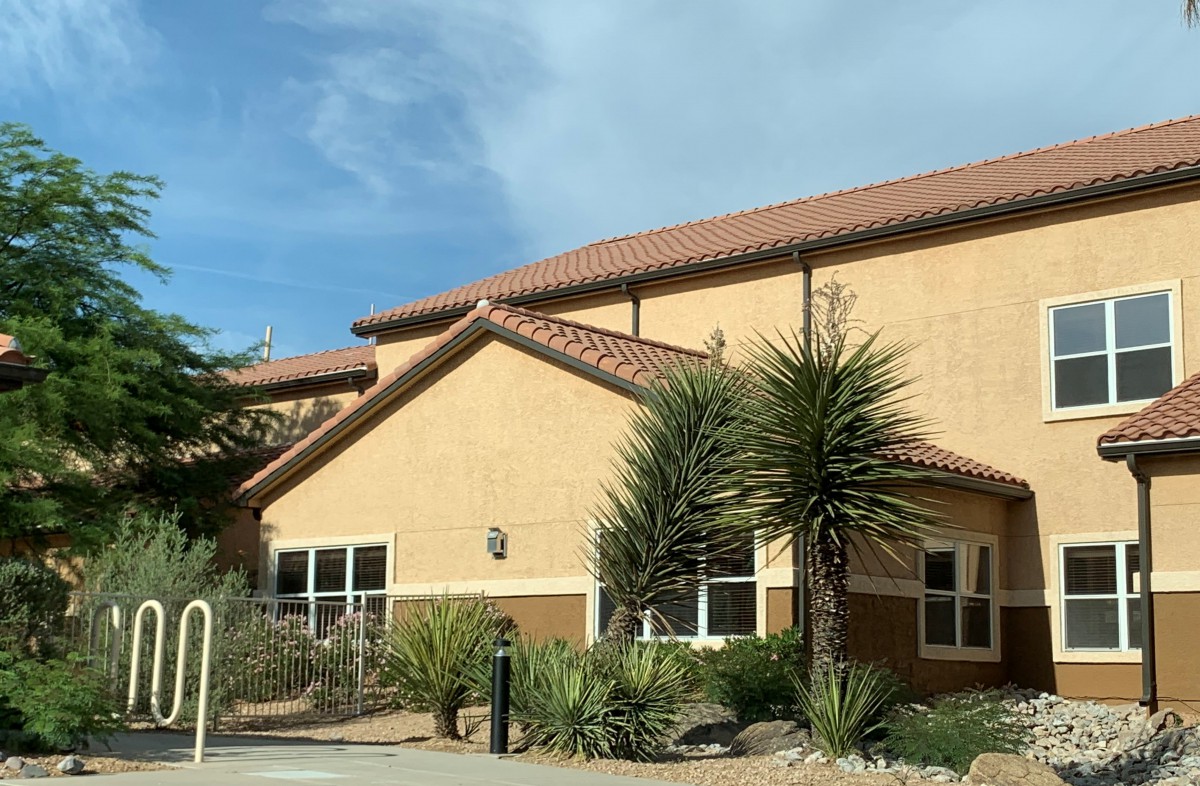
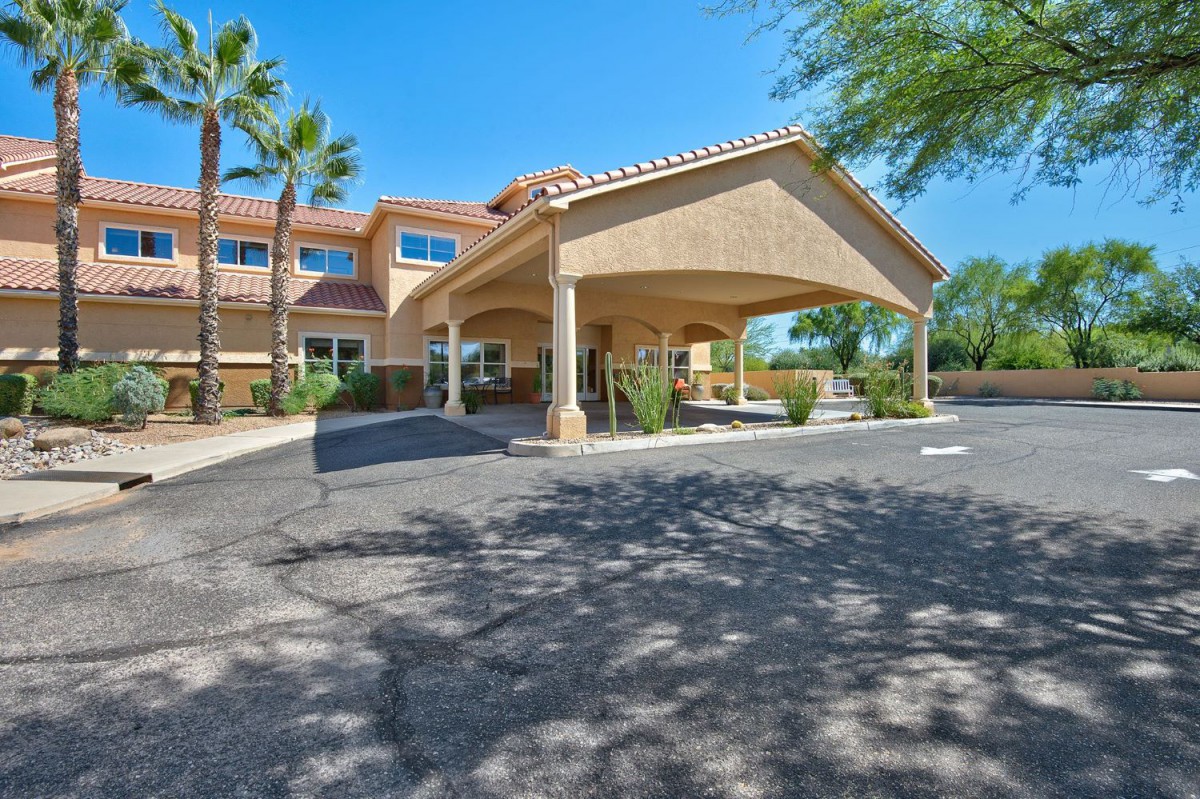
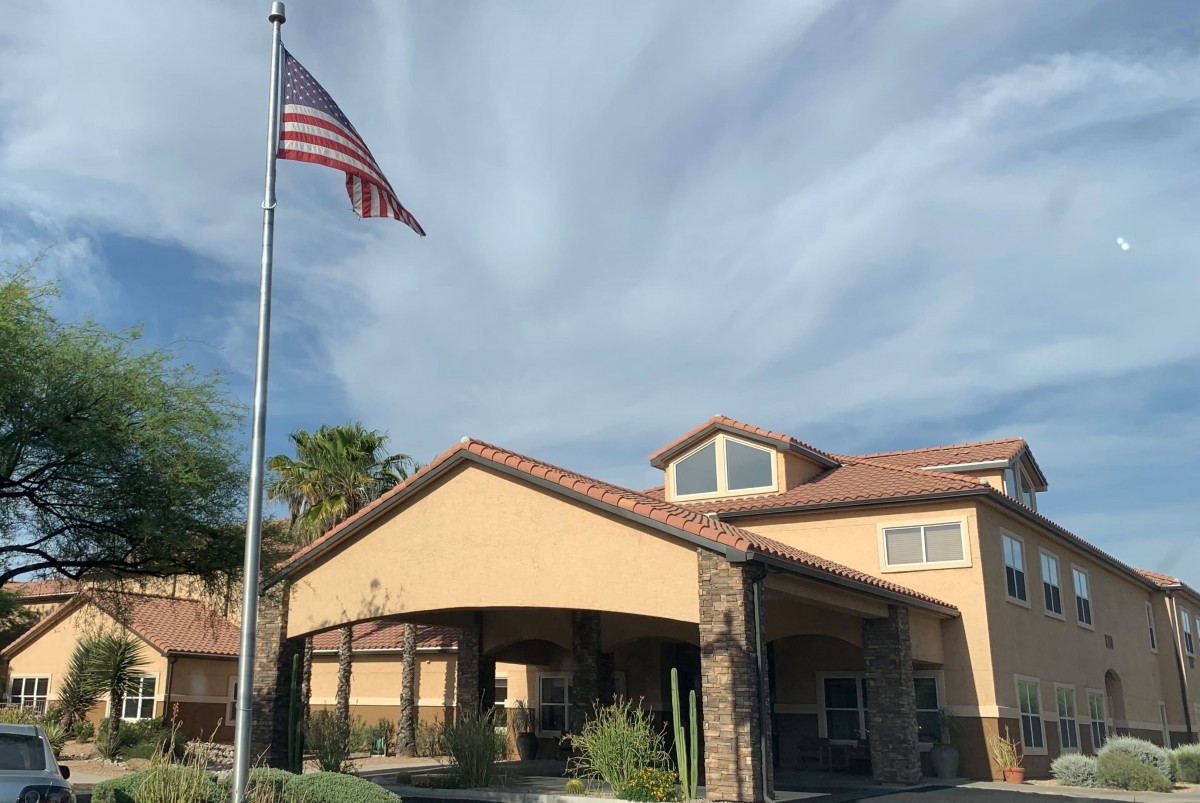
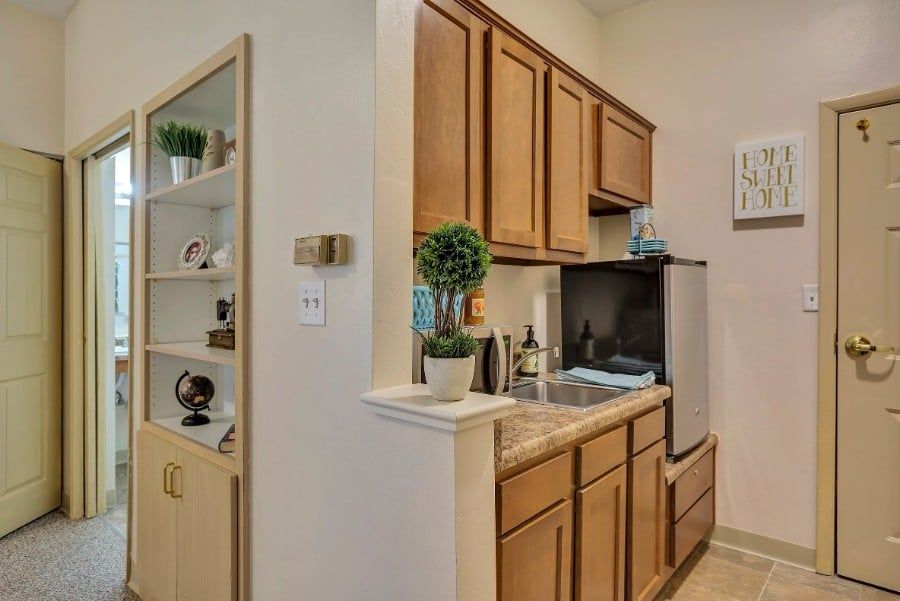
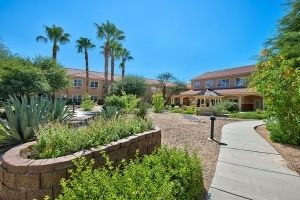
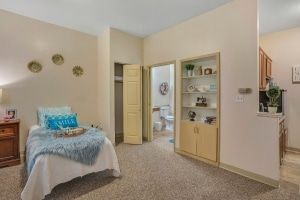
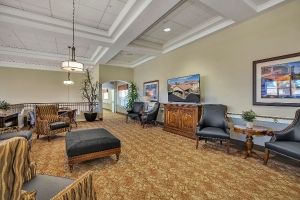
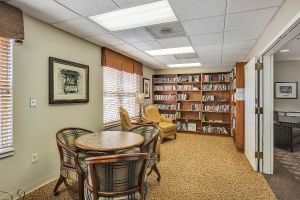
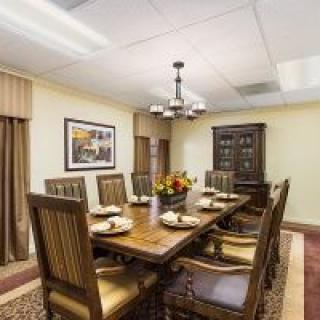
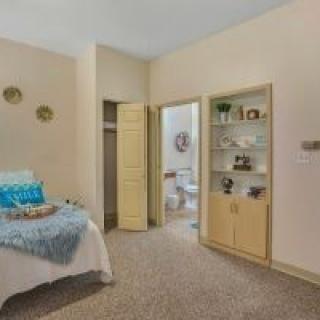
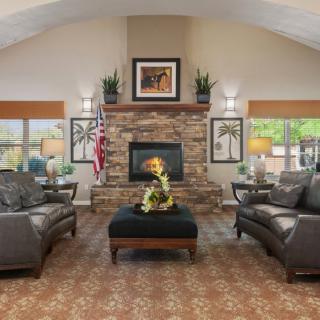
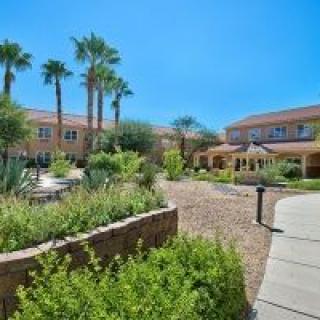
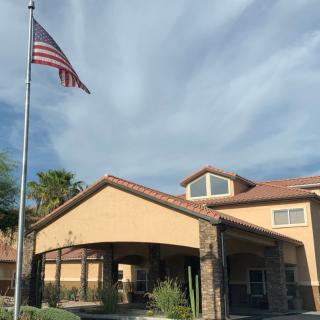
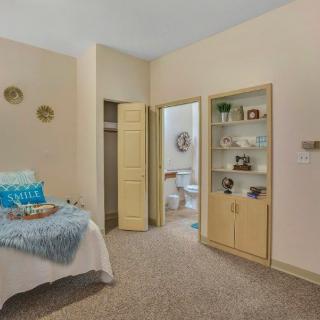
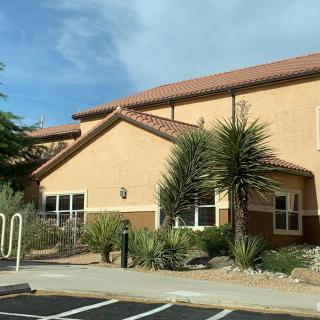
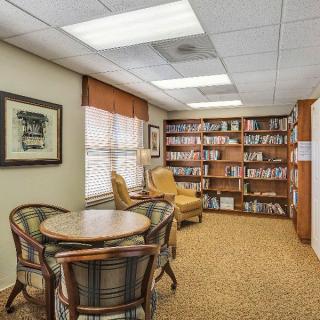
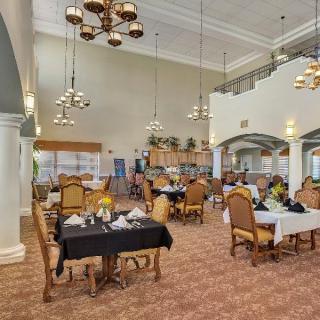
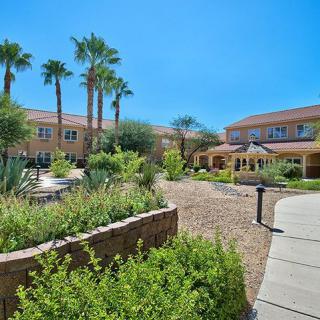
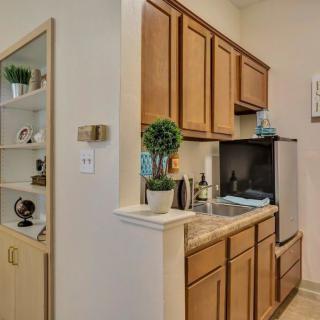
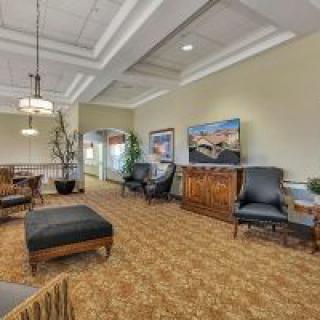
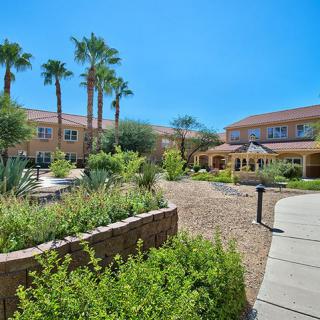
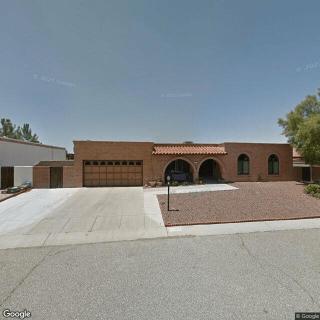
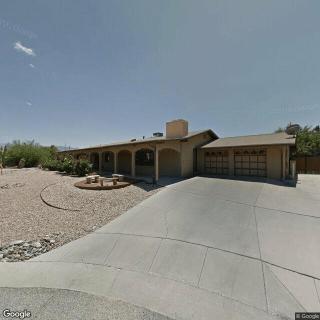
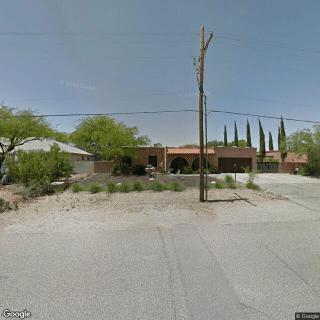
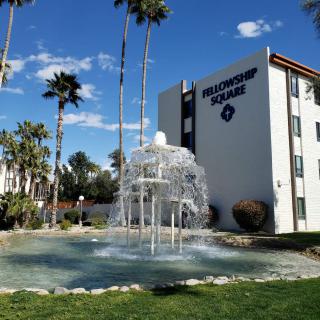
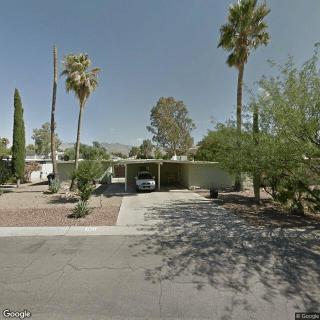
Sierra Del Sol Senior Living on seniors.fyi includes 32 photos including images showing interior, decor, dining, bedroom, building, landscaping, artwork, chandelier, and more.
Nearby Communities
Brookdale East Tucson
Tucson, AZ
4.5 from 70 reviews
$4,805 to $5,315 / month
Caring staff, clean and well-maintained environment, engaging activities, and quality dining in a smaller, pet-friendly community.
Abella Manor Senior Care - Tucson
Tucson, AZ
1 from 1 review
$3,200 to $4,000 / month
Comprehensive care with 24-hour supervision, ADL assistance, medical coordination, and private accommodations, plus on-site amenities and activities.
Casa De Esperanza
Tucson, AZ
$2,775 to $3,375 / month
Private bathrooms with high-acuity care in an amenity-rich Tucson setting.
Azure Care Home LLC
Tucson, AZ
4.5 from 2 reviews
Diabetic care specialization with devotional services in a small, intimate community.
Tita's Happy Assisted Living Home
Tucson, AZ
3 from 8 reviews
$2,500 to $3,500 / month
Competitive pricing with private/semi-private options and comprehensive on-site care.
A.L.A Care Home LLC
Tucson, AZ
4.7 from 25 reviews
$2,000 to $3,000 / month
Warm, home-like environment with attentive care and engaging activities.
Fellowship Square at Tucson
Tucson, AZ
4.3 from 89 reviews
$1,645 to $2,235 / month
Welcoming atmosphere with friendly staff and strong value.
Comfort Gardens
Tucson, AZ
$2,400 to $2,800 / month
Cozy, private rooms with convenient access to healthcare and nearby amenities.
Broadway Proper Senior Living
Tucson, AZ
4.6 from 133 reviews
$2,275 to $3,075 / month
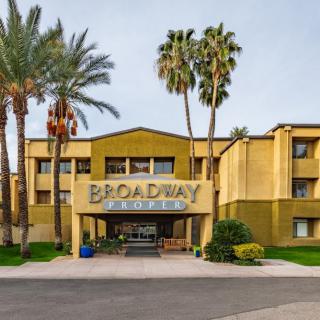
Friendly staff, an active community with varied dining and on-site activities, and well-maintained grounds with security.
Dementia encompasses a range of cognitive impairments characterized by types such as Alzheimer's and vascular dementia, and follows a seven-stage progression model known as the Global Deterioration Scale (GDS), highlighting varying symptoms and decline timelines. Early detection allows for lifestyle adjustments to potentially slow progression, while caregivers need support and resources to manage the challenges involved in caring for affected individuals.
The guide on holistic dementia care outlines the complexity of dementia and stresses the need for individualized caregiver strategies that include medical treatment, psychological support, and environmental adaptations, while emphasizing early detection, various therapeutic options, and caregiver support to enhance quality of life and maintain dignity.
Activities of Daily Living (ADLs) are fundamental tasks vital for an individual's independence, particularly in older adults over 85, and include functions like bathing and dressing; assessing ADLs alongside Instrumental Activities of Daily Living (IADLs) helps determine the level of required assistance due to age-related health challenges. Tailored support plans, involving family and community resources, are essential for maintaining dignity and autonomy in assisted living environments.
Get PricingAsk A QuestionSchedule A TourContact Senior Advisor
By clicking submit, you agree to our Partner's Terms of Use. You
also consent to receive calls and texts, which may be autodialed, from our Partner. Your consent is not a condition to
using our Partner's service. Please visit our Partner's Privacy Policy for information about their privacy practices.

 140 resident community capacity
 1-bedroom apartments
 Assisted Living
 Memory Care
 Skilled Nursing Facility
 Activities off-site
 Air-conditioning
 Beautician on-site
 Cable or satellite TV
 Cafe
Cafe Computer center
 Devotional services on-site
 Dining room
 Financing advice
 Fitness room
 Fully furnished
 Gaming room
 Garden
 Golf
Golf Guest parking
 Housekeeping services
 Indoor common areas
 Kitchenette
 Laundry
 Move-in coordination
 Outdoor common areas
 Party space
 Private bathrooms
 Respite or short term stays offered
 Restaurant-style dining
 Small library
 Spa
Spa Telephone
 Wheelchair accessible showers
 Wi-Fi/high-speed internet available
 Tucson International (11 miles away)
 Community operated transportation
 12-16 hour nursing
 24-hour call system
 Ambulatory care
 Assistance with bathing
 Assistance with dressing
 Assistance with transfers
 Diabetes diet
 Diabetic care
 Hospice care
 Incontinence care
 Medication management
 Mental wellness program
 Physical therapy
 Special dietary restrictions
 Transportation arrangement (medical)
 Walking wheelchair assistance
 Arts and crafts
 Concierge services
 Cooking club
 Educational speakers / life long learning
 Games
Games Live musical performances
 Planned day trips
 Stories
 English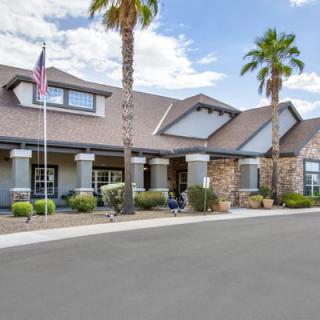
 Caring staff, clean and well-maintained environment, engaging activities, and quality dining in a smaller, pet-friendly community.
 Understanding Dementia Through Its Seven Stages: A Comprehensive Look at Progression and Expectations
 A Holistic Dementia Care Guide: Effective Strategies for Memory Support
 Comprehensive Insights into Activities of Daily Living (ADLs) and Their Assessment