
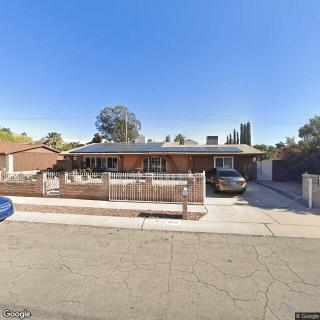
3965 West Massingale Road, Tucson, AZ 85741
For more information about senior living options: (866) 208-4318
Holy Trinity Assisted Living Costs & Pricing
Holy Trinity Assisted Living offers competitive pricing for private room accommodations at $2,460 per month, positioning it favorably against the broader cost landscape of Pima County and the state of Arizona. In comparison, the average cost for a similar private room in Pima County is significantly higher at $3,332, while the statewide average reaches $3,345. This disparity highlights Holy Trinity's commitment to providing accessible care without compromising quality, making it an attractive option for those seeking assisted living services in a financially prudent manner.
| Floor plans | Holy Trinity Assisted Living | Pima County | Arizona |
|---|---|---|---|
| Private | $2,460 | $3,332 | $3,345 |
Assisted Living communities with a similar price nearby
-
from -$260 / mo

Gentlemen's Inn I
$2,200 / month15.8 miles away -
from +$240 / mo

Casa De Los Abuelos Dos
$2,700 to $3,200 / month2.4 miles away -
About the same
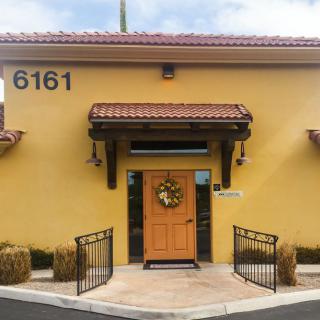
Fairmount Assisted Living
$2,500 to $3,500 / month13.2 miles away -
from -$185 / mo
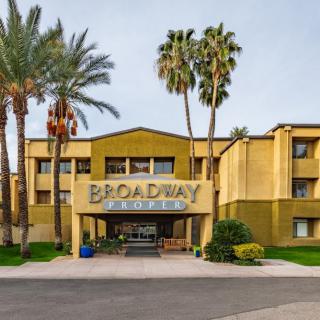
Broadway Proper Senior Living
$2,275 to $3,075 / month15.6 miles away -
from +$490 / mo
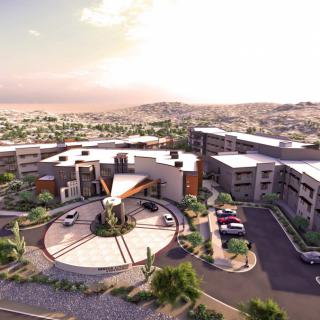
La Sonora at Dove Mountain
$2,950 to $5,270 / month6.0 miles away
Overall Review of Holy Trinity Assisted Living
Pros
 The dad loves living there.
- The care he receives is very good.
- They are treated like family.
- The food is good.
- Maricella is wonderful.
- The staff is good.
Cons
 The reviewer’s experience at Holy Trinity Assisted Living is not very good.
- They have reservations about the food.
- There is nothing to brag about the food.
- There are no activities available.
Review
Holy Trinity Assisted Living in Tucson is best suited for families seeking a warm, home-like atmosphere where residents are treated as family and caregiving feels personal. This community shines for seniors who value steady, attentive care and a dining environment that feels like a homestead rather than a hotel. The strongest endorsements come from a family whose father has lived there nearly a year and who emphasizes a nurturing, familial culture and responsive caregivers, with a particular staff member, Maricella, singled out as exceptional.
Those considering alternatives should note two clear gaps that show up in the reviews. For residents who crave a lively activity calendar and diverse social opportunities, Holy Trinity may feel underpowered. One resident notes there are few activities, and another observer describes the meals as decent but not exciting. The facility’s capacity is also limited, about 10 residents, which constrains peer interaction and creates a more intimate, less socially dynamic environment. Families prioritizing robust programming, varied dining experiences, or a larger, more bustling community will want to compare other Tucson options.
The core advantages, consistency of care, a genuine sense of family, and approachable staff, do offset some drawbacks, but not without caveats. The most compelling upside is the trusted, homey vibe reinforced by attentive caregiving relationships; residents tend to be well-known to staff, and families report feeling reassured by the level of attention. The presence of a standout team member like Maricella reinforces the sense that this is not a transactional place but a community where caregivers know residents’ preferences and routines. Those emotional and relational gains can compensate for a pared-down activity slate and more modest dining for residents who prize security, routine, and a welcoming atmosphere over constant stimulation.
From a practical standpoint, the small scale has tangible benefits and risks. A 10-bed capacity makes oversight straightforward and communication with families more direct, which supports trust and accountability. Yet the same tight size means fewer opportunities for social mixing and structured group events, which can be a drawback for residents who thrive on activity and social engagement. Dining appears to be serviceable, described as “good” by a family member in one review, and could suffice for daily nourishment, but it may not satisfy those who want culinary variety or more ambitious menus. This combination, ease of care and genuine warmth paired with limited programming, shapes how long a resident might stay engaged and happy.
Families evaluating Holy Trinity should arrange tours that reveal the day-to-day rhythm during meals and activities, if any, to gauge consistency and appetite. Ask for the current activity calendar and how programming is implemented with such a small resident cohort, plus whether there is a pathway to expand activities if the community grows or resident needs shift. Inquire about staff-to-resident ratios, how care plans are developed and updated, and the level of family involvement in care decisions. It’s also wise to explore private-room configurations, privacy policies, and how transparent communication remains when daily happenings change.
Bottom line: Holy Trinity Assisted Living offers a solid, neighborly option for families seeking a warm, home-like setting with reliable caregiving and a palpable sense of belonging. It excels at building trust through a personal touch and consistent attention, which resonates with residents who want to feel at home more than be part of a bustling social calendar. For those who prioritize high-volume programming, expansive dining variety, or a larger, more socially oriented environment, alternatives with bigger communities and richer activity rosters deserve consideration. A thoughtful site visit will reveal whether the intimate setup aligns with individual social needs and long-term care expectations, and will clarify if this small-scale home truly fits the resident’s practical and emotional needs over time.
 10 resident community capacity
 Assisted Living
 Board and Care Home
 Respite Care
 Cable or satellite TV
 Dining room
 Fully furnished
 Garden
 Housekeeping services
 Move-in coordination
 Outdoor space
 Telephone
 Wi-Fi/high-speed internet available
 Tucson International (17 miles away)
 24-hour supervision
 Activities of daily living assistance
 Assistance with bathing
 Assistance with dressing
 Assistance with transfers
 Diabetes diet
 Meal preparation and service
 Medication management
 Special dietary restrictions
 Transportation arrangement (medical)
 Transportation to doctors appointments

 Assisted Living Expenses and Long-Term Care Insurance: A Comprehensive Exploration
 Securing Financial Support for Assisted Living: A Comprehensive Overview
 Social Security Benefits and Assisted Living: Navigating Options Across the U.S.