
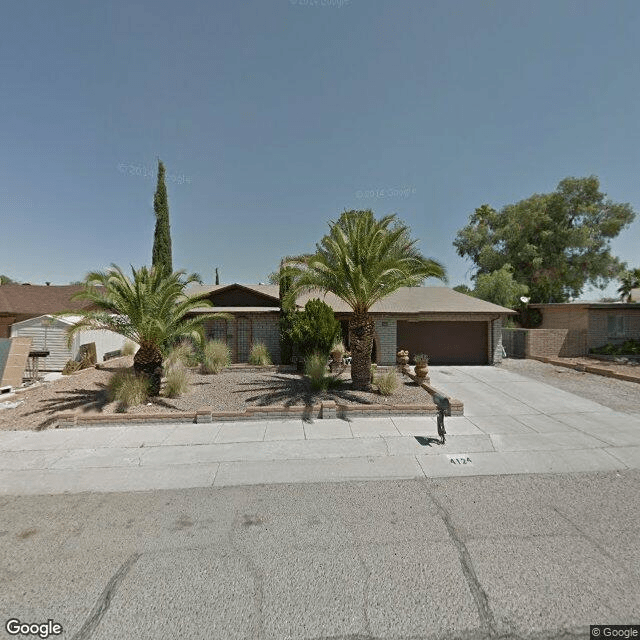
4124 West Orleans Street, Tucson, AZ 85741
For more information about senior living options: (866) 208-4318
Nuestra Casa Care Home Costs & Pricing
Nuestra Casa Care Home offers competitive pricing for its residents compared to both Pima County and the broader state of Arizona. With semi-private rooms priced at $2,500 per month, it presents a more affordable option than the county's average of $2,805 and the state average of $2,820. For those seeking private accommodations, Nuestra Casa's rate of $3,000 is also notably lower than Pima County's $3,332 and Arizona's general rate of $3,345. This positioning not only highlights Nuestra Casa Care Home as an accessible choice for quality care but also reinforces its commitment to providing exceptional service without compromising affordability in the local market.
| Floor plans | Nuestra Casa Care Home | Pima County | Arizona |
|---|---|---|---|
| Semi-Private | $2,500 | $2,805 | $2,820 |
| Private | $3,000 | $3,332 | $3,345 |
Memory care communities with a similar price nearby
-
from +$200 / mo

Casa De Los Abuelos Dos
$2,700 to $3,200 / month2.9 miles away -
About the same
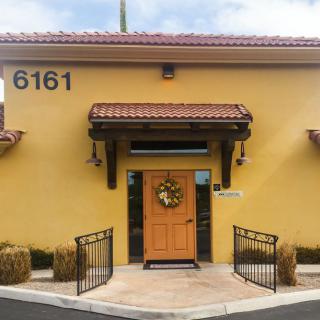
Fairmount Assisted Living
$2,500 to $3,500 / month13.9 miles away -
from +$450 / mo

La Sonora at Dove Mountain
$2,950 to $5,270 / month5.0 miles away -
from -$372 / mo
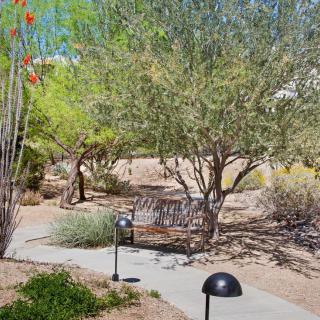
Sunrise at River Road
$2,128 to $3,530 / month6.8 miles away -
from +$95 / mo
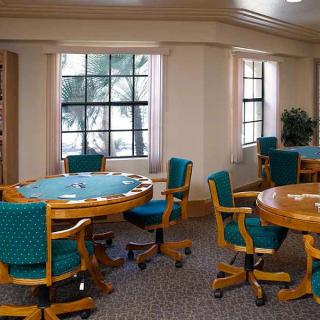
Atria Campana Del Rio
$2,595 to $7,095 / month7.7 miles away
Overall Review of Nuestra Casa Care Home
Pros
 The home is gorgeous, spotless, beautifully decorated, and makes residents feel at home.
- The food is very good and the staff are stellar.
- The staff are compassionate, professional, and highly skilled in caring for residents.
- The home offers a loving, family-like environment where residents are treated with dignity and respect.
- The meals are loved by the residents, and the environment includes bright light and comfortable rooms.
- The caregiver manager is exceptional and kind.
- The staff-to-resident ratio is incredible, ensuring attentive care.
- Families feel that the caregivers are extensions of the family, providing safe and well-taken care.
Cons
 They believe Lena engages in lies and theft.
- They would not leave their dog with Lena.
- There is better care for seniors elsewhere; they wouldn’t find it here with Lena.
- They moved their father out of Lena's care in one day and wouldn't leave a loved one in her care again.
- They do not trust Lena, and for good reasons.
- The food was terrible and the care was even worse.
Review
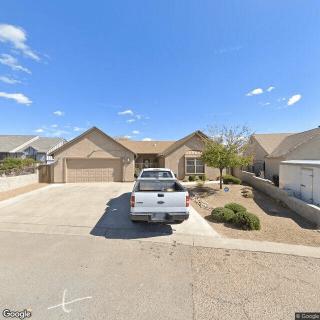
Nuestra Casa Care Home in Tucson presents a compelling option for families seeking a small, home-like setting where residents are treated like family and caregivers are highly engaged. The place seems best suited for seniors who want individualized attention, a warm atmosphere, and daily life managed with a personal touch. The strongest cases come from families who needed help with daily care, dementia support on a manageable scale, or respite and hospice-friendly environments, and who valued a clean, inviting home with genuine, affectionate staff. When reviews emphasize a high staff-to-resident ratio, delicious meals, and a house that feels lived-in and pleasant, the fit becomes clear: this is a setting that rewards steady human connection and hands-on oversight.
There are explicit reasons to pause and consider alternatives as well. A portion of the reviews allege serious lapses in trust and care, including theft and dishonesty, and a perception that management did not deliver consistently. Several families describe awful food or subpar care, and at least one account notes an abrupt loss of a room or a strained experience during hospitalization. The repeated “Lena” critiques suggest a pattern for some families of concerns about governance or accountability. The public picture is polarized, and the disparate experiences raise a red flag for risk-averse families or those needing highly standardized, transparent oversight and a clearly proven track record.
In weighing the positives against the negatives, the pros are substantial and tangible. The home atmosphere, tidy spaces, pleasant décor, and accessible outdoor areas contribute to a sense of safety and comfort for daily living. Staff are repeatedly praised for compassion, attentiveness, and a willingness to treat residents as family. Food is commonly highlighted as a strength, and families repeatedly point to strong communication and reliable care planning when they have trusted staff involved. These strengths matter enormously for quality of life, especially for residents who require help with daily tasks, partial mobility, or memory challenges. When care teams are consistently engaged and residents feel seen, the value of the home’s warm approach can offset some operational fragility.
The central risk hinges on governance, consistency, and trust. To mitigate concerns, rigorous due diligence is essential: verify the official facility name and licensing status, speak with multiple staff across shifts, request a current care plan and a copy of the menu, and ask for recent inspection reports or any filed grievances. Direct conversations with a caregiver manager or owner should surface their approach to accountability, incident handling, and how staff turnover is managed. Request references from current resident families, and, if possible, arrange a supervised trial stay to observe caregiving rhythms, response times, and how emergencies are handled. This is not a facility to rely on rumors or a single impression; it demands concrete demonstrations of reliability and transparent communication.
For families choosing, the decision comes down to risk tolerance and priorities. If the priority is a genuinely familial, homelike environment where staff go the extra mile to know residents and to make everyday moments quality moments, this community often delivers, provided governance and consistency can be verified on the spot. If the priority is ironclad oversight, uniform quality across all shifts, and a governance history with unambiguous, easily auditable processes, alternatives with larger scale operations and established compliance records may be safer bets. In either case, a disciplined inspection routine, site tour, staff interviews, references, and a trial period, will reveal whether the strengths can be sustained without exposing loved ones to avoidable risk.
The practical takeaway is clear: this is a facility that can be an excellent match for families who prize intimate care, genuine warmth, and residential charm, but only after confirming stable leadership and trustworthy operations. Schedule a comprehensive tour, insist on speaking with current residents or families, obtain a transparent overview of care plans and incident handling, and seek a test stay if possible. When those elements align, the community stands out as a compassionate home where seniors are cherished and daily living is thoughtfully managed. When they don’t, it is prudent to move toward options with demonstrated, consistent governance and a track record of unqualified reliability.
 6 resident community capacity
 Assisted Living
 Board and Care Home
 Day Program
 Memory Care
 Respite Care
 Cats allowed
 Dogs allowed
 Cable or satellite TV
 Dining room
 Fully furnished
 Garden
 Housekeeping services
 Move-in coordination
 Outdoor space
 Private
 Telephone
 Wi-Fi/high-speed internet available
 Tucson International (18 miles away)
 24-hour supervision
 Assistance with bathing
 Assistance with dressing
 Assistance with transfers
 Diabetes diet
 Incontinence care
 Meal preparation and service
 Medication management
 Special dietary restrictions
 Transportation arrangement (medical)
 Transportation to doctors appointments





 How to Communicate with a Loved One Living with Dementia: 10 Supportive Strategies
 Comprehensive Guide to VA Nursing Homes: A Crucial Long-Term Care Resource for Veterans
 Estimating the Expenses of At-Home Dementia Care: A Detailed Exploration