
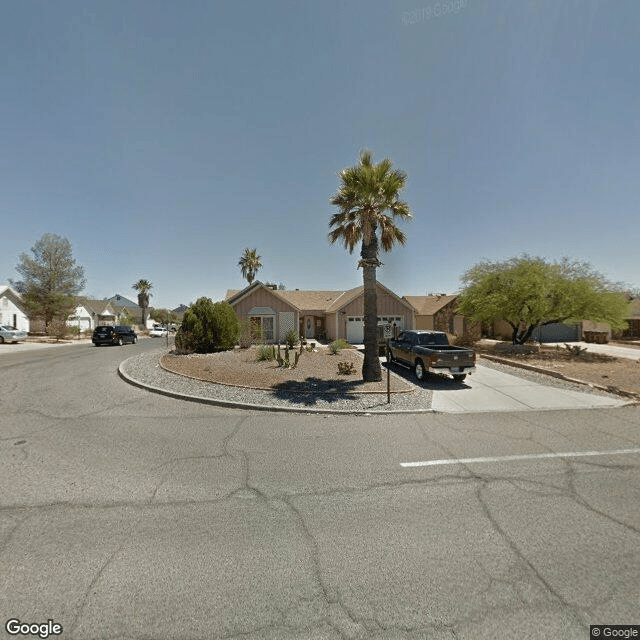
4021 W. Hardy Rd., Tucson, AZ 85742
To contact a resident: (520) 579-6650
For more information about senior living options: (866) 208-4318
Fountain Of Youth, LLC Costs & Pricing
Fountain of Youth, LLC offers notably competitive pricing within the local market, particularly when compared to Pima County and the broader Arizona region. For semi-private accommodations, Fountain of Youth charges $2,200 per month, which stands in stark contrast to the county's average of $2,805 and the state's average of $2,820. Similarly, their private rooms are priced at $3,000 monthly, significantly lower than Pima County's average of $3,332 and Arizona's average rate of $3,345. This strategic pricing not only enhances accessibility for residents but also reflects Fountain of Youth's commitment to providing quality care while ensuring affordability in a growing market.
| Floor plans | Fountain Of Youth, LLC | Pima County | Arizona |
|---|---|---|---|
| Semi-Private | $2,200 | $2,805 | $2,820 |
| Private | $3,000 | $3,332 | $3,345 |
Senior living communities with a similar price nearby
-
About the same
Abuelos At La Canada
$2,200 to $2,800 / month4.9 miles away -
from -$350 / mo
Connie's Manor Home
$1,850 to $2,300 / month2.7 miles away -
from +$100 / mo
Northwest Assisted Living
$2,300 to $2,500 / month3.4 miles away -
About the same
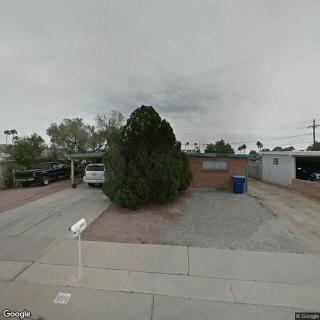
Gentlemen's Inn I
$2,200 / month16.7 miles away -
from +$300 / mo
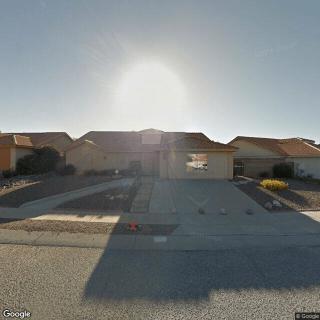
Grace Home I
$2,500 to $3,200 / month18.3 miles away
Overall Review of Fountain Of Youth, LLC
Pros
 The staff are willing to work with residents to meet their needs.
- The staff understand how to make residents feel comfortable and give them individual time, such as TV time, music, and reading.
- The staff involve residents in meal options and give them a voice in their meals.
- The home is well maintained with a beautiful backyard for residents to sit and enjoy.
- The community is recommended for its work ethic and full support.
Cons
 None detected. The provided reviews are positive and contain no negative statements in the third person.
Review
This Fountain Of Youth community in Tucson is best suited for seniors who want a small, homelike, caregiver-first setting where staff deliver highly personalized attention and families can stay closely connected. It appeals to residents who value flexible routines, individualized time, and a voice in everyday choices, especially around meals and daily activities. The configuration is ideal for someone who thrives on a quiet, intimate environment where staff develop real rapport, provide consistency, and treat each resident with dignity. It is not the pick for those who require intensive clinical oversight, a highly structured medical regimen, or expansive, resort-style amenities.
Families should explicitly consider alternatives if the primary need is robust medical support or memory-care programming. The reviews do not spell out on-site nursing coverage, 24/7 skilled care, or dedicated memory-care services, which can be a deal-breaker for residents with complex health needs or progressive cognitive challenges. Prospective residents also should ask for specifics on staffing ratios, emergency protocols, and a formal care plan. If a broad social calendar, on-site therapy options, or a wide range of specialized services is non-negotiable, this community may fall short compared with larger assisted-living campuses.
The most compelling positives center on staff responsiveness and the relational fabric of daily life. Caregivers are described as “willing to work with you” and skilled at making a resident feel comfortable, assigning individualized time for activities such as TV, music, and reading. Meal planning stands out as meaningful, with residents having real input into what is served and how it is prepared. The home’s maintenance and the presence of a pleasant backyard further reinforce a sense of stability and belonging. In practical terms, these factors translate into lower agitation, higher adherence to routines, and stronger trust between residents, families, and caregivers.
Operationally, the environment supports a steady, low-stress living experience that can reduce the burden on families. The small, well-kept home atmosphere fosters predictable days and easy, routine communication with staff. The combination of attentive care and a respectful, ethics-forward culture “full of support” creates a foundation where a resident can feel seen and heard. For seniors who prioritize comfort, personal autonomy, and a caregiver team that personalizes every day, these are meaningful, differentiating strengths. The downside is that this model may lack the breadth of programs or the depth of medical resources some families assume come with elder-care options.
In weighing the pros against the potential drawbacks, the core trade-off becomes clear. The curated, intimate setting and highly responsive staff are strong compensators for many families facing concerns about neglect or impersonal care elsewhere. The ability to tailor meals and daily activities, plus the emotional reassurance of consistent, respectful interactions, can offset the absence of extensive on-site therapies or transportation-heavy activity calendars. However, for those whose loved one requires 24/7 clinical oversight, regular skilled nursing, or a formal dementia-care track, these positives may not fully offset the missing capabilities.
Ultimately, Fountain Of Youth is a practical, prudent choice for families seeking a warm, attentive, home-like environment where a resident’s preferences drive daily life and staff work hard to deliver personalized care. It is less suitable for those needing strong medical infrastructure, advanced memory-support services, or a wide array of high-amenity offerings. A disciplined prospective family should pair a tour with targeted questions on care plans, staffing, emergency access, and pricing, then compare with larger or more medically oriented communities. For the right resident, the result is a respectful, comfortable home that honors personal dignity and fosters everyday well-being.
 Board and Care Home
 Activities on-site
 Bath tubs
 Indoor common areas
 Outdoor common areas
 Private
 Tucson International (18 miles away)
 Ambulatory care
 Diabetic care
 High acuity care
 Incontinence care
 Meals provided

 Nurturing Our Elders: Linda's Journey of Supporting Her Mother
 A Comprehensive Exploration of Common Misunderstandings about Powers of Attorney
 Senior Move Management: Understanding the Role, Value, and Associated Costs