Foothills Rehabilitation Center in Yuma, AZ

Save

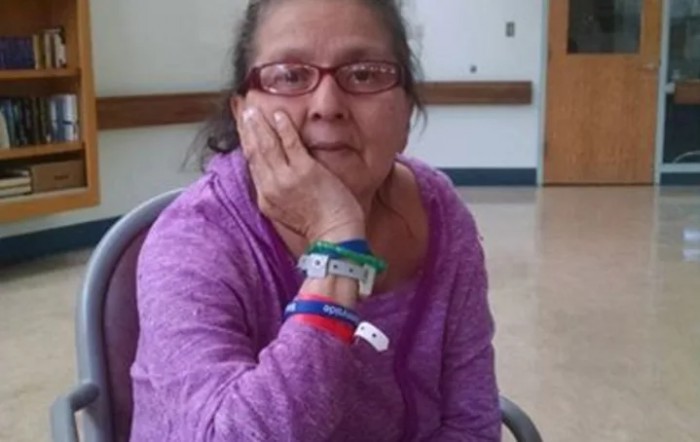
  • Interior

    A woman wearing glasses and bracelets sits indoors with her chin resting on her hand.
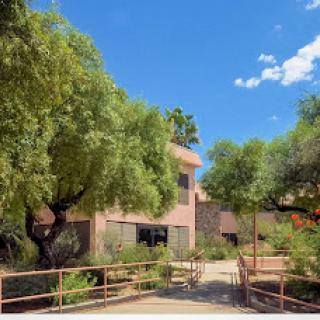
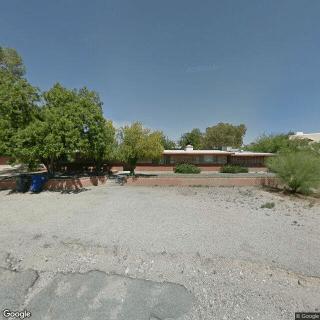
  • Outdoors

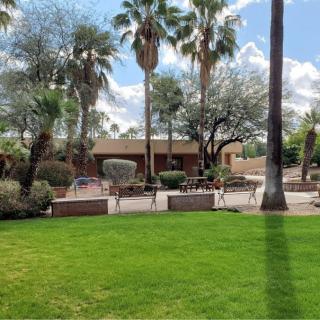
    A serene outdoor view featuring a building surrounded by lush greenery and a clear blue sky.
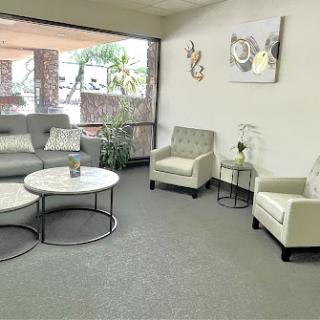
  • Decor

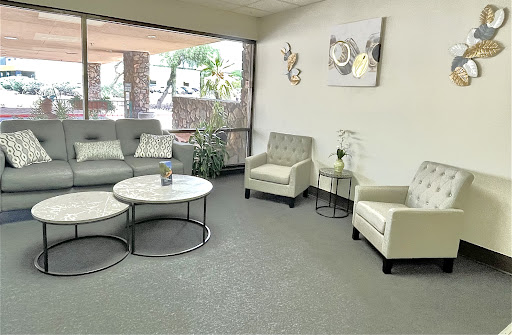
    A modern and inviting living room space with comfortable seating and natural light.
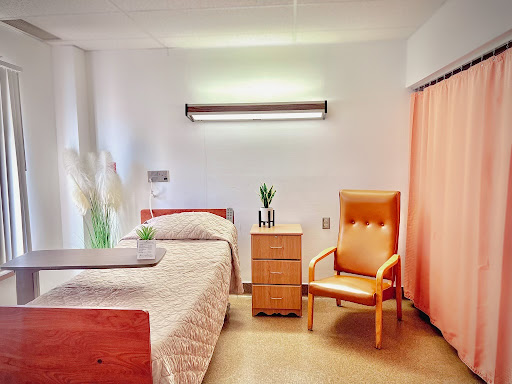
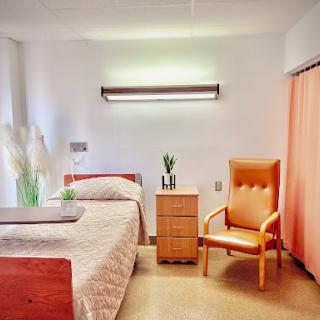
  • Bedroom

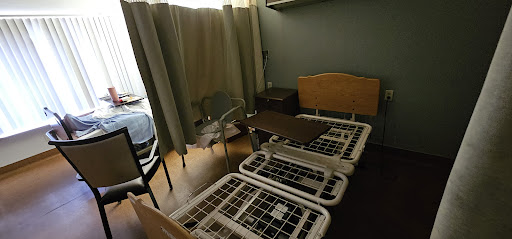
    A well-lit and minimalistic hospital room featuring a bed, a chair, and a nightstand.
  • Landscaping

    A peaceful garden feature with a gentle waterfall cascading over smooth stones.
  • Outdoor

    An elderly woman sitting outdoors on a chair, wearing a striped shirt and an arm sling.
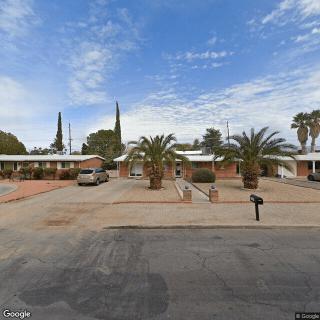
  • Tree

    A tree stands on the sidewalk across a quiet urban street under a cloudy sky.
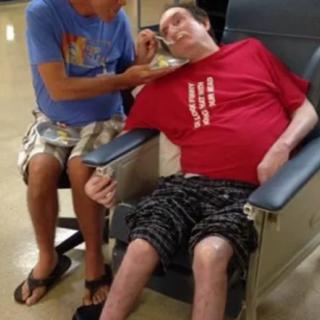
  • Healthcare

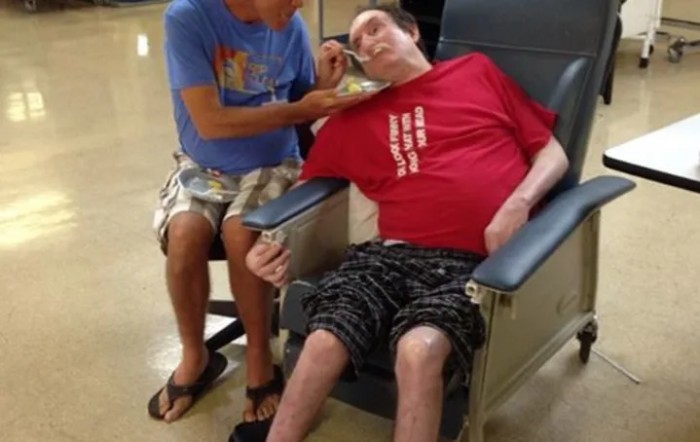
    A caregiver assists a patient in a wheelchair at a healthcare facility.

Foothills Rehabilitation Center in Yuma, AZ

2250 North Craycroft Road, Yuma, AZ 85712

For more information about senior living options: (844) 490-3973

3.1 from 96 reviews
5 stars
39
4 stars
11
3 stars
3
2 stars
2
1 stars
41

Assisted Living Skilled Nursing Facility

Overall Review of Foothills Rehabilitation Center

Pros

  • pro The therapists are a bright spot at Foothills Rehab Center.
  • pro The staff is knowledgeable, kind, and works to meet individual goals and needs.
  • pro The rehab experience is wonderful, with patients progressing quickly to using a walker.
  • pro The therapy team is incredible, and the respiratory therapists are always available to help.
  • pro The activities department does a great job at keeping patients smiling and engaged (including activities like Karaoke).
  • pro Foothills is a welcoming place with friendly, attentive staff from day one.
  • pro The care team treats every patient with dignity and respect, and PT/OT are outstanding.
  • pro The facility is clean, well-maintained, and offers modern spaces with good food and diverse activities.

Cons

  • pro The facility is described as severely understaffed, leading to long waits for nurse assistance and delayed responses to call lights.
  • pro The front desk staff are described as rude, unhelpful, and unprofessional.
  • pro Caregivers are portrayed as incompetent, lazy, and neglectful, with patients left waiting and not properly attended.
  • pro The environment is described as dirty and unsanitary, with trash, soiled bedding, and rooms not properly cleaned.
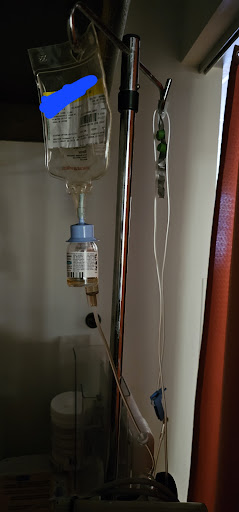
  • pro Medication management is criticized, including missed doses, incorrect administration, and dangerous IV handling.
  • pro Food service is described as cold or unappetizing and not meeting dietary needs.
  • pro There are reports of infection-control lapses, such as not using gloves and failing to notice patient deteriorations.
  • pro Some reviewers accuse the facility of prioritizing money over patient care, citing poor reviews and neglect.
  • pro Several reviews state staff gossiping or focusing on personal matters rather than patient care, indicating poor accountability.

Review

Foothills Rehabilitation Center in Yuma is best suited for patients whose primary goal is rigorous, therapy-driven recovery. The rehabilitation-focused units routinely deliver tangible mobility gains, with physical and occupational therapy often highlighted as the core strength. Respiratory therapy also earns praise when breathing or cardiac recovery is involved. For families able to engage actively - participating in care planning, following through on goals, and coordinating with staff - the center offers a culture that rewards persistence: clinicians monitor progress, therapy teams set clear targets, and daily activities help sustain motivation. The building's exterior hints at age, but cleanliness and daily functioning provide a solid platform for rehabilitation to take hold.

That said, Foothills may not be the best fit for every situation. A recurring thread across reviews is understaffing, which translates into long waits for assistance and uneven bedside communication. Call lights can go unanswered for extended periods, and some families describe friction with front-desk personnel and HR. For residents whose care hinges on constant, immediate intervention or whose safety requires consistently high staffing levels, alternatives with stronger coverage should be considered. The facility's age and occasional maintenance concerns also surface in comments, suggesting that comfort with potential delays and variability is part of the risk calculus. In short, this is a rehab-focused setting that often delivers strong therapy results, but not uniformly across all shifts or units.

Where Foothills shines, the gains in therapy are real and the caregiver team is frequently praised. Patients repeatedly credit therapists with enabling walking and other improvements after serious health events, thanks to goal-directed, adaptable approaches. The respiratory unit is valued by those with breathing or pulmonary rehab needs, and discharge planning is often lauded for setting up safe transitions home. Activity programming adds a social dimension - games, performances, and enrichment opportunities help sustain morale during recovery. Administrators and lead clinicians who are accessible are often cited as going above and beyond to address concerns, reinforcing that a compassionate core remains present when staffing is adequate.

Nevertheless, a meaningful share of feedback centers on consistency gaps and care delivery challenges. Reports of slow response to call lights, variability in bedside communication about responsibilities, and episodes of less-than-ideal hygiene or meal quality temper the overall rehab narrative. Some families describe rude or unresponsive frontline staff, and questions about oversight, admission decisions, and personal belongings surface repeatedly. The spectrum ranges from highly positive experiences to warnings about neglect or mismanagement, underscoring that the quality of daily care can hinge on which staff member is on shift and how well systems are enforced.

Yet the key advantages do not vanish because of these drawbacks. When therapy teams align with a clear, actionable care plan and administration remains reachable, Foothills can deliver outcomes that justify the effort and risk. The combination of strong PT/OT, dedicated caregivers, and engaging activities creates real momentum, enabling recovery progress that might otherwise stall. For families willing to stay engaged and advocate for transparent updates, the center's strength in rehabilitation remains a compelling reason to consider it. The caution is simple: weigh the rehab gains against the potential for delays in everyday care and the need for vigilant oversight.

Recommendation: approach Foothills with a concrete, diligence-forward plan. Schedule a tour that allows observation of therapy sessions and request meetings with the unit manager and the director of nursing to gauge staffing levels on each shift. Insist on a written care plan with defined milestones and verify how dietary and medical needs are coordinated across units. Probe the admissions process to ensure suitability for the patient's medical complexity and confirm escalation pathways if care feels delayed. If rehabilitation progress and a supportive, therapy-led environment are priorities, Foothills is a strong candidate. If reliability, uniform staffing, and flawless bedside care are non-negotiable, it is prudent to compare alternatives before making a final decision.

Features

Housing

  • 149 resident community capacity 149 resident community capacity

Types of Care

  • Assisted Living Assisted LivingAssisted living facilities provide crucial support and care for seniors who may need help with daily tasks such as medication management, bathing, and meal preparation. These communities offer a safe and comfortable environment where seniors can maintain their independence while receiving the assistance they need to thrive in their golden years.
  • Skilled Nursing Facility Skilled Nursing FacilitySkilled Nursing Facilities are crucial for seniors as they provide round-the-clock medical care, rehabilitation services, and assistance with daily activities. These facilities ensure that seniors receive the specialized care they need to maintain their health and well-being as they age.

Amenities

  • Air-conditioning Air-conditioningAir conditioning is important for seniors as they are more vulnerable to heat-related illnesses and may have underlying health conditions that make it difficult for them to regulate their body temperature. It helps to keep them comfortable, safe, and healthy in hot weather.
  • Beauty salon Beauty salonBeauty salons are important for seniors because they provide a space for them to feel pampered, socialize, and maintain their personal grooming and hygiene. Regular visits to a beauty salon can help boost seniors' self-esteem and overall well-being.
  • Cable or satellite TV Cable or satellite TVCable or satellite TV is important for seniors because it provides entertainment, news, and companionship, helping to combat loneliness and boredom. It also offers a wide range of programming options tailored to different interests and preferences.
  • Computer center Computer centerA computer center is essential for seniors as it provides access to technology, communication tools, and resources that can enhance their daily lives. It allows them to stay connected with loved ones, engage in online activities, and learn new skills, ultimately promoting socialization and mental stimulation.
  • Dining room Dining roomDining rooms are important for seniors as they provide a space for socialization, connection, and nutritious meals. They offer opportunities for residents to bond over shared meals, foster a sense of community, and promote healthy eating habits. Dining rooms also ensure that seniors have access to well-balanced meals tailored to their dietary needs and preferences.
  • Fitness room Fitness roomHaving a fitness room in a senior living community is essential for seniors to stay active, maintain their physical health, and improve their overall well-being. Regular exercise can help prevent falls, reduce the risk of chronic diseases, and promote mental sharpness. It also provides social opportunities for residents to connect with others and enjoy a sense of community.
  • Fully furnished Fully furnishedFully furnished senior living communities are important for seniors because they provide convenience, comfort, and a hassle-free moving experience. Seniors can easily settle into their new living space without the stress of having to buy and move furniture. This allows them to focus on enjoying their new home and community.
  • Gaming room Gaming roomGaming rooms are important for seniors as they provide a fun and engaging environment for socializing, cognitive stimulation, and physical activity. Games can improve memory, problem-solving skills, and overall mental well-being while fostering friendships and reducing feelings of isolation.
  • Garden GardenGardens are important for seniors as they provide a peaceful and therapeutic environment for relaxation, physical activity, and socialization. Being in nature has been shown to reduce stress, improve mood, and promote overall well-being. Gardens also offer opportunities for seniors to engage in gardening activities, which can improve mobility, flexibility, and cognitive function. Additionally, gardens create a sense of community and connection with others who share a passion for plants and outdoor spaces.
  • Housekeeping services Housekeeping servicesHousekeeping services are important for seniors because they help maintain a clean and safe living environment, promote independence, and reduce the risk of accidents or illnesses. Additionally, having assistance with household chores can alleviate physical strain and allow seniors to focus on other aspects of their well-being.
  • Kitchenette KitchenetteKitchenettes are important for seniors living in senior living communities because they provide the convenience and independence of being able to prepare simple meals and snacks in the comfort of their own living space. This can help promote a sense of autonomy and well-being for seniors, allowing them to maintain some level of control over their dietary choices and daily routines.
  • Move-in coordination Move-in coordinationMove-in coordination is important for seniors because it helps ease the transition into their new living environment. It ensures that all logistics, such as packing, organizing movers, and setting up utilities are taken care of, allowing seniors to focus on settling in and adjusting to their new home. Having a smooth move-in process can alleviate stress and anxiety, making the transition smoother and more enjoyable for seniors.
  • Outdoor space Outdoor spaceOutdoor spaces are important for seniors as they provide opportunities for physical activity, social interaction, exposure to natural light and fresh air, and a sense of connection to nature. Having access to outdoor spaces can improve overall well-being and quality of life for older adults living in senior communities.
  • Private bathrooms Private bathroomsPrivate bathrooms are important for seniors in senior living communities because they provide independence, dignity, and comfort. Having a private bathroom allows seniors to maintain their personal hygiene routines without the need for assistance, promoting a sense of autonomy and privacy. Additionally, private bathrooms help prevent the spread of infections and provide a safe and clean environment for seniors to navigate safely.
  • Restaurant-style dining Restaurant-style diningRestaurant-style dining is important for seniors because it allows them to enjoy delicious, nutritious meals in a social and upscale setting. This enhances their dining experience, promotes healthy eating habits, and fosters socialization with fellow residents, ultimately contributing to their overall well-being and quality of life.
  • Small library Small librarySmall libraries are important for seniors as they provide access to a variety of reading materials, including books, newspapers, and magazines. This can help stimulate their minds, keep them engaged, and provide a sense of community through book clubs and other social activities. Additionally, reading has been shown to improve cognitive function and overall mental well-being in older adults.
  • Telephone TelephoneTelephones are important for seniors as they provide a lifeline for communication with loved ones, emergency services, and healthcare providers. They offer a sense of security and independence, enabling seniors to stay connected and access assistance when needed.
  • Wellness center Wellness centerWellness centers are important for seniors because they offer a variety of programs and services that promote physical, mental, and emotional well-being. These centers provide opportunities for exercise, socialization, education, and relaxation, helping seniors maintain their overall health and quality of life.
  • Wi-Fi/high-speed internet available Wi-Fi/high-speed internet availableWi-Fi/high-speed internet is important for seniors to stay connected with loved ones, access online resources, and participate in virtual activities to combat feelings of loneliness and isolation. It also allows them to easily manage healthcare needs, access entertainment, and engage in lifelong learning opportunities.

Transportation

  • Tucson International (10 miles away) Tucson International (10 miles away)
  • Community operated transportation Community operated transportationCommunity operated transportation is crucial for seniors as it provides them with the means to access essential services, social activities, and medical appointments. It allows seniors to maintain their independence and quality of life by ensuring they can participate in activities outside of their homes. Additionally, community-operated transportation services offer a safe and reliable way for seniors to travel without having to rely on family or friends for assistance.
  • Transportation arrangement Transportation arrangementTransportation arrangements are crucial for seniors as they may face challenges with driving, mobility, or access to public transportation. Having reliable transportation services ensures that seniors can easily attend appointments, social activities, and maintain their independence and quality of life.

Care Services

  • 24-hour call system 24-hour call system24-hour call systems are important for seniors because they provide peace of mind and immediate assistance in case of emergencies. This technology ensures that help is always available, promoting safety and security for elderly individuals living alone or in assisted living facilities.
  • 24-hour supervision 24-hour supervision24-hour supervision is important for seniors to ensure their safety, well-being, and access to immediate assistance in case of emergencies or health issues. This constant support provides peace of mind for both seniors and their loved ones, allowing them to age in place with dignity and security.
  • Activities of daily living assistance Activities of daily living assistanceActivities of daily living assistance are important for seniors because they provide essential support with tasks such as eating, bathing, dressing, and mobility. This assistance helps seniors maintain their independence, dignity, and overall quality of life as they age.
  • Assistance with bathing Assistance with bathingAssistance with bathing is crucial for seniors as it helps maintain personal hygiene, prevents infections, and ensures their overall well-being and comfort. It also provides a sense of dignity and independence for seniors who may struggle with this task on their own.
  • Assistance with dressing Assistance with dressingAssistance with dressing is important for seniors because it helps maintain their independence, promotes personal hygiene, prevents accidents and injuries, and improves overall quality of life. This service ensures that seniors can continue to dress comfortably and confidently, despite any physical limitations they may have.
  • Assistance with transfers Assistance with transfersAssistance with transfers is crucial for seniors as it helps prevent falls and injuries, maintains their independence, and ensures they can safely navigate their living environment. It also provides peace of mind for both seniors and their loved ones.
  • Diabetes diet Diabetes dietA diabetes diet is crucial for seniors as it helps manage blood sugar levels, reduce risks of complications, and improve overall health and well-being. By following a balanced and nutritious diet tailored to their specific needs, seniors can better control their diabetes and enhance their quality of life.
  • Meal preparation and service Meal preparation and serviceMeal preparation and service are crucial for seniors as they may have limited mobility or energy to cook nutritious meals. Having access to healthy and convenient food options can ensure they are getting the proper nutrition needed to maintain their overall health and well-being.
  • Medication management Medication managementMedication management is crucial for seniors to ensure they are taking the right medications at the correct dosages and times. This helps prevent adverse drug interactions, reduces the risk of medication errors, and promotes overall health and well-being. Proactive management also allows for adjustments as needed based on changing health conditions or new prescriptions.
  • Special dietary restrictions Special dietary restrictionsSpecial dietary restrictions are important for seniors because age-related changes in metabolism and health conditions can make it difficult for their bodies to process certain foods. By following a diet tailored to their specific needs, seniors can maintain their overall health and well-being, manage chronic conditions, and reduce the risk of complications such as malnutrition or food interactions with medications.

Dining

  • Diabetes diet Diabetes dietA diabetes diet is crucial for seniors as it helps manage blood sugar levels, reduce risks of complications, and improve overall health and well-being. By following a balanced and nutritious diet tailored to their specific needs, seniors can better control their diabetes and enhance their quality of life.
  • Special dietary restrictions Special dietary restrictionsSpecial dietary restrictions are important for seniors because age-related changes in metabolism and health conditions can make it difficult for their bodies to process certain foods. By following a diet tailored to their specific needs, seniors can maintain their overall health and well-being, manage chronic conditions, and reduce the risk of complications such as malnutrition or food interactions with medications.

Activities

  • Community-sponsored activities Community-sponsored activitiesCommunity-sponsored activities are important for seniors as they provide opportunities for social interaction, mental stimulation, and physical activity. These activities can help improve overall well-being, combat loneliness and isolation, and promote a sense of belonging and purpose among older adults.
  • Concierge services Concierge servicesConcierge services are essential for seniors as they provide assistance with daily tasks and errands, enhance their quality of life by offering convenience and personalized care, and promote a sense of safety and security.
  • Fitness programs Fitness programsFitness programs are crucial for seniors as they help improve strength, flexibility, balance, and overall well-being. Staying active can reduce the risk of chronic diseases, improve mental health, and enhance quality of life in older adults.
  • Planned day trips Planned day tripsPlanned day trips are important for seniors because they offer opportunities for socialization, mental stimulation, and physical activity. They provide a change of scenery and help seniors stay engaged and connected to their community, promoting overall well-being and quality of life.
  • Resident-run activities Resident-run activitiesResident-run activities are important for seniors as they encourage social interaction, creativity, and a sense of autonomy. These activities empower seniors to stay engaged and active in their community while fostering meaningful connections with their peers.
  • Scheduled daily activities Scheduled daily activitiesScheduled daily activities are important for seniors because they provide structure, socialization, mental stimulation, and physical activity. Engaging in regular activities can improve overall well-being and quality of life for seniors living in a community setting.

Description

Foothills Rehabilitation Center in Yuma, AZ is a skilled nursing facility that provides excellent care services and amenities to its residents. The community offers 24-hour supervision and assistance with daily living activities such as bathing, dressing, and transfers. With medication management and special dietary restrictions, residents can rest assured that their health needs are well taken care of.

The center boasts a range of amenities to enhance the quality of life for its residents. There is a beauty salon where residents can pamper themselves, and cable or satellite TV for entertainment needs. The community also offers community-operated transportation for outings and appointments. For those looking to stay connected with loved ones or engage in online activities, there is a computer center and Wi-Fi/high-speed internet available.

Delicious meals are provided in the dining room with restaurant-style dining, accommodating special dietary restrictions if needed. Housekeeping services ensure that the living spaces remain clean and tidy at all times. Residents can enjoy outdoor spaces like gardens and have access to a fitness room to maintain an active lifestyle. For recreation purposes, there is a gaming room, small library, wellness center, and organized resident-run activities.

Located in close proximity to various amenities, Foothills Rehabilitation Center ensures convenience for its residents. Nearby are 12 cafes, 2 parks, 12 pharmacies, 38 physicians' offices, 25 restaurants, 4 places of worship for spiritual needs, theaters for entertainment purposes nearby as well as hospitals for medical emergencies.

Overall, Foothills Rehabilitation Center provides a warm and caring environment along with comprehensive care services to support the well-being of its assisted living community.

Nearby Places of Interest

Physicians

  • Escalera Health (0 miles)
  • Tucson Orthopaedic Institute PC (0.4 miles)
  • Pediatric Gastroenterology Pc (0.4 miles)
  • Arizona Oncology - Craycroft Radiation Oncology (0.5 miles)
  • Crossroads OB/GYN (0.5 miles)
  • Retina Centers PC (0.5 miles)
  • MHC Healthcare Primary Care Health Center (0.5 miles)

Pharmacies

  • Green HealthMart Pharmacy (0.2 miles)
  • CVS Pharmacy (0.6 miles)
  • Walgreens (0.8 miles)
  • Walgreens (1.2 miles)
  • Walgreens (1.8 miles)
  • Walgreens (2 miles)
  • CVS Pharmacy (2.2 miles)

Hospitals

  • Tmc Labor and Delivery (0.3 miles)
  • Providence Service (1.3 miles)
  • Danville Services (1.6 miles)
  • Kindred Hospital - Tucson (1.8 miles)
  • Curahealth Tucson (1.8 miles)
  • St Joseph's Hospital (1.9 miles)

Restaurants

  • McDonald's (0.8 miles)
  • Wendy's (0.9 miles)
  • Whataburger (0.9 miles)
  • Green Burrito (1 miles)
  • Roadhouse Cinemas - Tu (1 miles)
  • New China Super Buffet (1.2 miles)
  • Beyond Bread (1.3 miles)

Places of Worship

  • Grace To The Nations (0.8 miles)
  • Desert Valley Adventist Church (1 miles)
  • Rincon Congregational Church (1.7 miles)
  • Christ Presbyterian Church (2.2 miles)

Cafes

  • Dutch Bros Coffee (1.2 miles)
  • Starbucks (1.3 miles)
  • LeBuzz Caffe (1.3 miles)
  • Dutch Bros Coffee (1.4 miles)
  • Starbucks (1.5 miles)
  • Coffee X Change (1.6 miles)
  • Starbucks (1.7 miles)

Theaters

  • Century Park Place 20 And Xd (2.1 miles)

Parks

  • Udall Park Soccer Fields (2.3 miles)
  • Palo Verde Park (2.6 miles)

Frequently Asked Questions

Where is Foothills Rehabilitation Center?
What photos are available for Foothills Rehabilitation Center in Yuma, Arizona?

Nearby Communities

  • Viviendas Asistenciales

    Viviendas Asistenciales

    Tucson, AZ


    pro Excellent proximity to a wide range of amenities and healthcare services.

  • The Lakes Apartments

    The Lakes Apartments

    Tucson, AZ

    4 from 83 reviews
    $975 to $1,095 / month

    pro Friendly staff, well-maintained grounds, spacious accessible apartments and an active social program.

  • Accent Care - Tucson

    Accent Care - Tucson

    Tucson, AZ


    pro Excellent proximity to healthcare, dining, and local amenities.

  • Angela's Assisted Living II

    Angela's Assisted Living II

    Tucson, AZ

    3.7 from 3 reviews
    $2,500 to $2,800 / month

    pro Competitive pricing for semi-private and private rooms compared to local/state averages.

  • Rainbow Adult Care Home

    Rainbow Adult Care Home

    Tucson, AZ

    5 from 6 reviews
     

    pro Small, home-like setting with personalized care.

  • Atria Valley Manor

    Atria Valley Manor

    Tucson, AZ

    4.6 from 72 reviews
    $2,595 to $3,095 / month

    pro Beautiful grounds, friendly staff, and spacious apartments with outdoor patios and engaging activities.

  • The Forum at Tucson

    The Forum at Tucson

    Tucson, AZ

    4 from 186 reviews
    $2,510 to $4,215 / month

    pro Friendly, caring staff and high-quality dining with spacious, comfortable accommodations.

  • Devon Gables Rehabilitation Center

    Devon Gables Rehabilitation Center

    Tucson, AZ

    3.4 from 71 reviews
     

    pro Compassionate staff in a clean, home-like setting with active rehabilitation.

  • Woodland Palms Memory Care Community

    Woodland Palms Memory Care Community

    Tucson, AZ

    4.7 from 89 reviews
    $4,295 to $4,995 / month

    pro Warm, caring staff with engaging activities in a welcoming environment.

Assisted Living in Nearby Cities

Related Resources

  • does medicaid pay for assisted livingHow and When Medicaid May Cover Assisted Living Costs

    Medicaid coverage for assisted living varies by state and is primarily available to low-income individuals, with eligibility dependent on strict income and asset limits. Some states offer HCBS waivers for specific services in assisted living, but families must generally cover room and board costs, and should verify facility acceptance of Medicaid while considering potential waiting lists.

  • assisted living waiver programA Detailed Exploration of Assisted Living Medicaid Waivers Across the United States
    Medicaid waivers for assisted living services provide vital support for seniors and individuals with disabilities in need of long-term care, with varying state-specific eligibility criteria and benefits. These waivers cover personal care and case management but often do not fully cover room and board, leading to waiting lists for many applicants.

  • assisted living for disabled adultsComprehensive Residential Support and Assisted Living Solutions for Individuals with Disabilities

    The article examines the complexities of assisted living for individuals with disabilities, emphasizing the need for tailored care solutions that enhance quality of life and social inclusion, while addressing financial challenges and advocating for community integration. It discusses various housing options, the importance of financial assistance through public benefits, and highlights trends towards integrated and technology-driven solutions in disability-focused housing.