
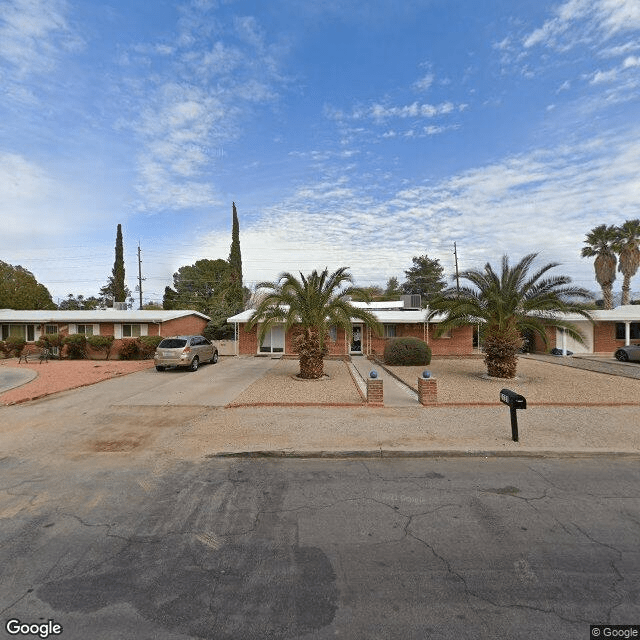
5721 East Waverly Street, Tucson, AZ 85712
For more information about senior living options: (866) 208-4318
Angela's Assisted Living II Costs & Pricing
Angela's Assisted Living II offers competitive pricing for its residents, with monthly costs that stand favorably against both Pima County and the broader Arizona state averages. For semi-private rooms, Angela's rates at $2,500 are notably lower than the county rate of $2,805 and state average of $2,820. Similarly, those seeking private accommodations will find Angela's monthly fee of $2,800 to be more affordable compared to Pima County's average of $3,332 and Arizona's statewide figure of $3,345. This positions Angela's Assisted Living II as a cost-effective option for individuals seeking supportive care without sacrificing quality.
| Floor plans | Angela's Assisted Living II | Pima County | Arizona |
|---|---|---|---|
| Semi-Private | $2,500 | $2,805 | $2,820 |
| Private | $2,800 | $3,332 | $3,345 |
Assisted Living communities with a similar price nearby
-
from -$300 / mo

Gentlemen's Inn I
$2,200 / month3.4 miles away -
from -$300 / mo
The Villa Rosa
$2,200 to $2,500 / month23.9 miles away -
from +$200 / mo

Casa De Los Abuelos Dos
$2,700 to $3,200 / month10.3 miles away -
About the same
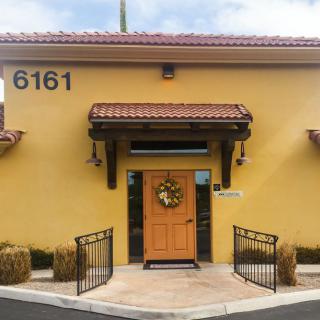
Fairmount Assisted Living
$2,500 to $3,500 / month0.7 miles away -
from -$225 / mo
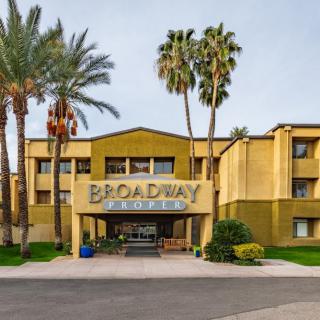
Broadway Proper Senior Living
$2,275 to $3,075 / month3.1 miles away
Overall Review of Angela's Assisted Living II
Pros
 Angela’s Assisted Living is truly a blessing.
- The staff go above and beyond every day, showing kindness and genuine care.
- The meals are delicious, and the home is clean and welcoming.
- The atmosphere is peaceful and full of warmth, creating a real sense of community.
- Residents feel safe, valued, and truly at home.
- Residents make new friends and enjoy engaging activities like puzzles, crafts, and movies.
Cons
 The mom received the worst care there.
- She sustained numerous injuries and was drugged during her stay.
- She never had any water by her bed.
- The environment was dark and depressing, and the patio was neglected.
- There was no effort to engage with the residents.
- The reviewer advised others not to send their loved ones there.
- The drugs administered and the lack of water were excessive and harmful.
Review
Angela's Assisted Living II in Tucson is best suited for seniors who want a compact, home-like setting where personal attention from staff and regular social activities define daily life. It appeals to residents who value warmth, kindness, and the feeling that ownership is personally involved in daily care. The community’s strength lies in its welcoming vibe: clean, cozy rooms, reliable meals, and opportunities to connect through puzzles, crafts, and movies. For families seeking a genuinely neighborly atmosphere with a strong emphasis on relationship-building, this is a solid fit.
That said, this community may not be the right choice for those who require robust medical oversight or frequent, highly structured clinical interventions. The mixed experiences reflected in the reviews suggest that families prioritizing professional-level monitoring, mobility assistance, and formal dementia- or memory-care support should consider alternatives with clearer medical staffing and documented safety outcomes. Prospective residents with complex health needs may want facilities that illustrate a transparent record of care plans, physician supervision, and more intensive supervision.
The strongest positives are compelling: staff who are described as kind, accessible, and attentive; a sense that Angela herself is approachable and involved; meals that residents remember fondly; and an overall atmosphere that feels safe, clean, and welcoming. When these elements are present, they create day-to-day stability, reduce loneliness, and cultivate genuine connections among residents. A homey room and a peaceful environment further reinforce comfort and consistency, making it easy for residents to settle in and feel valued. These advantages can substantially offset everyday non-medical concerns, especially for residents who thrive on personal attention and social engagement.
However, the most serious red flag is crystallized in one particularly troubling review: allegations of neglect, injuries, dehydration, and aggressive pharmacological practices, culminating in a move out for the resident. This report signals potential gaps in care supervision, staff training, and accountability that cannot be dismissed. While it may not reflect the experience of every resident, it raises legitimate questions about how care is managed, how concerns are escalated, and what safeguards are in place to prevent harm. Families must weigh these risks heavily and seek concrete assurances before committing, including concrete care protocols, medication management policies, hydration practices, and a clear pathway for family involvement.
For families leaning toward choosing this community, a disciplined due-diligence approach is essential. Request a detailed, written care plan for the loved one, including medication administration schedules, hydration protocols, and emergency procedures. Meet the caregiving team in person, review staff-to-resident ratios, and ask for bios or qualifications of the key caregivers. Tour the physical spaces with a critical eye toward safety features, accessibility, and the patio or common areas where engagement typically happens. Demand a candid discussion about how red flags are escalated, how often family updates occur, and what happens if a resident’s health declines. If possible, request a trial period or regular, structured visits to observe daily routines before making a longer commitment.
Overall judgment places Angela's Assisted Living II as a place with undeniable warmth and community spirit on one side, and a significant caveat on oversight and safety on the other. The strong social environment, delicious meals, and attentive staff can deliver meaningful quality of life for residents who do not require intensive medical supervision. Yet the severe negative report cannot be dismissed; it demands thorough vetting and a clear plan for ongoing, transparent care. For families prepared to verify strong oversight and insist on rigorous care standards, this community can be a comforting, fulfilling home. For those unwilling to accept potential gaps in medical or safety monitoring, exploring alternatives with demonstrated clinical rigor and track records is prudent. The right choice hinges on balancing valued social warmth with uncompromising expectations for ongoing, dependable care.
 9 resident community capacity
 Assisted Living
 Board and Care Home
 Activities on-site
 Bath tubs
 Cable or satellite TV
 Dining room
 Fully furnished
 Garden
 Housekeeping services
 Move-in coordination
 Outdoor space
 Private
 Respite or short term stays offered
 Telephone
 Wheelchair accessible showers
 Wi-Fi/high-speed internet available
 Tucson International (10 miles away)
 24-hour supervision
 Ambulatory care
 Assistance with bathing
 Assistance with dressing
 Assistance with transfers
 Diabetes diet
 Diabetic care
 High acuity care
 Incontinence care
 Meal preparation and service
 Medication management
 Special dietary restrictions
 Transportation arrangement (medical)
 Transportation to doctors appointments






 Exploring the Contrasts Between Assisted Living and Skilled Nursing
 8 Key Indicators That Suggest It May Be Time to Transition from Assisted Living to Skilled Nursing Care
 Vibrant Senior Living: A Comprehensive Guide for Active Older Adults