
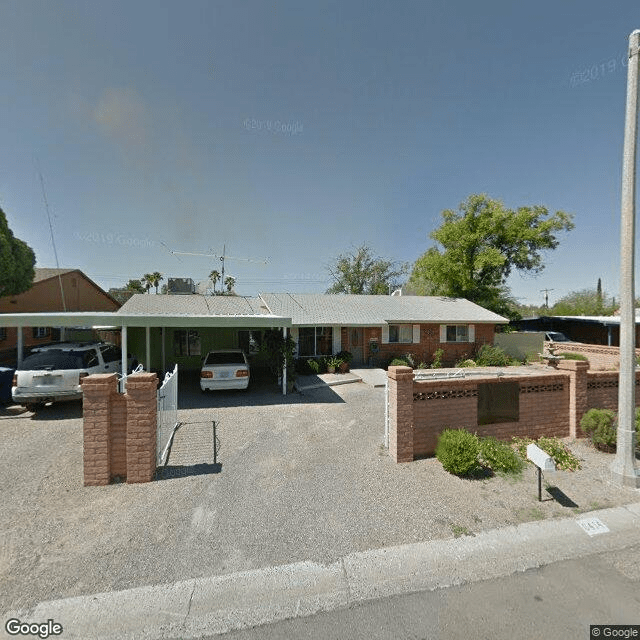
6414 E Calle Cappela, Tucson, AZ 85710
To contact a resident: (520) 748-8131
For more information about senior living options: (866) 208-4318
Emmanuel Adult Care Homes Costs & Pricing
Emmanuel Adult Care Homes offers competitive pricing for its residents, particularly when compared to the broader market in Pima County and across Arizona. For semi-private rooms, the cost is $2,200 per month, which is notably lower than the county average of $2,805 and the state average of $2,820. Similarly, for those seeking private accommodations, Emmanuel's rate of $2,500 not only provides significant savings compared to Pima County's average of $3,332 but also surpasses the state average of $3,345. These pricing strategies reflect Emmanuel's commitment to affordable care without compromising on quality, making it an appealing option for families seeking reliable adult care services.
| Floor plans | Emmanuel Adult Care Homes | Pima County | Arizona |
|---|---|---|---|
| Semi-Private | $2,200 | $2,805 | $2,820 |
| Private | $2,500 | $3,332 | $3,345 |
Senior living communities with a similar price nearby
-
About the same
Abuelos At La Canada
$2,200 to $2,800 / month11.3 miles away -
from -$350 / mo
Connie's Manor Home
$1,850 to $2,300 / month13.5 miles away -
from +$100 / mo
Northwest Assisted Living
$2,300 to $2,500 / month12.8 miles away -
About the same
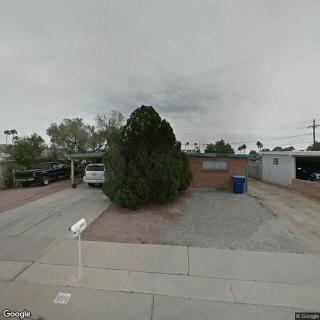
Gentlemen's Inn I
$2,200 / month2.6 miles away -
from +$300 / mo
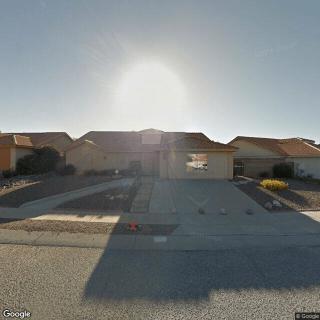
Grace Home I
$2,500 to $3,200 / month2.6 miles away
Overall Review of Emmanuel Adult Care Homes
Pros
 The staff are always welcoming.
- The place is always very clean.
Review
Emmanuel Adult Care Homes in Tucson is best suited for seniors who value a small, home-like setting where staff interactions feel personal and consistent, and where cleanliness and order are visibly prioritized. The facility reads as a calm, intimate environment rather than a sprawling campus, which serves residents who prefer predictable routines and frequent, friendly check-ins over a busier, institutional atmosphere. Based on monthly visits, the front-line caregivers come across as notably welcoming, and the common areas project a meticulous standard of hygiene that immediately reassures families about daily safety and comfort.
That said, this community may not be the destination for residents requiring intensive medical supervision, advanced memory care, or a broad program of on-site activities and services. Prospective residents who rely on high-touch clinical oversight, complex medication management, or robust therapy services may want to compare alternatives that offer larger staff teams, more structured care plans, and explicit care-channel transparency. Families seeking a wider range of wellness programming or accommodations for challenging behaviors should look for options designed around memory care or skilled nursing.
The most compelling pro is the staff's warmth combined with relentlessly clean spaces; this duality creates a trustworthy daily environment that can offset some limitations typical of smaller homes. When caregivers greet residents by name, respond quickly to requests, and maintain spotless rooms and dining areas, anxiety around change subsides, enabling more natural social interactions and engagement. Cleanliness lowers the risk of infections, makes meal times and activities more pleasant, and reinforces the sense that the resident's surroundings are actively cared for. These factors can offset gaps in formal programming by fostering a sense of being truly looked after.
Yet, the lack of publicly disclosed details about staffing ratios, level of medical oversight, medication administration protocols, and the scope of services creates a murky picture for families conducting a careful risk assessment. Without clear information on who manages care plans, how often a nurse or clinician conducts rounds, or how emergencies are handled, it is harder to quantify safety and continuity of care. Similarly, the absence of described meal options, activity calendars, and memory-support features makes it harder to judge whether daily life will meet evolving needs or preferences. These invisibilities are meaningful cons for families comparing options.
To make a confident decision, prospective visitors should conduct structured, hands-on inquiries during tours. Observe staff-resident interactions for patience and attentiveness; note response times to call bells; ask about the nurse delegation model and whether an on-site clinician is available daily. Request a sample weekly care plan and a written outline of included services, along with a clear, itemized monthly cost. Inquire about meal quality and dietary accommodations, room configurations, safety features such as grab bars and emergency call systems, and the process for residents who require more assistance over time. If possible, meet a few residents and families to gauge social life and compatibility with personal routines.
For families prioritizing a warm, tidy, low-stress setting where staff interactions feel genuine and consistent, Emmanuel Adult Care Homes stands out as a practical choice in Tucson. It delivers the intangible currencies of comfort and trust, which often determine satisfaction more than glossy brochures. However, for those whose priorities include robust clinical oversight, a rich activity slate, or transparent, predictable costs tied to higher levels of care, alternatives that scale up capacity and programming should be explored. The right path will hinge on the resident’s care needs and the family’s tolerance for trade-offs between ambiance and clinical intensity.
 Board and Care Home
 Private
 Tucson International (8 miles away)
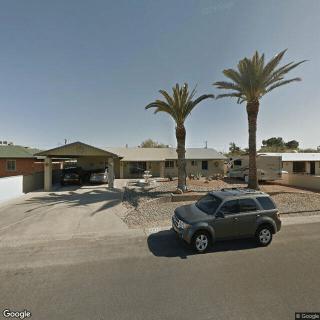
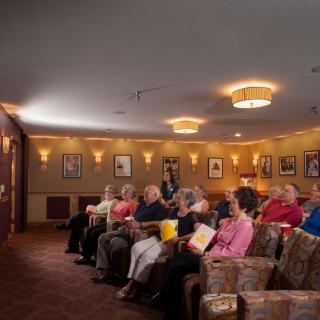

 Comprehensive Insights and Practical Strategies to Help Older Adults Avoid Falls
 6 Crucial Ways an Elder Law Attorney Assists Families
 Navigating the Tax Landscape of Caregiving: Credits, Deductions, and Beyond