
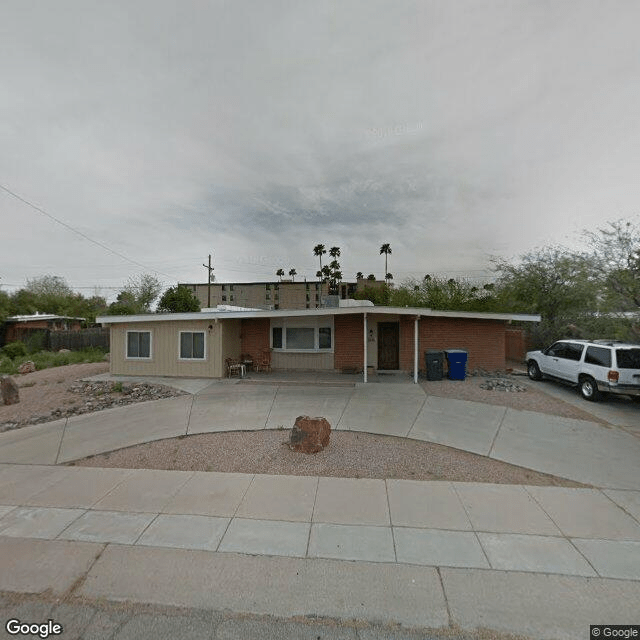
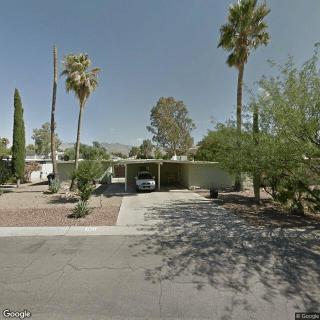
8142 E 8th St, Tucson, AZ 85710
To contact a resident: (520) 722-5693
For more information about senior living options: (866) 208-4318
Overall Review of Casa De Dios Inc
Pros
 The two people who run this place are good at their job and hard-working.
- They take care of all of the old ladies here.
- The house is very homey.
- The food here is amazing.
- The place is awesome and highly recommended for anyone considering a nursing home for their grandparents.
Review
Casa De Dios Inc in Tucson, AZ is best suited for families seeking a small, homey, hands-on environment where a dedicated two-person leadership team delivers close, attentive care and meals that feel like home. This community suits residents who thrive on personal interaction, predictable routines, and a feeling of being nurtured by people who know them by name. It works particularly well for seniors who place a premium on warmth, daily consistency, and a dining experience that emphasizes quality and comfort. It is not the pick for those who require extensive medical oversight, large-scale programming, or specialized memory-care services, as the current footprint points toward intimate operations rather than high-acuity capacity.
Those weighing alternatives should consider facilities with more robust clinical staffing, broader activity calendars, and formalized memory-care options. If a resident’s needs include complex medical management, frequent on-site therapy, or a wide network of specialists, a larger, higher-capacity community may deliver more comprehensive support. Families seeking highly structured programs, certified dementia care units, or expansive social programming should look elsewhere to ensure all potential needs can be anticipated and met within the care plan.
The strongest pros lie in the core of the operation: the two operators who run the place are described as genuinely competent, hardworking, and deeply involved in residents’ daily lives. That leadership model fosters dependable routines, rapid responsiveness, and a sense of consistency that many families value after transitioning a loved one into care. The house itself projects a home-like atmosphere, which helps reduce anxiety about “being in a facility” and supports a smoother adaptation for residents who favor familiarity and a comfortable living environment. Coupled with the report of excellent food, meals become not just sustenance but a prized daily highlight that can improve mood, appetite, and overall well-being.
The principal cons are not overtly documented, but the implied trade-off is scale and scope. A two-person leadership/operational model suggests limited staff capacity, potential strains during emergencies, and finite availability for activities beyond routine care. The absence of information about medical acuity levels, on-site licensed professionals, or access to therapy services makes it prudent for families to verify whether the facility can accommodate ongoing wound care, medication administration at a required cadence, or acute episodes without immediate external support. In this context, the terrific personal attention provided by the current leadership partially offsets these gaps, since residents benefit from consistent oversight and a straightforward, intimate caregiving rhythm that can reduce the risk of neglect or missed needs in a smaller setting.
During visits, focus the evaluation on practical, concrete questions: what are the staffing ratios on day and night shifts, and who handles medical or nursing tasks? what levels of on-site medical oversight exist, and how are emergencies managed when a physician or ambulance is not immediately available? is there a formal activity schedule that supports cognitive and social engagement beyond mealtime? what dietary accommodations are routinely offered, and how are preferences and restrictions incorporated into menus? inquire about hospice, memory care options, and the process for transitioning a resident if clinical needs evolve. Finally, demand transparency on licensing, inspection histories, and any recent improvements or renovations that affect safety and comfort.
In the final analysis, Casa De Dios Inc stands out for families prioritizing a warm, intimate setting guided by capable, engaged operators and a standout dining experience. It delivers a high-touch feel that can translate into meaningful daily satisfaction and a strong sense of belonging for residents who fit a small-community model. For families prioritizing advanced medical oversight, a broad slate of social programming, or specialized care for memory-related challenges, alternatives with larger staff complements and more extensive clinical capabilities should be pursued. The right decision hinges on whether the resident’s needs align with intimate, person-centered care and home-like daily life, or with broader, more resource-rich environments.
 Board and Care Home
 Tucson International (10 miles away)


 Understanding Home Health Care: A Comprehensive Guide
 Home Health Care Demystified: A Comprehensive Guide for Families and Caregivers
 Seniors and Modern Transportation: Exploring Uber, Lyft, and Other Ride-Hailing Options