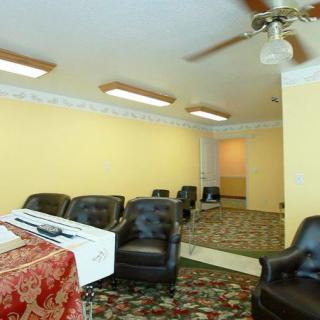
Nunnenkamp Center Friendship Village Tempe

Save
Nunnenkamp Center Friendship Village Tempe

Nunnenkamp Center Friendship Village Tempe

Information last verified:

2635 East Southern Avenue, Tempe, AZ 85282

For more information about senior living options: (844) 490-3973

4.9 from 104 reviews
5 stars
100
4 stars
0
3 stars
0
2 stars
1
1 stars
3

Seniors.FYI Elite Community Awards

Top 5% Senior Living Community in 2025

Add this award to your website

Overall Review of Nunnenkamp Center Friendship Village Tempe

Pros

  • pro Residents describe Friendship Village Tempe as a wonderful place to live with caring staff and abundant activities.
  • pro The dining options are diverse and the food is excellent across multiple venues.
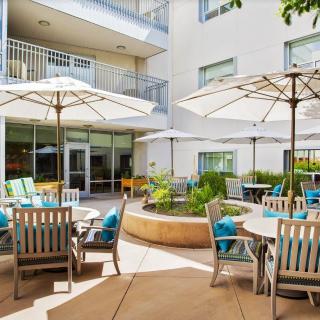
  • pro The campus and facilities are beautifully maintained and welcoming.
  • pro The staff are consistently friendly, attentive, and eager to help residents feel at home.
  • pro The community is described as safe, secure, and like a large, supportive family.
  • pro There is a strong sense of inclusion and friendship among residents and staff.
  • pro The Life Care program and range of care options are highly valued, providing security and flexibility.

Cons

  • pro The staff are really mean to the senior citizens.
  • pro Lynn, the supervisor on 3 West, is rude when communicating with others and speaks unprofessionally.
  • pro The ladies who clear tables and refill drinks in the buffet area talk badly about guests and residents in Spanish.
  • pro Some reviewers felt that the policy of not giving anything back to families when a resident passes away is a rip.
  • pro There is an excessive heat issue in Phoenix that needs to be fixed.

Review

This community is best suited for active, social seniors who want a comprehensive Life Care continuum under one roof and a campus that feels more like a village than a traditional retirement setting. It suits those who crave frequent dining options, rich programming, and on-site healthcare that can scale from independent living to assisted living and beyond. For families seeking a polished, welcoming environment where residents easily form friendships and sustain meaningful routines, this is a compelling match. It is less ideal for anyone who prioritizes a quiet, uniformly serene atmosphere or who expects every staff interaction to be impeccably gentle and consistently uniform across shifts. Prospective residents who prefer a quieter pace, limited social programming, or a setting with less emphasis on social orchestration may want to compare alternatives.

The core strengths are hard to miss: a breadth of dining venues and superb food, a vibrant calendar of activities, and a genuine sense of community that radiates from both residents and staff. Reviews repeatedly praise the options, multiple restaurants, casual cafes, and comfortable lounges, alongside a schedule that runs from fitness and water aerobics to concerts, crafts, and resident-led clubs. The campus itself is described as attractive, well maintained, and safe, with first-rate facilities that include a well-equipped fitness center, a heated pool, gardens, and accessible transportation around the grounds. The social fabric is front and center: new residents are welcomed with a personal host, and the culture encourages interaction, mutual support, and shared experiences that often translate into enduring friendships.

Even with these strengths, pockets of concern surface in a few reviews, centering on staff tone and communication. Instances of frustration with a supervisor on 3 West and a few staff members who spoke about guests in ways deemed unprofessional appear in the feedback. These concerns are not universal, but they matter: they can color a family’s impression during tours or after a move. The good news is that many residents describe staff as caring, responsive, and relentlessly helpful, and several accounts cite leadership that indeed listens and acts on resident feedback. The hospitality mindset, often cited as a defining feature, acts as a counterbalance to the occasional misstep, suggesting that families should ask direct questions during visits about staff culture, training, and accountability to avoid surprises once a move is made.

On the care continuum, the value proposition is substantial. The Life Care model means ongoing adaptability: independent living cottages, assisted living, skilled nursing, memory care, and hospice are all accessible on campus. Families appreciate the continuity, knowing that a resident does not have to relocate far when needs change. The healthcare center earns commendations for professional, attentive care, with several reviews highlighting successful rehabilitation outcomes and supportive, patient staff. Hospice and palliative care partnerships reinforce a compassionate end-to-life experience within the same community, which can be a major comfort to families planning long-term arrangements. This integrated framework reduces the logistical and emotional burden of transitions, a point repeatedly emphasized by residents who stayed through multiple levels of care.

Social life is not an add-on here; it is the currency of daily living. The community’s breadth, well over 100 activities, multiple clubs, live entertainment, maker spaces for wood, metal, textiles, ceramics, and more, creates an environment where staying engaged feels effortless. Residents describe a sense of belonging that extends beyond casual friendliness to genuine community commitment: neighbors help neighbors, staff participate in volunteer roles, and intergenerational energy shows up in film nights, concerts, and group outings. This chorus of activity supports mental and physical vitality, with a safety net of accessible services (transportation, on-site dining, and readily available staff) that makes it possible to live fully without constant planning or heavy lifting by family members.

For families weighing a decision, the conclusion is practical and decisive: this is a premier option for older adults who want a robust, sociable, life-enriching environment with a genuine continuum of care on a single campus. It excels for those who want abundant choices, a dynamic sense of community, and reassurance that care needs can be met on-site as health dynamics shift. Those who may want to consider alternatives include individuals who prize a quieter atmosphere, minimal day-to-day programming, or a more uniform staff experience across all shifts. It may also be prudent to explore a few tours with specific questions about staff culture, dining oversight, and how concerns are addressed, especially if a resident will require sensitive interpersonal care from the outset.

In the end, the decision rests on the fit between personal temperament and the village ethos. If a resident thrives on activity, values diverse dining, and seeks a long-term, integrated care plan that supports independence while offering accessible healthcare, this community stands out as a transformative choice. The testimonials are long and consistent: people move here, settle in, and often describe it as the best decision they have made for their later years. When the aim is to be part of a lively, supportive, and generous community that treats residents like family, the Nunnenkamp Center at Friendship Village Tempe delivers with uncommon consistency.

Features

Housing

  • 72 resident community capacity 72 resident community capacity

Types of Care

  • Assisted Living Assisted LivingAssisted living facilities provide crucial support and care for seniors who may need help with daily tasks such as medication management, bathing, and meal preparation. These communities offer a safe and comfortable environment where seniors can maintain their independence while receiving the assistance they need to thrive in their golden years.
  • Respite Care Respite CareRespite care provides temporary relief for caregivers, allowing them to recharge and attend to their own needs. It also gives seniors the opportunity to socialize, receive professional care, and experience a change of scenery, promoting overall well-being and reducing feelings of isolation.

Amenities

  • Activities on-site Activities on-siteActivities on-site are important for seniors because they provide opportunities for socialization, mental stimulation, physical activity, and overall well-being. Engaging in activities can help seniors stay active, maintain their independence, and improve their quality of life.
  • Air-conditioning Air-conditioningAir conditioning is important for seniors as they are more vulnerable to heat-related illnesses and may have underlying health conditions that make it difficult for them to regulate their body temperature. It helps to keep them comfortable, safe, and healthy in hot weather.
  • Beauty salon Beauty salonBeauty salons are important for seniors because they provide a space for them to feel pampered, socialize, and maintain their personal grooming and hygiene. Regular visits to a beauty salon can help boost seniors' self-esteem and overall well-being.
  • Cable or satellite TV Cable or satellite TVCable or satellite TV is important for seniors because it provides entertainment, news, and companionship, helping to combat loneliness and boredom. It also offers a wide range of programming options tailored to different interests and preferences.
  • Computer center Computer centerA computer center is essential for seniors as it provides access to technology, communication tools, and resources that can enhance their daily lives. It allows them to stay connected with loved ones, engage in online activities, and learn new skills, ultimately promoting socialization and mental stimulation.
  • Devotional services off-site Devotional services off-siteDevotional services off-site are important for seniors as they provide spiritual nourishment, social engagement, and a sense of community outside of the senior living facility. This can enhance overall well-being and help combat feelings of isolation and loneliness often experienced by older adults.
  • Dining room Dining roomDining rooms are important for seniors as they provide a space for socialization, connection, and nutritious meals. They offer opportunities for residents to bond over shared meals, foster a sense of community, and promote healthy eating habits. Dining rooms also ensure that seniors have access to well-balanced meals tailored to their dietary needs and preferences.
  • Fitness room Fitness roomHaving a fitness room in a senior living community is essential for seniors to stay active, maintain their physical health, and improve their overall well-being. Regular exercise can help prevent falls, reduce the risk of chronic diseases, and promote mental sharpness. It also provides social opportunities for residents to connect with others and enjoy a sense of community.
  • Fully furnished Fully furnishedFully furnished senior living communities are important for seniors because they provide convenience, comfort, and a hassle-free moving experience. Seniors can easily settle into their new living space without the stress of having to buy and move furniture. This allows them to focus on enjoying their new home and community.
  • Gaming room Gaming roomGaming rooms are important for seniors as they provide a fun and engaging environment for socializing, cognitive stimulation, and physical activity. Games can improve memory, problem-solving skills, and overall mental well-being while fostering friendships and reducing feelings of isolation.
  • Garden GardenGardens are important for seniors as they provide a peaceful and therapeutic environment for relaxation, physical activity, and socialization. Being in nature has been shown to reduce stress, improve mood, and promote overall well-being. Gardens also offer opportunities for seniors to engage in gardening activities, which can improve mobility, flexibility, and cognitive function. Additionally, gardens create a sense of community and connection with others who share a passion for plants and outdoor spaces.
  • Housekeeping services Housekeeping servicesHousekeeping services are important for seniors because they help maintain a clean and safe living environment, promote independence, and reduce the risk of accidents or illnesses. Additionally, having assistance with household chores can alleviate physical strain and allow seniors to focus on other aspects of their well-being.
  • Indoor common areas Indoor common areasIndoor common areas are crucial for seniors as they provide a space for socialization, recreation, and community engagement, promoting overall well-being and reducing feelings of isolation and loneliness.
  • Kitchenette KitchenetteKitchenettes are important for seniors living in senior living communities because they provide the convenience and independence of being able to prepare simple meals and snacks in the comfort of their own living space. This can help promote a sense of autonomy and well-being for seniors, allowing them to maintain some level of control over their dietary choices and daily routines.
  • Move-in coordination Move-in coordinationMove-in coordination is important for seniors because it helps ease the transition into their new living environment. It ensures that all logistics, such as packing, organizing movers, and setting up utilities are taken care of, allowing seniors to focus on settling in and adjusting to their new home. Having a smooth move-in process can alleviate stress and anxiety, making the transition smoother and more enjoyable for seniors.
  • Outdoor space Outdoor spaceOutdoor spaces are important for seniors as they provide opportunities for physical activity, social interaction, exposure to natural light and fresh air, and a sense of connection to nature. Having access to outdoor spaces can improve overall well-being and quality of life for older adults living in senior communities.
  • Private bathrooms Private bathroomsPrivate bathrooms are important for seniors in senior living communities because they provide independence, dignity, and comfort. Having a private bathroom allows seniors to maintain their personal hygiene routines without the need for assistance, promoting a sense of autonomy and privacy. Additionally, private bathrooms help prevent the spread of infections and provide a safe and clean environment for seniors to navigate safely.
  • Restaurant-style dining Restaurant-style diningRestaurant-style dining is important for seniors because it allows them to enjoy delicious, nutritious meals in a social and upscale setting. This enhances their dining experience, promotes healthy eating habits, and fosters socialization with fellow residents, ultimately contributing to their overall well-being and quality of life.
  • Small library Small librarySmall libraries are important for seniors as they provide access to a variety of reading materials, including books, newspapers, and magazines. This can help stimulate their minds, keep them engaged, and provide a sense of community through book clubs and other social activities. Additionally, reading has been shown to improve cognitive function and overall mental well-being in older adults.
  • Telephone TelephoneTelephones are important for seniors as they provide a lifeline for communication with loved ones, emergency services, and healthcare providers. They offer a sense of security and independence, enabling seniors to stay connected and access assistance when needed.
  • Wellness center Wellness centerWellness centers are important for seniors because they offer a variety of programs and services that promote physical, mental, and emotional well-being. These centers provide opportunities for exercise, socialization, education, and relaxation, helping seniors maintain their overall health and quality of life.
  • Wi-Fi/high-speed internet available Wi-Fi/high-speed internet availableWi-Fi/high-speed internet is important for seniors to stay connected with loved ones, access online resources, and participate in virtual activities to combat feelings of loneliness and isolation. It also allows them to easily manage healthcare needs, access entertainment, and engage in lifelong learning opportunities.

Transportation

  • Phoenix Sky Harbor International (8 miles away) Phoenix Sky Harbor International (8 miles away)
  • Community operated transportation Community operated transportationCommunity operated transportation is crucial for seniors as it provides them with the means to access essential services, social activities, and medical appointments. It allows seniors to maintain their independence and quality of life by ensuring they can participate in activities outside of their homes. Additionally, community-operated transportation services offer a safe and reliable way for seniors to travel without having to rely on family or friends for assistance.
  • Transportation arrangement Transportation arrangementTransportation arrangements are crucial for seniors as they may face challenges with driving, mobility, or access to public transportation. Having reliable transportation services ensures that seniors can easily attend appointments, social activities, and maintain their independence and quality of life.
  • Transportation arrangement (non-medical) Transportation arrangement (non-medical)Transportation arrangements are essential for seniors as they provide access to essential services, activities, and social interactions outside the home. This service helps maintain independence, mobility, and overall well-being for seniors who may have limited transportation options.
  • Transportation to doctors appointments Transportation to doctors appointmentsTransportation to doctors appointments is crucial for seniors as it ensures they have access to necessary medical care and support, promoting their health and well-being. It allows them to receive timely treatment, monitor existing conditions, and address any new health concerns efficiently. Additionally, transportation services can help seniors maintain their independence and quality of life by enabling them to stay connected with their healthcare providers.

Care Services

  • 12-16 hour nursing 12-16 hour nursing12-16 hour nursing care is crucial for seniors in order to ensure around-the-clock monitoring, timely medication administration, and prompt response to any health concerns or emergencies. This level of care helps to promote the overall well-being and safety of seniors living in senior living communities.
  • 24-hour call system 24-hour call system24-hour call systems are important for seniors because they provide peace of mind and immediate assistance in case of emergencies. This technology ensures that help is always available, promoting safety and security for elderly individuals living alone or in assisted living facilities.
  • 24-hour supervision 24-hour supervision24-hour supervision is important for seniors to ensure their safety, well-being, and access to immediate assistance in case of emergencies or health issues. This constant support provides peace of mind for both seniors and their loved ones, allowing them to age in place with dignity and security.
  • Activities of daily living assistance Activities of daily living assistanceActivities of daily living assistance are important for seniors because they provide essential support with tasks such as eating, bathing, dressing, and mobility. This assistance helps seniors maintain their independence, dignity, and overall quality of life as they age.
  • Ambulatory care Ambulatory care"Ambulatory care services provide essential medical support and treatment to seniors without requiring hospitalization, allowing them to maintain their independence and quality of life while managing chronic conditions or receiving routine medical care."
  • Assistance with bathing Assistance with bathingAssistance with bathing is crucial for seniors as it helps maintain personal hygiene, prevents infections, and ensures their overall well-being and comfort. It also provides a sense of dignity and independence for seniors who may struggle with this task on their own.
  • Assistance with dressing Assistance with dressingAssistance with dressing is important for seniors because it helps maintain their independence, promotes personal hygiene, prevents accidents and injuries, and improves overall quality of life. This service ensures that seniors can continue to dress comfortably and confidently, despite any physical limitations they may have.
  • Assistance with transfers Assistance with transfersAssistance with transfers is crucial for seniors as it helps prevent falls and injuries, maintains their independence, and ensures they can safely navigate their living environment. It also provides peace of mind for both seniors and their loved ones.
  • Diabetes diet Diabetes dietA diabetes diet is crucial for seniors as it helps manage blood sugar levels, reduce risks of complications, and improve overall health and well-being. By following a balanced and nutritious diet tailored to their specific needs, seniors can better control their diabetes and enhance their quality of life.
  • Diabetic care Diabetic careDiabetic care is crucial for seniors as they are more susceptible to developing diabetes due to aging and other health conditions. Proper management of diabetes can help prevent complications such as heart disease, vision loss, and nerve damage, improving the overall quality of life for seniors in senior living communities.
  • Meal preparation and service Meal preparation and serviceMeal preparation and service are crucial for seniors as they may have limited mobility or energy to cook nutritious meals. Having access to healthy and convenient food options can ensure they are getting the proper nutrition needed to maintain their overall health and well-being.
  • Medication management Medication managementMedication management is crucial for seniors to ensure they are taking the right medications at the correct dosages and times. This helps prevent adverse drug interactions, reduces the risk of medication errors, and promotes overall health and well-being. Proactive management also allows for adjustments as needed based on changing health conditions or new prescriptions.
  • Mental wellness program Mental wellness programMental wellness programs are essential for seniors as they promote cognitive stimulation, emotional support, and social engagement. These programs help prevent isolation, depression, and cognitive decline, ultimately enhancing the overall quality of life for older adults.
  • Special dietary restrictions Special dietary restrictionsSpecial dietary restrictions are important for seniors because age-related changes in metabolism and health conditions can make it difficult for their bodies to process certain foods. By following a diet tailored to their specific needs, seniors can maintain their overall health and well-being, manage chronic conditions, and reduce the risk of complications such as malnutrition or food interactions with medications.

Dining

  • Diabetes diet Diabetes dietA diabetes diet is crucial for seniors as it helps manage blood sugar levels, reduce risks of complications, and improve overall health and well-being. By following a balanced and nutritious diet tailored to their specific needs, seniors can better control their diabetes and enhance their quality of life.
  • Meals provided Meals provided"Meals provided" are crucial for seniors in assisted living communities as it ensures they have access to nutritious, balanced meals without the stress of meal planning and preparation. This can help promote overall health and well-being for seniors who may have limited mobility or cognitive abilities.
  • Special dietary restrictions Special dietary restrictionsSpecial dietary restrictions are important for seniors because age-related changes in metabolism and health conditions can make it difficult for their bodies to process certain foods. By following a diet tailored to their specific needs, seniors can maintain their overall health and well-being, manage chronic conditions, and reduce the risk of complications such as malnutrition or food interactions with medications.

Activities

  • Activities on-site Activities on-siteActivities on-site are important for seniors because they provide opportunities for socialization, mental stimulation, physical activity, and overall well-being. Engaging in activities can help seniors stay active, maintain their independence, and improve their quality of life.
  • Community-sponsored activities Community-sponsored activitiesCommunity-sponsored activities are important for seniors as they provide opportunities for social interaction, mental stimulation, and physical activity. These activities can help improve overall well-being, combat loneliness and isolation, and promote a sense of belonging and purpose among older adults.
  • Concierge services Concierge servicesConcierge services are essential for seniors as they provide assistance with daily tasks and errands, enhance their quality of life by offering convenience and personalized care, and promote a sense of safety and security.
  • Devotional activities offsite Devotional activities offsiteDevotional activities offsite are important for seniors because they provide social engagement, spiritual growth, and a sense of community outside of their living environment. This can improve overall well-being, mental health, and combat feelings of isolation or loneliness.
  • Fitness programs Fitness programsFitness programs are crucial for seniors as they help improve strength, flexibility, balance, and overall well-being. Staying active can reduce the risk of chronic diseases, improve mental health, and enhance quality of life in older adults.
  • Planned day trips Planned day tripsPlanned day trips are important for seniors because they offer opportunities for socialization, mental stimulation, and physical activity. They provide a change of scenery and help seniors stay engaged and connected to their community, promoting overall well-being and quality of life.
  • Resident-run activities Resident-run activitiesResident-run activities are important for seniors as they encourage social interaction, creativity, and a sense of autonomy. These activities empower seniors to stay engaged and active in their community while fostering meaningful connections with their peers.
  • Scheduled daily activities Scheduled daily activitiesScheduled daily activities are important for seniors because they provide structure, socialization, mental stimulation, and physical activity. Engaging in regular activities can improve overall well-being and quality of life for seniors living in a community setting.

Description

Nunnenkamp Center Friendship Village Tempe is an assisted living community located in Tempe, AZ. This community offers respite care for seniors in need of temporary support. The community provides a wide range of amenities to ensure comfort and convenience for its residents. These amenities include air-conditioning, a beauty salon, cable or satellite TV, community operated transportation, a computer center, devotional services off-site, a dining room, a fitness room, fully furnished accommodations, a gaming room, a garden, housekeeping services, indoor common areas, kitchenettes in each unit, move-in coordination assistance, outdoor spaces for relaxation and recreation, private bathrooms in each unit, restaurant-style dining options, a small library for reading enjoyment and research purposes. The community also provides essential services such as telephone access and high-speed internet connectivity.

In terms of care services provided at Nunnenkamp Center Friendship Village Tempe, the community offers 24-hour call system assistance to ensure the safety and well-being of its residents at all times. Trained staff members are available round the clock to provide supervision and assistance with activities of daily living such as bathing and dressing. Additionally, ambulatory care is provided to assist residents with mobility needs. The community also offers specialized care for individuals with diabetes including diabetic diets and specific care plans. Medication management services are available to ensure that residents are taking their medications correctly and on time. Mental wellness programs are offered to support emotional well-being among residents.

Nunnenkamp Center Friendship Village Tempe provides an appealing dining experience where meals are provided for residents with special dietary restrictions taken into consideration. The community takes pride in offering engaging activities to enhance the quality of life for its residents. Community-sponsored activities are organized regularly along with fitness programs to promote physical health among residents. Planned day trips provide opportunities for exploration outside the community while resident-run activities encourage social interaction within the community.

The location of Nunnenkamp Center Friendship Village Tempe is advantageous, with 10 cafes, 3 parks, 20 pharmacies, 4 physicians' offices, 36 restaurants, and 1 transportation facility located nearby. Additionally, there are 4 places of worship and 4 theaters in close proximity to the community. This makes it convenient for residents to access various services and engage in recreational activities outside the community.

Overall, Nunnenkamp Center Friendship Village Tempe is a vibrant and well-equipped assisted living community that strives to provide exceptional care and support for its residents.

Nearby Places of Interest

Located in the heart of Tempe, Arizona, this neighborhood offers a diverse range of amenities within close proximity. With several parks nearby, residents can enjoy outdoor activities and nature walks. There are numerous dining options, including popular chain restaurants and local eateries, serving a variety of cuisines to suit every palate. Access to multiple pharmacies ensures convenient healthcare services, while places of worship cater to spiritual needs. The area also boasts entertainment options such as theaters and cafes for social gatherings. For medical care, there are reputable physicians and hospitals within a short distance. Public transportation is easily accessible via the nearby METRO station, offering convenience for those without personal vehicles. Overall, this part of Tempe provides a well-rounded community environment perfect for seniors looking for a vibrant and convenient place to call home.

Parks

  • Daumler Park (0.6 miles)
  • Selleh Park (1.5 miles)
  • Tempe Beach Park (4.5 miles)

Restaurants

  • In-N-Out Burger (1.4 miles)
  • Hibachi Grill Super Buffet (1.5 miles)
  • Green Corner Restaurant (1.6 miles)
  • Raising Cane's Chicken Fingers (1.8 miles)
  • The Dhaba (2.2 miles)
  • Mandi House (2.4 miles)
  • Restaurant Huauchinangos Mexican Food (2.4 miles)

Pharmacies

  • Walgreens (1.6 miles)
  • Walgreens (1.8 miles)
  • Fry's Pharmacy (1.8 miles)
  • CVS Pharmacy (2 miles)
  • Walgreens (2.2 miles)
  • Fry's Pharmacy (2.5 miles)
  • Walgreens (2.6 miles)

Places of Worship

  • Kingdom Hall (1.7 miles)
  • Temple Emanuel (3 miles)
  • Mesa Arizona Temple (3.9 miles)
  • Islamic Community Center of Tempe (4 miles)
  • First United Methodist Church of Gilbert (5.5 miles)

Theaters

  • Alamo Drafthouse Tempe (2.5 miles)
  • Harkins Tempe Marketplace 16 (3.2 miles)
  • AMC Mesa Grand 14 (4.4 miles)
  • Arizona Mills 18 w/ IMAX (4.9 miles)

Cafes

  • Starbucks (2.6 miles)
  • Infusion Coffee & Tea (2.9 miles)
  • Starbucks (2.9 miles)
  • Dutch Bros Coffee (3.2 miles)
  • Dutch Bros Coffee (3.3 miles)
  • Starbucks (3.9 miles)
  • Starbucks (4 miles)

Physicians

  • 20/20 Image Eye Centers (3.1 miles)
  • Oasis Behavioral Health Hospital (4 miles)
  • HonorHealth Medical Group - South Tempe - Primary Care (4.3 miles)
  • Momdoc-Women for Women (4.8 miles)
  • Centre For Contemporary Dental Concepts (5.2 miles)
  • Southwest Endoscopy & Srgcntr (5.7 miles)

Transportation

  • METRO University Dr /Rural (3.4 miles)

Frequently Asked Questions

Where is Nunnenkamp Center Friendship Village Tempe?

Nearby Communities

  • Friendship Village Tempe

    Friendship Village Tempe

    Tempe, AZ

    4.7 from 114 reviews
    $7,057 / month

    pro Vibrant, caring community with engaging activities and good dining.

  • Friendship Village Of Tempe

    Friendship Village Of Tempe

    Tempe, AZ

    4.6 from 14 reviews
     

    pro Broad care options with an active, friendly community.

  • Memory Care Assisted Living At Friendship Village Tempe

    Memory Care Assisted Living At Friendship Village Tempe

    Tempe, AZ


    pro Specialized memory care with 24/7 supervision and comprehensive in-house services.

  • Riviergreen Assisted Living Home

    Riviergreen Assisted Living Home

    Tempe, AZ


    pro Small, intimate community with comprehensive in-house care and meals.

  • Desert Samaritan Care Ctr

    Desert Samaritan Care Ctr

    Mesa, AZ

    2.3 from 110 reviews
     

    pro Great access to parks, cafes, pharmacies, doctors, restaurants, theaters, and places of worship nearby.

  • Blessings Of Joy Adult Care Home

    Blessings Of Joy Adult Care Home

    Tempe, AZ

    4 from 4 reviews
    $2,600 to $3,800 / month

    pro Friendly, clean, well-maintained home with an acceptable semi-private room option.

  • Total Care Connections - Mesa

    Total Care Connections - Mesa

    Tempe, AZ

    4.8 from 83 reviews
     

    pro Reliable, compassionate caregivers with responsive office staff.

  • Avista Senior Living

    Avista Senior Living

    Mesa, AZ

    4.1 from 38 reviews
     

    pro Caring, attentive staff with a welcoming community, plus good dining and clean, comfortable living spaces.

  • Mirabella at ASU

    Mirabella at ASU

    Tempe, AZ

    3.3 from 107 reviews
     

    pro Brand-new, visually stunning facility with attentive staff and no waiting list.

Related Resources

  • when to move from assisted living to memory careWhen to Transition from Assisted Living to Memory Care: Key Indicators, Steps, and Finding the Right Community

    Transitioning from assisted living to memory care is driven by an individual's cognitive decline and specific needs, requiring careful evaluation of indicators like increased confusion and wandering. The process involves consulting medical professionals, researching suitable communities, considering financial and legal aspects, and ensuring effective communication for personalized care plans.

  • assisted living vs memory careAssisted Living and Memory Care: Understanding Their Core Differences

    Assisted living provides moderate support for seniors seeking independence, while memory care offers specialized support for individuals with dementia or cognitive impairments through structured routines and trained staff. Key differences include care approaches, environment security measures, staff training levels, activity types, and cost considerations.

  • assisted living activitiesBeyond the Bingo Hall: 50+ Enriching Activities for Seniors in Assisted Living

    Assisted living communities offer diverse activities beyond traditional games to enhance seniors' physical health, cognitive well-being, emotional enrichment, and social connections, including fitness classes, creative expression, and intergenerational interactions. These enriching programs foster community bonds and support residents' independence and happiness.