
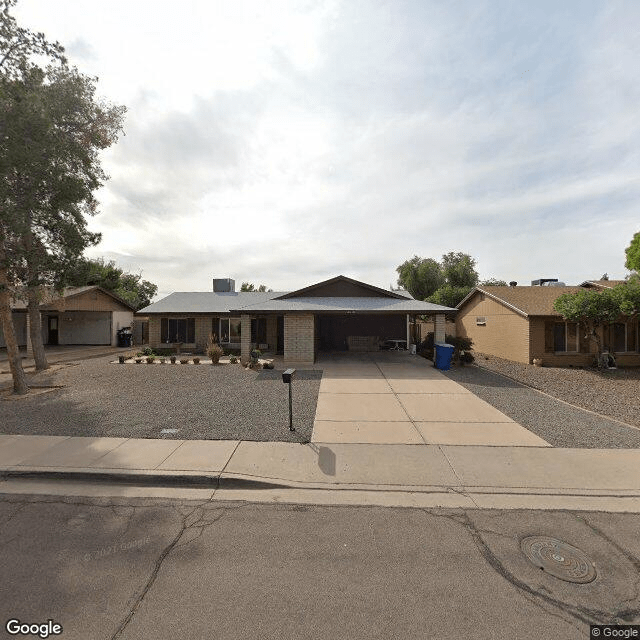
4638 South Parkside Drive, Tempe, AZ 85282
To contact a resident: (480) 347-5193
For more information about senior living options: (866) 208-4318
Healing Gardens Assisted Living Care Home II Costs & Pricing
Healing Gardens Assisted Living Care Home II offers competitive pricing for its residents in comparison to broader metrics from Maricopa County and the state of Arizona. For semi-private rooms, Healing Gardens charges $2,500 per month, which is notably lower than the county average of $2,801 and the state average of $2,820. Similarly, the cost for private rooms at Healing Gardens is set at $3,500, presenting a favorable option when juxtaposed with Maricopa County's average of $3,318 and Arizona's average of $3,345. These pricing advantages highlight Healing Gardens as an appealing choice for families seeking quality assisted living care without exceeding their budgetary constraints.
| Floor plans | Healing Gardens Assisted Living Care Home II | Maricopa County | Arizona |
|---|---|---|---|
| Semi-Private | $2,500 | $2,801 | $2,820 |
| Private | $3,500 | $3,318 | $3,345 |
Senior living communities with a similar price nearby
-
from +$300 / mo

Pinnacle Peak Assisted Living
$2,800 to $3,100 / month22.0 miles away -
from +$125 / mo

The Eldercare Home Of Tempe
$2,625 to $3,412 / month3.0 miles away -
from +$450 / mo
Endeavor AL I
$2,950 to $4,200 / month18.5 miles away -
About the same

La Bella Vita ALH
$2,500 to $7,000 / month16.5 miles away -
from -$100 / mo
Golden Touch One Adult Care Home
$2,400 to $5,800 / month7.8 miles away
Overall Review of Healing Gardens Assisted Living Care Home II
Pros
 They love this place.
- They are very happy with their mom's care.
- The staff are very friendly and caring.
- They are always there to help.
- They highly recommend it to anyone.
Review
Healing Gardens Assisted Living Care Home II in Tempe is best suited for seniors who want a small, home-like setting with consistently attentive staff. Families prioritizing dependable daily help, steady supervision, and a warm, personal touch will find this community appealing, especially when a loved one benefits from frequent caregiver interactions and a calm, reassuring routine. The intimate footprint often translates into more consistent notice of residents’ needs and quicker responses than larger campuses. In short, this is a practical home for someone who values dignity, steady support with daily activities, and a setting that feels less institutional and more like a caring household.
However, potential residents should consider alternatives if medical complexity is high or if a robust clinical program is essential. The current body of feedback comes from a single review, which means reliability across shifts and over time remains unproven. Prospective families should request additional references, arrange a thorough tour, and confirm capabilities for medication management, care planning, and after-hours supervision. If memory care needs, rehabilitation services, or transportation and activity diversity are priorities, some other Tempe options may deliver clearer, larger-scale offerings.
Pros clearly center on staff behavior. The reviewer describes friendly, caring caregivers who are consistently available to help, and families report happiness with mom’s care. Those small but meaningful gestures, timely assistance, warm communication, and reliable oversight, translate into tangible daily advantages: fewer frustrations, greater safety, and a more dignified experience for residents. In practice, reliable caregivers who treat residents as individuals can outperform flashier facilities that lack hands-on attention. For families navigating decisions under time pressure, these are compelling reasons to lean toward Healing Gardens II as a first choice when warmth and dependability trump breadth of amenities.
Yet important uncertainties follow from a lone positive review. The absence of details about staffing ratios, on-site nursing presence, and the scope of services invites questions about how care evolves with increasing needs. Key considerations include who monitors medications, how often assessments are updated, after-hours coverage, meal quality, activity variety, and transportation arrangements. Licensing status and inspection history should be reviewed to corroborate the favorable impression. Without transparent metrics, the risk is overestimating capacity based on a single testament. Families should insist on concrete policy information before committing, especially if future care needs could rise or if a higher level of medical oversight becomes necessary.
The positive aspects offset many potential drawbacks, but not all. The core strength, compassionate, available staff, directly enhances safety, comfort, and emotional wellbeing. In a setting where daily help with dressing, bathing, and mobility is routine, dependable caregivers can prevent neglect concerns and reduce caregiver stress for families. That advantage is substantial and practical. However, for seniors requiring advanced clinical oversight, specialized memory programs, or a richer activity calendar, the absence of those features may become limiting. In such cases, the benefits of warmth and attentiveness may not fully compensate for gaps in medical infrastructure or program breadth.
Bottom-line guidance centers on alignment of needs with Healing Gardens II’s strengths. The community is a strong match for families prioritizing a warm, responsive caregiving culture in a compact setting. Prospective residents should tour in person, meet direct caregivers, and bring a list of care questions, especially about medications, care plans, after-hours support, and daily routines. Compare costs and confirm what is included, then check state licensing records and recent inspection notes. For families seeking a high-touch, homey environment where staff warmth drives daily quality of life, Healing Gardens II is a compelling option; for those needing extensive clinical services or a broad activity program, alternatives may offer greater fit.
 Board and Care Home
 Private
 Phoenix Sky Harbor International (5 miles away)




 Understanding the Full Cost of 24/7 In-Home Care: A Detailed Overview
 Exploring the World of Home Health Nurses: Qualifications, Roles, and Hiring Tips
 Navigating Medicare Coverage for In-Home Care Services