
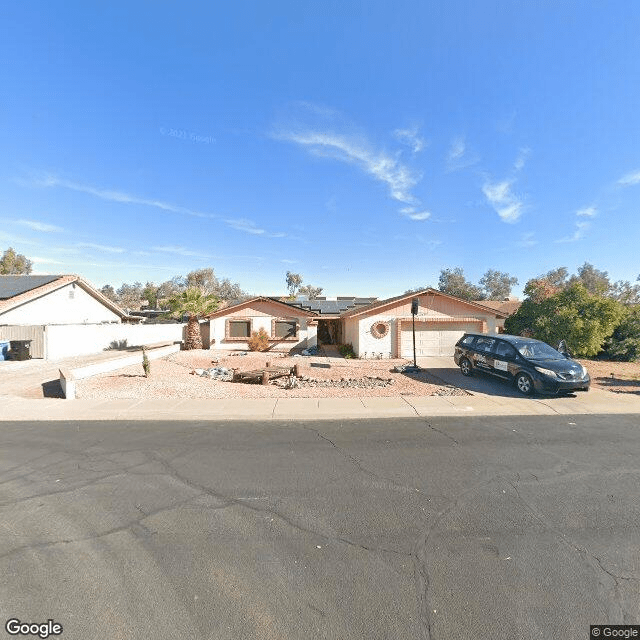
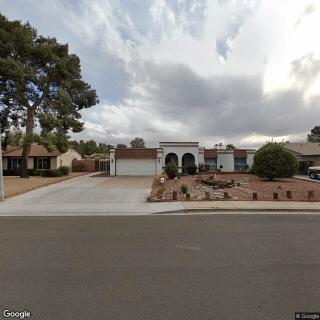
7623 South Kenwood Lane, Tempe, AZ 85284
For more information about senior living options: (866) 208-4318
B & H Adult Care Home Costs & Pricing
B & H Adult Care Home offers a remarkably competitive monthly rate of $500 for private rooms, significantly lower than the average costs in both Maricopa County and across Arizona. In comparison, the typical monthly expense for a private room in Maricopa County is approximately $3,318, while the statewide average reaches about $3,345. This stark difference highlights B & H Adult Care Home's commitment to affordability, providing essential care services without compromising on quality. Such pricing makes it an appealing option for families seeking reliable adult care solutions within their budgetary constraints.
| Floor plans | B & H Adult Care Home | Maricopa County | Arizona |
|---|---|---|---|
| Private | $500 | $3,318 | $3,345 |
Assisted Living communities with a similar price nearby
-
from +$50 / mo

South Mountain Assisted Living
$550 to $5,000 / month8.1 miles away -
About the same
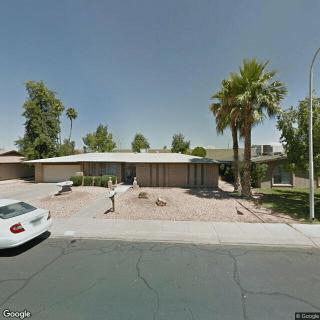
B And H Adult Care Home
$500 / month2.5 miles away
Overall Review of B & H Adult Care Home
Pros
 Elegant Care is a well-run, clean home.
- Rosemary and the staff are genuinely amazing, delivering care, positivity, and hospitality.
- The residents are safe, very happy, and well cared for, with daily monitoring and excellent meals.
- The staff organize residents' clothing and personal items and ensure comfort at all times.
- Rosemary and Sharon treat residents like family, with special touches such as coordinating matching jewelry.
- The facility provides 24-hour qualified staffing and a warm, family-style dining setting.
- Residents can have their own rooms and belongings, with clothing and bedding kept spotless.
- Families would highly recommend Elegant Care for loved ones needing assisted care.
Review
This Tempe home is best suited for families seeking a small, home-like assisted living environment where residents are treated with genuine warmth, dignity, and individualized attention. It shines for memory-care needs and for residents who require around-the-clock supervision without the feel of a clinical institution. The caregivers, most notably Rosemary and Sharon, form relationships that feel personal and enduring, not transactional. For loved ones who benefit from a familiar routine, personal touches, and staff who know their preferences, this setting delivers stability, safety, and daily reassurance. It is especially comfortable for dementia progression, stroke recovery, and cases where family access and involvement are central to the care plan.
Those who may want to consider alternatives are individuals seeking a larger campus with formalized rehab programs, expansive activity schedules, or more extensive medical resourcing. If a resident requires intensive nursing services, hospital-grade equipment on-site, or highly structured programming, a bigger, more clinical community may be a better fit. Families prioritizing a broader social calendar, diverse enrichment activities, or advanced therapies should evaluate options with more extensive therapy teams and amenities. Likewise, if independence is the overarching goal and the resident needs minimal supervision, this intimate home-like setting could feel limiting.
The strongest pros center on consistent, compassionate caregiving and a calm, well-managed environment. Staff availability around the clock is a clear asset, paired with daily medication monitoring and careful attention to nutrition and balanced meals. The atmosphere is safe and clean, with a focus on making residents feel comfortable and valued. Personal items and wardrobes are handled with care, one review highlights the thoughtful touch of coordinating outfits and jewelry, demonstrating a commitment to preserving dignity and identity. Family-style meals and a friendly, positive mood further reinforce the sense that this is a place where everyday life remains meaningful.
These advantages offset most potential downsides by aligning care with a family-oriented philosophy. The intimate setting naturally limits sprawling programming, but the deep level of day-to-day attention from dedicated caregivers compensates for that by reducing confusion and anxiety for residents. The reviews consistently describe a home where staff know residents well, monitor health closely, and respond with kindness and competence. In end-of-life or advanced dementia scenarios, this approach often yields less distress for residents and clearer peace of mind for families, who repeatedly voice gratitude for the team’s humane, hands-on care.
For families evaluating this community, practical steps are crucial. During visits, observe how staff interact with residents, are conversations patient, respectful, and individualized? Inquire about daily routines, meals, and medication processes to confirm what “care around the clock” looks like in practice. Ask about memory-care training, safety features, and how personal belongings are managed over time. Speak with Rosemary and Sharon about how transitions are handled, how residents’ preferences are documented, and how family members participate in care planning. Understand pricing, privacy, and what constitutes medical versus custodial support to ensure expectations align with reality.
In summary, this Tempe home stands out for families seeking a devoted, family-like setting where dementia and post-stroke residents thrive on individualized attention, consistent staffing, and a warm, supportive daily rhythm. It is a particularly strong match for those who value close-knit caregiver relationships, personal dignity, and a positive, nurturing atmosphere over large-scale amenities. Families needing more clinical resources, a broader activity slate, or institutional programming should consider other options. For the right resident, the care provided here translates into steady comfort, trusted hands, and a home that feels like belonging rather than care alone.
 5 resident community capacity
 Assisted Living
 Board and Care Home
 Respite Care
 Cable or satellite TV
 Dining room
 Fully furnished
 Garden
 Housekeeping services
 Move-in coordination
 Outdoor space
 Private
 Telephone
 Wi-Fi/high-speed internet available
 Phoenix Sky Harbor International (9 miles away)
 24-hour supervision
 Activities of daily living assistance
 Assistance with bathing
 Assistance with dressing
 Assistance with transfers
 Diabetes diet
 Diabetic care
 High acuity care
 Meal preparation and service
 Medication management
 Special dietary restrictions
 Transportation arrangement (medical)
 Transportation to doctors appointments



 Understanding Medicaid Coverage for Assisted Living: A Comprehensive Guide
 How and When Medicaid May Cover Assisted Living Costs
 A Detailed Exploration of Assisted Living Medicaid Waivers Across the United States