
8650 South Los Feliz Drive, Tempe, AZ 85284
For more information about senior living options: (866) 208-4318
Overall Review of Adult Transitions
Pros
 The Delta Center's staff and owners are wonderful, providing opportunities to grow in social, academic, and daily life skills in a positive, professional, and loving environment.
- The family is grateful for the Delta Center program.
- Adult Transitions is very nice and clean.
- The staff is very nice.
- They serve food.
Cons
 The Glendale program was decent until a staff change occurred in late 2016.
Review
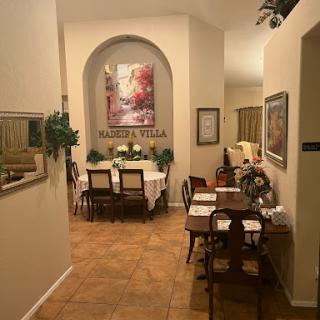
Adult Transitions in Tempe is best suited for families seeking a structured, skill-building environment for an adult with developmental or cognitive challenges who benefits from daily routines, social opportunities, and coaching on life skills. The community emphasizes a clean, welcoming setting with private rooms and meals, and staff who demonstrate warmth, professionalism, and reliability. The Delta Center model, long established in the East Valley, illustrates what consistently strong day programming looks like: opportunities to grow socially, academically, and in daily living skills within a supportive, respectful framework.
However, there are reasons to consider alternatives. For residents with substantial medical or nursing needs, the lack of visible clinical oversight can be a deal-breaker; this program appears centered on skill-building and daily-life support rather than 24/7 medical supervision. Past references to staff turnover at a Glendale site in 2016 flag a potential risk: leadership changes can ripple through consistency of programming. Families should probe current staffing stability, training standards, and how changes are communicated to families, since the Tempe site’s success hinges on steady, engaged direct-care teams.
On the upside, the strongest pros are tangible and meaningful: a clean, comfortable environment; a private room option; dependable meals; and a staff that is described as friendly and caring. Those elements translate into predictable routines, reduced anxiety for participants, and easier family coordination. The program’s long tenure in the network, with seven years of documented ongoing participation, suggests a proven framework for achieving social and daily-living growth when leadership remains consistent. Yet the 3-star overall rating and a single 1-star review imply that experiences can diverge, underscoring the importance of due diligence and site visits to verify fit.
Families evaluating this option should prepare targeted questions for tours and intake conversations. Ask about the Tempe site’s staffing ratios and shift coverage, what happens when staff changes occur, and how participants’ goals are individualized and updated. Inquire about the specifics of private rooms, meals, daily schedules, and opportunities for meaningful engagement beyond basic routines. Request examples of progress notes, family communications, transportation arrangements, and the availability of varied activities that align with personal interests and goals.
Alternatives should be considered when the care needs outpace what this program provides. If 24/7 clinical supervision, medication management, or specialized memory care is essential, look to traditional assisted living with on-site nursing or memory-care communities with established medical protocols. If geographic convenience or stronger continuity of care across a broader network matters, compare Tempe options with other Valley sites that have demonstrated stable leadership. For some families, combining an adult-transition program with home health services or choosing a more independent living pathway with scheduled supports could offer better alignment with goals and budget.
Bottom line: Adult Transitions in Tempe delivers a practical, supportive platform for adults who benefit from structured routines, social engagement, and everyday-life coaching in a clean, welcoming setting. It is a solid choice for families prioritizing skill development, personal autonomy, and consistent staff support, especially when a private room and meals are valued. The main caveat centers on staffing stability and the potential variance across sites; that reality makes due diligence essential. When the fit is right, and expectations are aligned with the available supervision and program scope, this community can serve as a meaningful bridge toward greater independence.
 10 resident community capacity
 Assisted Living
 Board and Care Home
 Respite Care
 Cable or satellite TV
 Dining room
 Fully furnished
 Garden
 Housekeeping services
 Move-in coordination
 Outdoor space
 Telephone
 Wi-Fi/high-speed internet available
 Phoenix Sky Harbor International (9 miles away)
 24-hour supervision
 Activities of daily living assistance
 Assistance with bathing
 Assistance with dressing
 Assistance with transfers
 Diabetes diet
 Meal preparation and service
 Medication management
 Special dietary restrictions
 Transportation arrangement (medical)
 Transportation to doctors appointments







 Vibrant Senior Living: A Comprehensive Guide for Active Older Adults
 When to Transition from Assisted Living to Memory Care: Key Indicators, Steps, and Finding the Right Community
 Assisted Living and Memory Care: Understanding Their Core Differences