
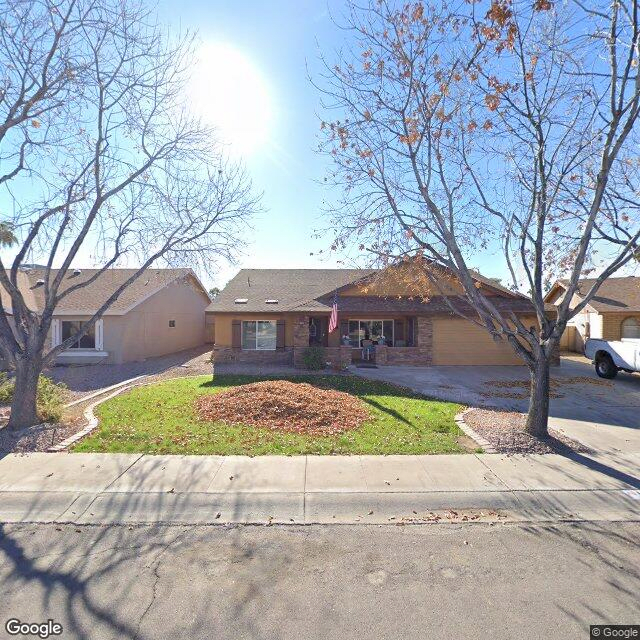
1631 E Carmen St, Tempe, AZ 85283
To contact a resident: (480) 695-5943
For more information about senior living options: (866) 208-4318
Asela's Care Home - Carmen Costs & Pricing
Asela's Care Home - Carmen offers competitive pricing for its services, particularly when compared to both Maricopa County and the broader Arizona state averages. The monthly cost for a semi-private room at Asela's is $1,700, significantly lower than the county average of $2,801 and the state average of $2,820. Similarly, residents seeking a private room will find Asela's rate of $2,000 to be more affordable than the county's average of $3,318 and the state average of $3,345. These cost differences highlight Asela's commitment to providing quality care while ensuring affordability for families in need of assisted living options.
| Floor plans | Asela's Care Home - Carmen | Maricopa County | Arizona |
|---|---|---|---|
| Semi-Private | $1,700 | $2,801 | $2,820 |
| Private | $2,000 | $3,318 | $3,345 |
Senior living communities with a similar price nearby
-
from +$245 / mo

Home Instead - Fountain Hills, AZ
$1,945 to $3,525 / month20.2 miles away -
from +$161 / mo

Endeavor Senior In-Home - Mesa
$1,861 / month7.7 miles away -
from +$300 / mo
Garcia's Assisted Living Home LLC
$2,000 / month7.0 miles away -
from +$300 / mo
Santo Nino Villas 2
$2,000 to $2,300 / month7.9 miles away -
from +$300 / mo
Martha Bonilla Care Loving Home
$2,000 to $2,200 / month3.9 miles away
Overall Review of Asela's Care Home - Carmen
Pros
 The home is well-run and clean.
 - Rosemary and her staff worked with residents and kept them happy.
- The staff are genuinely beyond amazing, providing care, positivity, and hospitality.
- It was the absolute best place for her during that time.
- They washed and organized clothing and personal items and kept residents comfortable.
- Elegant Care has been a blessing to families.
- Medication is monitored daily and meals are well balanced and nutritious.
- The residents are safe and very happy.
- A qualified staff member is present 24 hours a day.
- Rosemary and Sharon care for residents as they would their own family members.
Review
This community is best suited for families seeking an intimate, home-like assisted living option where residents are treated as family and memory-care needs are addressed with steady, compassionate hands. In Tempe, the facility is consistently described in reviews as Elegant Care, with the front-door accessibility and a stable caregiving team at its core. Residents typically have private rooms and keepsakes from home, making it easy for loved ones to stay connected. The overarching impression across accounts is practical, steady care that prioritizes dignity, daily comfort, and a reassuring sense of routine rather than clinical formality. This is a setting where warmth and consistency are the primary currencies of care.
Explicitly, those considering alternatives should note that this setting may not be ideal for families pursuing hospital-grade clinical oversight or large-scale, highly specialized medical programming. The reviews celebrate a high-touch, family-style approach rather than a campus with extensive on-site medical services. For loved ones requiring frequent, advanced medical interventions, complex wound care, or aggressive clinical management, exploring facilities with bigger medical teams or affiliated hospital resources would be prudent. If independence with a strong social and emotional environment is less important than clinical intensity, alternatives deserve serious consideration.
The strongest pros here, the 24/7 caregiver presence, daily medication monitoring, nutritious meals, and a safe, happy atmosphere, offer a compelling counterweight to the absence of hospital-level resources. Caregivers are described as professional and loving, willing to treat residents as family, which translates into consistent routines, timely med checks, and personalized attention. The home-like setting, where residents can maintain their own rooms and belongings, reinforces dignity and autonomy. Small, thoughtful touches, such as arranging clothing and even coordinating matching jewelry, demonstrate a level of individualized care that gives families deep reassurance about daily quality of life.
Memory care and dignity are where the reviews converge most strongly. The staff’s approach to memory impairment and mobility challenges centers on patience, positivity, and purposeful engagement, ensuring residents feel seen and valued. For stroke survivors or nonverbal residents, the meticulous attention to daily health monitoring and nutrition helps preserve comfort and function within a familiar, low-stress environment. The ability to keep personal items, the presence of familiar routines, and the option to visit easily all contribute to emotional stability for residents and peace of mind for families during difficult transitions.
The absence of explicit drawbacks in the reviews points to a largely favorable picture, but the inherent trade-off is scale. The intimate, home-focused model may limit the breadth of clinical programming and the volume of social or activity options compared with larger communities. Prospective families should verify the scope of on-site medical oversight, confirm whether additional clinical support is readily accessible when needed, and assess whether the pace and style of activities align with the resident’s interests as dementia progresses. Inquiries about staff-to-resident ratios and how emergencies are managed will illuminate how the care model scales in practice.
Bottom-line, this is a standout option for families prioritizing warmth, dignity, and hands-on, caregiver-driven care. It excels for memory-care needs and post-acute transitions where a home atmosphere and staff who treat residents like family make a meaningful difference in daily life. Those seeking more intensive clinical services, hospital-level infrastructure, or a broader activity slate should compare alternatives to ensure the chosen setting truly matches the medical and social demands of the loved one. A first-hand visit is essential: observe caregiver interactions, speak with Rosemary and Sharon, and confirm that daily rhythms and care plans align with the resident’s values and needs. When alignment exists, this community offers a practical, compassionate path that preserves autonomy and dignity.
 Board and Care Home
 Private
 Phoenix Sky Harbor International (7 miles away)
 Diabetic care




 Home Health Care Aides: Understanding Their Role and Supporting Your Family
 Urinary Tract Infections in Older Adults: Comprehensive Insights on Symptoms, Treatment, and Prevention
 California's Form 602A: An In-Depth Examination of Senior Care Assessment