
14364 West Desert Hills Drive, Surprise, AZ 85379
For more information about senior living options: (866) 208-4318
Overall Review of Assisted Living Of Surprise
Pros
 Legacy was amazing through dementia, mobility issues, and end-of-life care.
- The staff, care, and communication at Legacy were wonderful.
- The family felt she was in good hands and gained peace of mind.
- Legacy staff became like family and treated her with the same care.
- Legacy is highly recommended for a secure, kind, qualified, and family environment.
- Legacy Assisted Living is a superb place for parents and loved ones, offering a cozy home with private bedrooms and immediate attention.
- The food at Legacy is fantastic and home-cooked.
- Legacy is a well-run, caring, and secure environment for loved ones.
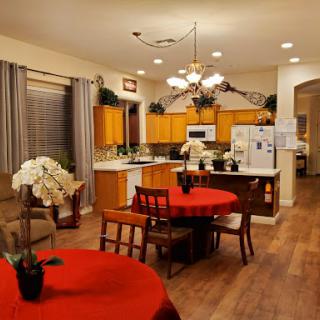
- Assisted Living of Surprise is a nice, organized facility with on-site cooking and a clean, neatly kept environment.
- The staff at Surprise are friendly and residents appear pleased, and the facility is wheelchair-friendly.
Cons
 The reviewer notes that at Assisted Living of Surprise the food is not as good as promised and some meals are not homemade, being boxed or just cereal for breakfast.
- They observed no activities and that all the residents were in their rooms.
- They state they did not meet or see any other residents during the tour.
- For their dad at Assisted Living of Surprise, the meals were not as good as promised and sometimes not homemade, with no activities evident.
Review
Assisted Living Of Surprise is best suited for seniors who want a small, home-like setting where staff availability is constant and care feels personal rather than procedural. It serves well those who value genuine relationships between residents and caregivers and families seeking peace of mind from a environment that treats daily care as a family responsibility. The community shines for residents who are comfortable sharing a room in a warm, intimate setting and who benefit from a well‑supervised, approachable management team. Those entering with advanced needs in memory care or end‑of‑life support will find a supportive framework here, because the staff demonstrates sustained commitment through challenging phases. However, privacy and activity expectations can vary, and those who require private rooms or a consistently robust daily activity calendar should consider alternatives.
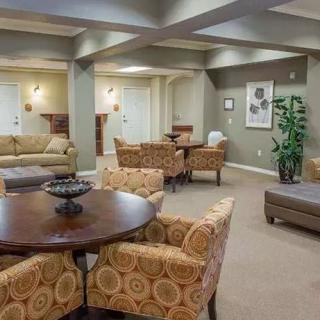
Key strengths emerge in the level of care and the relational culture. Families repeatedly describe staff as more like extended family, with around‑the‑clock attention and consistent communication from managers. This translates into reliable response times, a sense of security, and ongoing notice of changes in health or mood. The environment is described as cozy and home‑like, with residents having personal bedrooms in many cases, and a structure that helps avoid the impersonal feeling of a larger campus. Celebrations and daily warmth are common, birthdays and holidays are highlighted, and meals are shared in a manner that reinforces belonging. Cleanliness, organization, and wheelchair accessibility further reinforce the practical value of this option for everyday living.
On the flip side, several reviews flag potential drawbacks that deserve attention. Not all residents have private rooms, and two‑person arrangements may be a constraint for couples or aging‑in‑place plans that require quiet space. Dining quality appears variable based on experience; while some praise home‑cooked meals, others report meals that arrive pre‑prepared or occasionally boxed for breakfast. Activity programming can be uneven; tours may show a calm environment with residents not actively engaged at a given moment, which may concern families seeking a consistently robust activity calendar. While safety and cleanliness are evident strengths, these inconsistencies can affect overall satisfaction for residents who crave more structured daily routines.
Yet the strongest positives offset these concerns for many families. The near‑immediate access to care and the sense of community often translate into fewer worries about neglect or delays in assistance. The intimate size fosters real relationships, quick communication, and a level of oversight that can rival larger facilities. When care needs escalate, the same staff routinely demonstrate adaptability, which is crucial during dementia progression or end‑of‑life moments. In this context, the home‑like atmosphere, available personal bedrooms, and communal celebrations can offset occasional dining hiccups or fewer daily activities, especially for families prioritizing stability and a warm caregiving culture over campus‑scale amenities.
Prospective residents should verify a few specifics before deciding. Request a current sample menu and ask about the degree of on‑site cooking; confirm whether private rooms are available and at what rate; explore the cadence and variety of activities, outings, and spiritual or social programs; and request references from families currently navigating dementia or end‑of‑life care with the facility. Speak with caregivers about training in memory care and tour at different times to gauge consistency of engagement. The reported success in dementia and end‑of‑life care suggests those needs can be met, but consistency across days and staff matters for ongoing satisfaction.
Bottom line: Assisted Living Of Surprise is best for families seeking a warm, hands‑on, caregiver‑driven environment where residents are known by name and cared for with a true family ethos. It is well‑suited for older adults who are comfortable sharing space and who prize dependable staff communication, meaningful celebrations, and on‑site, home‑style meals. Those who require private rooms or a highly active daily schedule, or who demand a consistently high‑end dining experience across every meal, may want to consider alternatives. For many, the trade‑off is favorable: a secure, nurturing setting where care is personal, and peace of mind for loved ones is the true long‑term return.
 10 resident community capacity
 Assisted Living
 Board and Care Home
 Cable or satellite TV
 Dining room
 Fully furnished
 Garden
 Housekeeping services
 Move-in coordination
 Outdoor space
 Telephone
 Wi-Fi/high-speed internet available
 Phoenix Sky Harbor International (24 miles away)
 24-hour supervision
 Activities of daily living assistance
 Assistance with bathing
 Assistance with dressing
 Assistance with transfers
 Diabetes diet
 Meal preparation and service
 Medication management
 Special dietary restrictions
 Transportation arrangement (medical)
 Transportation to doctors appointments


 Beyond the Bingo Hall: 50+ Enriching Activities for Seniors in Assisted Living
 Understanding the Distinctions: Assisted Living and Memory Care Explained
 Guiding Elderly Parents Who Refuse Assisted Living: 6 Practical Steps