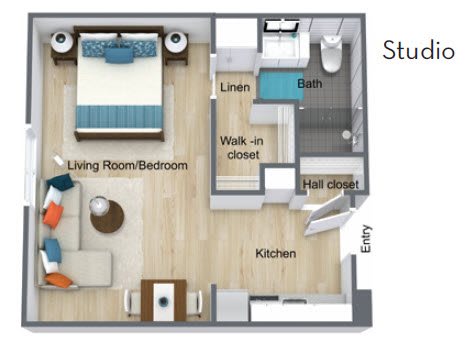
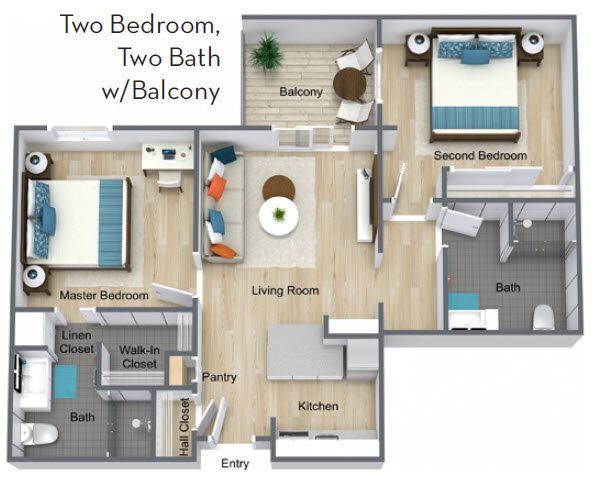
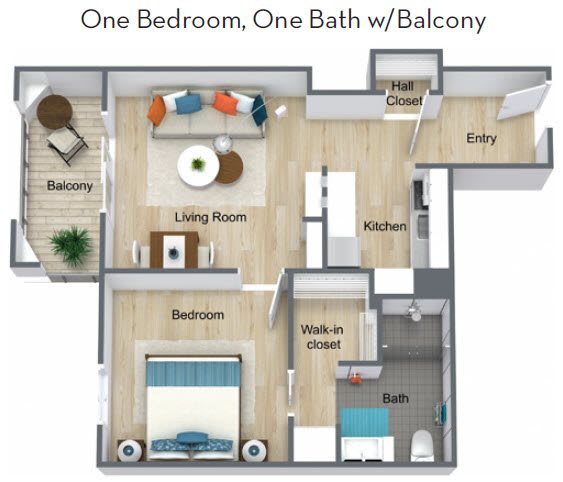
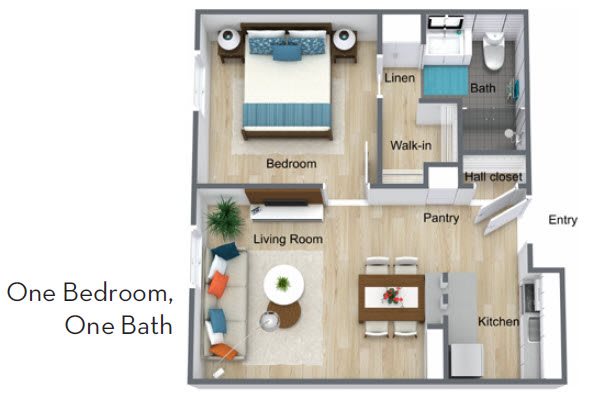
The Woodmark At Sun City presents a competitive pricing structure for its various room types when compared to both Maricopa County and the broader Arizona state averages. For instance, the cost of a studio apartment at The Woodmark is $2,900, which stands in contrast to the higher average of $3,960 in Maricopa County and $3,829 statewide. Similarly, a one-bedroom unit is priced at $3,275, remaining lower than the county's average of $3,473 and Arizona's average of $3,532. However, residents seeking two-bedroom accommodations will find The Woodmark's rate of $3,895 slightly less favorable than Maricopa County's average of $4,112 and very close to the state average. Interestingly, while semi-private options at The Woodmark are available for $4,475 - higher than both Maricopa County ($2,801) and Arizona state averages ($2,820) - this reflects the facility's emphasis on quality care and community engagement. Overall, The Woodmark At Sun City delivers an attractive value proposition within its market segment.
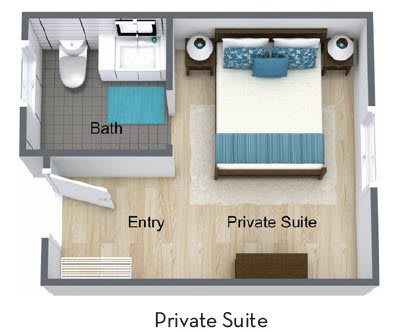
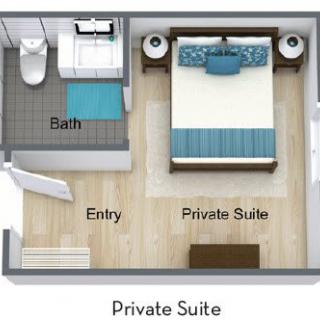
Floor plans
The Woodmark At Sun City
Maricopa County
Arizona
Studio
$2,900
$3,960
$3,829
1 Bedroom
$3,275
$3,473
$3,532
2 Bedrooms
$3,895
$4,112
$4,106
Semi-Private
$4,475
$2,801
$2,820
Memory care communities with a similar price nearby
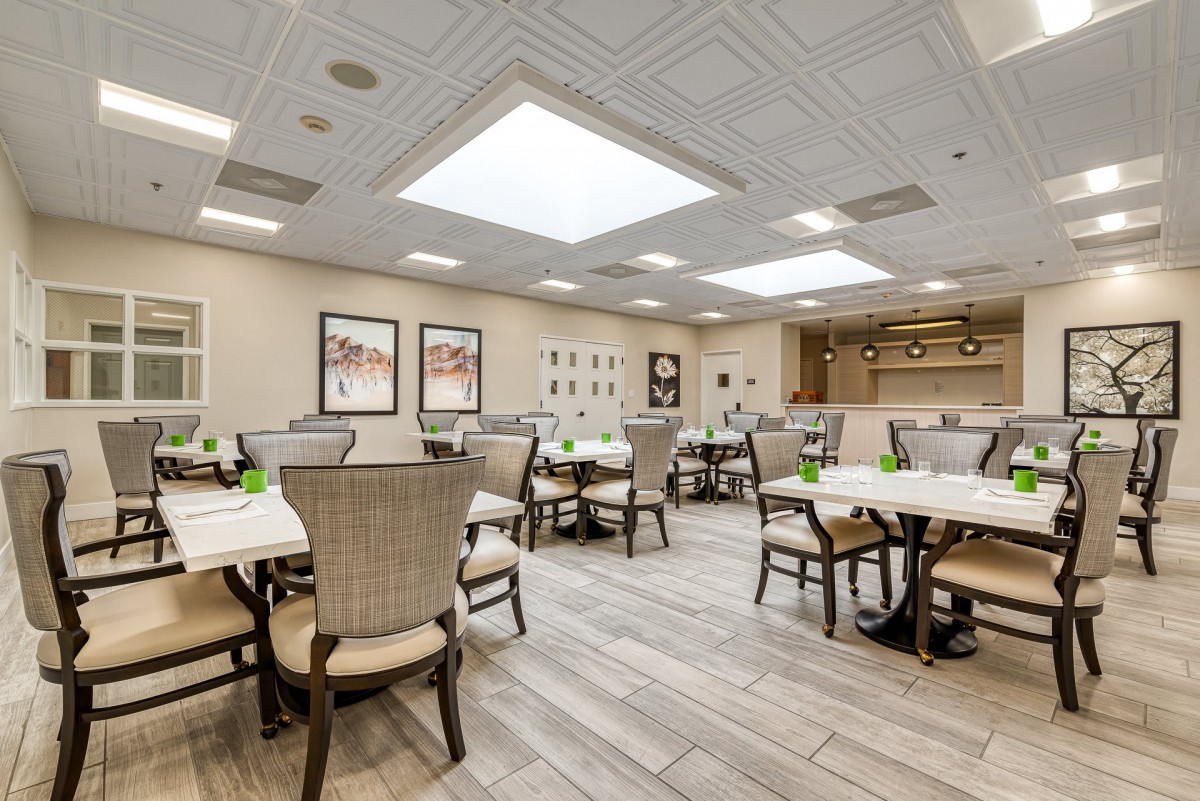
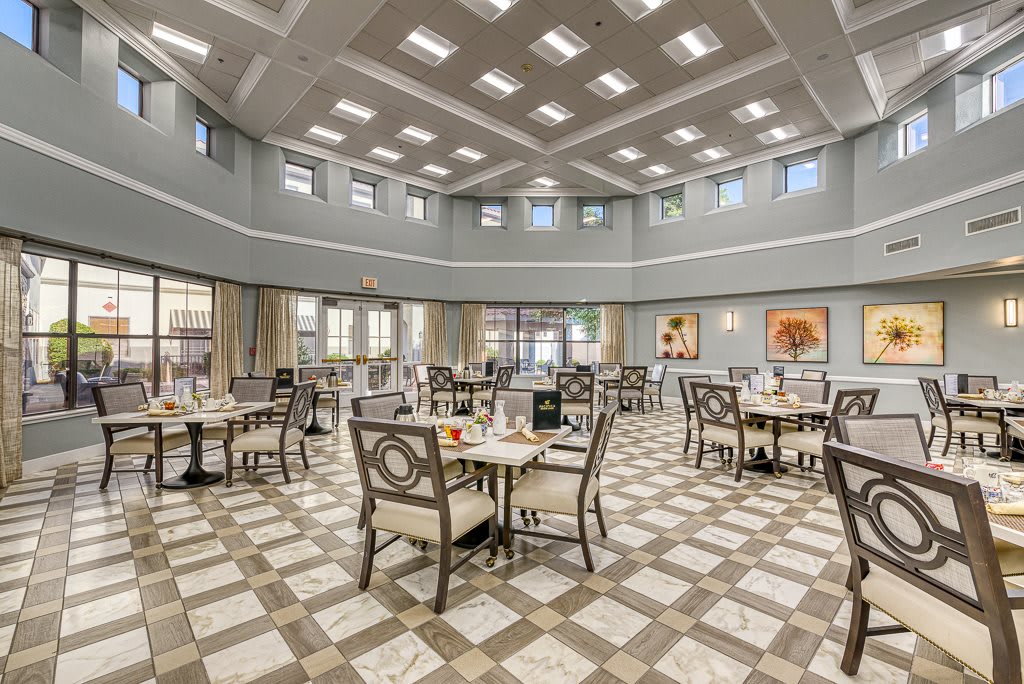
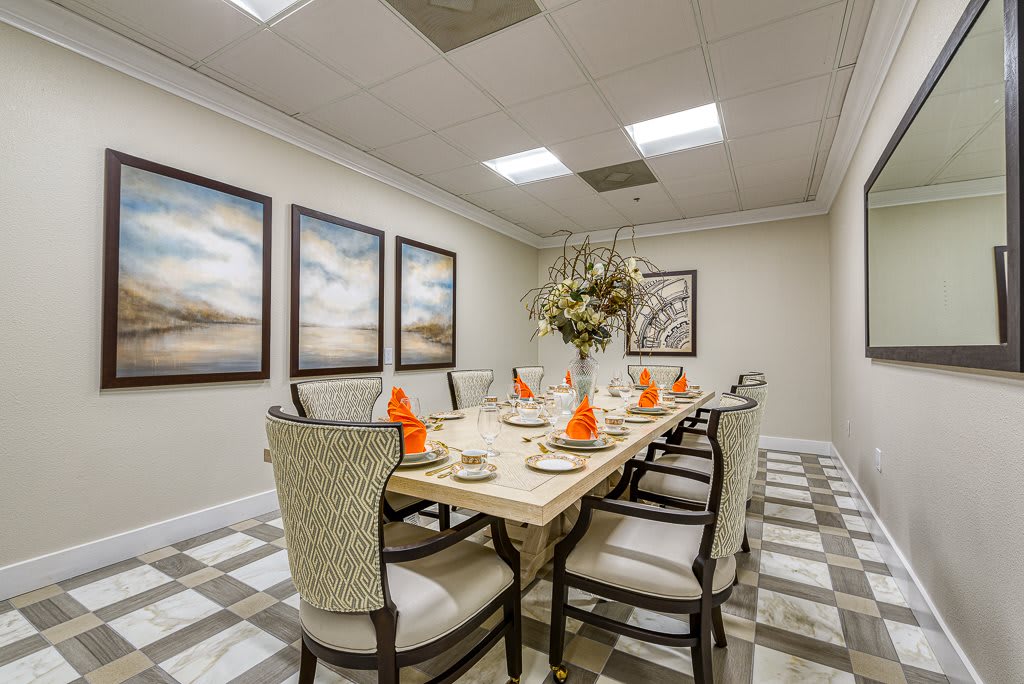
Residents describe dining as more than standard facility meals.
A lot of residents and families mention the food positively, describing it as good, great, or home-cooked, and some specifically call out a restaurant-style dining experience. Others mention less enthusiasm for the food, describing mediocre or bland meals, and one notes meals being delivered to rooms during COVID-related periods. The community also offers multiple special-diet options and room service, which aligns with residents who describe their meals being tailored to needs.
common24 reviews mention this
Staff kindness is a frequent bright spot
Families often highlight friendly, attentive staff members.
Across the reviews, people repeatedly describe staff as kind, caring, respectful, and responsive, including during tours and after move-in. Some families specifically call out helpful front desk staff and nursing leadership, and a number of residents describe being checked on and supported. A smaller set of reviews take the opposite view, but even those often distinguish individual caregivers or med techs from larger system issues.
caveat10 reviews mention this
Care consistency raises concerns
Several reviews question whether care is consistent when needs arise.
Some residents and families describe serious breakdowns in day-to-day care, including missed call-button responses, concerns about medication handling, and situations where residents were left unattended. Others add that staffing shortages and high turnover can affect how secure they feel about the level of support. At the same time, a meaningful number of families say their loved ones were well cared for, with supportive staff and appropriate follow-through—suggesting experiences may vary by circumstance and care level.
caveat4 reviews mention this
Pricing feels like mixed value
Reviews point to both affordability and recurring cost frustrations.
Many comments focus on cleanliness, care, and activities without centering costs, but a few reviews raise concerns about price changes, add-ons, and whether the care plan matches what’s actually needed. One reviewer mentions late fees, while another says pricing increases felt faster than expected. On the other hand, the price ranges shown for multiple unit types are generally below both county and state benchmarks, which may explain why some families feel it is reasonable compared with other communities.
common13 reviews mention this
Activities and social time matter
Residents often point to lots of ways to stay engaged.
Families and visitors frequently mention activities like bingo, happy hour, craft or music options, day trips, and other scheduled community events. Several reviews also describe residents socializing and looking engaged, and one notes the importance of getting integrated so new residents participate rather than staying reclusive. The community offers a wide range of activities and off-site and on-site options, including scheduled daily activities and day trips.
differentiator7 reviews mention this
Memory care teams emphasize extra attention
Memory care reviewers describe a more structured, hands-on approach.
Families who mention memory care often describe it as “hands on” and attentive, with staff and nurses stepping in when additional help is needed. Multiple reviews also reference clean, updated memory care spaces and residents doing well in that setting. One reviewer highlights a specific program intended to keep married couples together when memory needs arise, aligning with the community’s separate memory care programming and specialized support for cognitive-related needs.
How we summarize
Counts show how many written reviews mention each theme; a review can touch several themes, and only frequently mentioned themes are displayed.
Features
Housing
132 resident community capacity
Types of Care
Assisted Living
Independent Living
Memory Care
Pets
Cats allowed
Dogs allowed
Amenities
Activities off-site
Activities on-site
Air-conditioning
Beautician on-site
Beauty salon
Cable or satellite TV
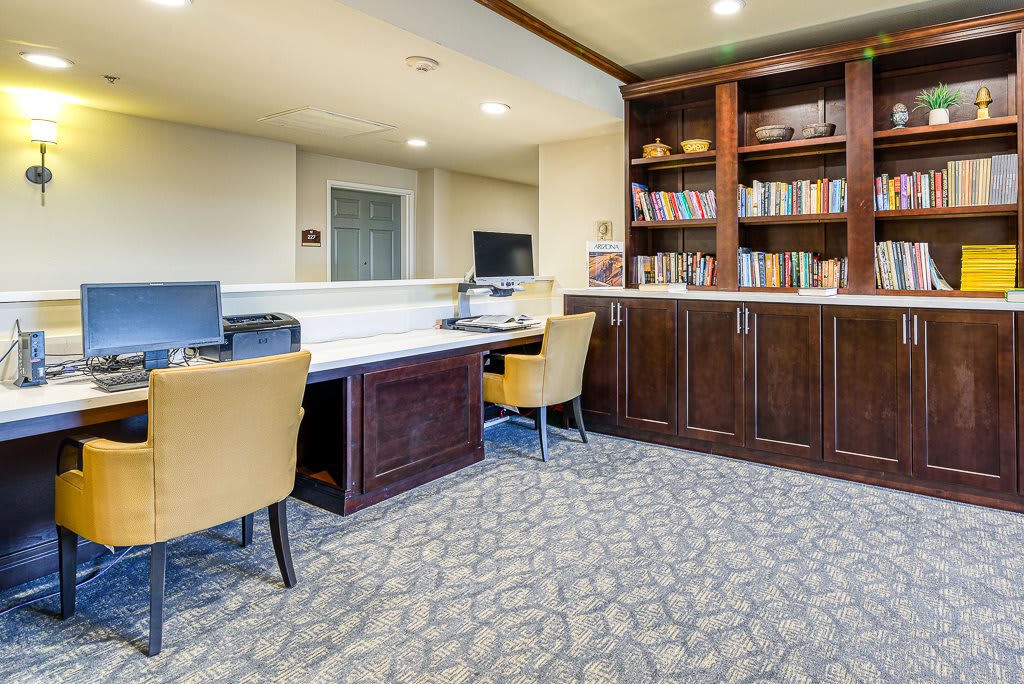
Computer center
Devotional services off-site
Devotional services on-site
Dining room
Fitness room
Fully furnished
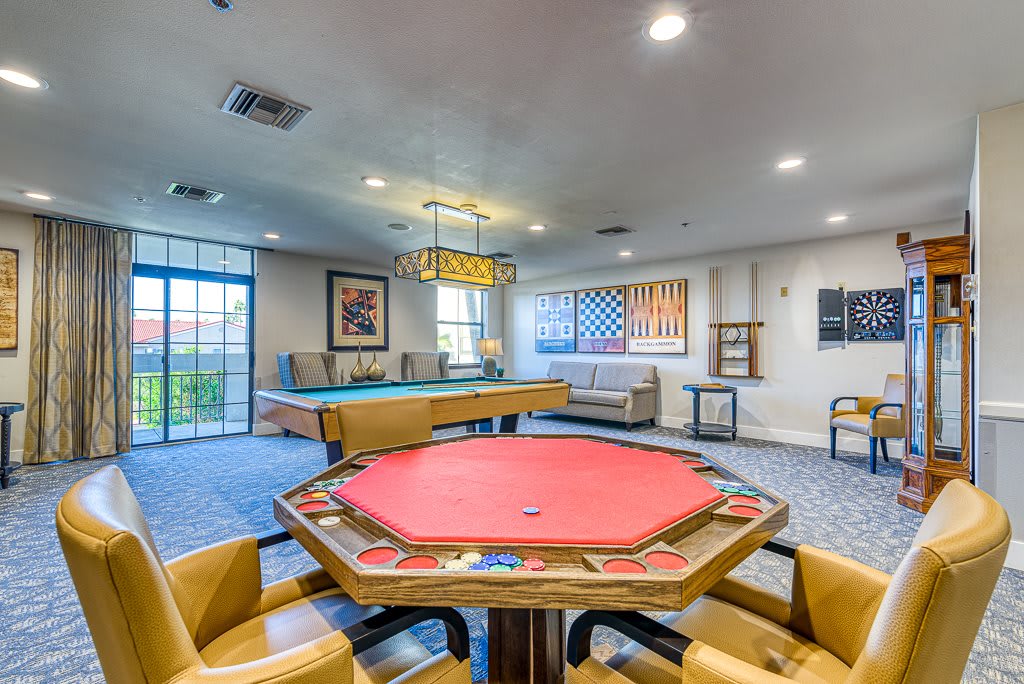
Gaming room
Garden
Ground floor units
Handicap accessible
Housekeeping services
Indoor common areas
Kitchenette
Move-in coordination
Outdoor common areas
Outdoor patio
Outdoor space
Private bathrooms
Respite or short term stays offered
Restaurant-style dining
Small library
Telephone
Wellness center
Wheelchair accessible showers
Wi-Fi/high-speed internet available
Transportation
Phoenix Sky Harbor International (21 miles away)
Community operated transportation
Transportation arrangement
Transportation arrangement (non-medical)
Transportation to doctors appointments
Care Services
12-16 hour nursing
24-hour call system
24-hour supervision
Activities of daily living assistance
Ambulatory care
Assistance with bathing
Assistance with dressing
Assistance with transfers
Coordination with health care providers
Dementia waiver
Diabetes diet
Diabetic care
Hospice waiver
Incontinence care
Meal preparation and service
Medication management
Mental wellness program
Mild cognitive impairment
Special dietary restrictions
Specialized memory care programming
Transportation arrangement (medical)
Transportation to doctors appointments
Dining
Diabetes diet
Guest meals
Low / no sodium
Meals provided
No Sugar
Professional chef
Restaurant style dining
Room service
Special dietary restrictions
Special dining programs
Vegetarian
Activities
Art classes
Bible study group
Catholic services
Community-sponsored activities
Concierge services
Cooking classes
Day trips and outings
Devotional activities offsite
Devotional activities on-site
Educational speakers / life long learning
Fitness programs
Karaoke
Other religious services
Planned day trips
Protestant services
Resident-run activities
Scheduled daily activities
Wine tasting
Nearby Places of Interest
This part of Sun City, Arizona offers a convenient and diverse range of amenities for seniors looking to settle in the area. With a variety of dining options including Thai, Mexican, and American cuisine, as well as popular chain restaurants like Whataburger and Cracker Barrel, residents have plenty of choices for meals out. There are also several nearby pharmacies for easy access to medications and healthcare needs. For medical care, there are multiple physicians specializing in various fields such as vascular health and arthritis treatment. Additionally, entertainment options include movie theaters and cafes serving popular coffee chains like Starbucks. Outdoor enthusiasts can enjoy nearby parks for leisure activities. Places of worship are also within a short distance for those interested in religious services. In case of emergencies, HonorHealth Health Center is located nearby to provide medical assistance if needed. Overall, this part of Sun City provides a well-rounded environment with all the necessary resources for comfortable senior living.
Restaurants
Line Thai Resteraunt (0.4 miles)
Whataburger (1.6 miles)
Ventana Lakes Yacht Club (2 miles)
Cracker Barrel (2.2 miles)
Abuelo's Mexican Restaurant (2.4 miles)
Bubba's 33 (2.4 miles)
The Cheesecake Factory (2.5 miles)
Pharmacies
Walgreens (1.3 miles)
Albertsons Pharmacy (1.5 miles)
CVS Pharmacy (1.6 miles)
Walgreens (1.7 miles)
Walgreens (1.9 miles)
CVS Pharmacy (2.7 miles)
CVS Pharmacy (3.1 miles)
Physicians
Sonoran Vein and Endovascular (1.5 miles)
Associated Retina Consultants (1.8 miles)
Aspire Pedi. Therapy (1.8 miles)
The CORE Institute - Sun City (2.4 miles)
Multi-Specialty Physicians (2.5 miles)
Arizona Arthritis & Rheumatology Associates, PC (2.5 miles)
Academic Urology & Urogynecology Of Arizona (2.6 miles)
Theaters
Arrowhead Fountains 18 (2.4 miles)
AMC Arrowhead 14 (3 miles)
AMC Surprise Pointe 14 (5 miles)
Cafes
Starbucks (2.6 miles)
Starbucks (2.7 miles)
Dutch Bros Coffee (3 miles)
Starbucks (3.2 miles)
Black Rock Coffee Bar (4.7 miles)
Starbucks (4.7 miles)
Panera Bread (5 miles)
Parks
Rio Vista Community Park (2.6 miles)
Fletcher Heights Park (3.7 miles)
Indoor Playgrounds International (3.8 miles)
Places of Worship
The Church At Arrowhead (2.9 miles)
Church of Jesus Christ of Latter Day Saints (5 miles)
The Woodmark At Sun City presents a competitive pricing structure for its various room types when compared to both Maricopa County and the broader Arizona state averages. For instance, the cost of a studio apartment at The Woodmark is $2,900, which stands in contrast to the higher average of $3,960 in Maricopa County and $3,829 statewide. Similarly, a one-bedroom unit is priced at $3,275, remaining lower than the county's average of $3,473 and Arizona's average of $3,532. However, residents seeking two-bedroom accommodations will find The Woodmark's rate of $3,895 slightly less favorable than Maricopa County's average of $4,112 and very close to the state average. Interestingly, while semi-private options at The Woodmark are available for $4,475 - higher than both Maricopa County ($2,801) and Arizona state averages ($2,820) - this reflects the facility's emphasis on quality care and community engagement. Overall, The Woodmark At Sun City delivers an attractive value proposition within its market segment.
The Woodmark At Sun City's comprehensive suite of features is designed to enhance the quality of life for residents with dementia or Alzheimer's disease, addressing their unique needs through a holistic approach. Around-the-clock supervision ensures safety and security, while assistance with daily living activities--such as bathing, dressing, and transfers--promotes independence and dignity. Coordination with healthcare providers allows for personalized care plans that adapt to each resident's changing health status. The inclusion of incontinence care respects the privacy and comfort of residents, while meal preparation and service cater to nutritional needs critical for cognitive health. Medication management helps prevent complications associated with missed doses or incorrect administration, and the mental wellness program supports emotional and cognitive engagement. Specialized memory care programming tailored to various stages of mild cognitive impairment enhances stimulation, reducing anxiety and fostering a familiar environment. Finally, transportation arrangements for medical appointments ensure continuity of care without additional stress on residents or families.
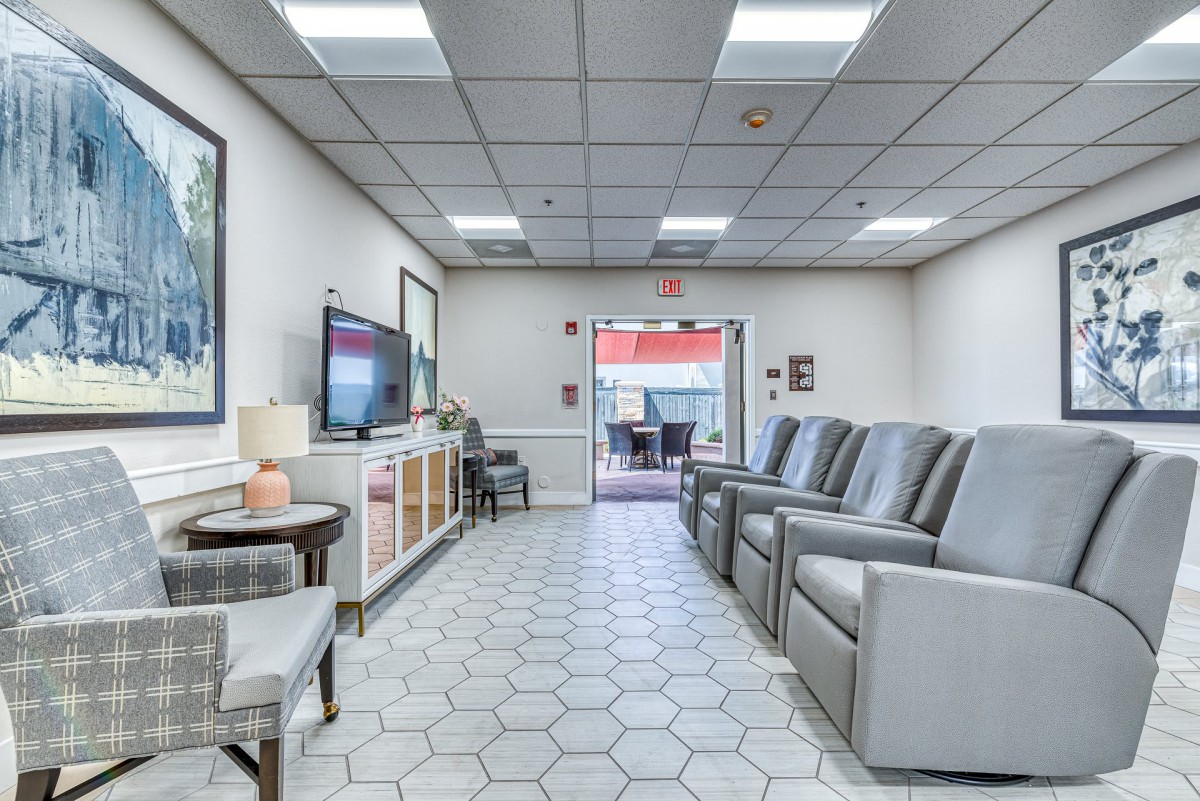
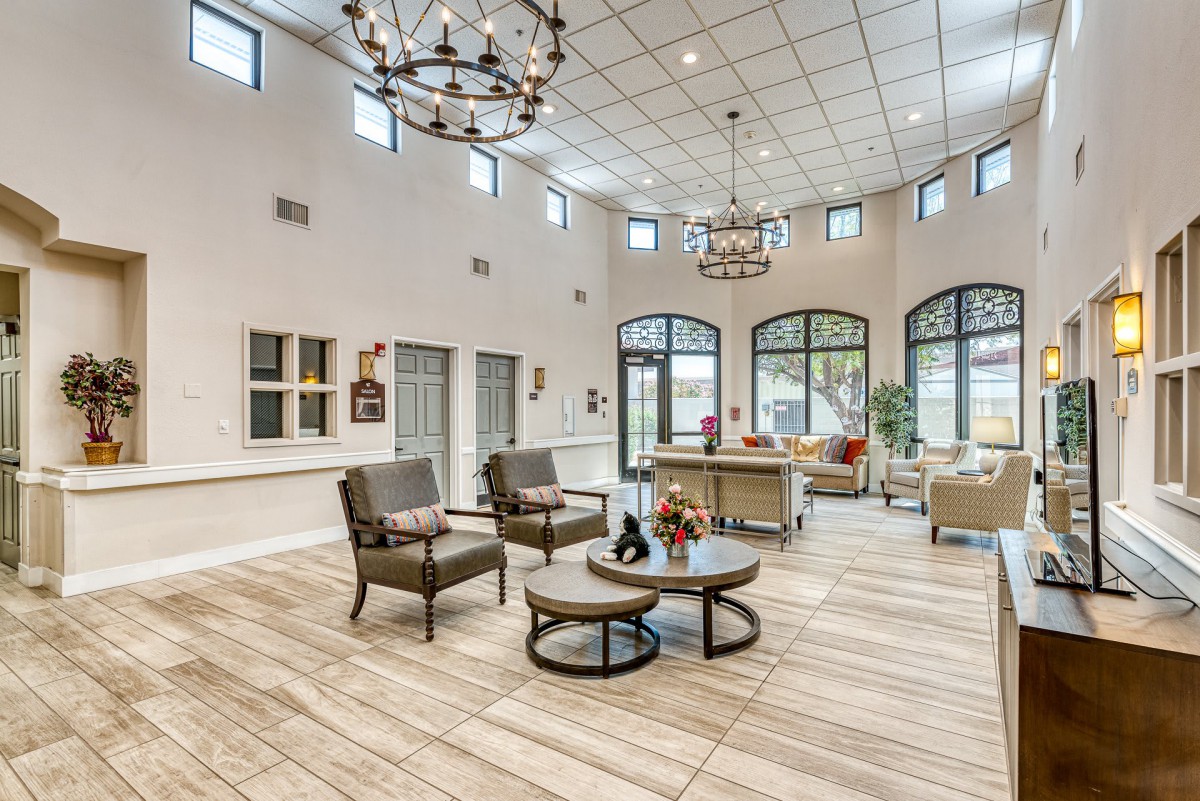
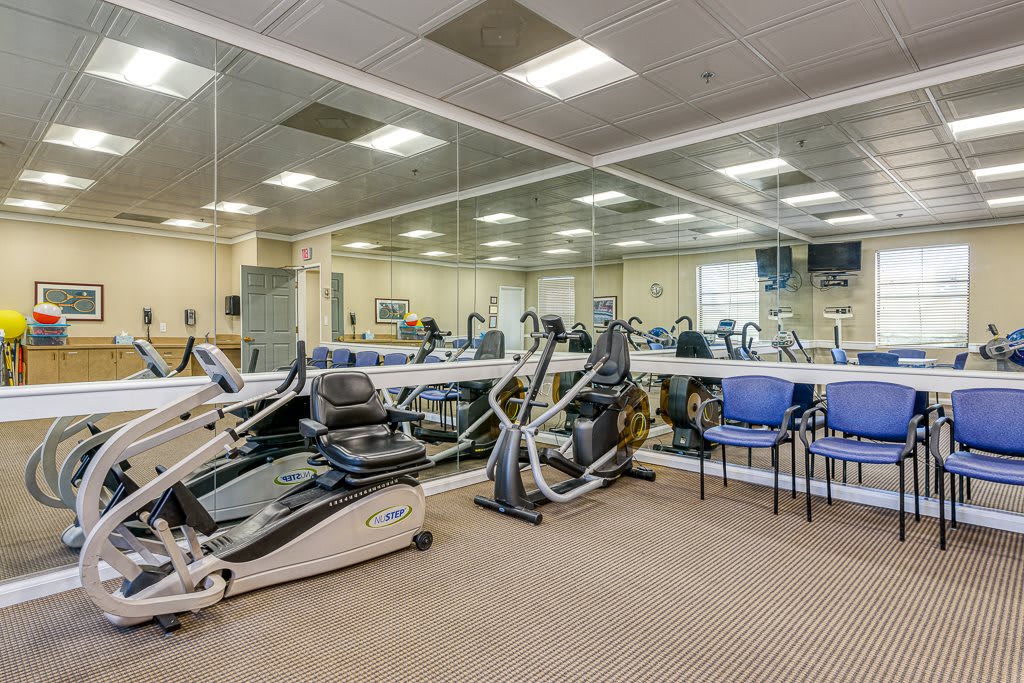
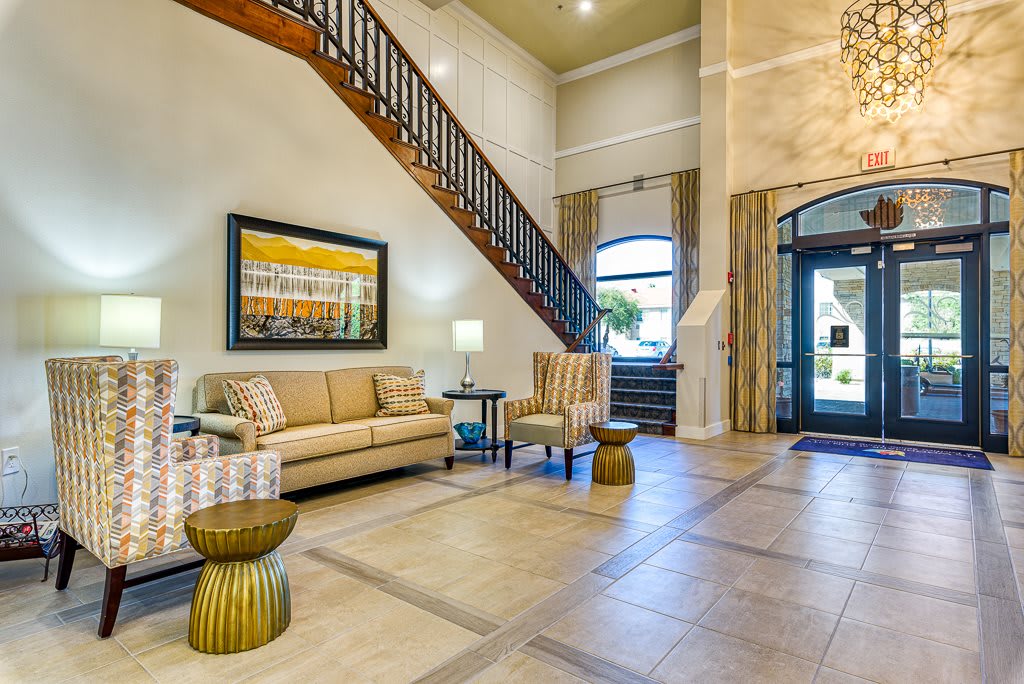
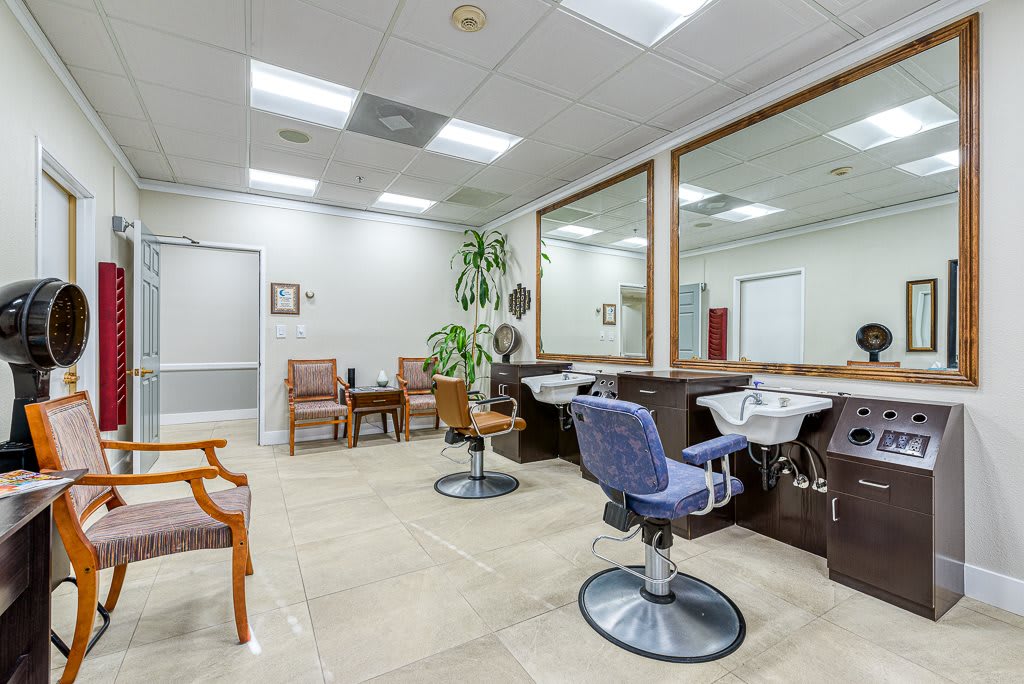
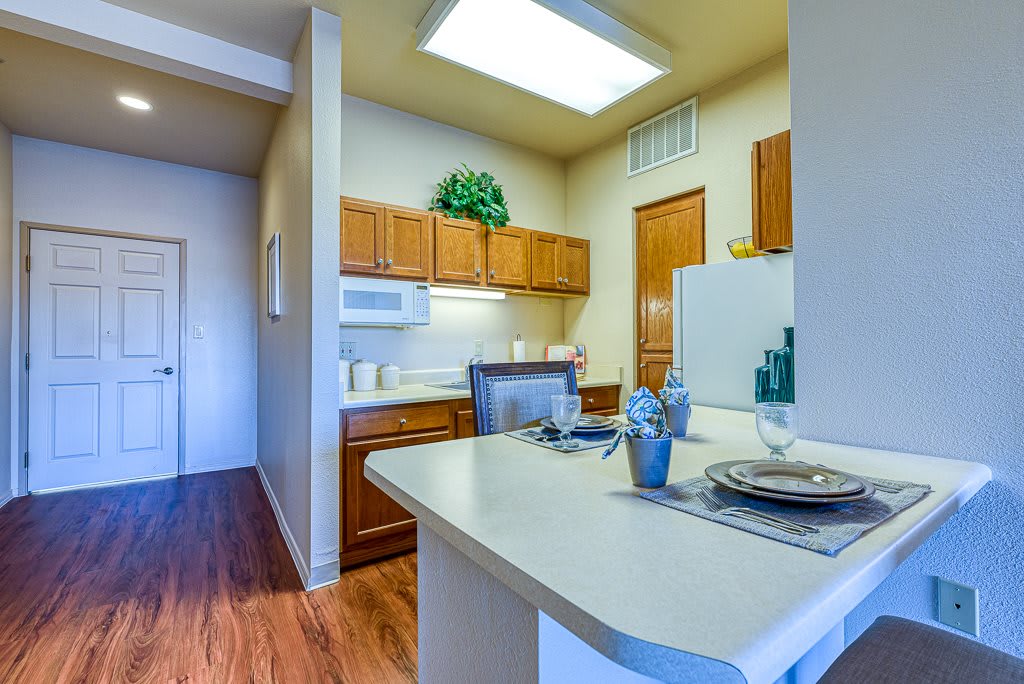
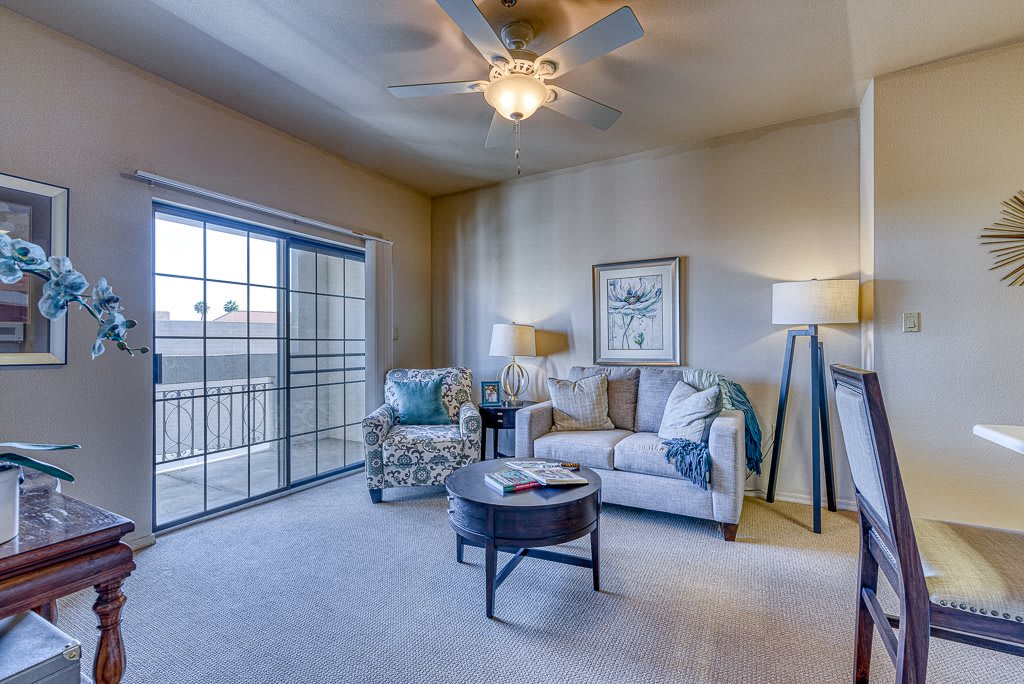
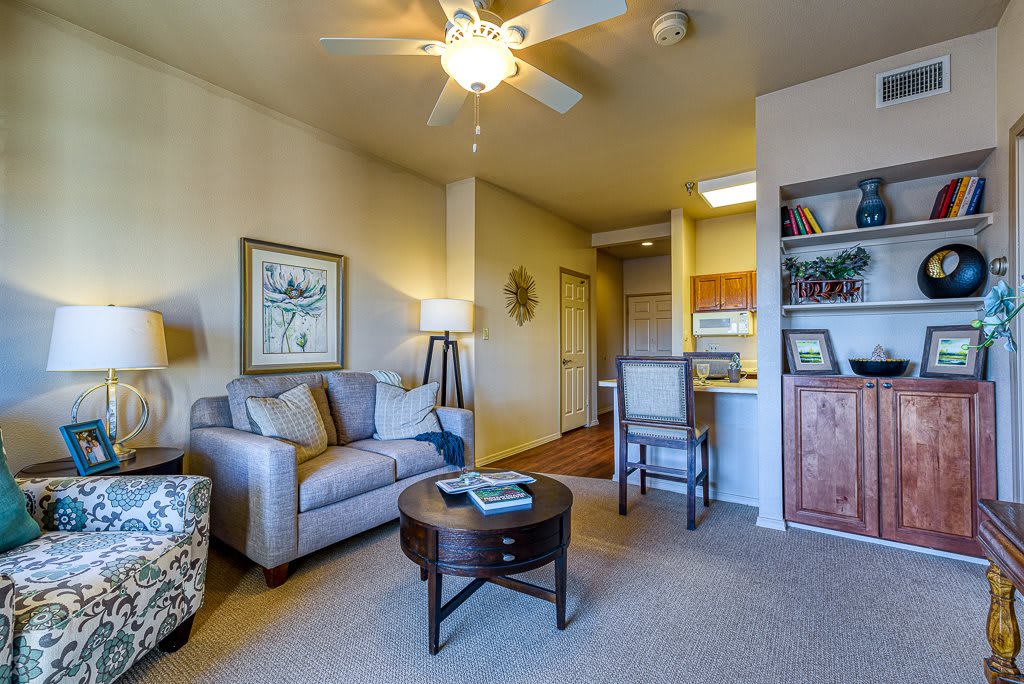
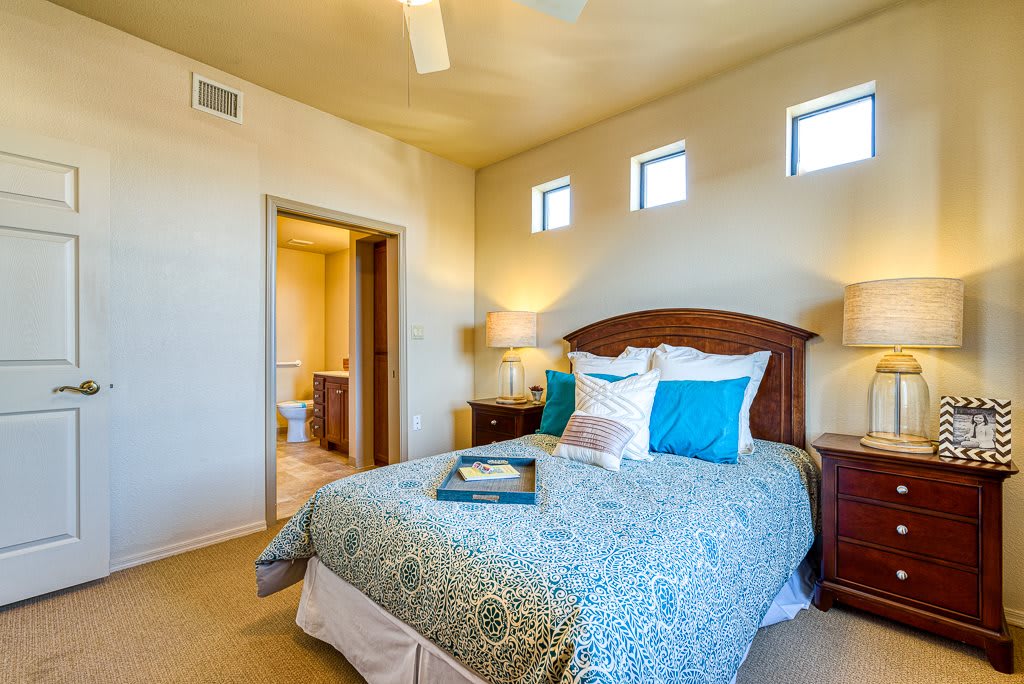
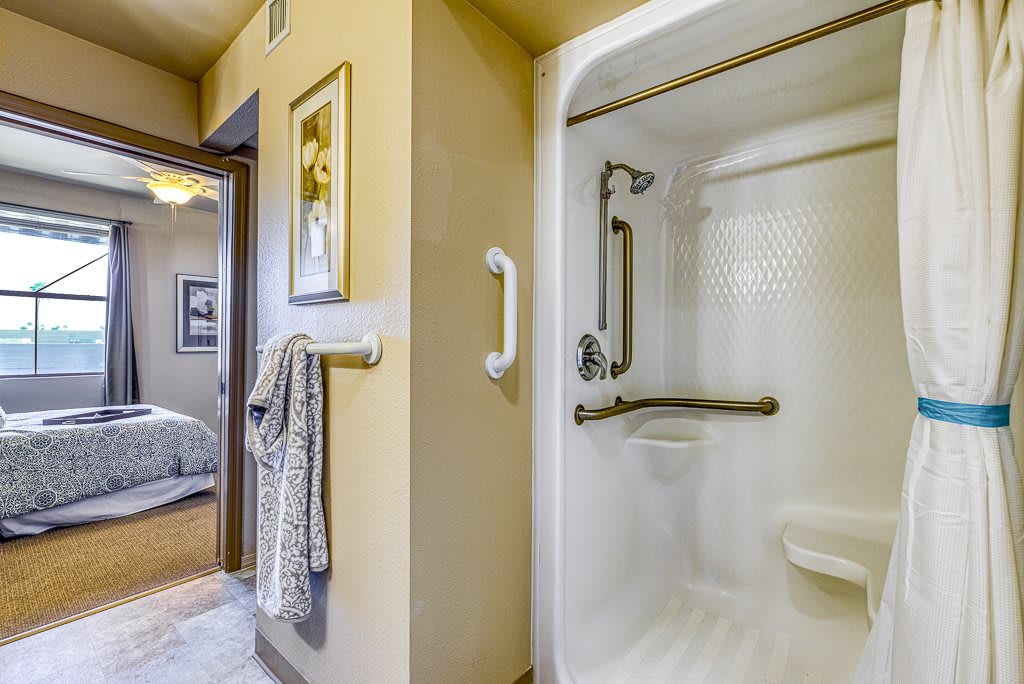
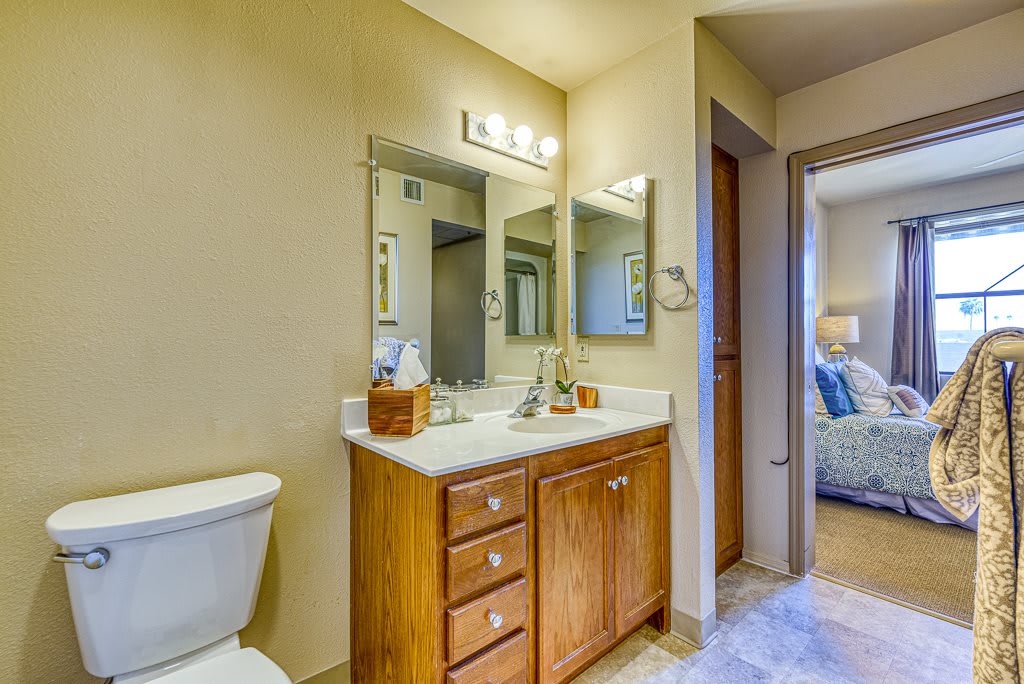
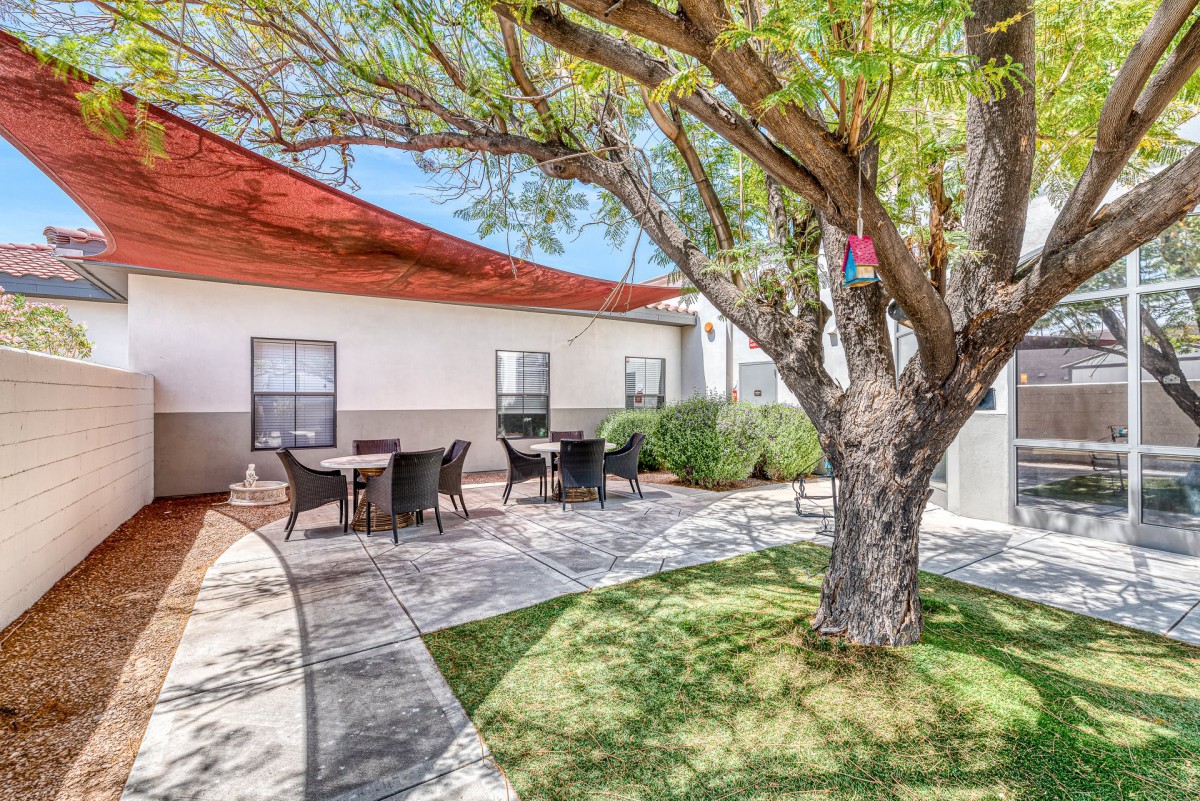
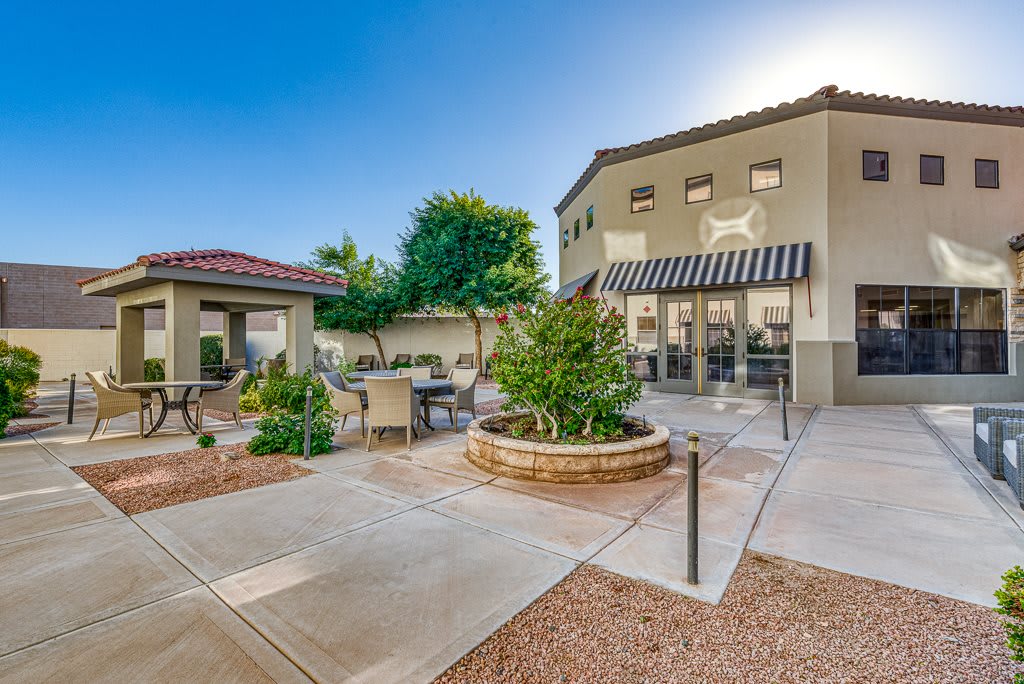
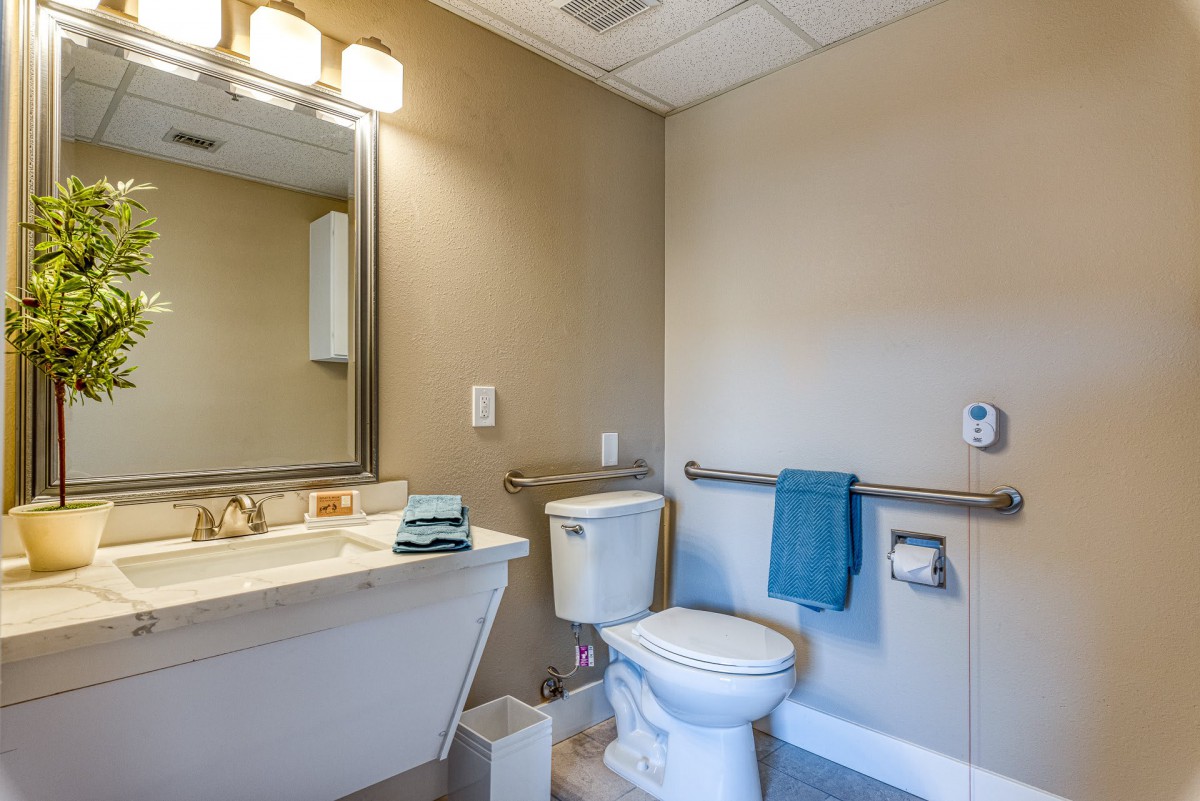
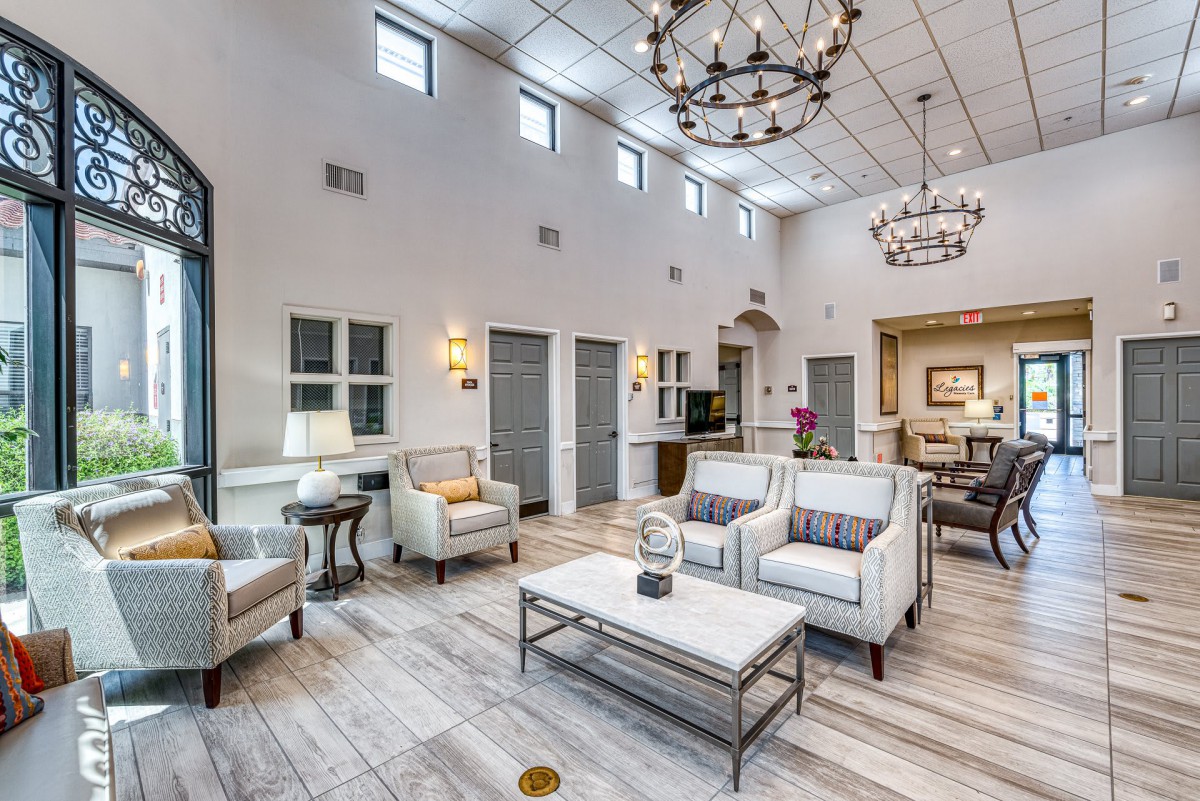
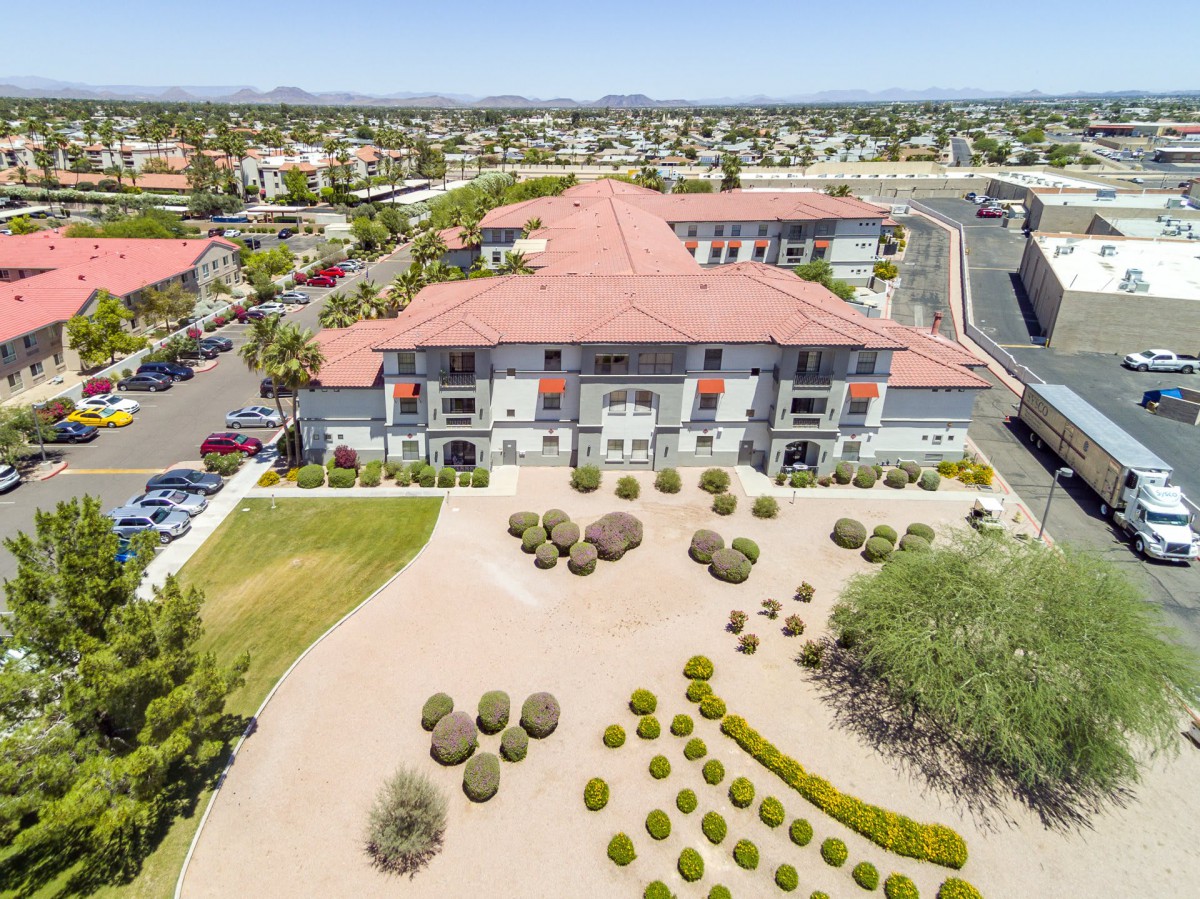
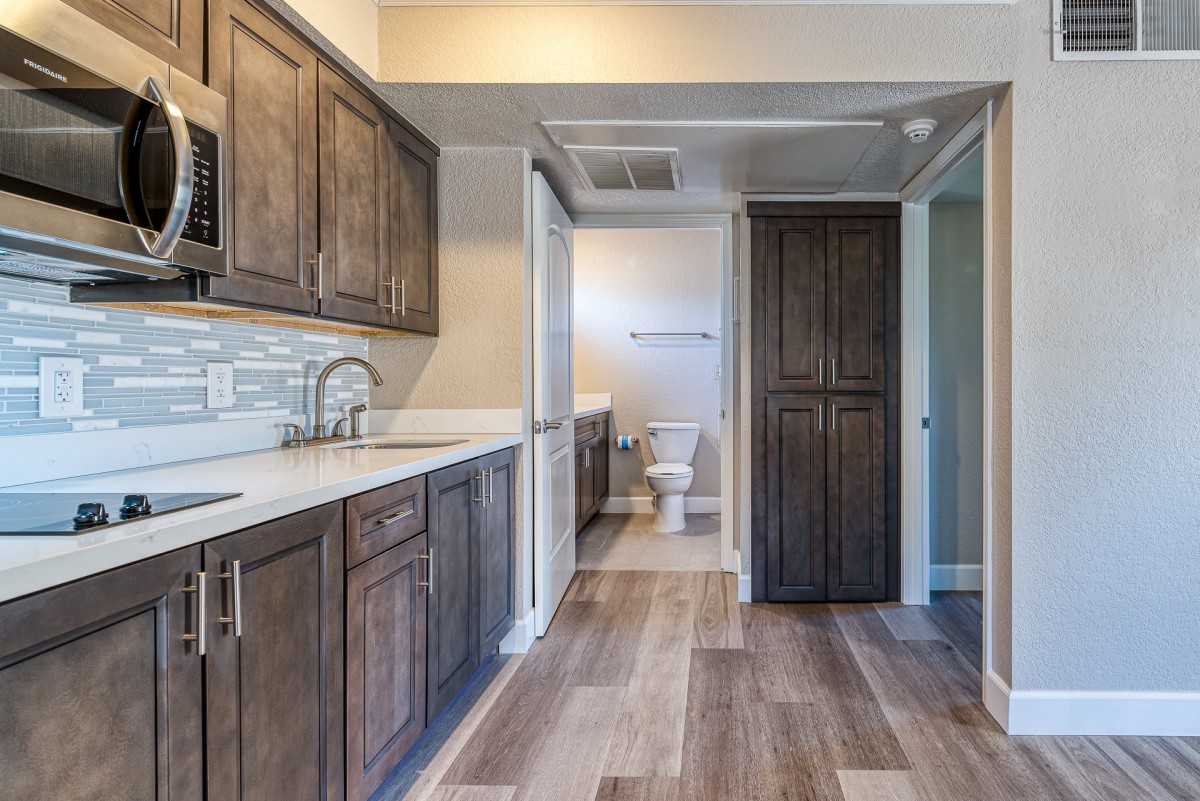
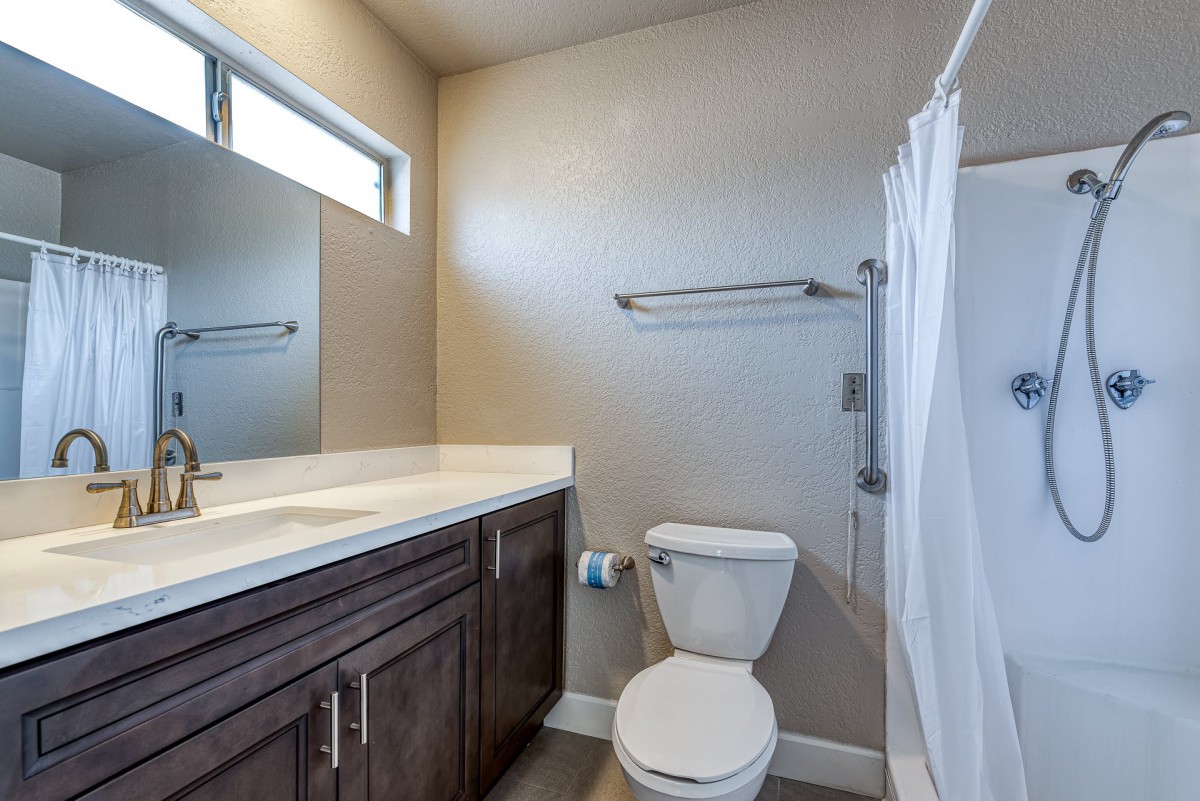
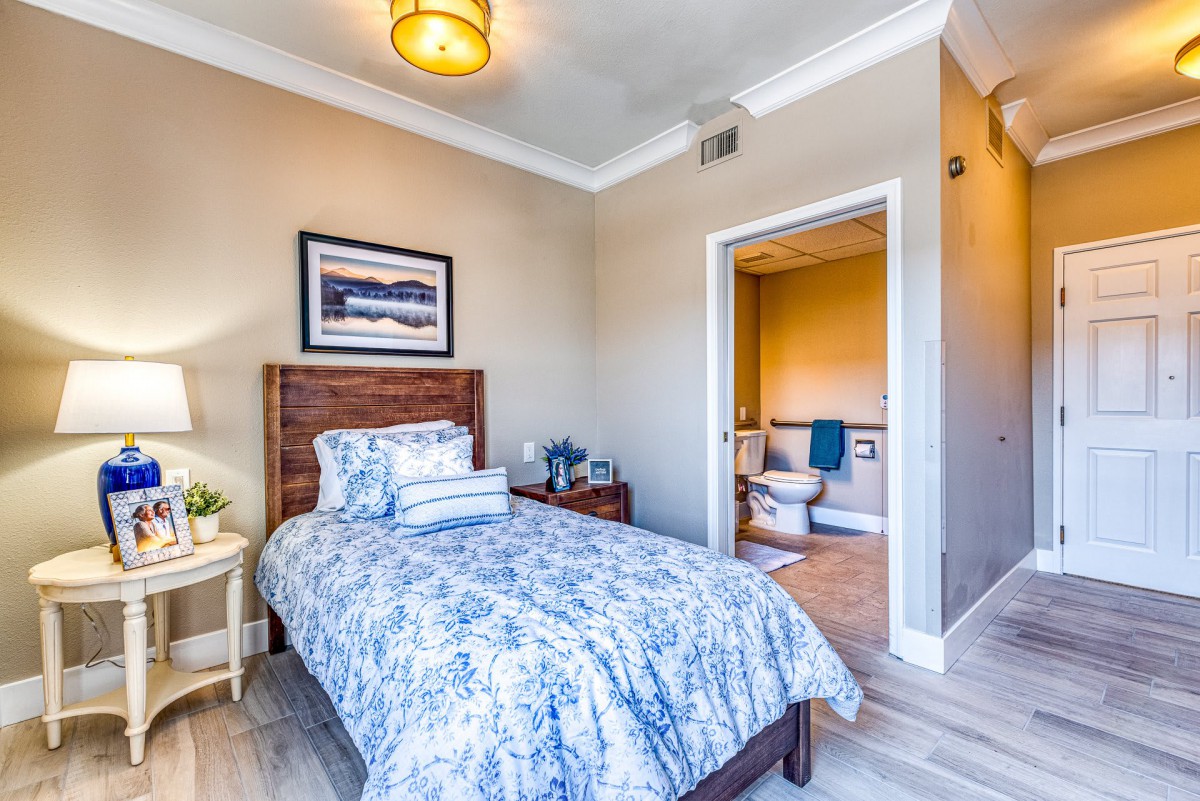
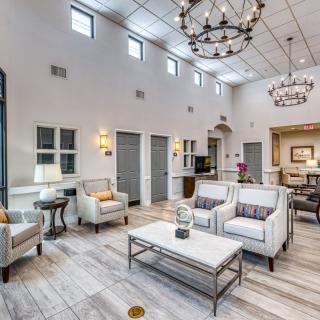
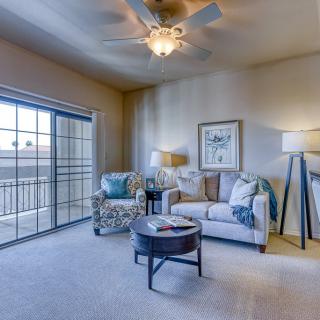
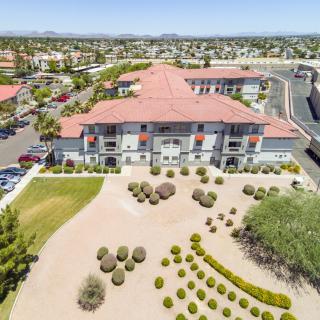
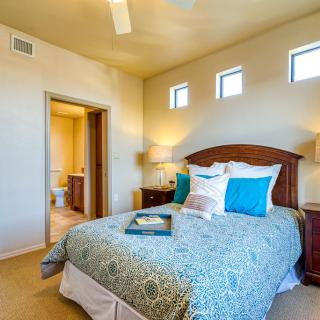
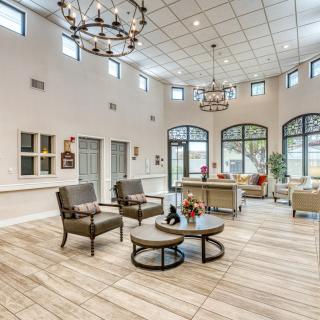
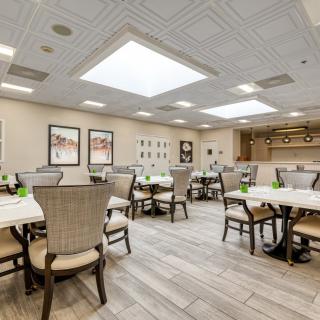
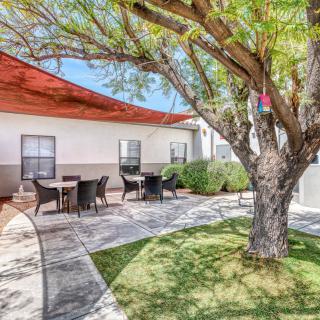
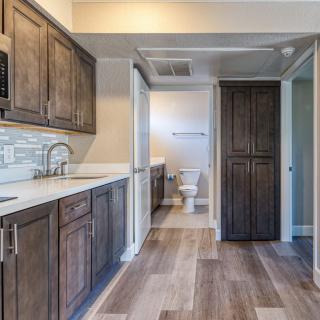
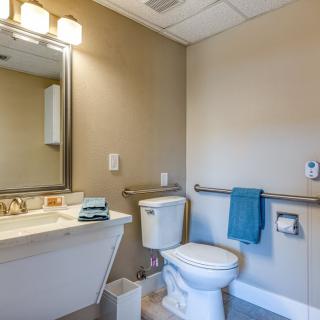
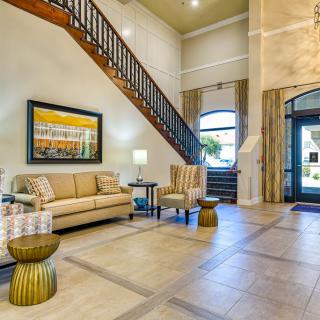
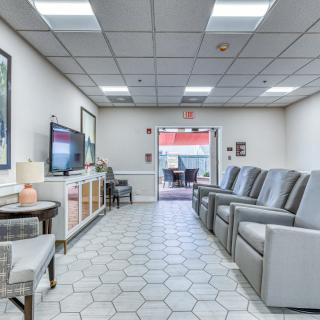
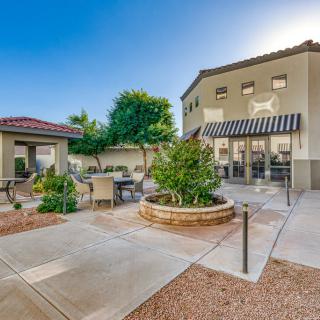
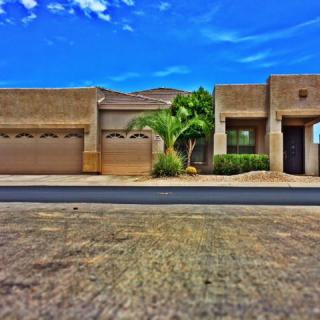
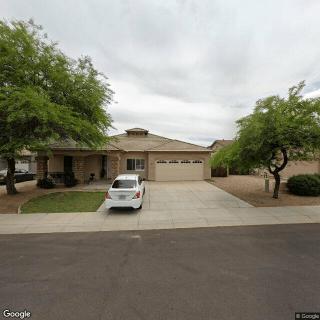
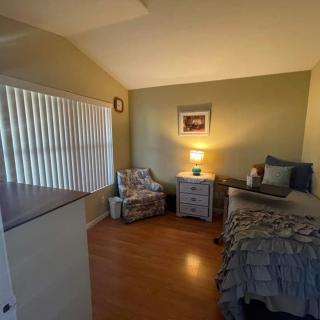
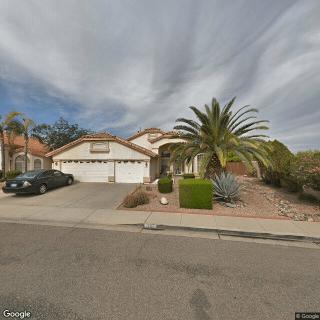
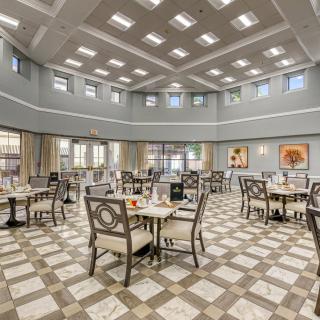
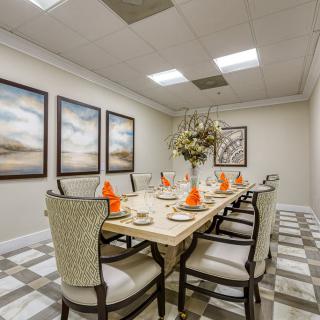
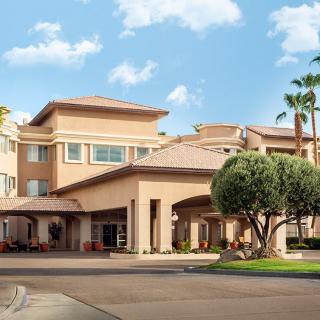
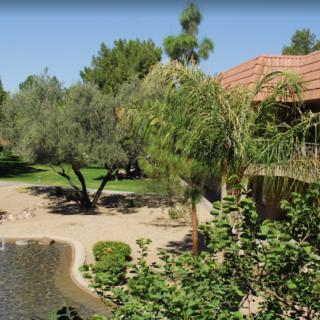
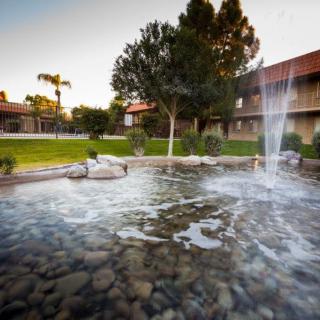
The Woodmark At Sun City on seniors.fyi includes 30 photos including images showing interior, bathroom, floor plan, bedroom, decor, dining, living room, kitchen, and more.
Nearby Communities
The Gardens of Sun City
Sun City, AZ
4.5 from 149 reviews
$2,700 to $4,300 / month
Responsive staff with engaging activities in a warm, home-like setting.
KMI Care
Sun City, AZ
3.7 from 120 reviews
Serene, comfortable environment with excellent access to nearby amenities.
Atria Heritage Sun City
Sun City, AZ
4.5 from 82 reviews
Independent living with restaurant-style dining, in-apartment kitchenette, and 24/7 support.
Senior Helpers of the West Valley
Sun City, AZ
5 from 28 reviews
Excellent nearby amenities and healthcare access (pharmacies, physicians, restaurants, parks).
Synergy Home Care - Sun City
Sun City, AZ
4 from 41 reviews
Warm, responsive caregivers with flexible scheduling and supportive administration.
CareMinders Home Care
Sun City, AZ
5 from 3 reviews
Very affordable pricing with consistent two-caregiver assignments delivering quality care.
The article outlines effective communication strategies for interacting with loved ones with dementia, highlighting the need for empathy, patience, and understanding while emphasizing supportive approaches like using simple language, minimizing distractions, and focusing on feelings over facts to maintain dignity and foster connection. It also suggests seeking professional guidance when needed as communication challenges evolve.
VA nursing homes, or Community Living Centers (CLCs), offer tailored long-term care for veterans, featuring medical attention and rehabilitation in a supportive environment. The guide covers facility types, eligibility criteria, financial assistance options, quality of care standards, and alternatives to full-time nursing home placement.
At-home dementia care expenses vary widely based on care levels, location, and caregiver expertise, with monthly costs for home health aides exceeding $4,500 and specialized care potentially surpassing $100,000 annually. While families favor in-home care for its comfort and personalized attention, they must consider financial planning and the challenges of caregiver fatigue.
Pathway, Outdoor Seating, Tree, and Patio Furniture
Salon and Waiting Area
Natural Light
Bookshelves, Library, Office, Computers, and Workspace
Wall Art, Wooden Flooring, and Modern Lighting
Painting
Billiards, Game Room, and Recreation
Shower, Grab Bars, and Accessible
Studio Apartment
Courtyard
Balcony
Mirrors
Aerial View and Road
Spacious
Staircase
Lounge Area
Light Fixture
Get PricingAsk A QuestionSchedule A TourContact Senior Advisor
By clicking submit, you agree to our Partner's Terms of Use. You
also consent to receive calls and texts, which may be autodialed, from our Partner. Your consent is not a condition to
using our Partner's service. Please visit our Partner's Privacy Policy for information about their privacy practices.

 132 resident community capacity
 Assisted Living
 Independent Living
 Memory Care
 Cats allowed
 Dogs allowed
 Activities off-site
 Air-conditioning
 Beautician on-site
 Cable or satellite TV
 Computer center
 Devotional services off-site
 Dining room
 Fitness room
 Fully furnished
 Gaming room
 Garden
 Ground floor units
 Handicap accessible
 Housekeeping services
 Indoor common areas
 Kitchenette
 Move-in coordination
 Outdoor common areas
 Outdoor patio
 Private bathrooms
 Respite or short term stays offered
 Restaurant-style dining
 Small library
 Telephone
 Wellness center
 Wheelchair accessible showers
 Wi-Fi/high-speed internet available
 Phoenix Sky Harbor International (21 miles away)
 Community operated transportation
 12-16 hour nursing
 24-hour call system
 Ambulatory care
 Assistance with bathing
 Assistance with dressing
 Assistance with transfers
 Diabetes diet
 Diabetic care
 Hospice waiver
 Incontinence care
 Medication management
 Mental wellness program
 Special dietary restrictions
 Transportation arrangement (medical)
 Art classes
 Bible study group
 Concierge services
 Cooking classes
 Day trips and outings
 Educational speakers / life long learning
 Karaoke
 Wine tasting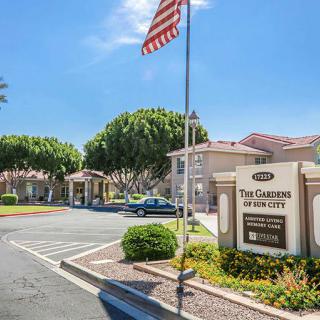
 Responsive staff with engaging activities in a warm, home-like setting.


 How to Communicate with a Loved One Living with Dementia: 10 Supportive Strategies
 Comprehensive Guide to VA Nursing Homes: A Crucial Long-Term Care Resource for Veterans
 Estimating the Expenses of At-Home Dementia Care: A Detailed Exploration